Worshipping gods is one of the main ways you push your settlement forward in Romestead. By giving the right items at the Altar, you earn Worship Points, and those points buy permanent blessings, new buildings, and stat bonuses that apply across your whole town. There are seven Roman deities to court, and each one wants a specific kind of offering.
How to unlock gods in Romestead
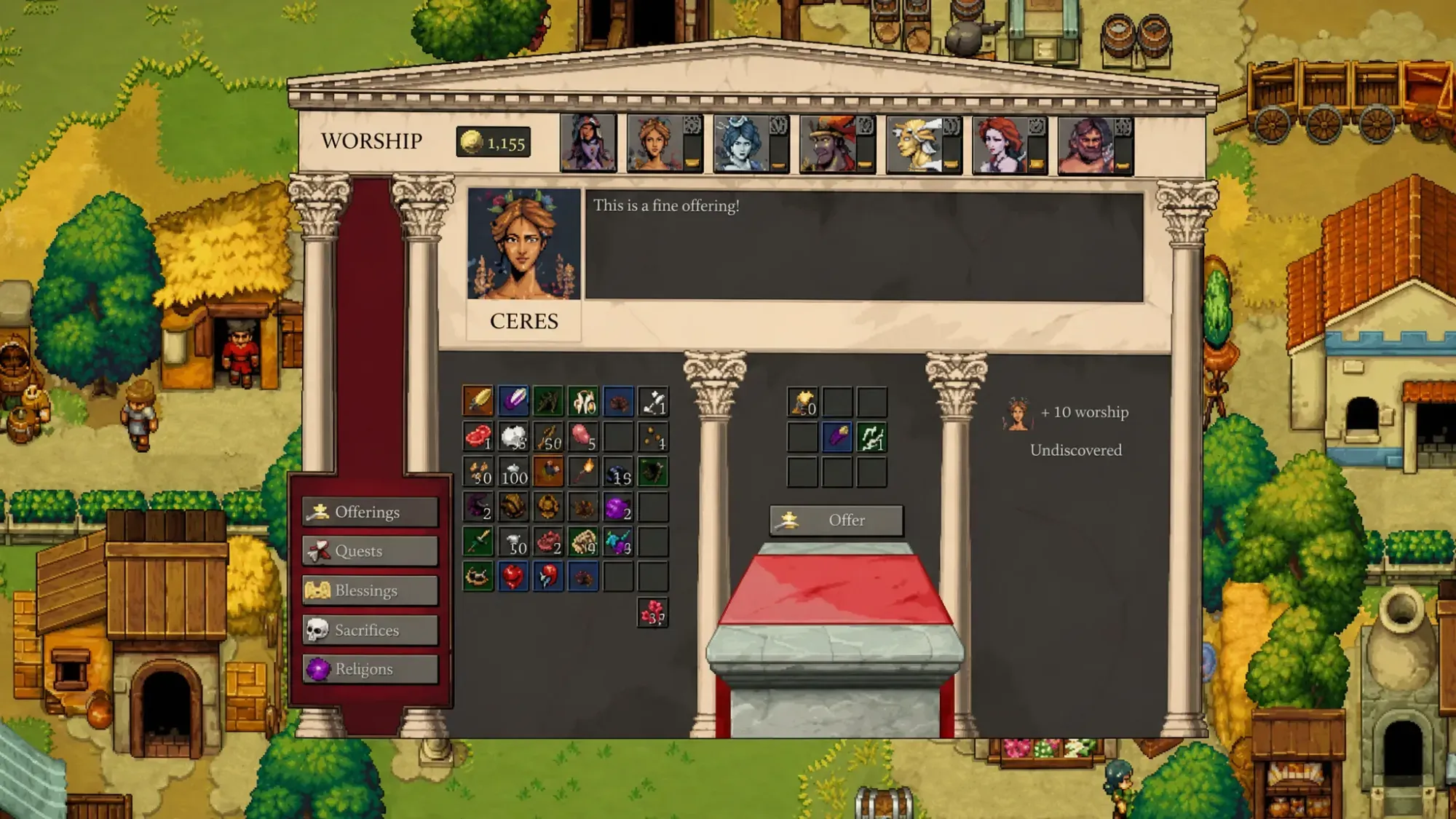
The deity system switches on the moment you build the Altar, which happens during the opening tutorial. Once the Altar exists, all seven gods become available to worship, though they first appear as shadowy figures. Each god’s image is revealed after you fill their meter for the first time.
You earn Worship Points by making offerings. The amount you gain depends on both the item you give and the god receiving it, since every deity values different goods. You can also sacrifice villagers for extra Worship Points if you are willing to take the loss to your town.
You know it worked when the deity’s portrait appears in place of the shadowy figure and your Worship Point total goes up. To reach more powerful blessings, you first need to build a Carpenter and then upgrade the Altar to level two. Only one blessing can be active at a time, so pick the one that solves your current bottleneck.
All seven gods in Romestead
Each deity covers a different domain, which signals the kind of offering it prefers and the bonuses its tree provides.
| God | Domain | Focus of blessings |
|---|---|---|
| Minerva | Wisdom | Tied to the first boss, the Guardian of Minerva |
| Ceres | Agriculture and crops | Farmstead, Bakery, crop harvest and growth |
| Diana | Nature, hunting, and the Moon | Ranged damage, lumber, leatherworker |
| Mars | War | Melee damage, armor, defensive structures |
| Mercury | Speed, innovation, and trade | Market upgrades, vendor prices, magic |
| Venus | Love and beauty | Citizen efficiency, attack speed, energy |
| Vulcan | Fire and forge | Mining, walls, construction, armor |
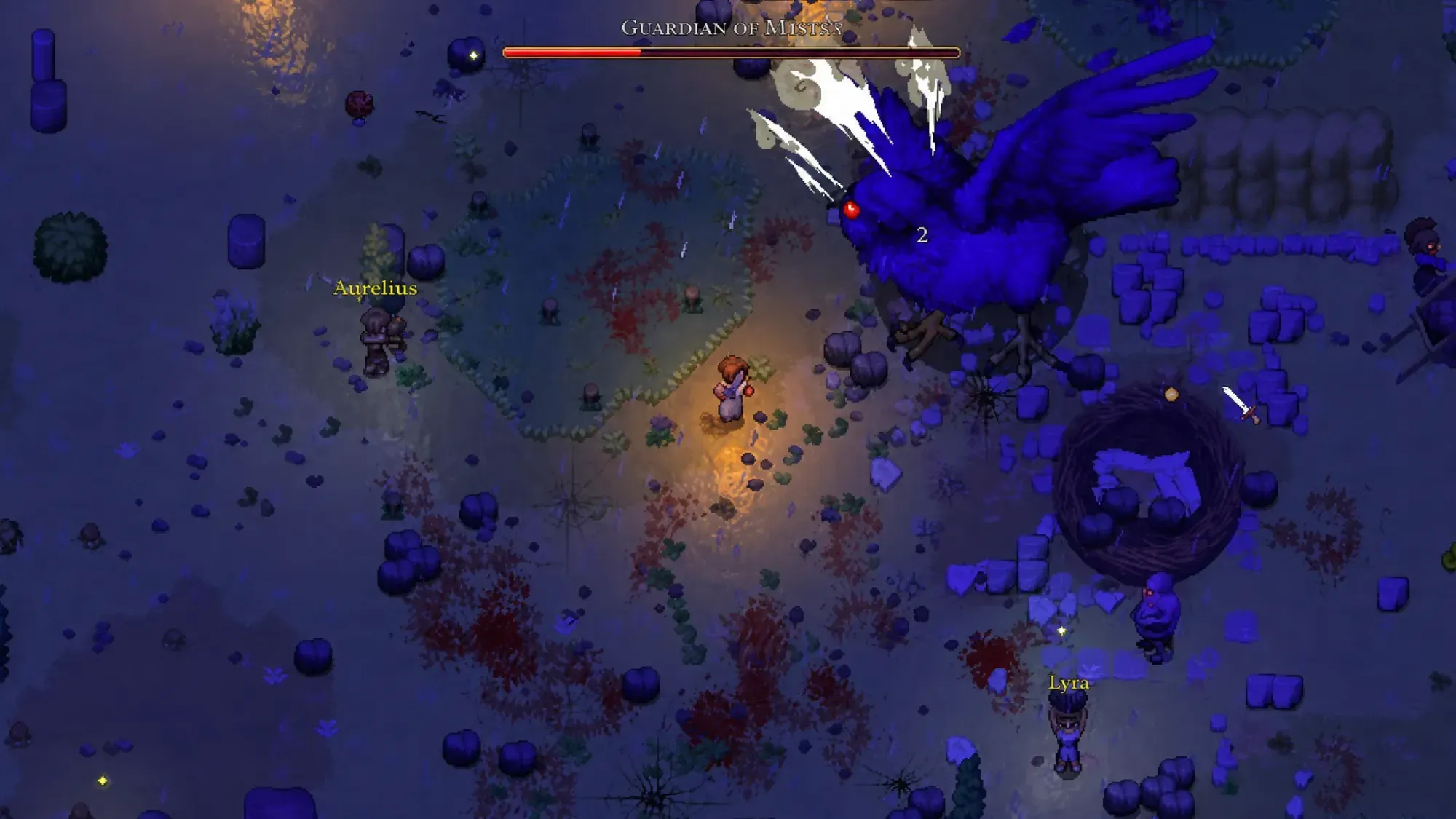
Ceres is the easiest god to progress early, and her blessings noticeably improve your production. Minerva’s worship route is bound up with defeating the Guardian of Minerva and offering its Eye at the Altar, which unlocks additional crafting recipes and removes an early progression wall.
What to offer each god
Items are worth different amounts of experience, and rarer items found in chests provide a much bigger boost. A Scattered Spoils of War feeds Mars heavily, while Basic Cargo does the same for Mercury.
Ceres offerings (agriculture)
Ceres accepts almost anything connected to nature and farming.
| Item | Experience |
|---|---|
| Seeds (Olive, Cabbage, etc.) | 0.1 |
| Sapling | 0.1 |
| Wheat | 2 |
| Flour | 2.5 |
| Bread | 4 |
| Olive Oil | 5 |
| Honeycomb | 10 |
| Garum | 12.5 |
| Bay Leaf | 15 |
| Grapes | 25 |
Diana offerings (hunting)
Diana wants meat, hides, and forest materials.
| Item | Experience |
|---|---|
| Raw Game Meat | 5 |
| Poison Mushroom | 6 |
| Wool | 10 |
| Leather | 15 |
| Skeleton Bow | 15 |
| Chanterelle Mushroom | 16 |
| Strange Crab Meat | 30 |
| Leather Hood | 42.5 |
| Cured Hide | 50 |
| Rotted Arquites Bow | 150 |
Mars offerings (war)
Mars takes bones, weapons, armor, and battle spoils.
| Item | Experience |
|---|---|
| Flint Pilum Head | 0.5 |
| Bone | 2 |
| Rusted Copper Gladius | 150 |
| Rusted Copper Hasta | 150 |
| Scattered Spoils Of War | 200 |
| Lobber Wristguards | 840 |
Mercury offerings (trade)
Mercury wants trade goods and travel-related items.
| Item | Experience |
|---|---|
| Root Boots | 52.5 |
| Basic Cargo | 200 |
Venus offerings (love and beauty)
Venus favors potions, accessories, and valuables.
| Item | Experience |
|---|---|
| Chest | 25 |
| Minor Health Pot | 35 |
| Energy Potion | 40 |
| Fine Accessory | 200 |
Vulcan offerings (forge)
Vulcan loves copper, coal, and items crafted at the forge.
| Item | Experience |
|---|---|
| Coal | 5 |
| Copper Bar | 50 |
Minerva centers on wisdom and her worship tree is the least documented of the seven, since it is tied directly to clearing the Guardian of Minerva and offering its Eye.
How to choose which god to worship first
Because only one blessing runs at a time, the best god is the one that fixes your most pressing problem. Match the deity to the bottleneck in your settlement rather than chasing the strongest-sounding bonus.
| If you need | Worship |
|---|---|
| Food and farming stability | Ceres |
| Stone, walls, and construction | Vulcan |
| Melee defense and armor | Mars |
| Ranged damage and arrows | Diana |
| Economy and magic | Mercury |
| Citizen utility and energy | Venus |
Bread doubles as a solid Ceres offering, so bake extra and keep some aside for the Altar. In co-op sessions all bonuses apply to every player, so agree on which blessing stays active before anyone commits rare goods.
Romestead is in Early Access, so some offerings and tree details are still being filled in. You can find the game on its official Steam page. For now, lead with Ceres while you stabilize food, then branch into Vulcan or Mars once your town can afford the materials each god demands.