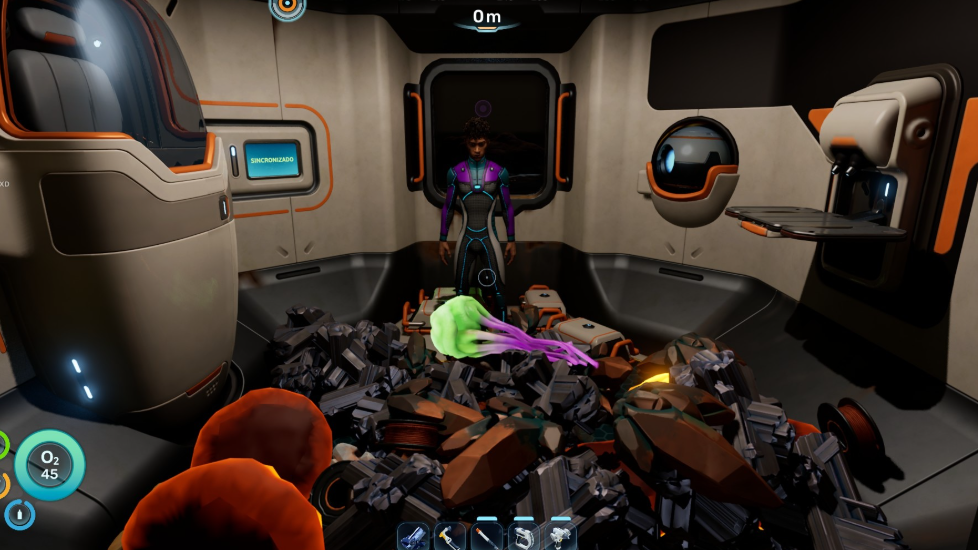
Proteus is littered with the wreckage of failed colonist outposts, and most of them double as the closest thing Subnautica 2 has to a tutorial. Each abandoned base hands out scannable fragments, blueprints, datacards, biomod upgrades, or inventory slots, and the trail of blackboxes inside them effectively replaces a traditional quest log. The early access map currently includes a Welcome Center, two named habitats (Camp One and the Old Habitat), two Colonist Bunkers, and a four-section Cicada Wreck, plus the Tailings Village further out.
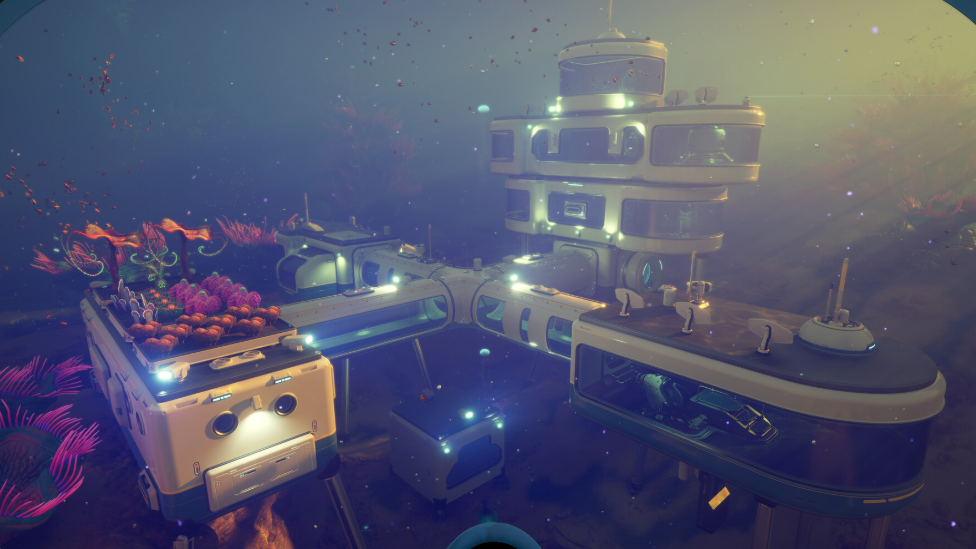
All abandoned bases and points of interest
Every wreck and habitat has a fixed world coordinate. Since Proteus has no in-game map, you navigate with the compass and waypoints pinned through the Signals menu. The depths below indicate how prepared your oxygen tank needs to be before you commit to a dive.
| Location | Depth | Type |
|---|---|---|
| Welcome Center | 7m | NOA orientation hub |
| Camp One | 25m | Ruined colonist hab |
| Colonist Bunker (Anita’s Garden) | 37m | Buried bunker |
| Old Habitat | 49m | Two-section colonist hab |
| Cicada Wreck (Lander Garage) | 18m | Ship wreckage |
| Cicada Wreck (Empty Hold) | 53m | Ship wreckage |
| Cicada Wreck (EVA Prep) | 64m | Ship wreckage |
| Cicada Wreck (Canteen) | 85m | Ship wreckage |
| Colonist Bunker (Savage) | 85m | Buried bunker |
| Tailings Village | 90m | Abandoned settlement |
| Tadpole Pens | 146m | Colonist facility |
The Welcome Center
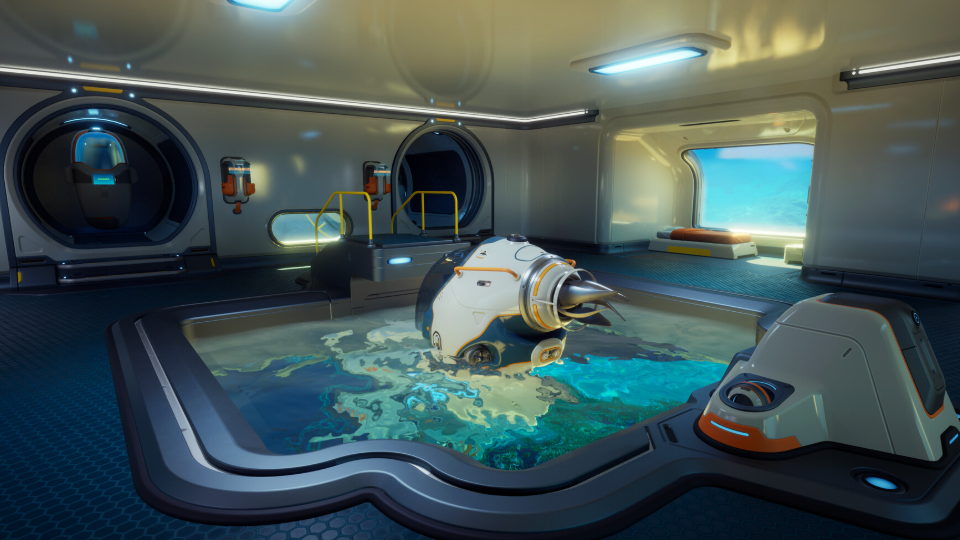
Swim south-southeast from the Lifepod, and you will reach the Welcome Center at roughly 7 meters of depth. The structure is intact but unpowered. Drop a Basic Battery into the wall slot to bring the lights, doors, and terminals online.
The Bio Lab terminal inside is the most important interaction in the early game. It lets you pick your first Biomod loadout. Dash is the strongest active option for dodging predators, and Oxygen Control, as a passive, stretches your breath when you stop moving. Before leaving, swim down through the small floor opening and scan the Habitat Builder. Without that scan, you cannot construct your own base anywhere on Proteus.
Camp One
Head north-northeast from the Lifepod for about 250 meters and you will find Camp One torn into separate sections on the seabed. The hab is open to the water, so you slip in through the gap underneath a collapsed corridor.
Camp One is a scan-heavy stop rather than a story stop. You can pull blueprint progress from the Scanner Station, the Wakemaker Fragment, the Power Cell Terminal, and the Painted Tree. The Wakemaker scan in particular is one of the more useful early pickups, since the tool unlocks faster traversal between distant points of interest.
The Old Habitat
Roughly 420 meters north-northwest of the Lifepod, two ruined modules sit connected by a tunnel. Facing the Lifepod’s icon, the working entrance is at the rear-left side of the structure.
This is the densest blueprint location in the starter zone. You can scan the Wakemaker Fragment, the Sonic Resonator, a Bioreactor, a Processor, the Safety First Poster prop, and another Scanner Station. The datacards scattered inside add interior fixtures for your base build menu.
The Old Habitat also moves the campaign forward. Interact with the NOA Terminal and the Dr. Wu blackbox to receive the signal pointing toward the Tadpole Pens. The Sonic Resonator scan from this base is the gate for clearing Bloom Cankers later, so prioritize it.
Colonist Bunkers
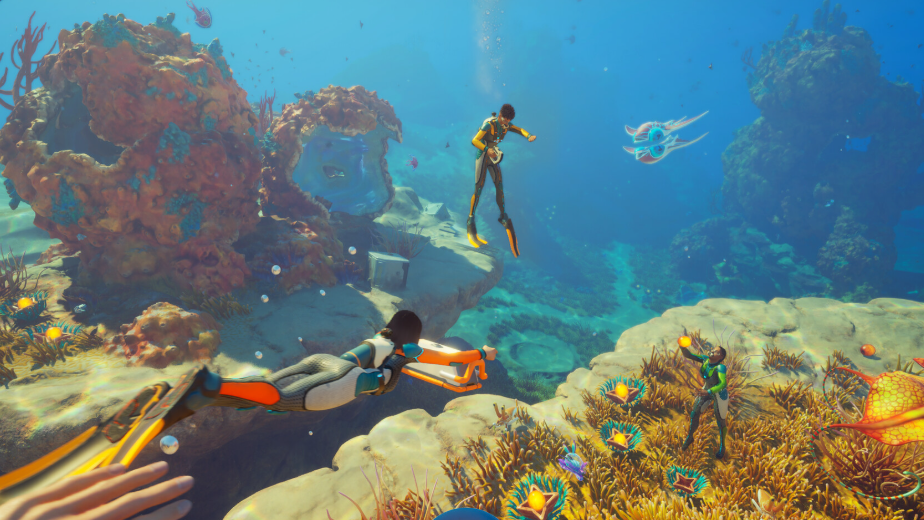
The bunkers are small, hatch-accessed shelters tucked into rock formations. Each one rewards an inventory slot upgrade when you interact with the biobed inside, which stacks across visits.
Chap’s bunker sits around 250 meters south-southeast of the Lifepod inside a rocky crag with jutting pillars. A Coral Crab sleeps near the entrance and wakes when a Hammerhead approaches, so time the swim. Drop through the tunnel, find the side hatch, and use the biobed. Scan the interior Bioreactor while you are there.
Anita’s Garden bunker is at 37 meters of depth and contains another biobed plus crops. The Savage bunker sits much deeper at 85 meters and is best left until you have an oxygen upgrade and the Sonic Resonator equipped.
Anita and the Angel Comb
About 160 meters north-northeast of the Lifepod, an angel-shaped tree carries a pink flower bulb. This is an Angel Comb. Interacting with the bulb grants the Adaptation that lets your character digest alien food without triggering Digestive Incompatibility. The nearby Anita blackbox completes that colonist’s signal trail.
The Wander signal and the corrupted Angel Comb
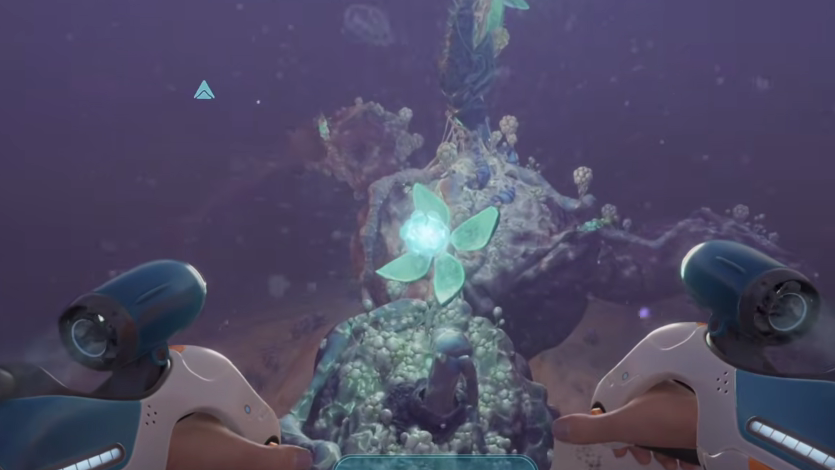
The Wander blackbox points to a cavern reached via a downward current near the Lifepod. Inside, a large organic tendril is studded with glowing blue Bloom Cankers. These nodules can only be destroyed by a charged shot from the Sonic Resonator, which is why scanning that tool at the Old Habitat matters before attempting this detour.
The Cicada Wreck
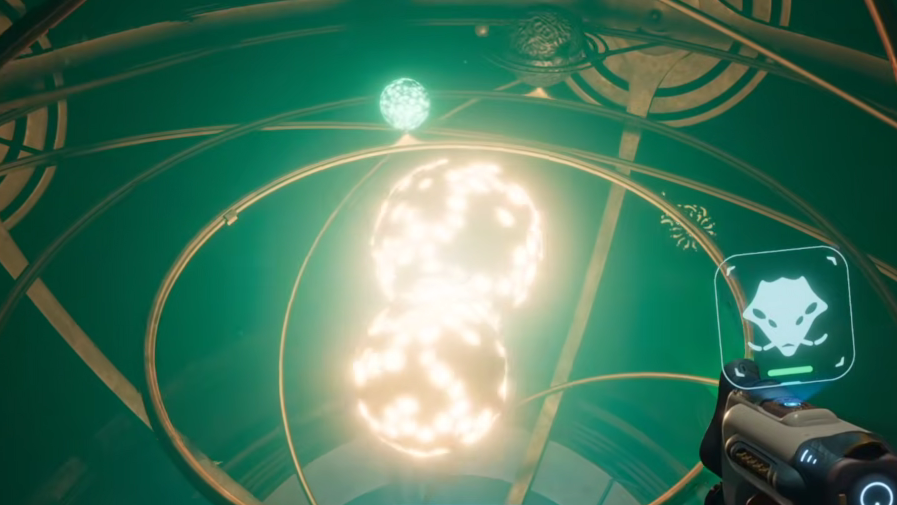
The Cicada is a colony ship broken into four named sections spread northeast and east of the Lifepod. Each piece is a separate dive, and depths vary significantly.
| Section | Depth | Notable for |
|---|---|---|
| Lander Garage | 18m | First story journal entry; dense lead, quartz, copper nearby |
| Empty Hold | 53m | Mid-depth scans and resource pockets |
| EVA Prep | 64m | Equipment fragments |
| Canteen | 85m | Deeper scans; bring an oxygen upgrade |
The Lander Garage is the most accessible section and runs along a natural seafloor current, making it a viable spot to place a hydroelectric-powered base while you work through the wreck. Lead deposits are unusually concentrated here, which matters for radiation shielding and several mid-game recipes.
Tailings Village and the Tadpole Pens
Tailings Village sits at 90 meters and serves as a way station between the starter zone and the deeper colonist infrastructure. The Tadpole Pens, at 146 meters, are the next major story beat after the Old Habitat. Reaching them comfortably requires the Angel Comb’s food Adaptation, the heat-resistance Adaptation from cleansing the corrupted Angel Comb, and ideally a Tadpole submersible blueprint progressed enough to ferry you down.
Working through the bases in the order the NOA Terminal pings them, Welcome Center, Anita’s Angel Comb, Chap’s bunker, Camp One, Old Habitat, Wander, gives you the Habitat Builder, the Sonic Resonator, two Adaptations, an inventory upgrade, and enough datacards to start your own base before the campaign pushes you toward the Tadpole Pens.