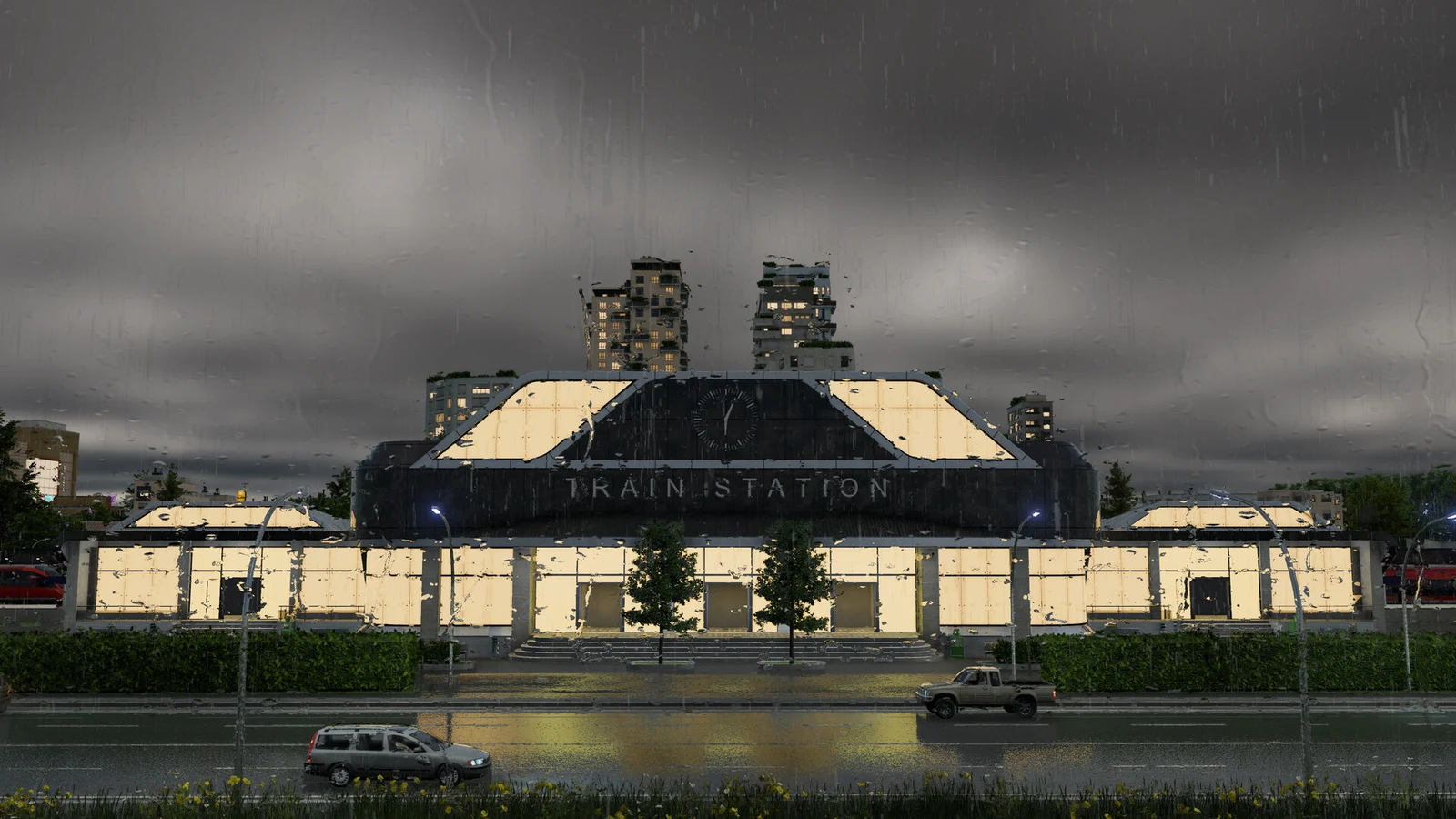
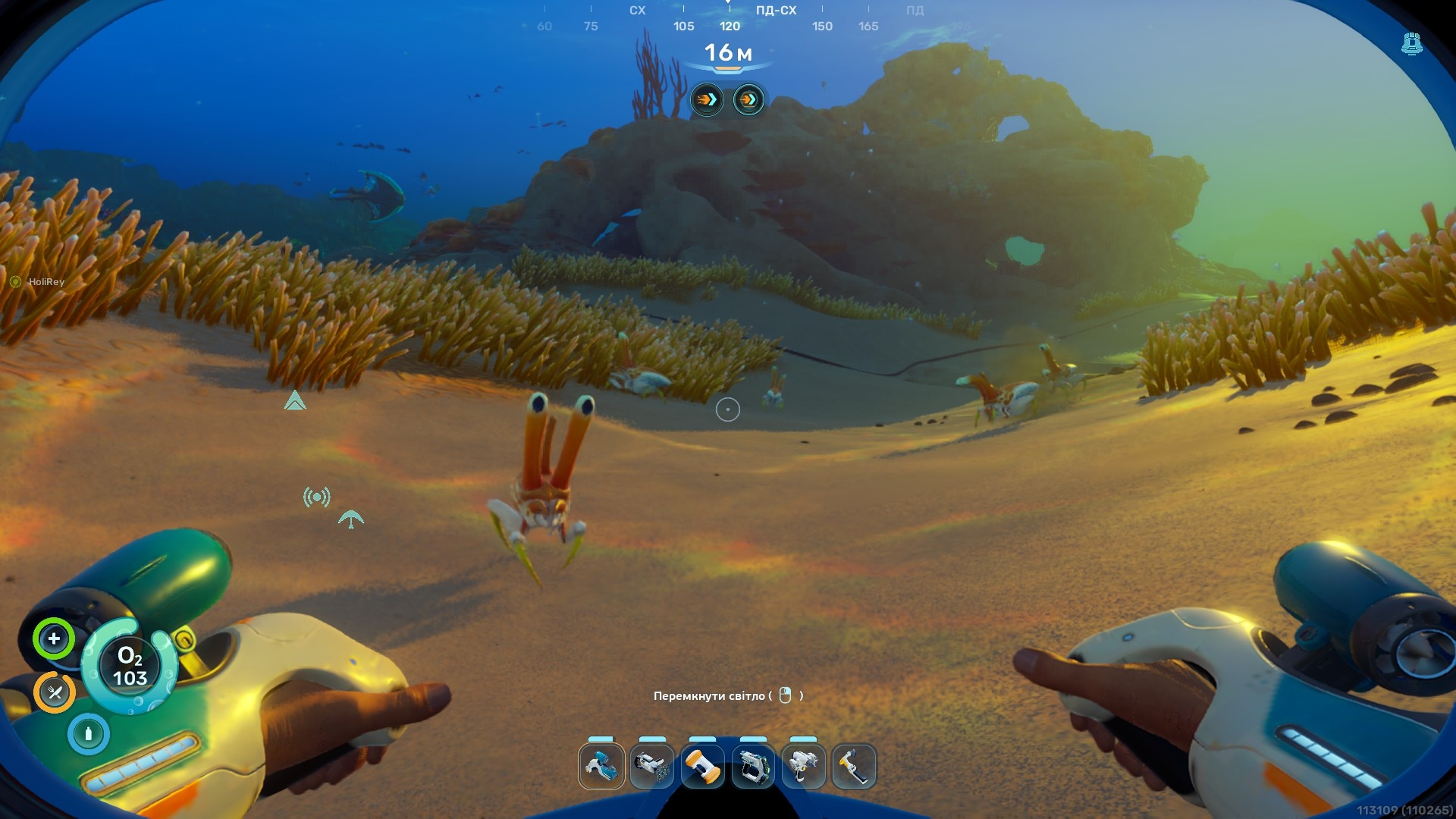
Subnautica 2 drops you onto an entirely new alien ocean world, not the planet 4546B from the original game or the icy setting of Below Zero. The sequel was built around a fresh planet with its own ecology, creatures, and ruins, designed so newcomers can start here without needing any prior context from the franchise.
The new planet, not 4546B
Unknown Worlds made a deliberate call early in development to leave the original planet behind. Instead of revisiting the Aurora’s crash site or the frozen biomes of Below Zero, the team built a new world from scratch, with new biomes, new lifeforms, and a separate story arc.
Lead game designer Anthony Galagos has described the design target as roughly a third new content, a third familiar Subnautica DNA, and a third improved systems. The new planet is the foundation of that “third new” — it shares the underwater survival identity of the series but does not reuse locations, creatures, or factions from earlier games.
None of the named regions from Subnautica or Below Zero appear here. The Safe Shallows, the Lost River, Sector Zero — none of them carry over. What you get instead is an unfamiliar ocean with its own silhouette of biomes to memorize.
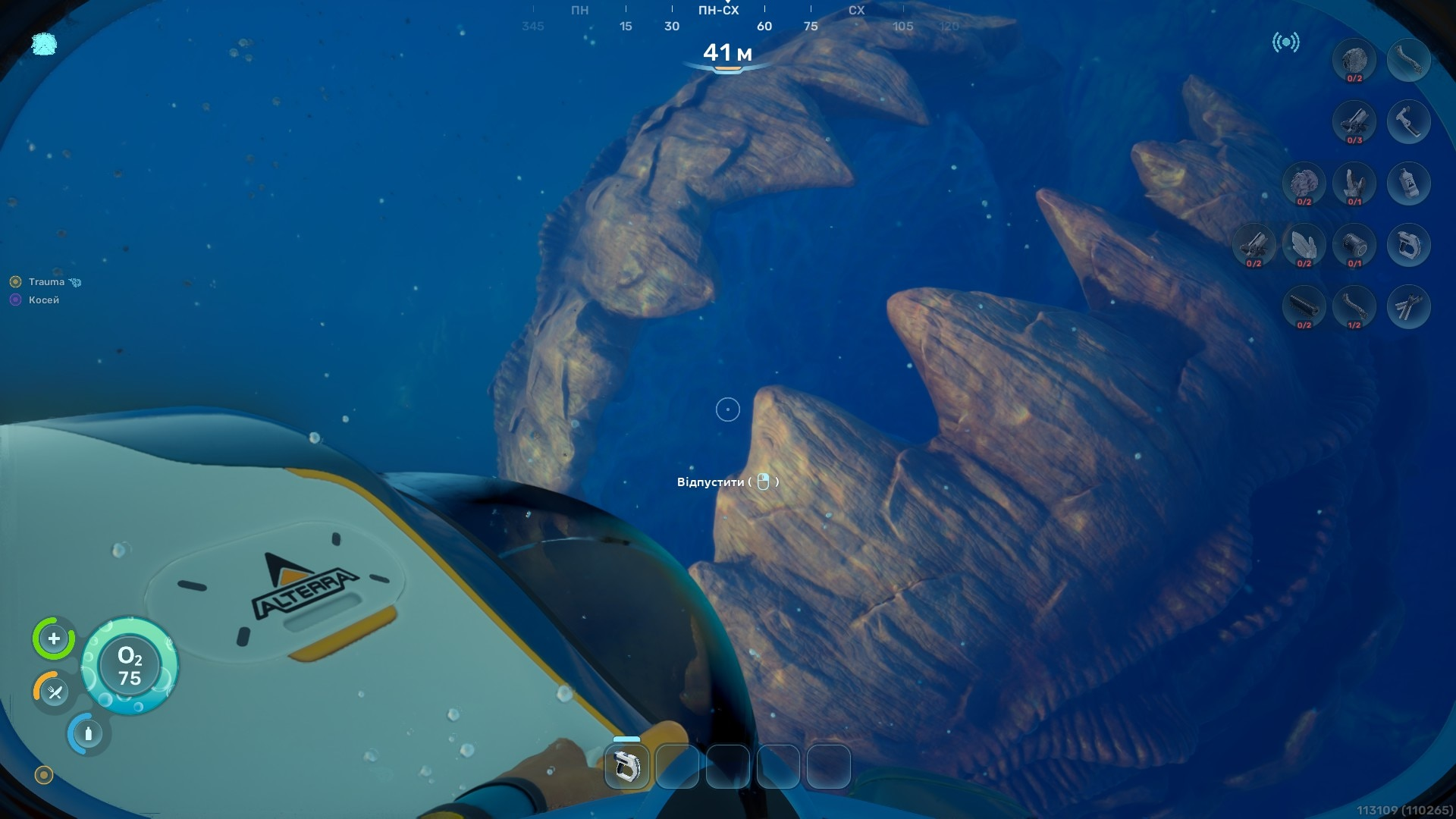
The CICADA, the Pioneers, and how you got here
The setup frames why you are stranded on this specific planet. Alterra, the corporation present throughout the franchise, offers a fresh start to people displaced by ongoing conflict. You join a group called the Pioneers aboard a colony ship named CICADA, headed for this new world.
Something goes wrong during the mission. The ship’s AI insists the colonization must continue even as things fall apart, and you wake up on the planet with no memory of how you arrived. The colony that was supposed to be waiting is gone — the colonists have already failed, died, or vanished — and you are left to piece together what happened.
That backstory is what shapes the world you explore. Wrecks from the CICADA, abandoned habitats, and alien ruins are scattered across the seabed, each tied to the failed colonization effort.
How the world is structured: regions and biomes
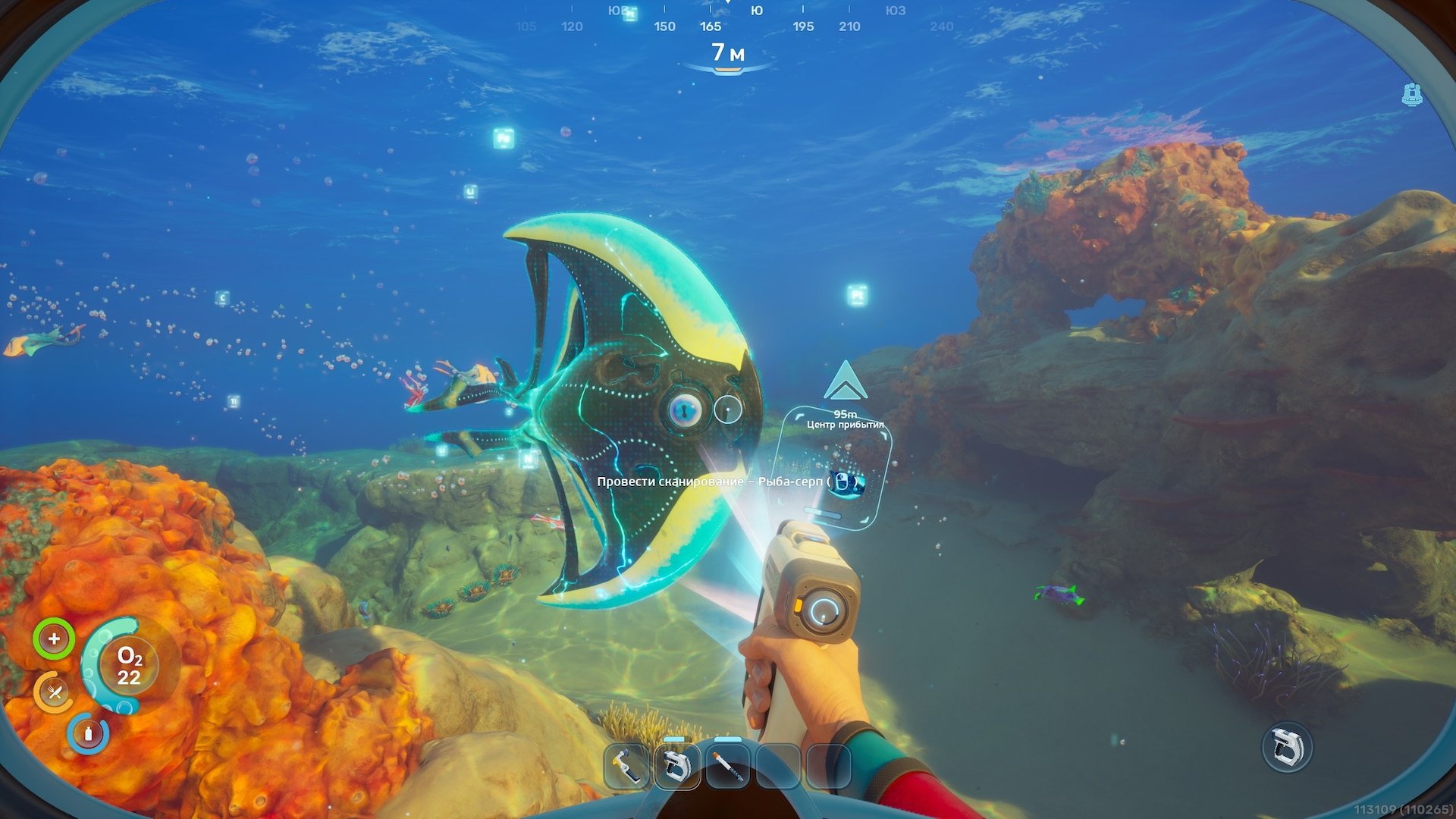
Subnautica 2 adds a structural layer above biomes called regions. A region is a large continuous area that holds multiple themed biomes and sub-biomes inside it. You move between biomes within a region with relatively smooth transitions, then cross a deliberate boundary to enter a different region with its own visual identity and survival profile.
At Early Access launch, at least two main regions are in the game, with more planned to roll out during the Early Access period. Biomes inside those regions include kelp-style growth, coral gardens, thermal vent caves with extreme temperatures, alien ruins, and deeper trench environments.
Key locations across the planet
Several landmarks tie directly to the story and progression. Most early exploration radiates outward from your Lifepod, with deeper and more dangerous sites pushing east, north, and into the depths below.
| Location | What it is |
|---|---|
| Lifepod | Your starting point and the reference for all directional distances early on. |
| Camp One | An early colonist site north-northeast of the Lifepod, accessed through an underground tube. |
| Old Habitat | A flooded colonist structure north of the Lifepod containing multiple Blackboxes and key story scans. |
| Colonist Bunker (Quaker’s Meetinghouse) | A southeast crag hiding a hatch, biobed, and early inventory upgrade. |
| Heat-emitting coral caves | An underwater cave cluster east-southeast with extreme temperatures, requiring the Heat Tolerance Adaptation. |
| Spider Dome | A south-southwest landmark with a hole beneath it; needs a Sonic Resonator to clear the bloom. |
| Alien Ruins | A mid-to-late game zone east of the Lifepod, gating deeper story content. |
| CICADA Wrecks | Pieces of the colony ship scattered across the planet, including the EVA Prep and Therapy Room sections. |
| Metal Farms | A late-game seabed area roughly 2 km east of the Lifepod, past the Alien Ruins. |
| Needler Nest | A mid-to-late game cave cluster with hostile Needlers. |
The ecology of the planet
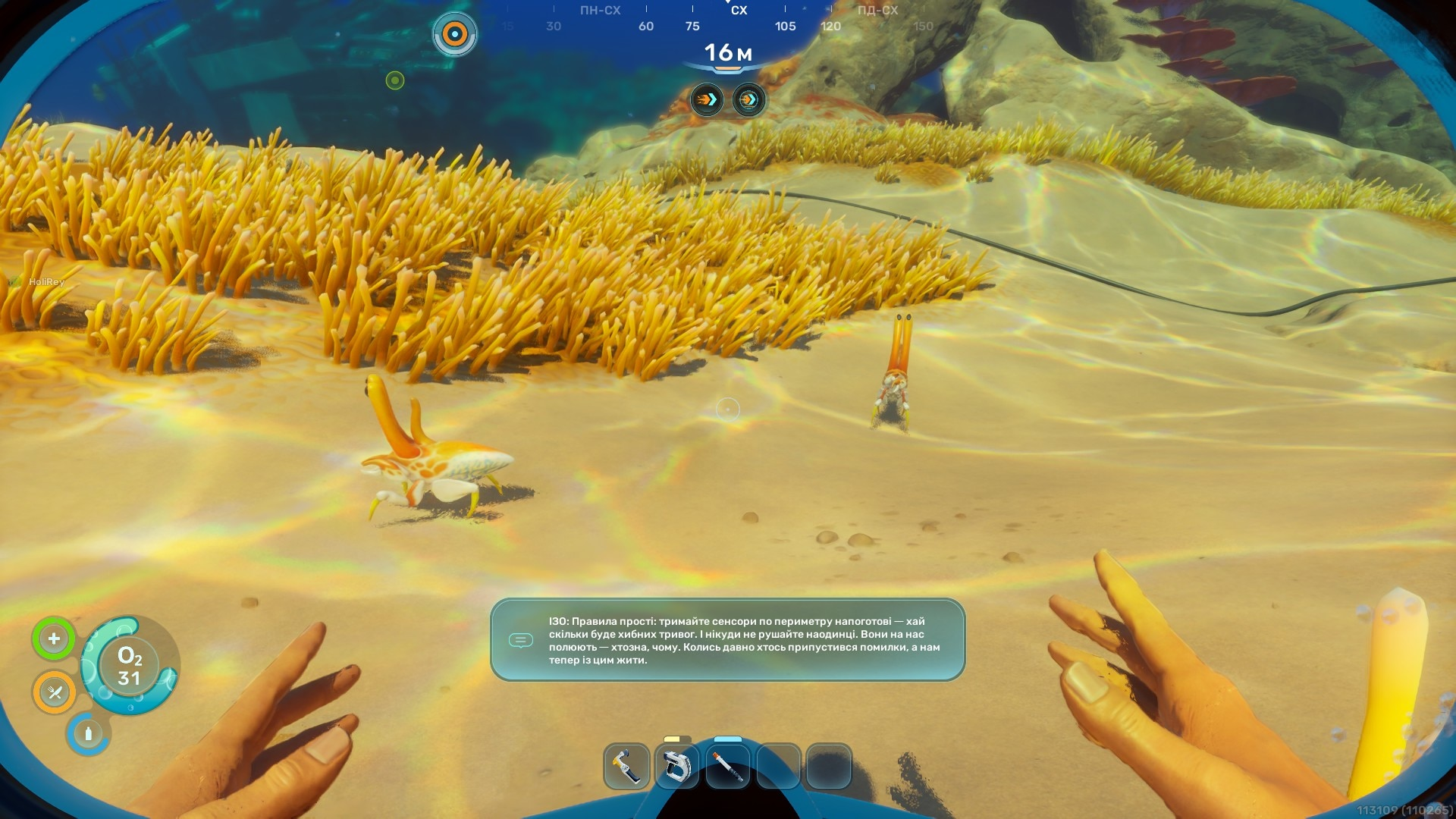
The world has its own biology that you cannot simply consume on arrival. You start unable to digest the local proteins, which means eating native flora or fauna requires acquiring a Digestion Adaptation by interacting with specific plant life — the Angel Comb Jelly being the first one most players encounter near the Lifepod.
The planet is also affected by an ecological system called the Blight. When the world is in distress, infections spread through root systems and turn local creatures aggressive in a zombie-like state. Muted colors signal infected areas, and clearing infestations is part of how you stabilize zones.
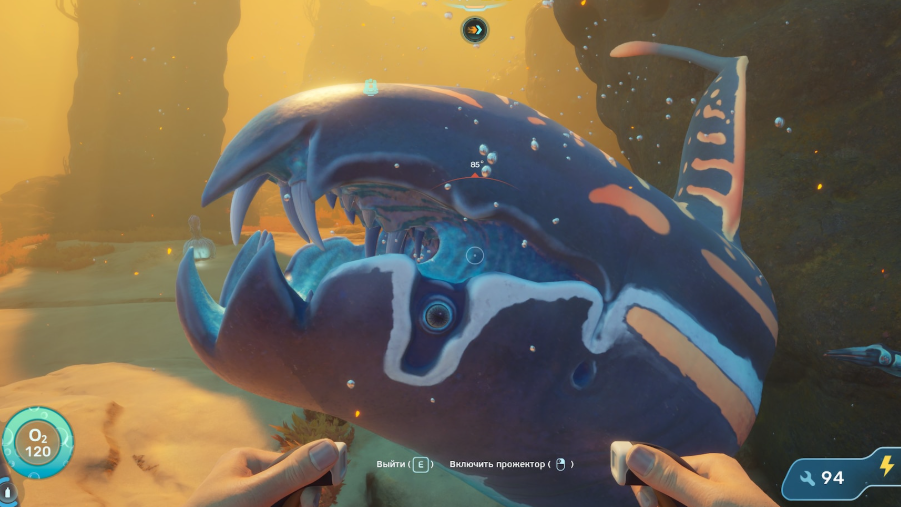
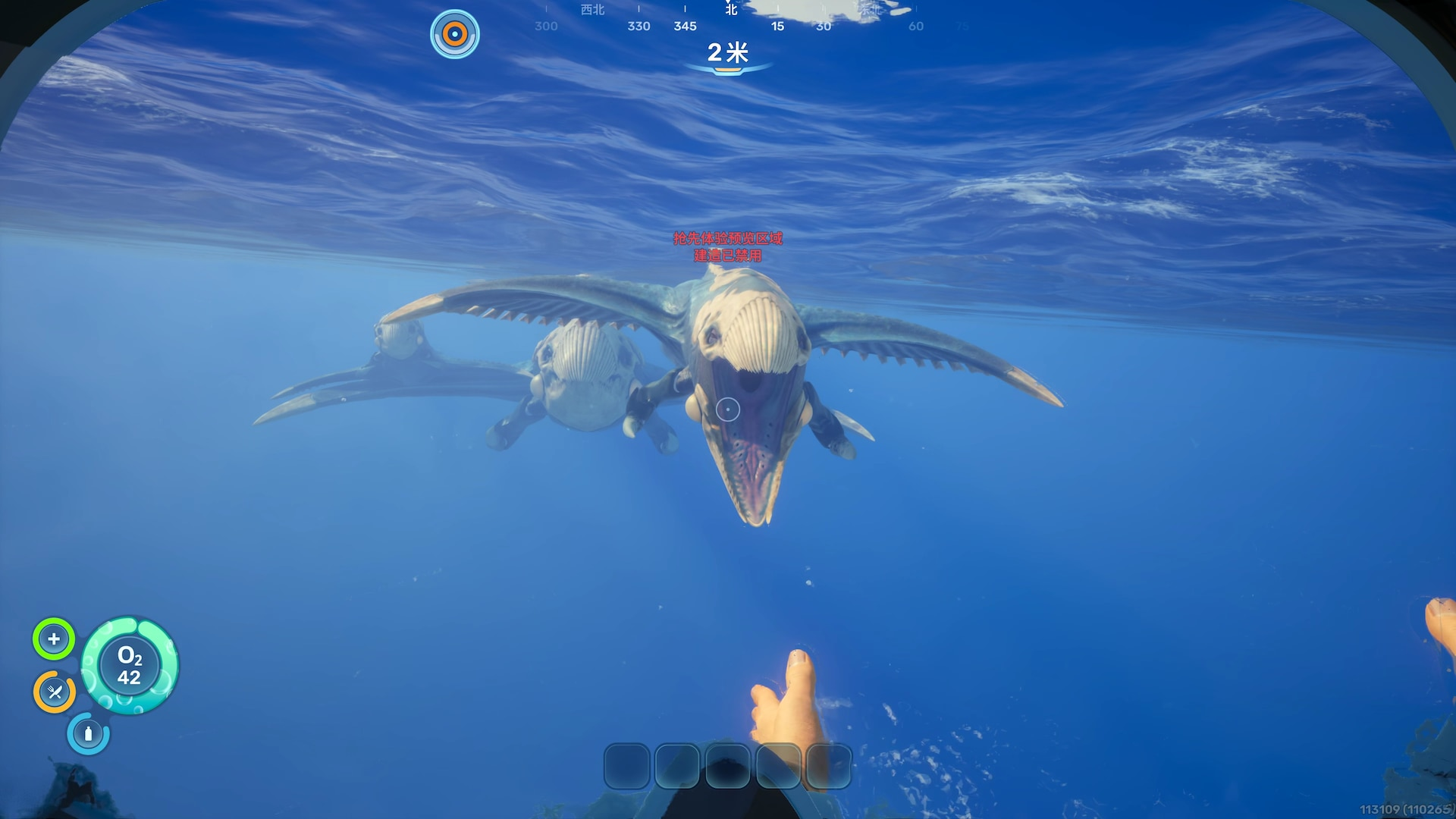
Five Leviathans are present at Early Access launch, including the Collector — the large, aggressive predator most players will want to avoid. A giant coral crab also appears in the deeper biomes. There are no weapons in Subnautica 2, so handling these creatures relies on tools like the Sonic Resonator, Distraction Flares, and stealth.
NOA, the silent protagonist, and isolation
You play a silent protagonist this time around, a deliberate change after Below Zero’s voiced lead drew criticism. Your only consistent companion is NOA, an AI you have to physically visit at a terminal to interact with. NOA cannot speak to you while you are out in the field, which keeps the sense of isolation intact even though the planet has a heavy human history.
NOA also drives the story forward through Blackboxes — flight recorder capsules left behind by the CICADA colonists. Each Blackbox triggers a postmortem playback of how that specific colonist died and unlocks new signals that point you toward the next location. There are 24 Blackboxes in the current Early Access build.
A self-contained story
You do not need to have played the earlier games to follow what is happening. The story is built to be fully self-contained, with callbacks for franchise veterans but no required background. Alterra is still in the picture as the corporate force behind the colony, which connects the sequel to the wider Subnautica universe, but the planet, the colonists, and the central mystery are all new.
For players who want extra lore, Unknown Worlds released an optional audio drama called Voices from Beyond on its official YouTube channel that fills in context leading into the events of the sequel.
The short version: forget 4546B. Subnautica 2 takes place on a new alien ocean world tied to the collapse of the CICADA colony, structured into multiple regions of biomes you navigate by landmark and compass rather than a built-in map. Early Access covers the first chapter of the story, with more regions, creatures, and content scheduled to land across the next two to three years of development.