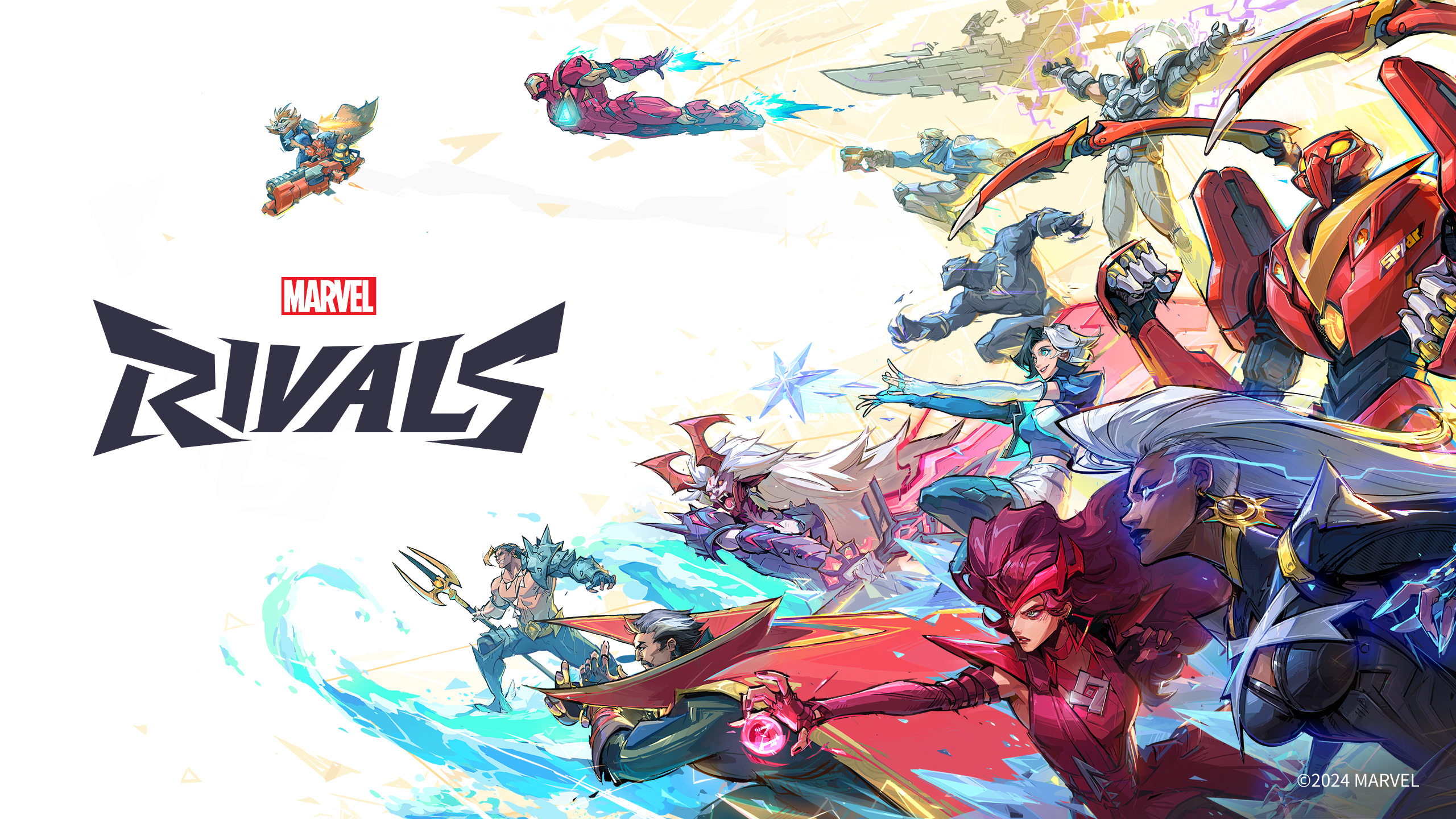
Marvel Rivals moves fast. NetEase’s 6v6 hero shooter cycles through seasons quickly, with short patch windows, monthly hero drops, and rapid balance changes that rarely let one strategy settle. That constant churn has changed how serious players treat the game. Locking a single comfort pick every match is now a liability, and keeping a broad, adaptable hero pool is the clearest competitive edge.
Quick answer: Build depth across multiple heroes within one role first, then extend that depth across all three roles. Players who can answer the enemy draft by swapping heroes climb faster than one-tricks, because frequent patches and short seasons routinely weaken whatever pick dominated last month.
No role queue means flexibility is built into the game
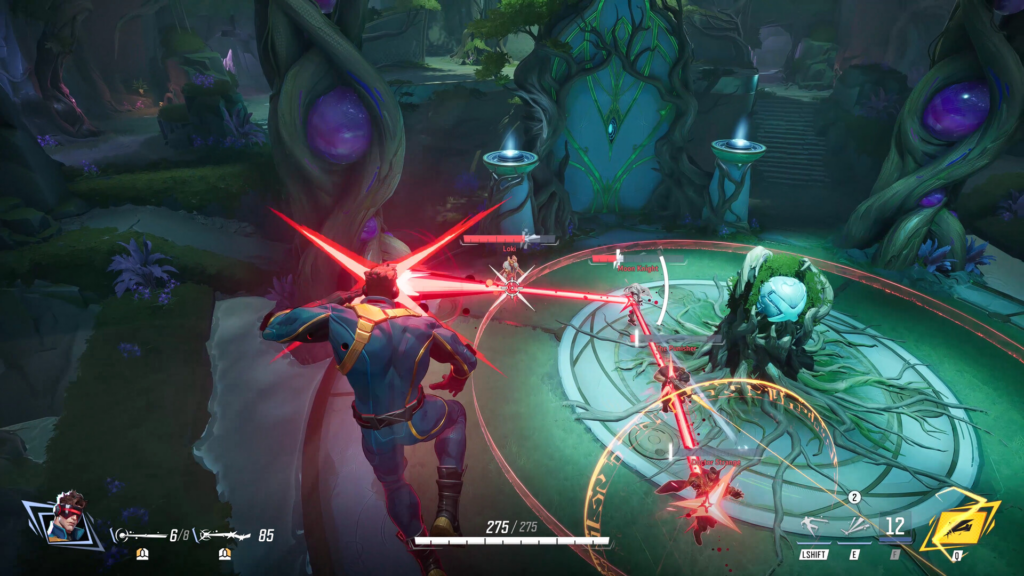
Marvel Rivals splits its roster into three roles. Vanguards act as tanks, hold space, and soak damage. Duelists are the damage dealers who hunt squishy targets. Strategists heal, buff, and control the battlefield. A winning squad usually wants a healthy mix of all three.
There is no role queue forcing a fixed blend of heroes onto each team. Creative director Guangyun Chen has said this was a deliberate choice to allow wider team composition and unrestricted team-up abilities. The trade-off is that team balance is on the players. If everyone locks Duelists, the squad has firepower, but no one to absorb damage or keep the team alive, and it collapses in team fights.
That is exactly why being able to slot into whatever your team lacks raises your value. A player comfortable across roles lets teammates take their strongest picks while still rounding out a balanced comp.
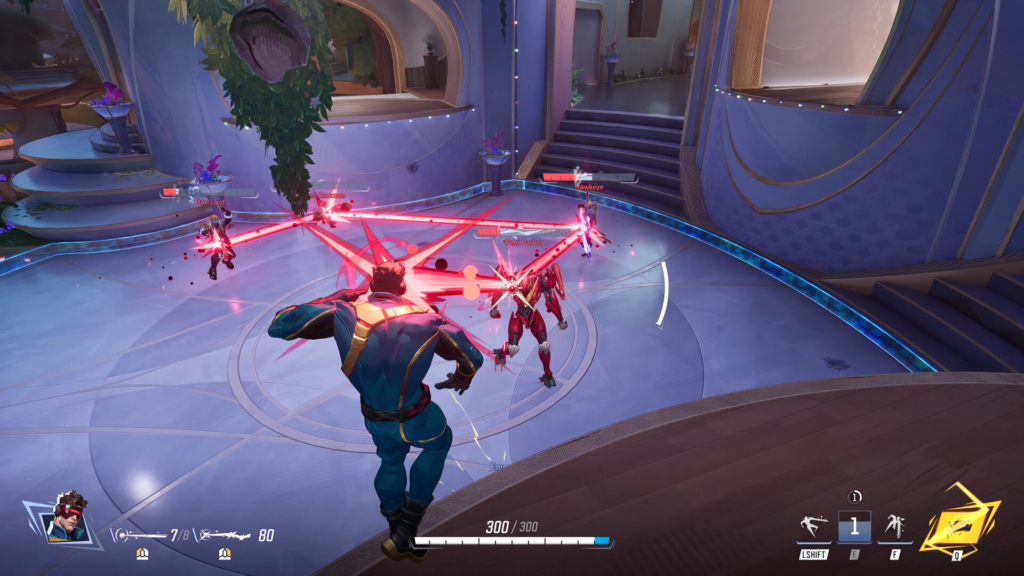
Why rigid one-tricks are losing ground
Specializing in one hero used to be defensible. You learned the kit, internalized the positioning, and leaned on the mechanical edge to carry games. That formula is shakier now. NetEase patches heroes often, so a pick that dominated last month can enter the next season noticeably weaker, leaving a one-trick stranded without a fallback.
Short seasons make it worse. When a season runs only around eight weeks, the data window feeding balance decisions is compressed, and win-rate swings get more dramatic. Players who pour everything into a single hero take a real risk every patch day. Those with a wider pool simply rotate to whatever the current meta rewards and keep climbing.
Flexing across roles also pays a second dividend. Learning Strategist teaches positioning and backline survival. Playing Vanguard teaches engagement timing and how to dictate the pace of a fight. Duelist play teaches target priority and aggression. Each role deepens your read on enemy behavior, which sharpens your main-role play even when you go back to it.
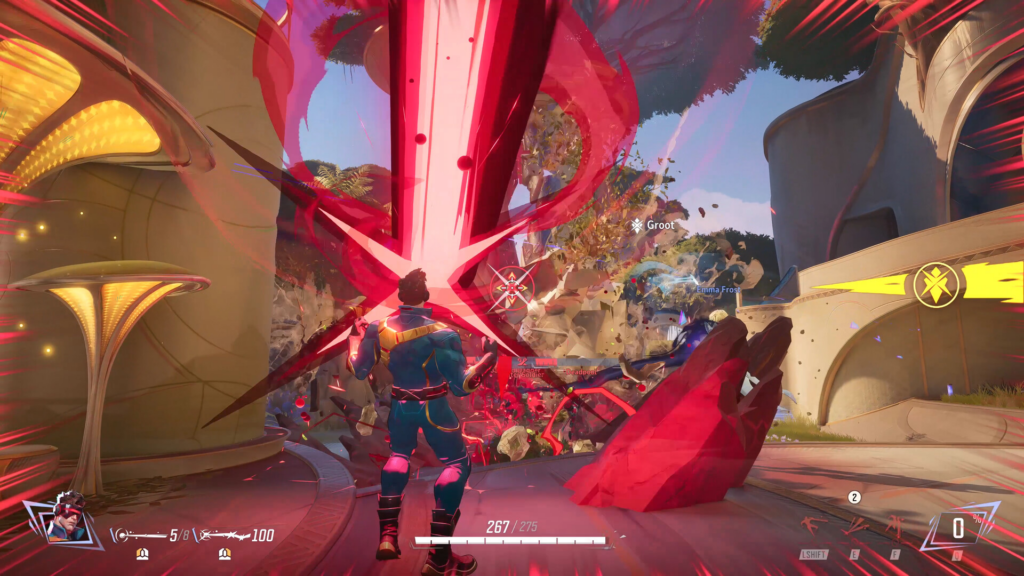
Heroes that fit multiple team compositions
The heroes sitting near the top of April 2026’s high-rank leaderboards share one trait. They slot into multiple team compositions without needing the rest of the roster built around them. They work in brawl, poke, or dive setups equally well, which is precisely what makes them safe picks across patches.
| Hero | Role | Why they stay flexible |
|---|---|---|
| Invisible Woman | Strategist | 58.64% pick rate at the One Above All tier; heals and damages while stealth enables disruption |
| Magneto | Vanguard | 54.94% pick rate, 52.81% win rate; shields self and allies, fits any composition |
| Gambit | Strategist | Cleanses, amplifies damage, and peels, working as tempo or protective support |
| Rocket Raccoon | Strategist | Beginner-friendly healing and revive utility from a safe distance |
| Doctor Strange | Vanguard | Largest shield in the game gives the team durable, reliable cover |
| Deadpool | Vanguard / Duelist / Strategist | Can change role mid-match by returning to spawn |
These pick and win rates reflect the highest competitive tier in April 2026. Heroes favored today can shift after a balance patch, which is the whole reason a broad pool matters.
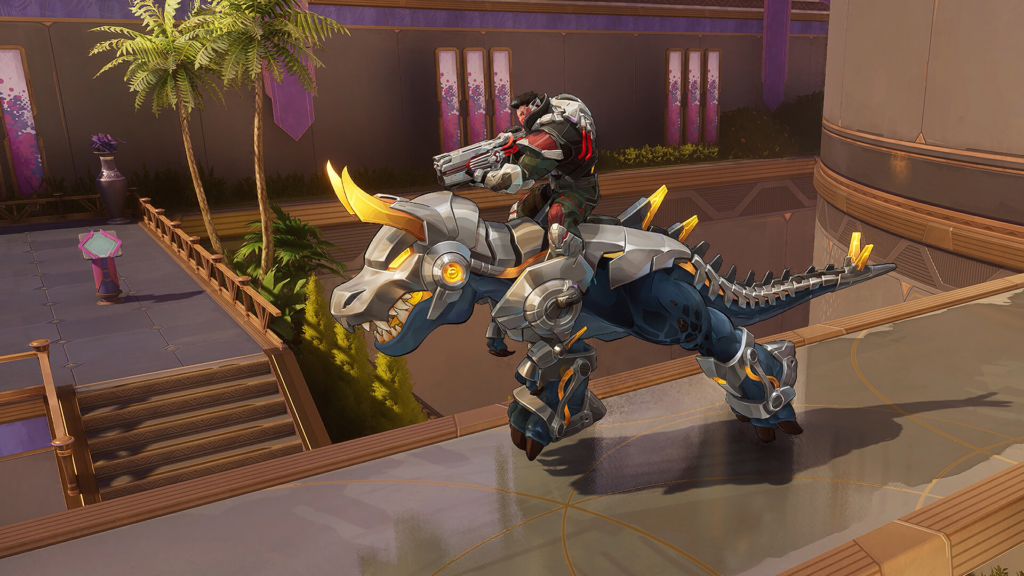
Image credit: NetEase
Deadpool’s mid-match role swap pushes flexibility furthest
Deadpool, added in Season 6 on January 16, 2026, takes the flexibility idea to its logical end. He can switch between Vanguard, Duelist, and Strategist roles mid-match by returning to spawn. No other hero on the roster changes role inside a single game.
That design is a signal. If future heroes keep blurring role boundaries by mixing tank durability with support utility or duelist damage with displacement tools, the meta will increasingly punish specialists who cannot pivot. Season 8’s balance direction already leans toward heroes with broad utility, reinforcing the idea that flexibility is a long-term competitive trait rather than a one-patch quirk.
How ranked play rewards hero swapping
Ranked mode is where flexible play shows its clearest edge. In high-elo lobbies, enemies draft with intent, target the weak link in a composition, and exploit heroes that only function in one specific setup. At Gold rank and higher, teams can also ban three heroes, so a rigid one-trick becomes a problem the moment an opponent bans or hard-counters their pick.
Teams that cycle heroes based on map geometry, enemy ultimate rotations, and choke-point control consistently beat squads that lock static comfort picks from draft to finish. The organized scene has settled on the same conclusion, prioritizing hero swapping, synergistic compositions, and role flexibility over raw mechanical dominance on a single hero.
Mid-match adjustments matter too. Switching heroes or roles between rounds lets a team counter an enemy strategy or fix an underperforming comp. Players who already have reps on multiple heroes can make that call with confidence instead of being stuck.
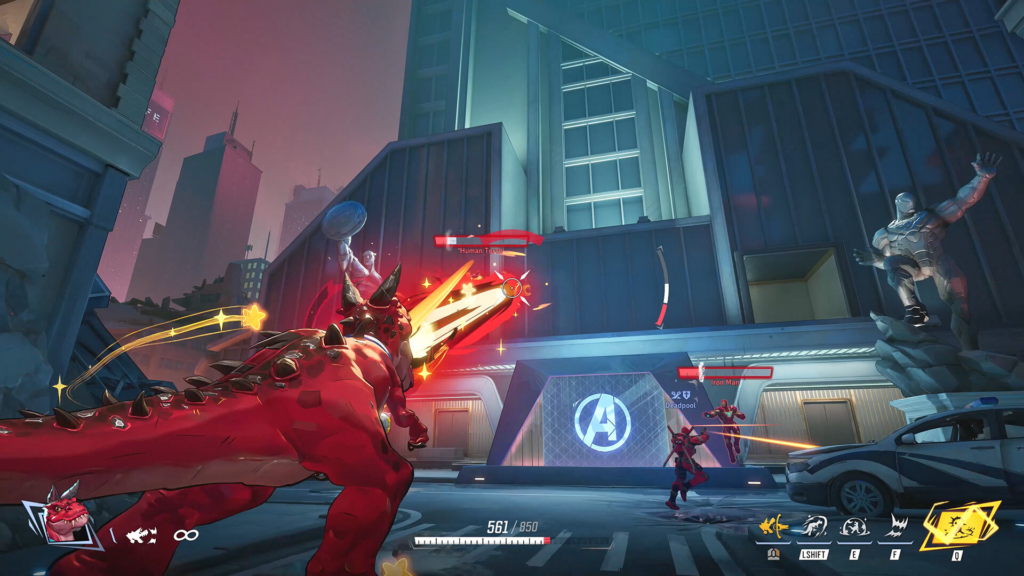
A practical way to build your pool
A workable target is two to three heroes in each role before chasing advanced techniques. That gives enough range to cover competitive scenarios without spreading your mechanical skill too thin. Flex picks make this easier because they carry over feel from one role to another.
- Spider-Man mains adapt quickly to Venom, since its single swing works much like familiar web movement while adding bulk.
- Strategists comfortable with projectile aim, like Mantis players, pick up Peni Parker’s kit fast.
- Dive Duelists used to Psylocke or Magik transition smoothly into Captain America for backline protection.
- Hard-maining Duelist players can fold in Mister Fantastic to open space like a Vanguard when the team lacks bulk.
NetEase has committed to an accelerated release schedule, adding a new character roughly every month from Season Three onward. The roster already sits past fifty heroes, and that pace means the meta keeps moving. The players who climb fastest treat their hero pool as something they keep growing, deepening knowledge within a role and then reaching across roles, rather than betting a whole ranked run on a single identity.