Inheritance, sometimes shown as Inherit, is how Aniimo lets you carry the work you put into one creature over to another. Instead of grinding a fresh capture back up from Level 1, you hand its progression to a better candidate and keep going. It is a progression-transfer tool, not a way to rebuild a creature from scratch.
Quick answer: Inheritance moves a trained Aniimo’s progression (EXP, Level, Resonance Stage, Star Rank, Capafruit use and Acquired Potential) onto a less developed creature in the same family for 20,000 Credits.
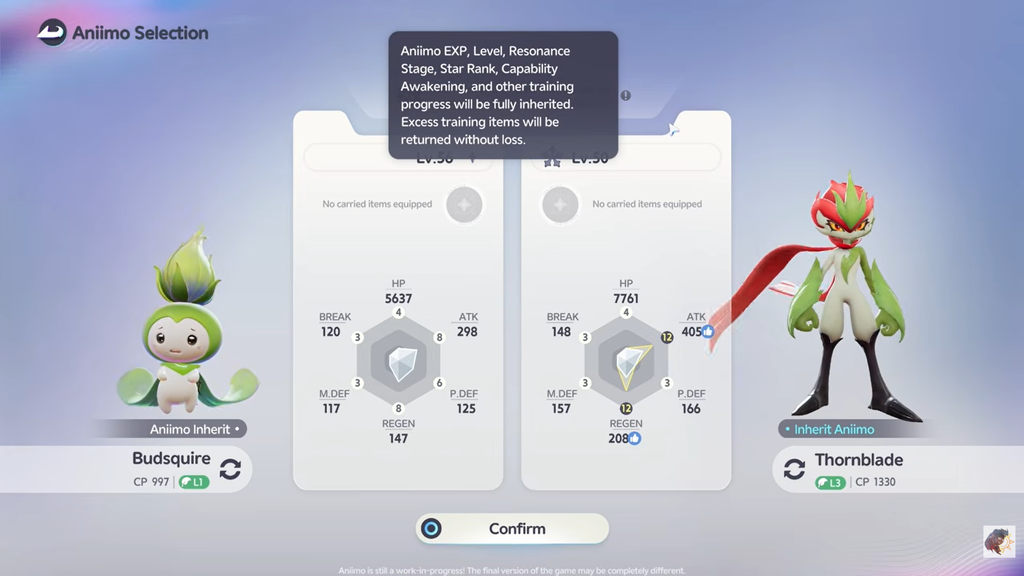
What Inheritance transfers
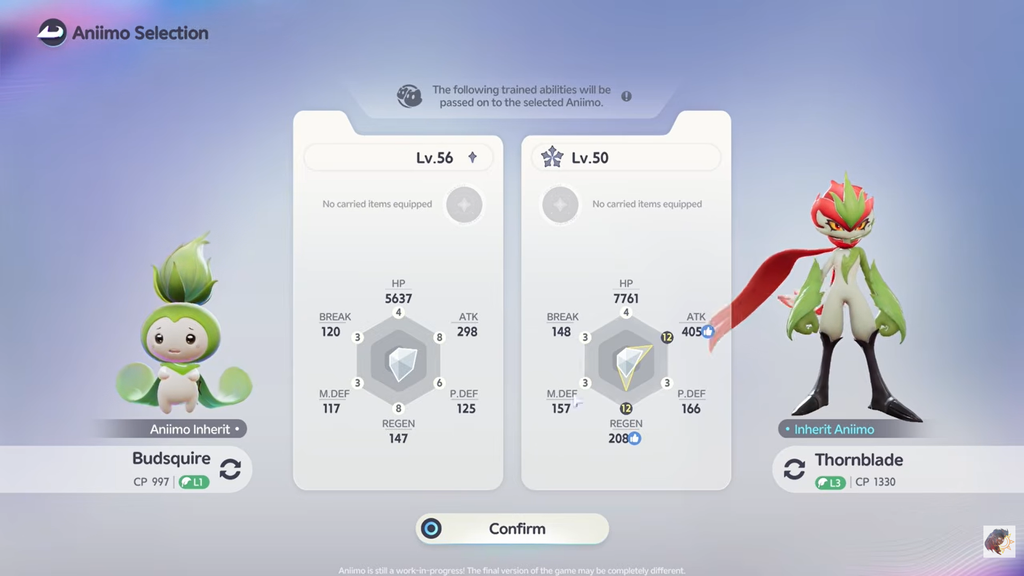
Inheritance treats your training as a single package. You do not pick upgrades one at a time. The whole trained profile moves from the more developed creature (the source) to the less developed one (the recipient).
- Experience
- Levels
- Resonance Stage
- Star Rank
- Capafruit consumption and effects
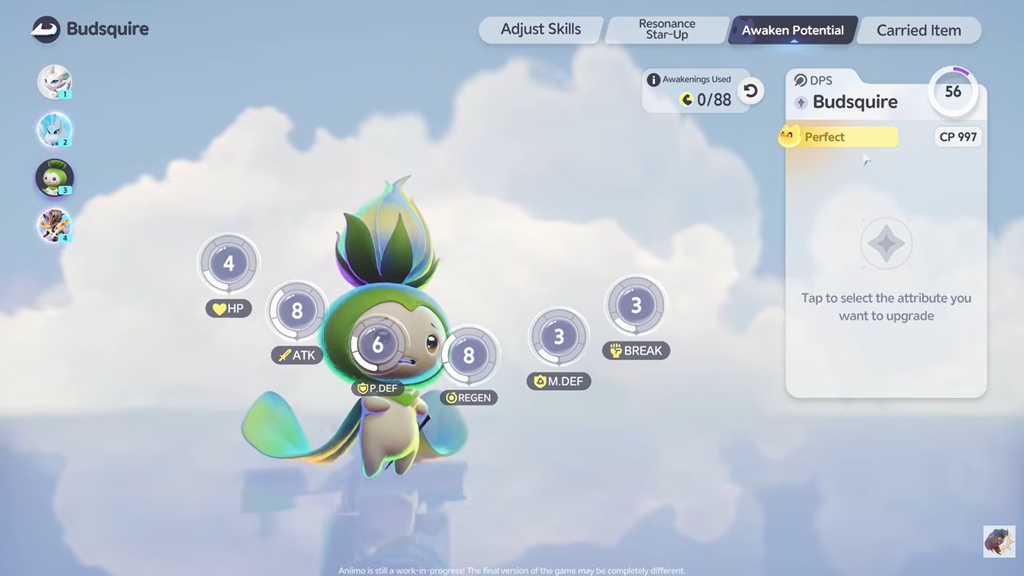
- Acquired Potential
When a transfer leaves behind training items that are no longer required by the profile, qualifying materials come back to you. As a result, reversing course costs less than it may seem.
Who can inherit from whom
The system is deliberately narrow. You cannot take the levels off any powerful creature and drop them onto whatever you like. Three conditions decide whether a pairing is valid.
- Both creatures must belong to the same family.
- The source must be more developed than the recipient.
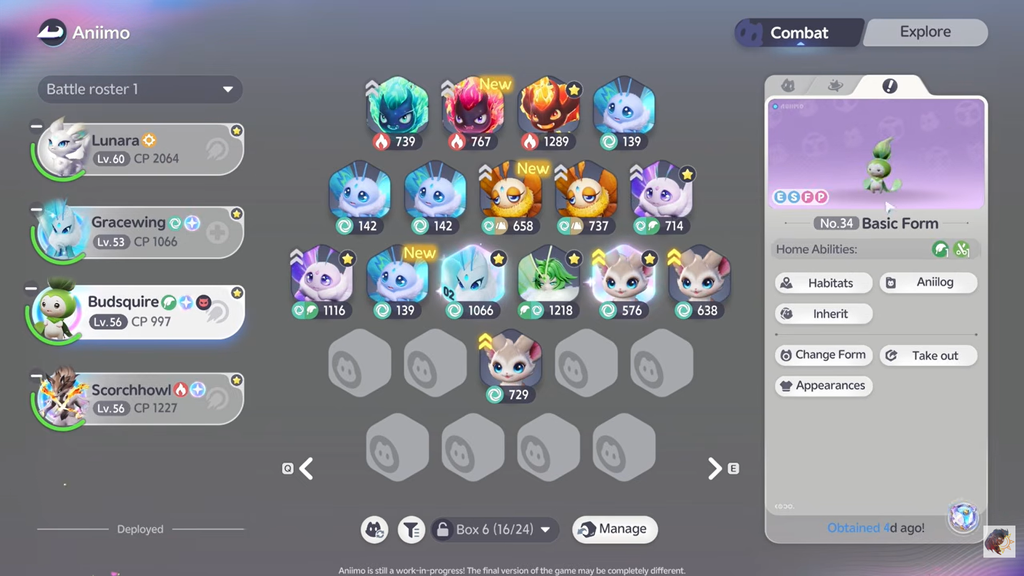
- Neither the combat party nor the exploration party can supply the source; remove it from those rosters first.
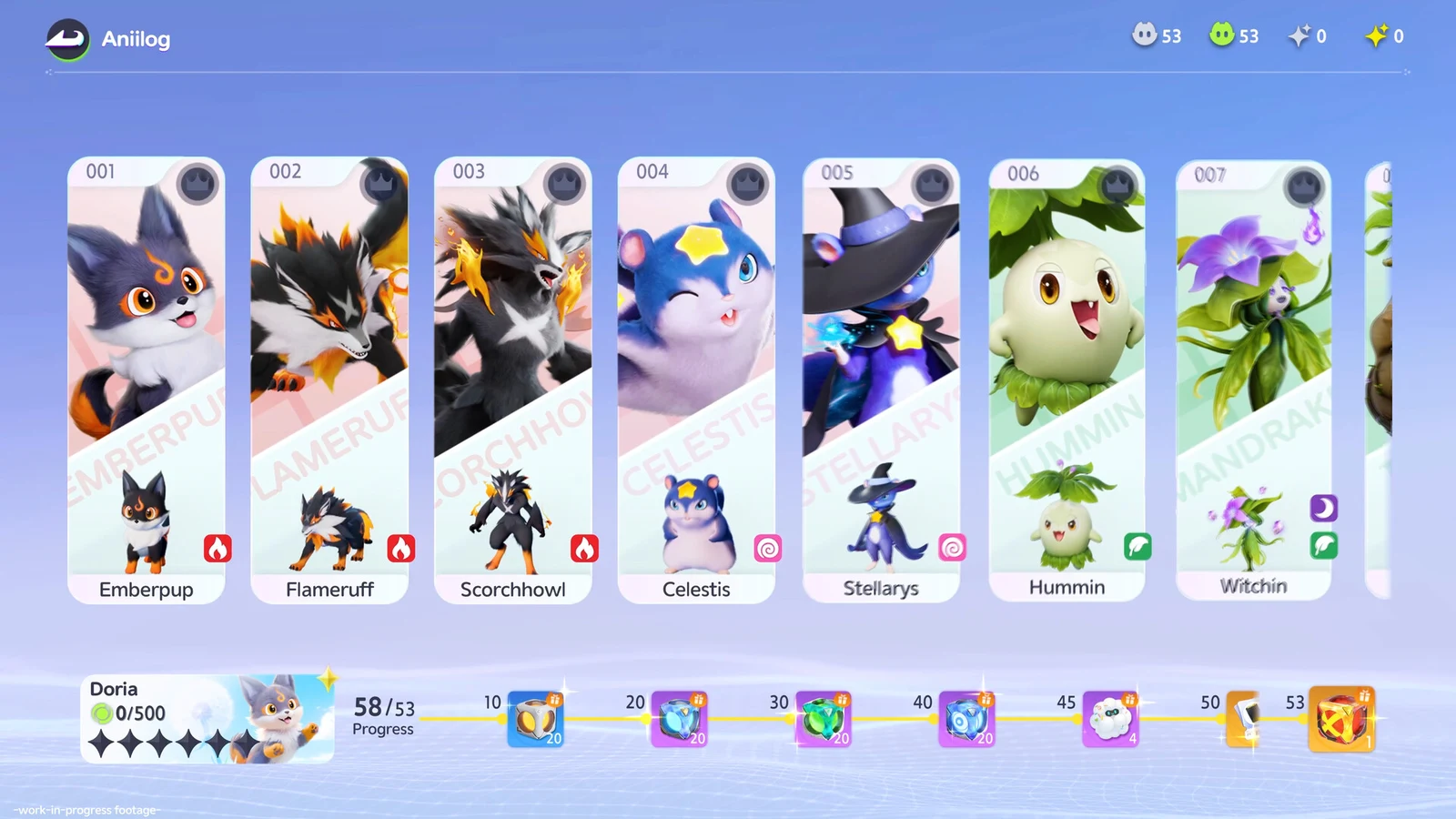
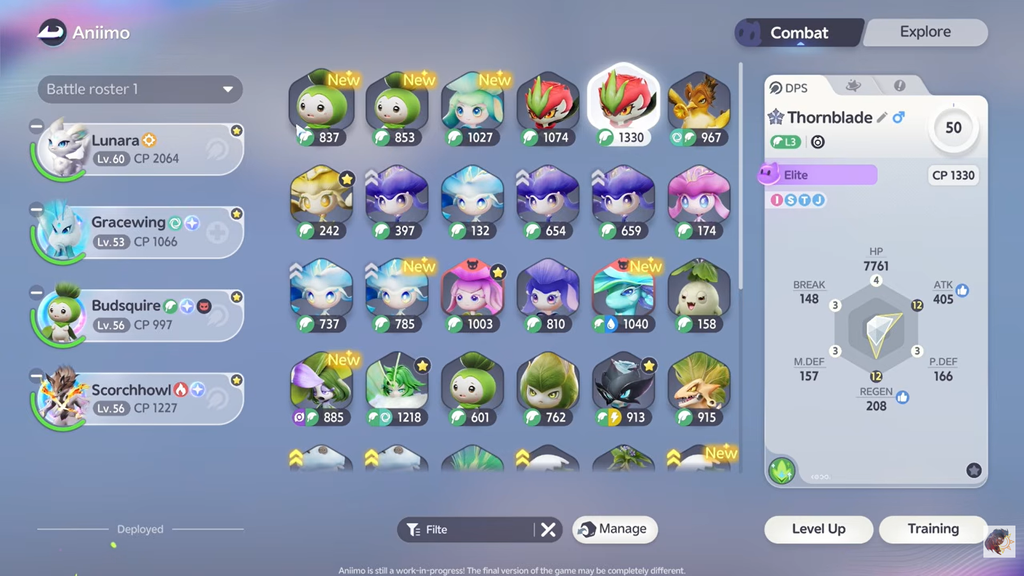
A family covers a whole evolutionary line, not just an exact name match. The Emberpup family, for example, spans Emberpup, Flameruff, Scorchhowl and Inferlupa, so progression can move between any of them. If a creature refuses to appear in the selection list, it is usually still on a party roster, already picked on the other side of the screen, or there is simply no training difference left to hand over.
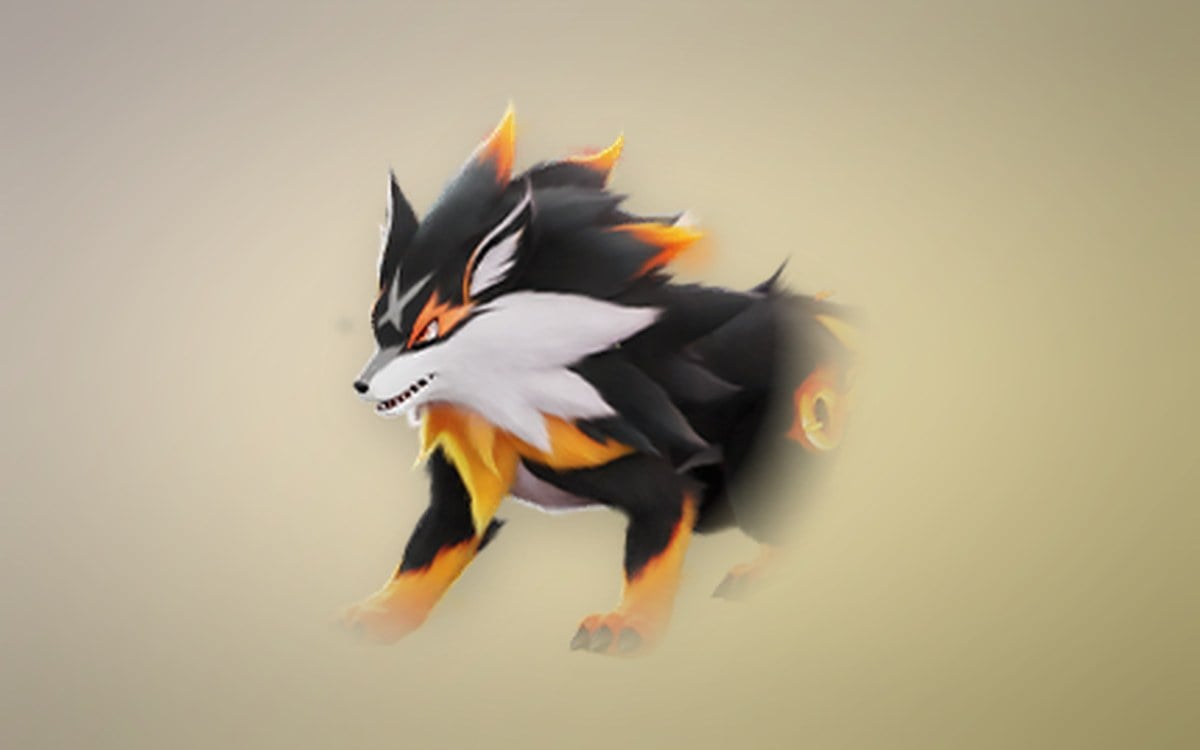
Because family, not name, is the test, you can raise the copy you have early and move that investment later when a stronger member of the same line turns up.
The Basic Irisalis exception
The same-family restriction has a single exception: Basic Irisalis may provide inheritance to a recipient belonging to another family. This depends on which creature is the source. It counts only when Basic Irisalis relinquishes its progression; Irisalis merely appearing in the transfer is not enough.
This is not a loophole that lets any two unrelated creatures swap training. Outside of a Basic Irisalis source, the same-family requirement still stands.
How to inherit stats, step by step
Nothing gets deleted, the profiles swap
Inheritance does not remove the source creature. Both Aniimo stay in your Collection afterward. What actually happens is that the two trained profiles trade places. The recipient takes on the source’s progression, and the source drops down to the recipient’s former state.
| Creature | Before | After |
|---|---|---|
| Source | Level 55 | Level 45 |
| Recipient | Level 45 | Level 55 |
You will know it worked when the levels and the rest of the eligible progression have switched between the two creatures, and both remain in your Collection. The same swap logic applies to Resonance Stage, Star Rank and the other transferred fields.
What Inheritance does not do
The recipient stays its own creature. Inheritance moves training, so it leaves a creature’s core identity untouched. It will not change a species, rewrite Personality, replace Skills, turn one family into another, or copy across a natural Potential roll.
That is exactly why the same-family rule exists. The point is to shift the hours you already spent onto a better candidate, most often when you catch a Perfect Potential creature after investing in an Elite from the same line. Weigh the 20,000 Credits against how much leveling and Resonance training you would otherwise repeat, and the fee is easy to justify on a heavily developed source.