
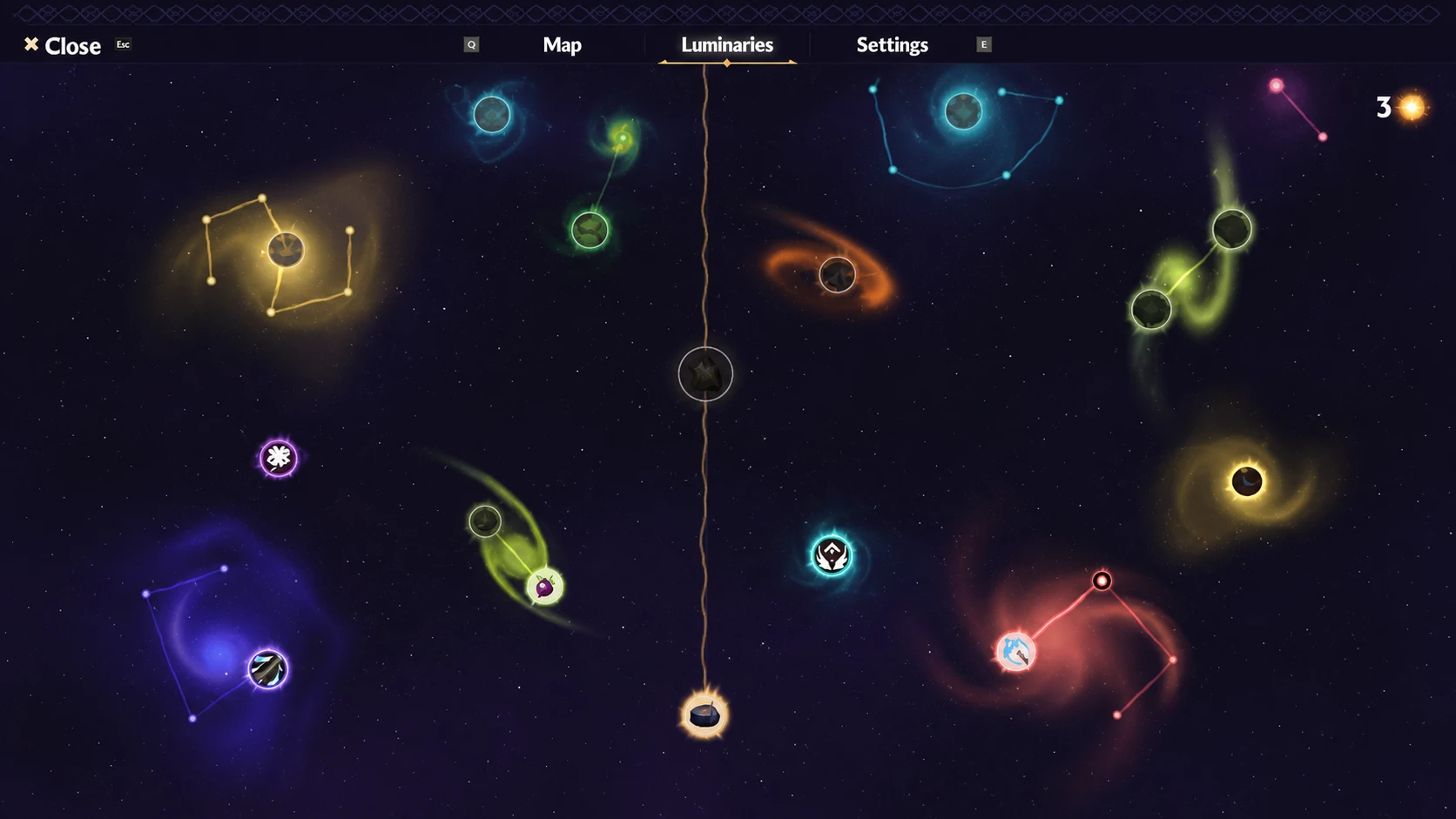
Luminaries are the progression system in Witchspire that decides what you can build, craft, and unlock next. Each node can hand you an ability, a recipe, a workstation, a movement upgrade, or a decoration. The part that trips up most players is that buying a node takes more than spare points. Your main Hearth level and, in some cases, a skill level decide whether the node is even available to purchase.
Quick answer: Spend Luminary Points on nodes, but raise your main Hearth level to unlock the major branches first. Earn extra points by activating Luminary Shrines while exploring, then buy the station that removes your current blocker, in this rough order: Hearth, Vigor, Furnace, Small Farming Plot, Witchcraft Circle, Spirit Charmer, Spinner, and Simple Broom.
Points versus gates: the two halves of the system
The cleanest way to read Luminaries is to separate the currency from the locks. Luminary Points are what you spend. Your Hearth level and skill requirements decide which nodes accept that spending. It is not purely a level-up tree, and it is not purely a base-upgrade tree. It is both at once, so a node can be visible yet unbuyable until you upgrade your Hearth.
| System | What it controls |
|---|---|
| Luminary Points | The currency you spend to unlock nodes |
| Normal progression | Main way points arrive over time during play |
| Luminary Shrines | Extra points found while exploring the world |
| Main Hearth level | Gates major branches, stations, and build range |
| Skill requirements | Some nodes need a skill level, such as Bonding Skill for Spirit Charmer |
When a useful node looks missing or blocked, check two things in order. First, confirm you have enough Luminary Points. Second, confirm your main Hearth level and any required skill are high enough. One of those two is almost always the reason.
Where Luminary Points come from
Normal progression is the steady drip. As you play and gain levels, points arrive over time, which means your speed at earning experience sets your speed at buying nodes. The exact triggers can shift during Early Access, so treat the pace as a guideline rather than a fixed rule.
Quests and combat are the reliable experience faucets. Finishing optional tasks often pays extra rewards on top of the main objective, and clearing enemies near your own level keeps the experience flowing without high risk. Fighting creatures far above your level usually costs more time than it returns, so avoid those until you are equipped for them.
Luminary Shrines for extra points
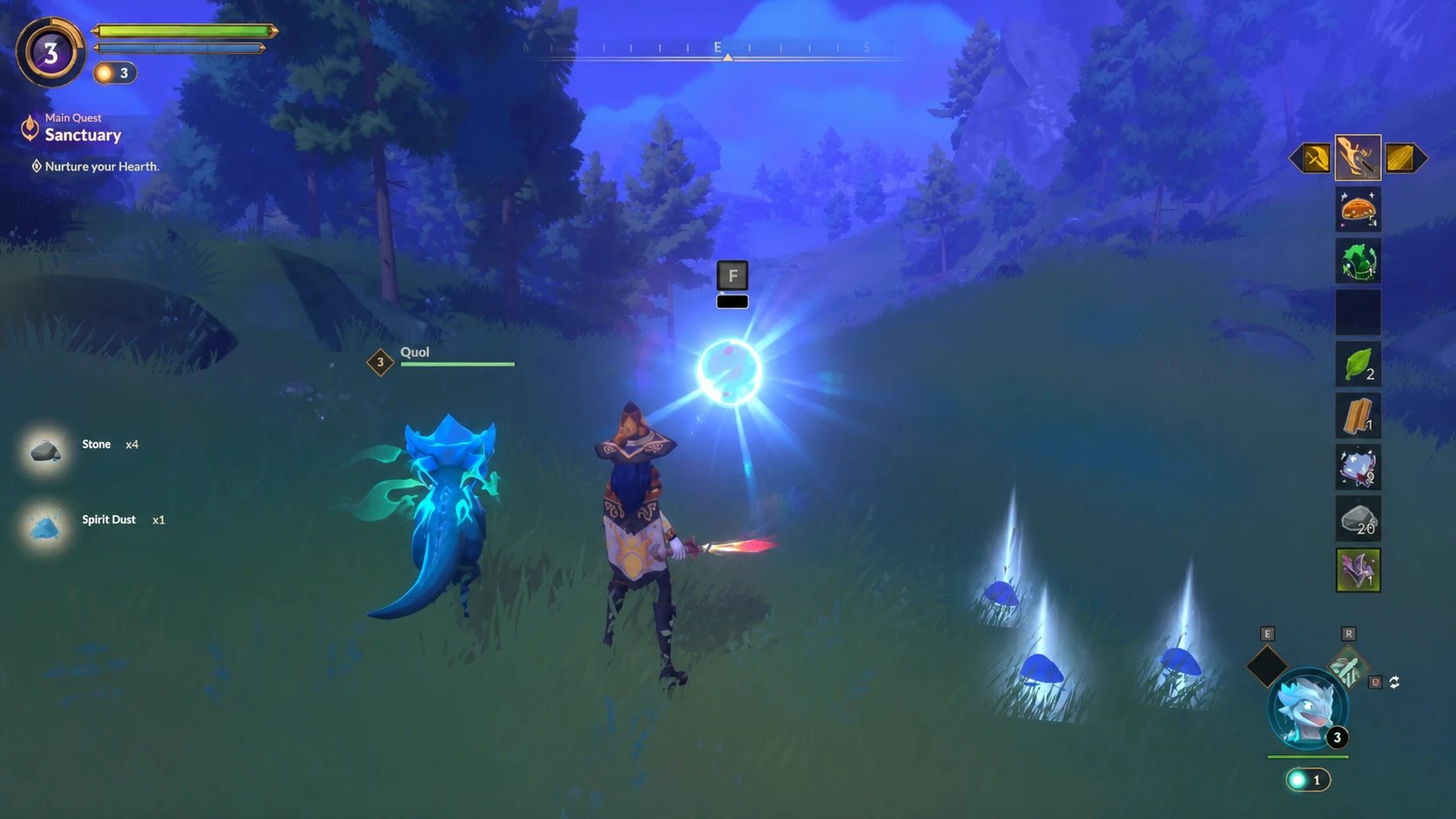
Luminary Shrines are the fastest way to top up beyond normal progression. Each one you activate grants an extra Luminary Point, so they let you afford more nodes without waiting on level-ups. They appear as small shrine-like structures with a clear magical glow. Activate every one you find rather than walking past it.
Main Hearth versus secondary Hearths
Not every Hearth does the same job, and only one of them drives Luminary progression. Your main Hearth is the center of your base. It controls build range, the major Hearth upgrades, and access to the higher Luminary branches. Other Hearths are useful as travel anchors and safe return points, but they will not advance the tree.
| Hearth type | Main purpose | What to do with it |
|---|---|---|
| Main Hearth | Base progression, build range, higher Luminary gates | Upgrade this for major unlocks |
| Abandoned Hearth | World anchor or early route marker | Activate when useful |
| Secondary Hearth | Travel point and safe return | Use for map movement, not progression |
| Hearth teleport route | Faster travel between known Hearths | Use once Hearth travel is available |
Upgrade the main Hearth whenever you want a new progression branch to open. Keep secondary Hearths for movement, safety, and teleport routing.
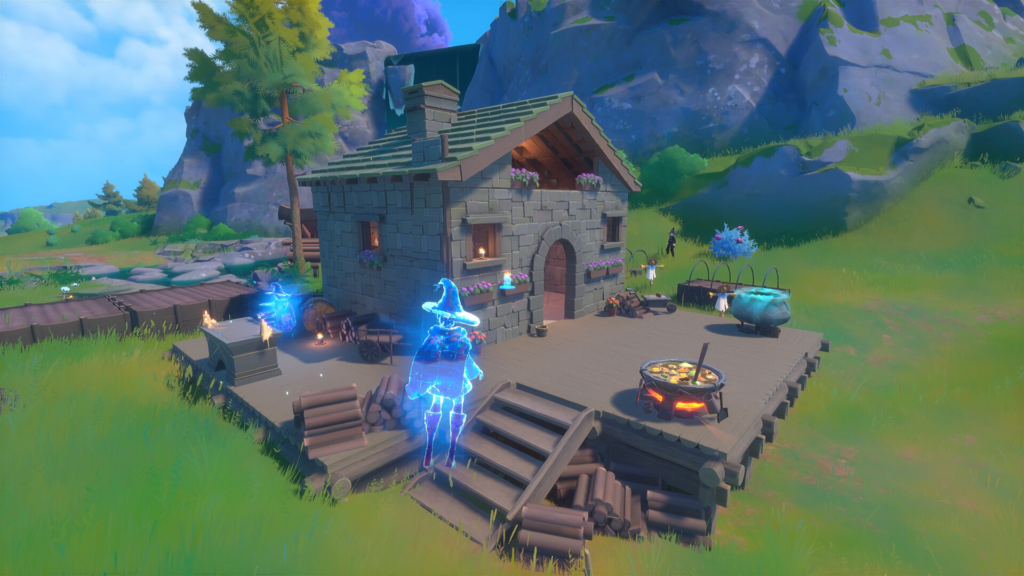
Hearth level unlock table
Node positions can move during Early Access, but the dependency pattern is stable. Raise the main Hearth, then spend points on the station or upgrade that clears your current blocker. The table below shows what each Hearth stage opens up.
| Hearth stage | Key unlocks |
|---|---|
| Starting Hearth | Hearth node, early weapon recipes, Vigor, Basic Cooking, Luck, Simple Home set |
| Hearth Level 2 | Small Farming Plot, Furnace, Pickaxe and early tool route |
| Hearth Level 3 | Witchcraft Circle, Spirit Charmer path, ritual crafting route |
| Later Level 3 route | Spinner and fiber-processing path |
| Hearth Level 4 | Simple Broom route for flight |
The decision at each step is not which node is best forever. It is which node removes the wall in front of you right now. If farming is the problem, unlock farming. If a Hearth upgrade demands Ritual Candles, unlock Witchcraft Circle. If travel is the problem, push toward the broom.
Early Luminary priorities
You do not need every early node straight away. Buy the ones that open new systems first, then circle back for stat and comfort upgrades. Avoid spending points on purely cosmetic nodes when your next Hearth upgrade is blocked by a station you have not unlocked.
| Priority | Node | Why it matters |
|---|---|---|
| 1 | Hearth | Starts base expansion and the progression gates |
| 2 | Vigor | Adds an extra jump-style charge for smoother movement |
| 3 | Basic Cooking Recipes | Makes food more effective as healing |
| 4 | Furnace | Turns ore into ingots and starts metal processing |
| 5 | Small Farming Plot | Starts crop growth and seed-based planning |
| 6 | Witchcraft Circle | Unlocks Ritual Scrolls, Candles, and magical crafting |
| 7 | Spirit Charmer | Makes familiar bonding more reliable |
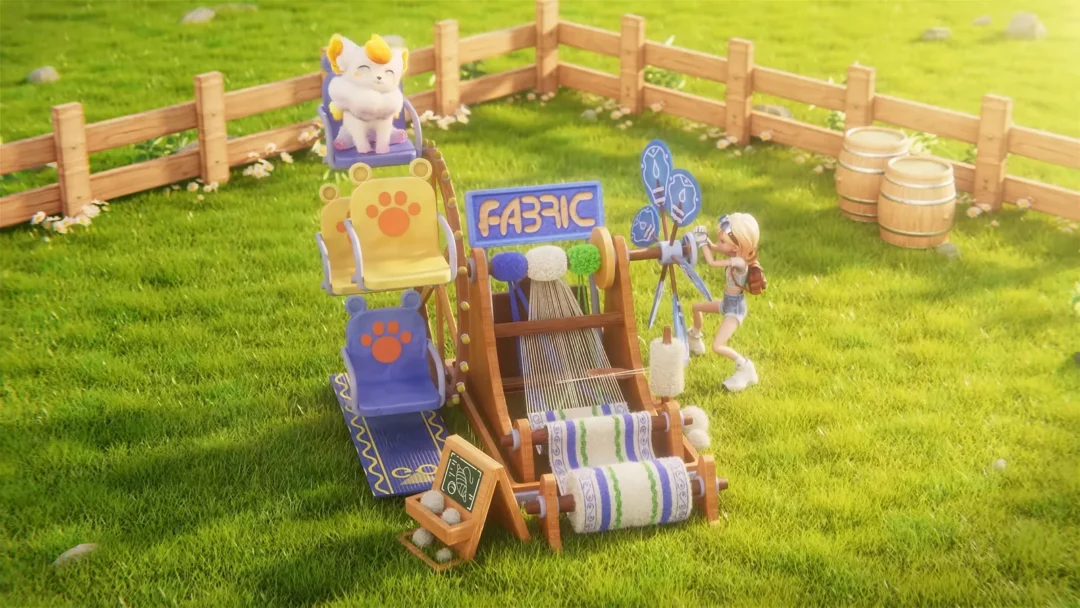
| 8 | Spinner | Opens cotton, thread, and fine-string processing |
| 9 | Simple Broom | Unlocks the flight route after Hearth Level 4 |
Vigor as an early movement pick
Vigor is one of the strongest early picks because it improves how you move. In current builds it gives an extra jump-style charge, which makes cliffs, ruins, and uneven ground far easier to cross. It does not replace broom flight, but it removes a lot of the stiffness while you are still traveling on foot. Take it early if movement is slowing you down, but solve a station or material blocker first if one is active.

Furnace: unlock cost and build materials
Furnace is one of the first stations that changes your whole material route, because it lets you smelt ore into ingots instead of only gathering raw stone and metal. Unlocking the node only gives you the building recipe. You still have to place the Furnace from Build Mode before any smelting starts.
| Furnace detail | Value |
|---|---|
| Hearth requirement | Hearth Level 2 |
| Luminary Point cost | 1 Luminary Point |
| Unlocks | Furnace building recipe |
| Build materials | 5 wood/logs + 10 Stone + 1 Cinderbloom |
| Function | Smelts ores into ingots |
| Familiar help | An assigned familiar greatly speeds it up |
Small Farming Plot and the farming unlock
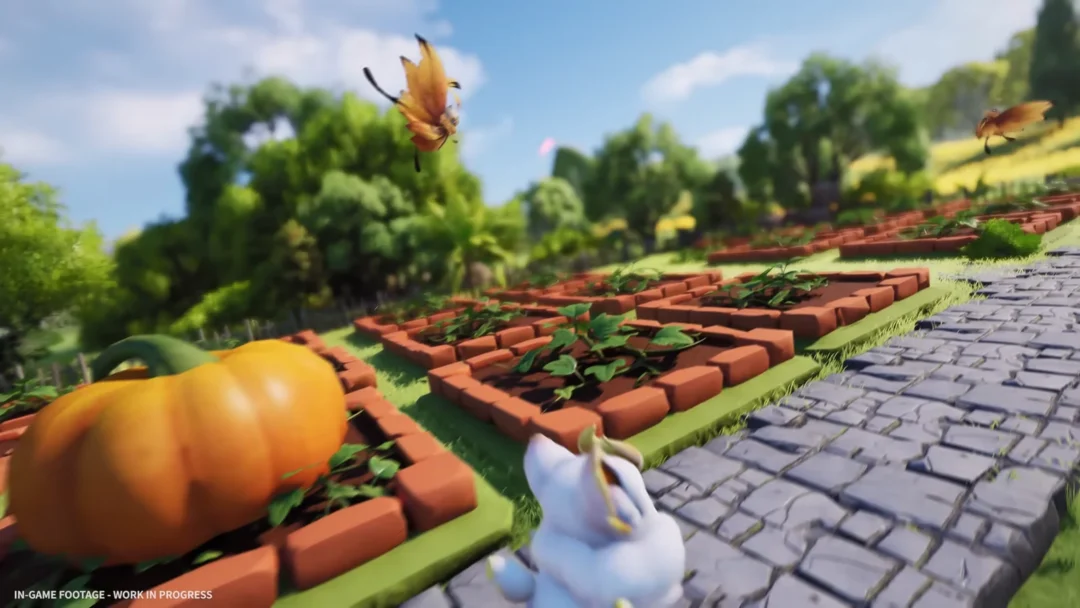
Witchspire opens with gathering and fighting, so farming is easy to overlook. The Small Farming Plot becomes available around Hearth Level 2 and gives you a steadier supply of useful plants once you start planting seeds.
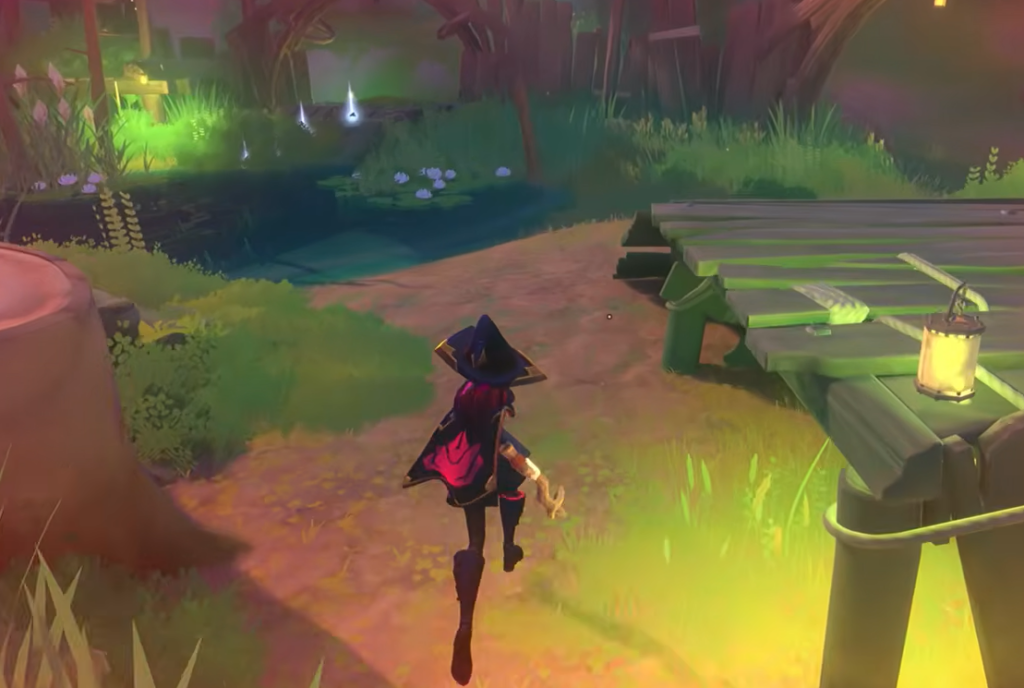
Witchcraft Circle and Simple Ritual Candles
Witchcraft Circle is the gateway to magical crafting. It opens the route to Ritual Scrolls, Ritual Candles, and other ritual items. The reason it matters so much is that later Hearth upgrades can directly demand Simple Ritual Candles, and that requirement looks confusing if you have not built the Circle yet.
When a Hearth upgrade asks for Simple Ritual Candles, stop searching your Workbench for a fix. The candles come from the Witchcraft Circle route, so the real blocker is access to that station, not random resource farming. Reading Hearth requirements this way saves a lot of wasted effort, because the requested material almost always points to the system you have not unlocked.
| Hearth upgrade asks for… | Where it comes from |
|---|---|
| Simple Planks | Workbench and the wood route |
| Spirit Dust | Familiar-type creatures |
| Simple Ritual Candles | Witchcraft Circle |
| Tear of Al’uun | Main story and boss progression |
| Fine Wood | Logging Sickle and Fine Wood trees |
| Cotton or thread materials | Spinner and a compatible familiar |
Spirit Charmer and familiar progression
Spirit Charmer is the familiar-focused Luminary path. Its first node requires Hearth Level 3 and Bonding Skill Level 5, then improves the chance that spirits linger after you defeat familiar-type creatures. That makes it valuable only once you are actively collecting familiars.
| Take Spirit Charmer when… | Delay it when… |
|---|---|
| You are hunting more familiars | You are still blocked by Workbench, Hearth, or Witchcraft Circle basics |
| You use Simple Spirit Incense often | You rarely fight familiar-type creatures |
| You want rare or specific familiar attempts | You have not met the Bonding Skill requirement |
| You need station-compatible familiars | You have not unlocked the relevant station |
How to confirm a node unlocked correctly
After spending a point, the node changes state in the Luminary menu and the new system becomes usable. Station nodes such as Furnace and Witchcraft Circle add a building recipe rather than placing the station for you, so the confirmation is the recipe appearing in Build Mode. If a node still will not accept a purchase, the cause is almost always one of two things. Either you are short on Luminary Points, or your main Hearth level or required skill has not reached the listed threshold.
Keep that loop in mind, and Luminaries stop feeling random. Earn points through quests, combat, and shrines, raise the main Hearth to open each branch, then spend on the single station that clears whatever is blocking your next Hearth upgrade.