

In Meccha Chameleon, the seeker has the hardest job in the room. Hiders paint themselves to match walls, crates, and floors, then freeze while the clock runs down. Winning as a seeker is not about luck or spray-and-pray shooting. It comes down to reading the room, spotting small mistakes in a disguise, and clearing space in a way that never wastes time. The online hide-and-seek game from solo developer lemorion_1224 rewards observation far more than reflexes, and these seven habits will help you tag more players before the timer beats you.
Quick answer: Hunt for shapes, shadows, and reflections that don’t fit the room, search the map zone by zone, and only shoot after you’ve inspected a target up close, since missed shots cost you health.
1. Hunt shapes and outlines, not colors
The human eye locks onto a player outline faster than it notices a slightly wrong color. Good hiders know this, so they crouch, lie flat, or pull awkward emotes to break their silhouette. Your counter is to scan for the shape of a person first. A rounded edge where the wall should be straight, a bump on a flat floor, or limbs that don’t match the furniture around them are all clues a hider is sitting right in front of you.
Train yourself to question any outline that looks even slightly off. A flawless paint job on an obvious body shape still gives the player away once you know what to look for.

2. Read the lighting for disguises that don’t add up
Color is only half of a strong disguise. Skilled hiders shade their body to match the room’s light source, brightening the side that faces the light and darkening the side in shadow. Beginners skip this and leave themselves one flat tone, which makes them look like a painted cutout instead of part of the scene.
Use that to your advantage. Look for a shadow falling in the wrong direction, a dull surface that suddenly shines, or a reflection that doesn’t fit the rest of the environment. Lighting that doesn’t behave like everything around it is one of the clearest tells that a hider is in the spot.
3. Search the map in zones, not at random
Wandering the map and doubling back over cleared areas is the fastest way to run out of time. Split each map into sections and clear them one at a time so nothing gets overlooked. A consistent route also tells you where hiders cannot be, which narrows down where they must be as the round goes on.
Build a sweep that covers the places hiders favor in a fixed order.
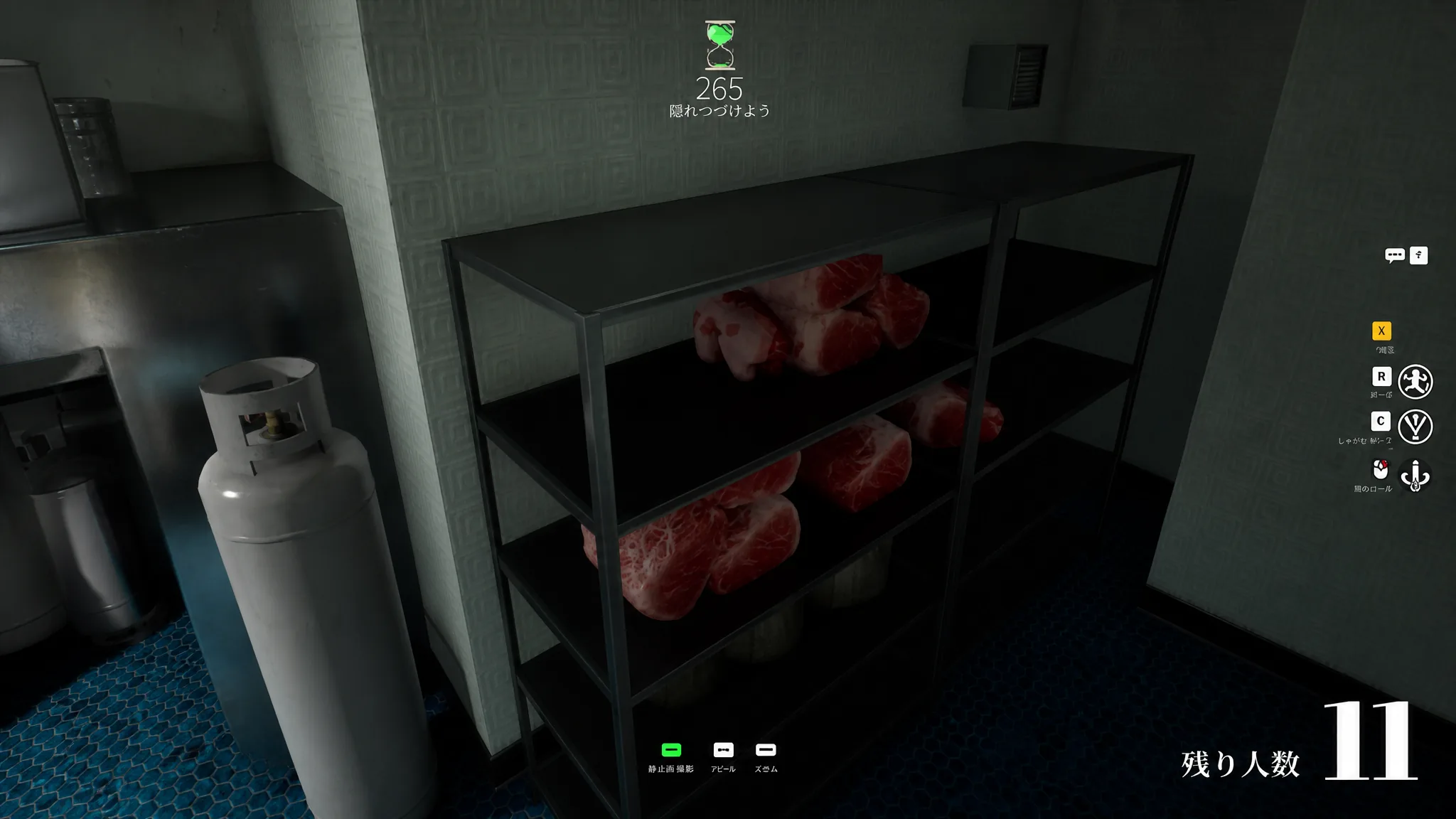
- Corners and tight nooks
- Shelves and elevated ledges
- Floor-level objects and clutter
- Furniture, crates, and decorations
- Known common hiding spots
4. Memorize the common hiding spots
The same locations get reused match after match. Some players pick them because the spot feels safe, others because they don’t know the map well yet. Either way, those repeat spots are free tags for a seeker who remembers them.
The quickest way to learn them is to play a few rounds as a hider first. Once you know where camouflage looks best from the inside, you’ll know exactly where to check first when you switch sides. Make those spots your opening checkpoints so you can spend the rest of the round on harder hides.
5. Check corners and walls carefully
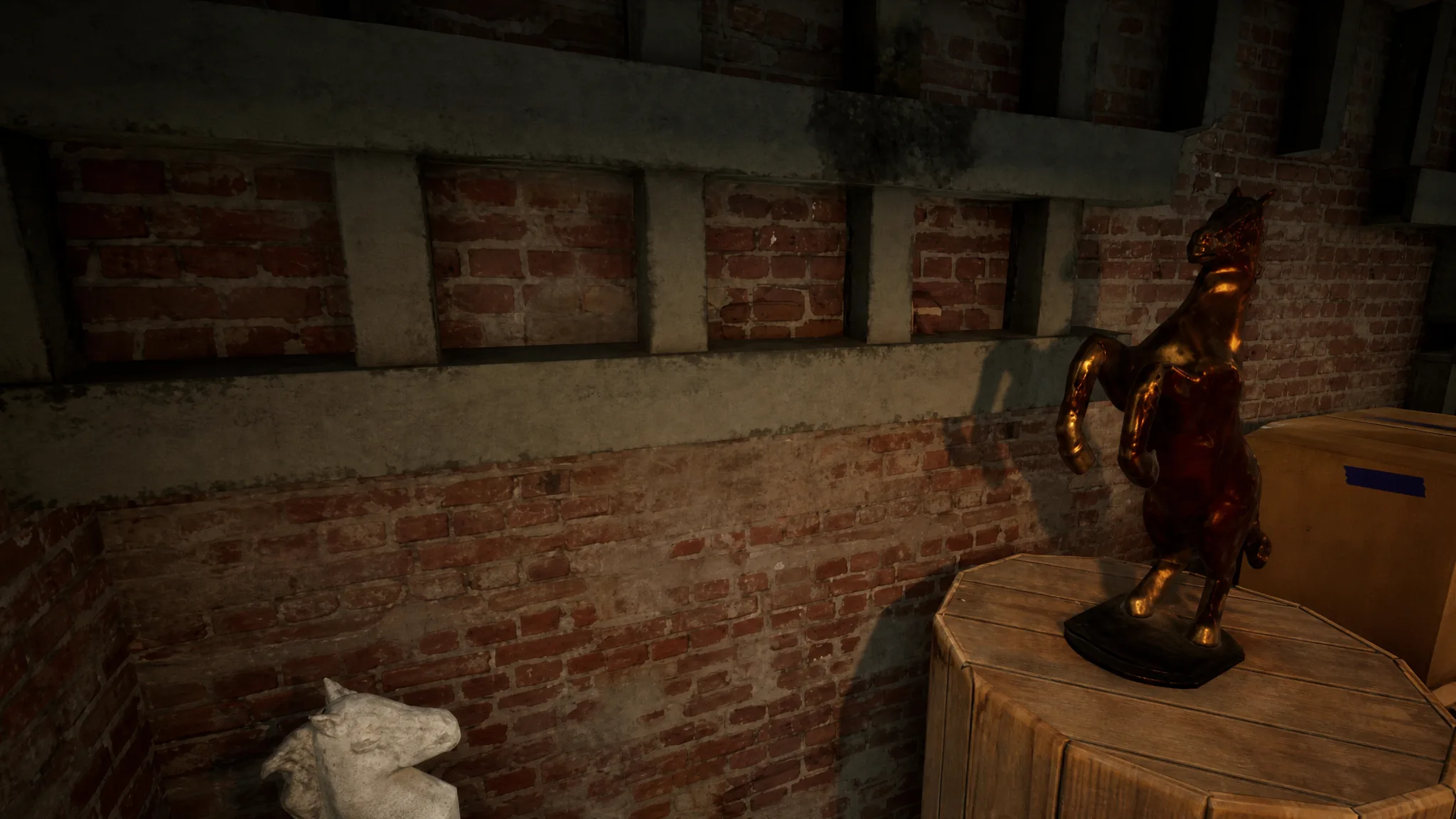
Plenty of hiders flatten themselves against a wall or tuck into a corner because those spots draw less attention. That makes them worth a slow, deliberate look every time. A blank wall actually works against a hider, since it gives you a clean background to read their outline against. A corner where the colors don’t quite line up, or a patch that looks too smooth, often hides a player.
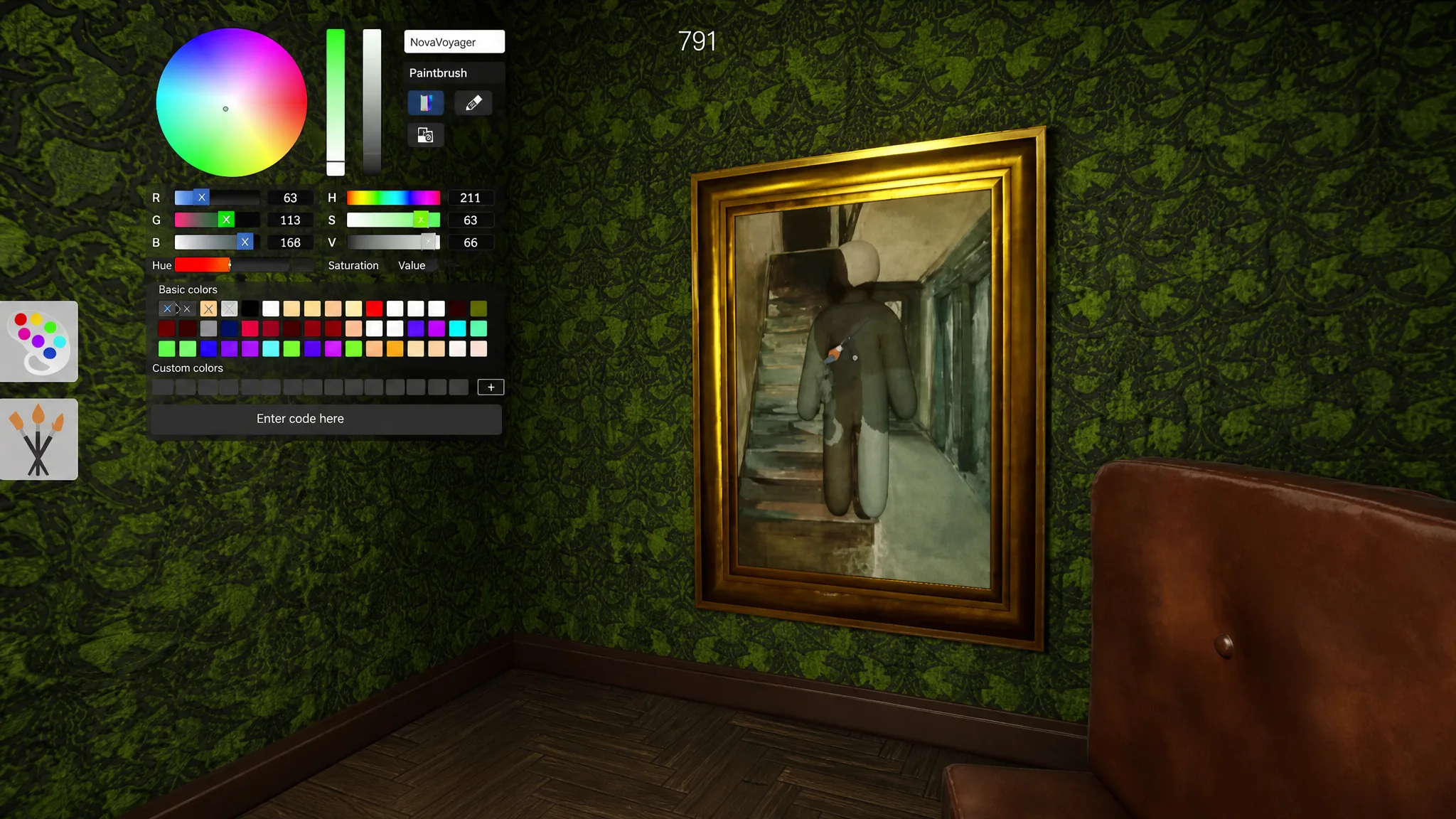
Question objects that seem too perfect as well. A painting, shelf, or crate that looks slightly cleaner or sits at an odd angle compared to the rest of the room may be a disguised player rather than scenery.
6. Inspect before you shoot
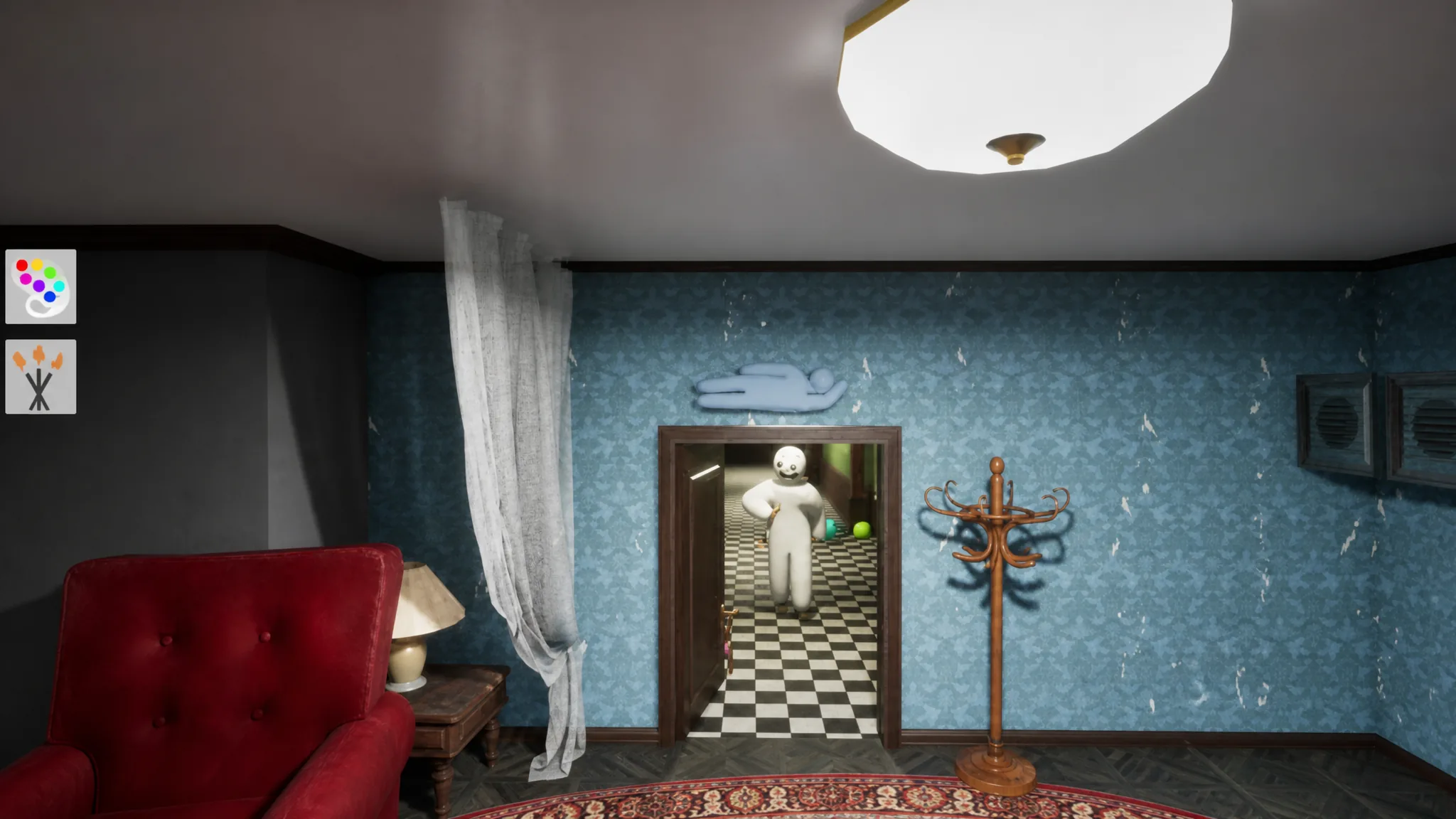
Firing at anything that looks vaguely odd is a losing habit. A miss costs you health, and a string of bad shots can take you out of the round before you’ve cleared the map. Treat every trigger pull as a decision you have already verified.
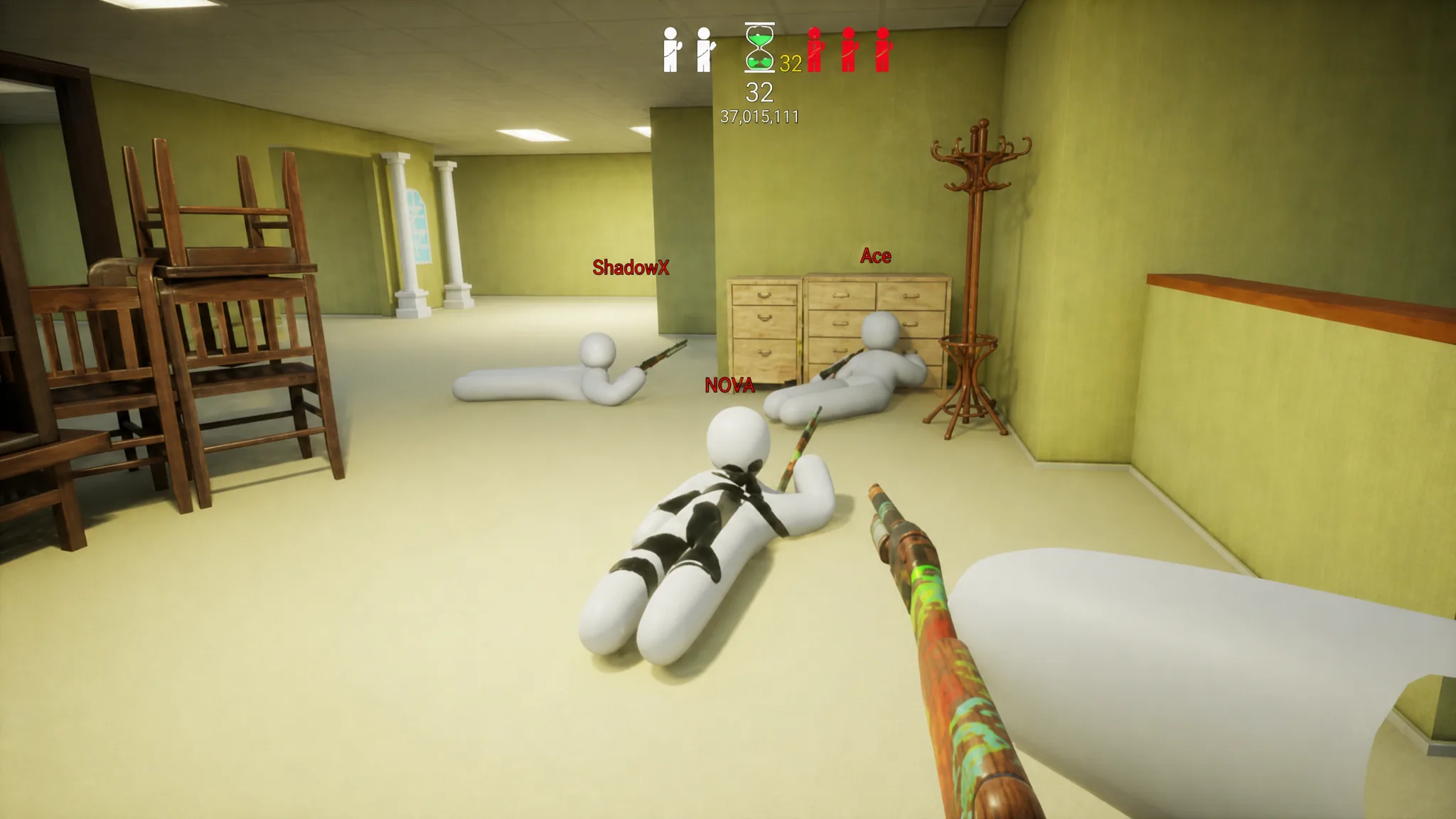
7. Use the full round timer
Patience is a weapon for the seeker. The clock is the one thing working against the hiders, so use every second of it. Sweep the whole map, then go back over zones you cleared quickly the first time. Hiders are betting that you’ll give up and miss them, so a thorough second pass often catches the players who survived the opening rush.
Watch for the smallest movement too. An experienced hider holds completely still, but a nervous one will twitch the camera or adjust an angle. Any micro-movement during your sweep is a confirmation that something there is a player and not part of the map.

Put these habits together and seeking stops feeling like guesswork. You’ll catch hiders not because you found a lucky shot, but because you learned to read the disguises that color, lighting, pattern, and shape are supposed to hide. Train your eye for the details that don’t belong, keep your search disciplined, and the round timer becomes your ally instead of your enemy.