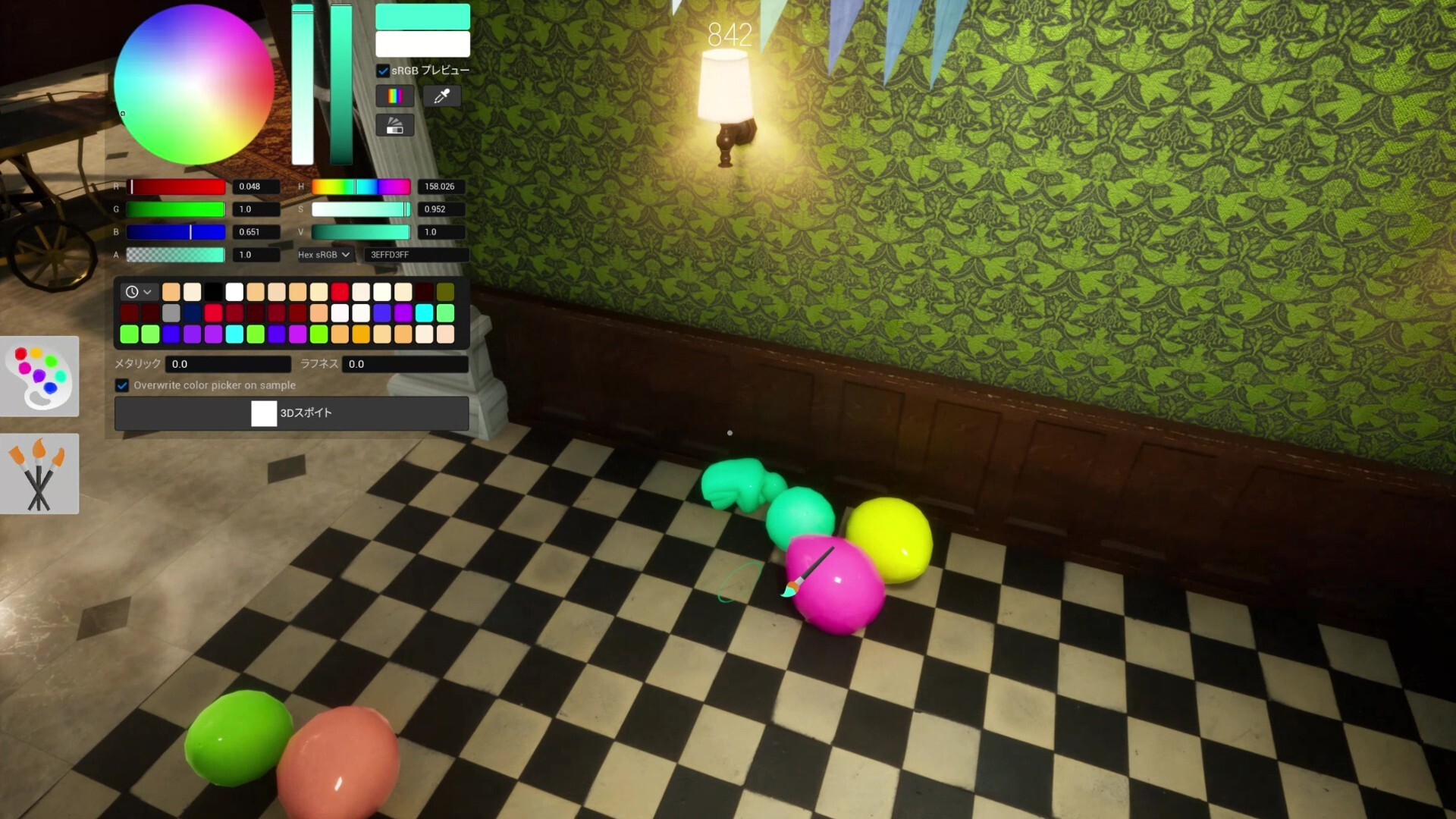
Meccha Chameleon is built around messy hide-and-seek rounds, and the number of people you can cram into a single lobby directly shapes how chaotic those rounds feel. There is no hard technical wall on lobby size, but the developers point to a clear comfort zone that keeps matches stable and playable.
Quick answer: The recommended player range is 2 to 10, and the developers set 10 as the suggested maximum. There is no fixed cap, so a host with a strong connection can push slightly higher, but stability drops as you add people.
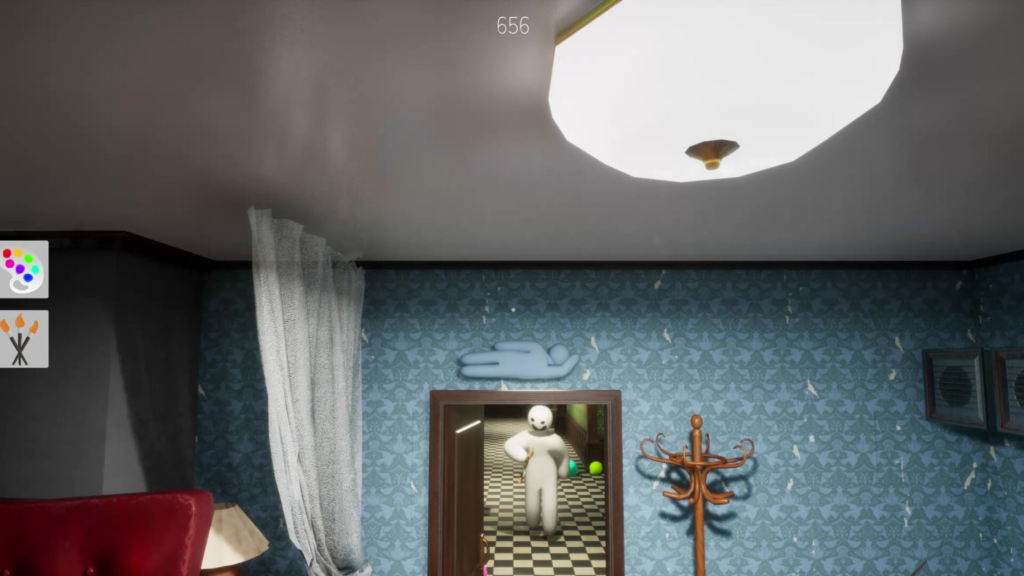
Meccha Chameleon max players: the 2 to 10 range
The session itself does not enforce a player count, so a lobby will not block extra people on its own. What matters is the developer guidance: keep groups between two and ten players. Ten is the number to treat as your ceiling for a smooth match.
Because there is no enforced limit, lobby quality leans entirely on the host. A host running a stronger internet connection can support a slightly larger group than someone on a weaker line. That flexibility is the only reason you might see rooms drift above the recommended ten, and it comes with a trade-off in stability.
How the host controls the lobby
The host is the backbone of every session. Their connection determines how many players the room can realistically hold and how stable the round stays. If the host disconnects, the entire session ends for everyone, so it is worth handing the role to whoever has the most reliable connection.
| Setting | What it means |
|---|---|
| Recommended range | 2 to 10 players |
| Suggested maximum | 10 players |
| Hard cap | None enforced by the session |
| Above 10 players | Possible only with a strong host connection |
| Host disconnects | The session ends for all players |
Choosing a party size for your group
Smaller rooms are easier when people are still learning controls and the flow between Hider and Seeker roles. With fewer players, everyone can see how paint and posing read from both sides, which makes it clearer why a disguise worked or failed.
Larger rooms generate more party chaos, which is the appeal for a big group. The downside is that new players can miss the small visual tells in the noise, and bigger lobbies need clearer house rules to stay fun. A practical approach is to start small, let everyone learn the basics, then add players and rotate roles once the group is comfortable.
- Use a small private room first so everyone learns paint, posing, and the Seeker scan order.
- Rotate Hider and Seeker roles so one person does not control every round.
- Scale up toward ten players only after the group understands the basic tells.
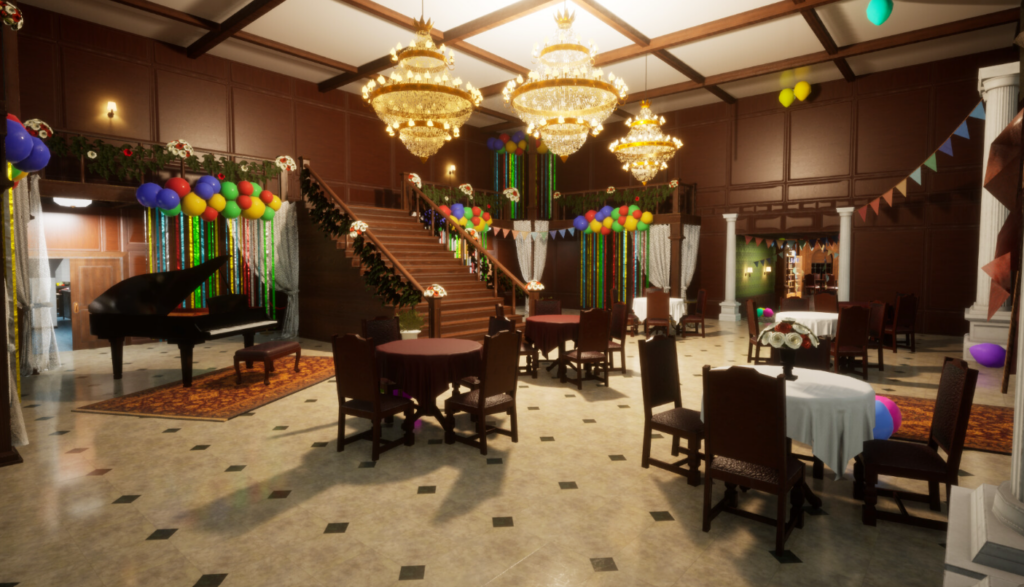
If friends cannot join your lobby
Version mismatches are the most common reason a room fails to show up for friends, so check that first. Everyone should be running the same build before touching firewall or network settings.
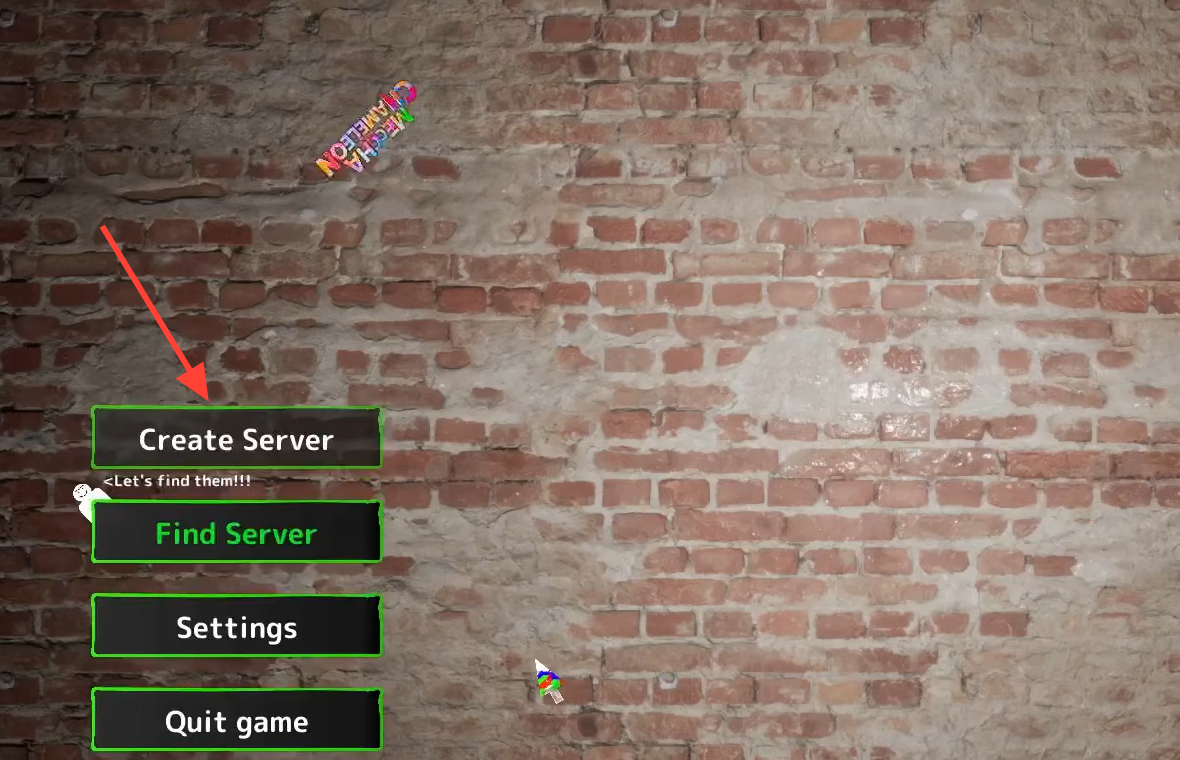
You will know the fix worked when every invited player can see and enter the same room without errors. Only move on to firewall or wider network troubleshooting if the room still fails after a matching-version restart.
For most groups, the cleanest setup is a private lobby of a handful of players to learn the rhythm, then a slow climb toward the recommended ten as everyone gets comfortable. Keep the strongest connection on host duty, watch for that ten-player ceiling, and your sessions will hold together no matter how loud the chaos gets.