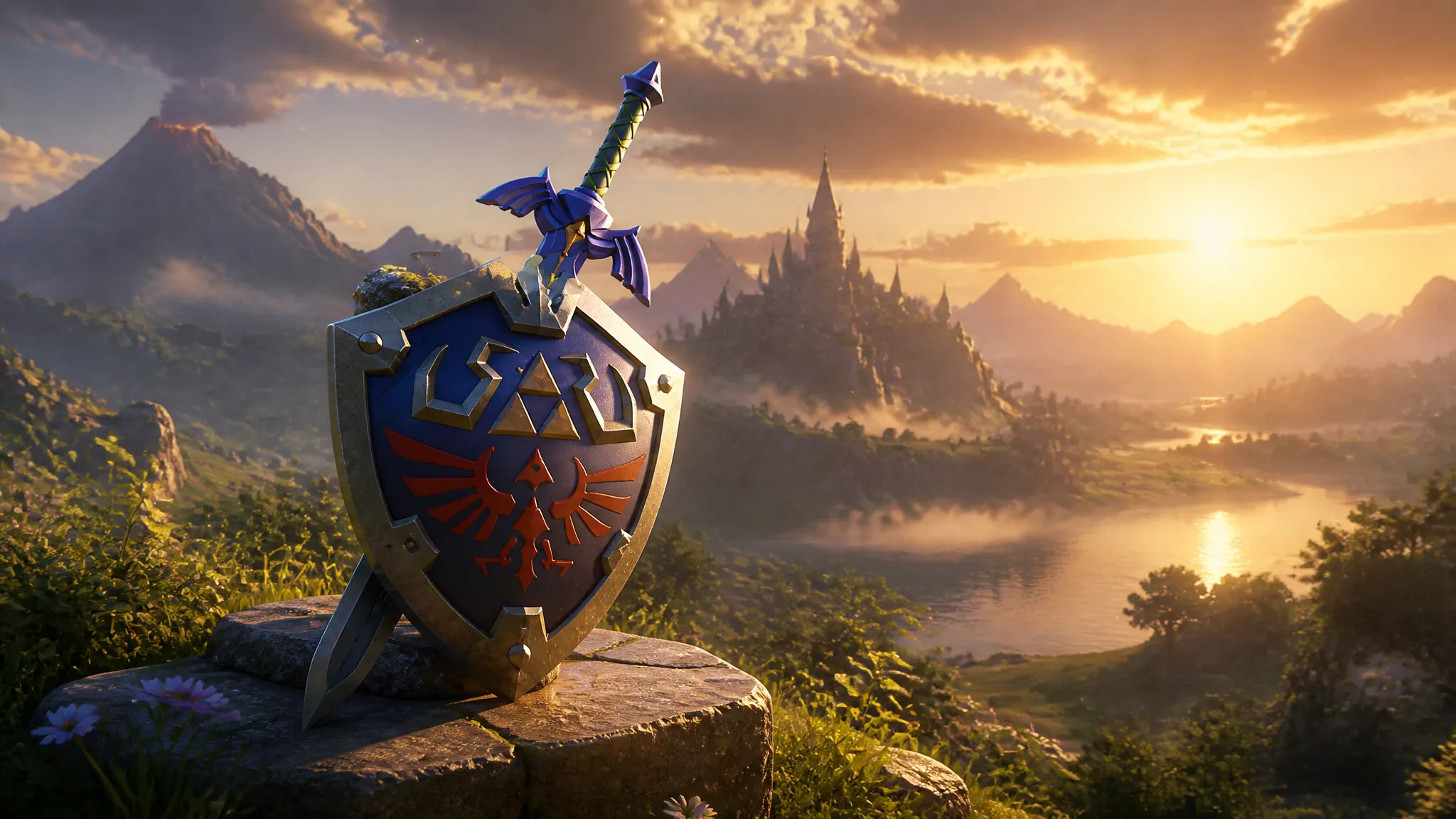
The Legend of Zelda: Ocarina of Time is the action-adventure game that put Link into a fully 3D Hyrule for the first time. You play as the series’ hero on a quest to stop Ganondorf, King of the Gerudo tribe, from claiming the Triforce, and the story sends you back and forth through time as you clear dungeons and awaken the sages who can seal him away. It first arrived on the Nintendo 64 and has since returned in remade form, with talk of another version tied to the franchise’s 40th anniversary.
Quick answer: The original Ocarina of Time launched on Nintendo 64 on November 21, 1998. A full remake, Ocarina of Time 3D, came to the Nintendo 3DS in June 2011. A separate Switch 2 remake has been rumored, but no official release date is currently confirmed.
Ocarina of Time release dates by version
Two confirmed versions of the game exist. The Nintendo 64 original shipped in 1998, and Grezzo’s handheld remake rolled out across regions in 2011, followed by a digital eShop release the next year.
| Version | Platform | Release |
|---|---|---|
| Ocarina of Time (original) | Nintendo 64 | November 21, 1998 |
| Ocarina of Time 3D | Nintendo 3DS | JP / EU: June 16, 2011 |
| Ocarina of Time 3D | Nintendo 3DS | NA: June 19, 2011 |
| Ocarina of Time 3D | Nintendo 3DS | AU: June 30, 2011 |
| Ocarina of Time 3D (digital) | Nintendo eShop | 2012 |
The retail 3DS cartridge was discontinued in early 2015, which briefly pushed up secondhand prices, before a re-release under the Nintendo Selects label arrived in March 2016.

How Ocarina of Time plays
You control Link as he explores Hyrule, fights through themed dungeons, and solves environmental puzzles. The central twist is time travel. Link moves between his younger and older self, and many puzzles depend on doing something in one era to change the world in the other.
Music is more than background here. The ocarina is a tool you actively use, and learning specific songs is how you make progress. Melodies can warp Link across the map, shift the time of day, and open paths that stay closed otherwise. The main quest threads through familiar locations such as the Great Deku Tree, Hyrule Field, Kakariko Village, the Temple of Time, and a string of major dungeons including the Forest Temple, Fire Temple, Water Temple, Shadow Temple, and Spirit Temple before the finale at Ganon’s Castle.
Along the way, you build out an arsenal and a song list. Key gear includes the Kokiri Sword, and later the Master Sword, the Slingshot, the Fairy Bow, the Hookshot and its upgrade, the Longshot, the Megaton Hammer, the Iron Boots, the Hover Boots, the Mirror Shield, and the Light Arrows used in the endgame. Songs such as Zelda’s Lullaby, Epona’s Song, Saria’s Song, and the various warp melodies unlock travel, ranch animals, and story beats.
What Ocarina of Time 3D changed
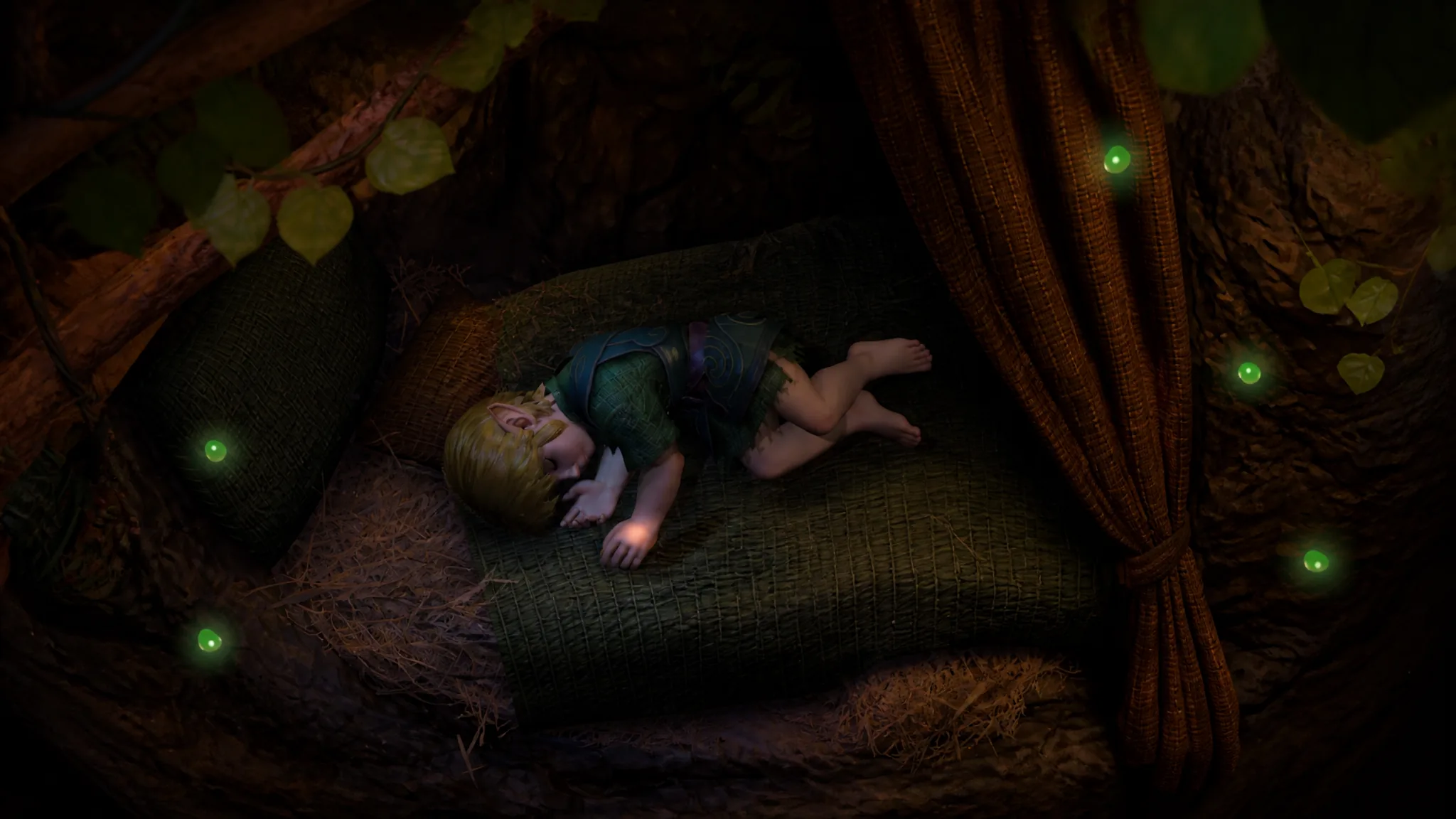
The 3DS remake keeps the same core game but adds quality-of-life upgrades and new modes. It runs at 30 frames per second compared with the Nintendo 64 version’s 20, and areas like the Market that once used pre-rendered backdrops are now drawn in real-time 3D. The Water Temple, long known as a sticking point, got changes that make tracking water levels and progression clearer.
| Feature | What it does |
|---|---|
| Touchscreen inventory | Manage items, and play some ocarina songs, on the bottom screen |
| Gyroscope aiming | Tilt to aim the bow, slingshot, boomerang, hookshot, and longshot, or use analog controls |
| Master Quest mode | Rearranged, mirrored dungeons with enemies dealing double damage |
| Boss Challenge | Refight bosses individually or in order, with a mirrored Master Quest variant |
| Visions | Short hint videos accessed through Sheikah Stones at Link’s house and the Temple of Time |
| Shard of Agony | Replaces the Stone of Agony, using sound to flag nearby secrets in place of the N64 Rumble Pak |
The development team deliberately left several harmless original bugs in place, fixing only the ones that caused real problems, so longtime players would still recognize the quirks they remembered.
Switch 2 remake and 40th anniversary plans
2026 marks the 40th anniversary of The Legend of Zelda, and Ocarina of Time has been at the center of the attention. A leak has pointed to an Ocarina of Time remake for Switch 2, with chatter suggesting a possible launch later in the year. Nintendo has not confirmed a release date, so any specific window remains unofficial for now.
Other anniversary tie-ins are already out. A LEGO set built around the game’s climactic battle has been announced, and an illustrated book called Echoes of Hyrule, which retells the Ocarina of Time story chronologically through original art, went on sale on May 21, 2026. The standard edition runs about $29.99, with a collector’s edition around $39.99 that adds extras such as an ocarina manual, a character map, image sheets, and a numbered certificate.
How the game has been received
The Nintendo 64 original is routinely named among the greatest games ever made, and the remake lived up to that reputation. Ocarina of Time 3D holds a 94/100 on Metacritic, earned perfect scores from more than two dozen outlets, and has sold over 6.44 million units, ranking it among the best-selling 3DS titles. Reviewers singled out the updated visuals, the refined controls, the Boss Challenge mode, and the mirrored Master Quest dungeons. It remains a strong entry point whether you are revisiting Hyrule or playing through it for the first time.