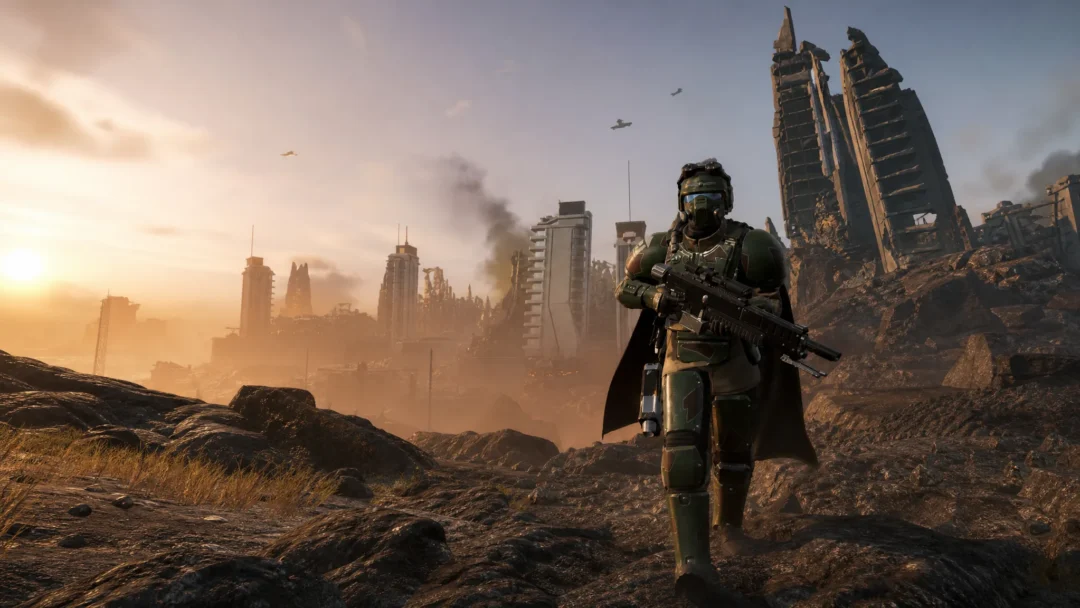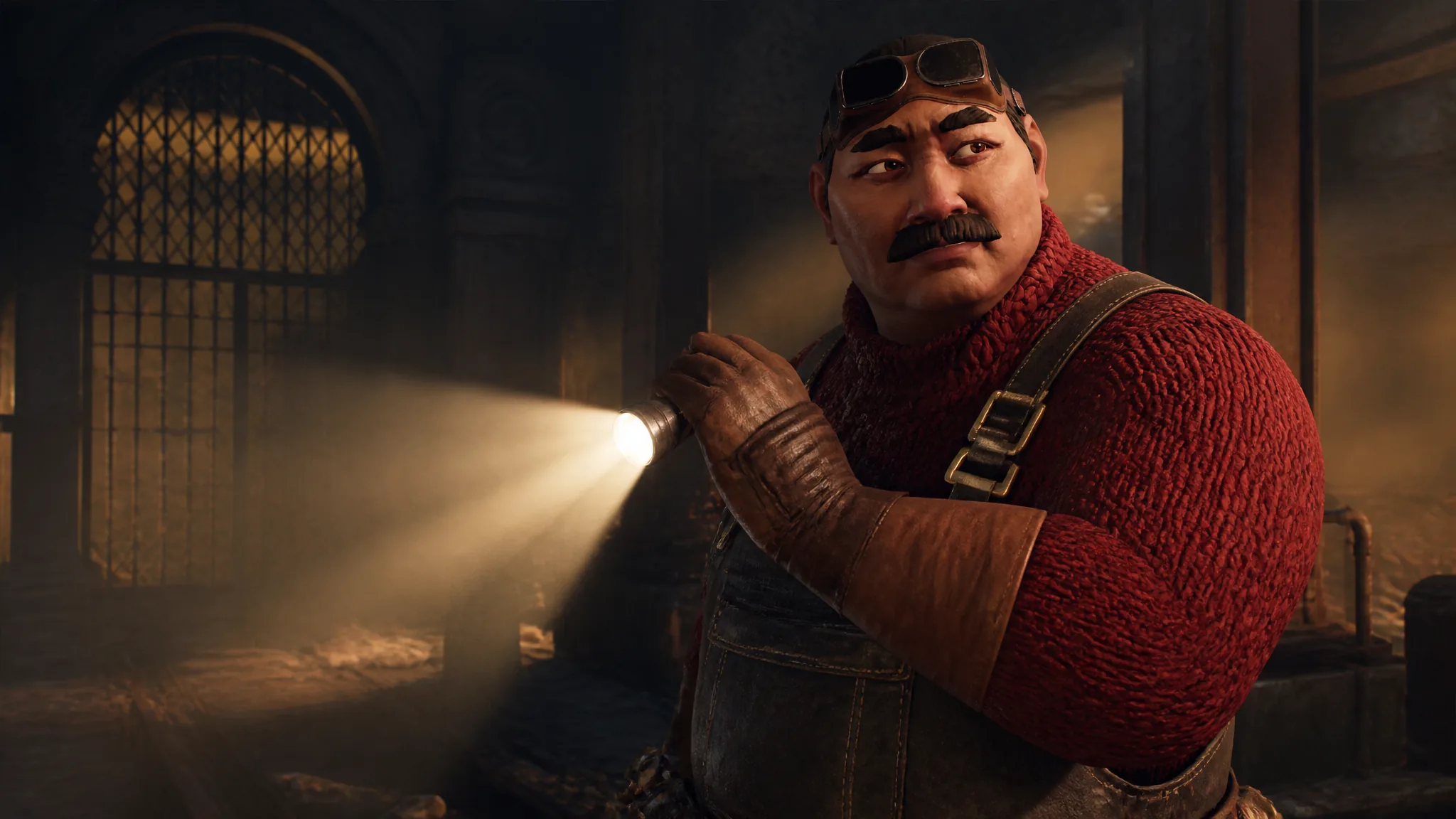
THE LIFT: Supernatural Handyman Simulator drops you into a vast research complex that fell silent after a mysterious incident. You wake from a long cold sleep and start putting the place back together, floor by floor, while a creeping dark substance threatens to swallow everything you fix. The handyman work is the core loop, but it doubles as the way you unlock new areas and pull the story forward.
Quick answer: You repair a device by analyzing it, replacing its missing parts, and reconnecting its circuits using components you craft or buy. You clean the facility by vacuuming up anomalies and clearing black growth with a cleaner tool, which also unlocks blocked doors and objectives.
The repair system in THE LIFT
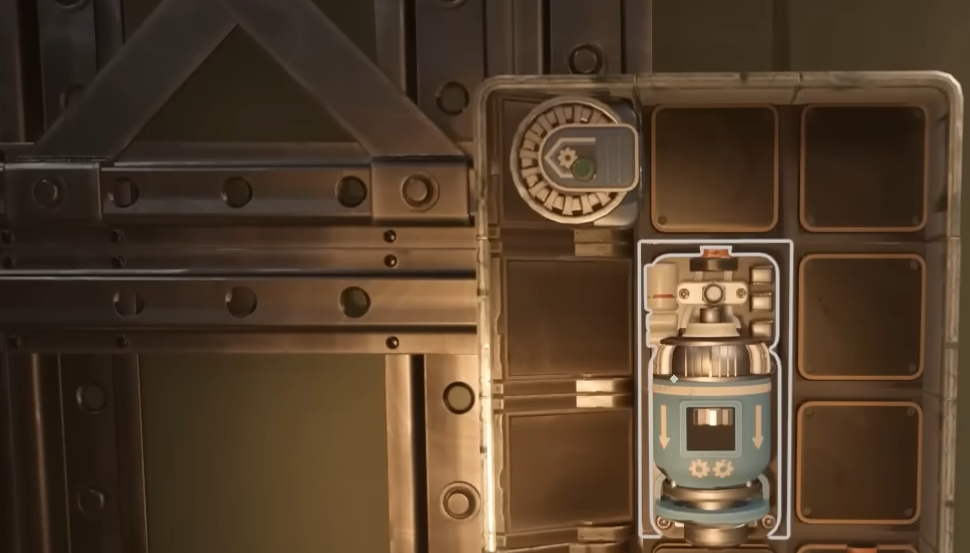
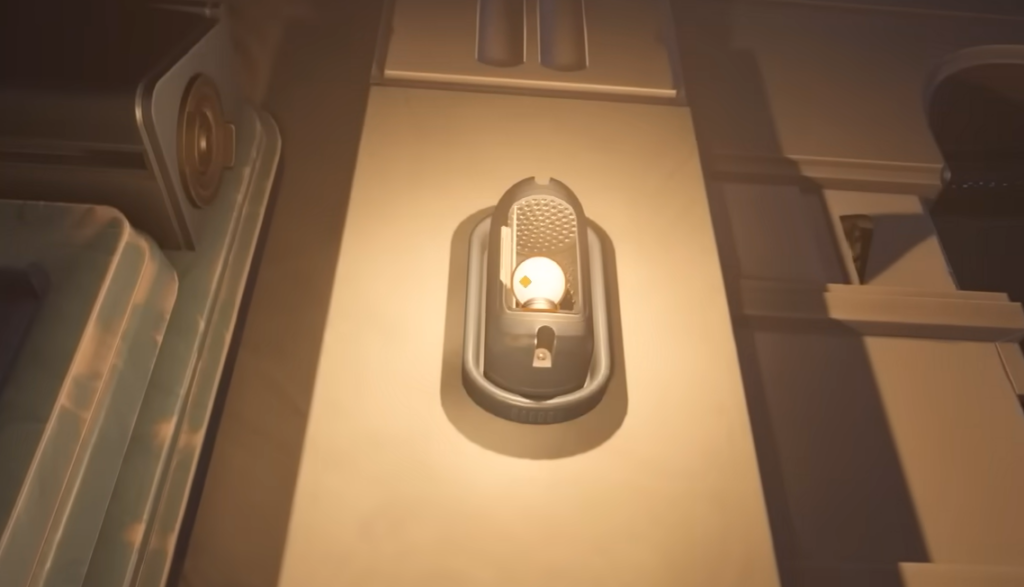
Every machine in the complex has a function, and getting it working again follows the same basic flow. You inspect the device to see what is wrong, swap in the parts that are missing or broken, and link the circuits back together from components you have gathered. Some fixes are pure electrical engineering, while others are as simple as patching up furniture.
You know a repair worked when the device powers back on and resumes its purpose, whether that is a vending machine dispensing again or a larger system coming back online.
Devices you repair across the facility
Dozens of machines need attention, ranging from small everyday objects to enormous installations. Each floor introduces its own challenges, so the difficulty and scale of repairs scale up as you descend deeper into the complex.
| Repair type | Examples |
|---|---|
| Small fixes | Furniture and basic objects |
| Utility machines | Vending machines, generators |
| Large systems | Satellite antennas, sentient computers, reactors |
Cleaning anomalies and clearing dark matter
Cleaning is not just cosmetic. A dark substance keeps spreading through the facility, and part of your job is holding it back so it does not envelop the rooms you have restored. Black growth builds up on surfaces such as the Conference Hall, and you clear it away with a dedicated cleaner device.
The world is also full of eerie anomalies, which you collect using a vacuum-like tool. Other quirky gadgets help with specific jobs, including a gun that applies duct tape exactly where you need it. These tools turn cleanup into its own set of mechanics rather than a single action.
Cleaning often gates progress. Certain doors, items, or objectives stay out of reach until you remove the gunk covering them, so scrubbing a surface can be the literal key to opening the next area.
Tokens, debris, and getting repair components
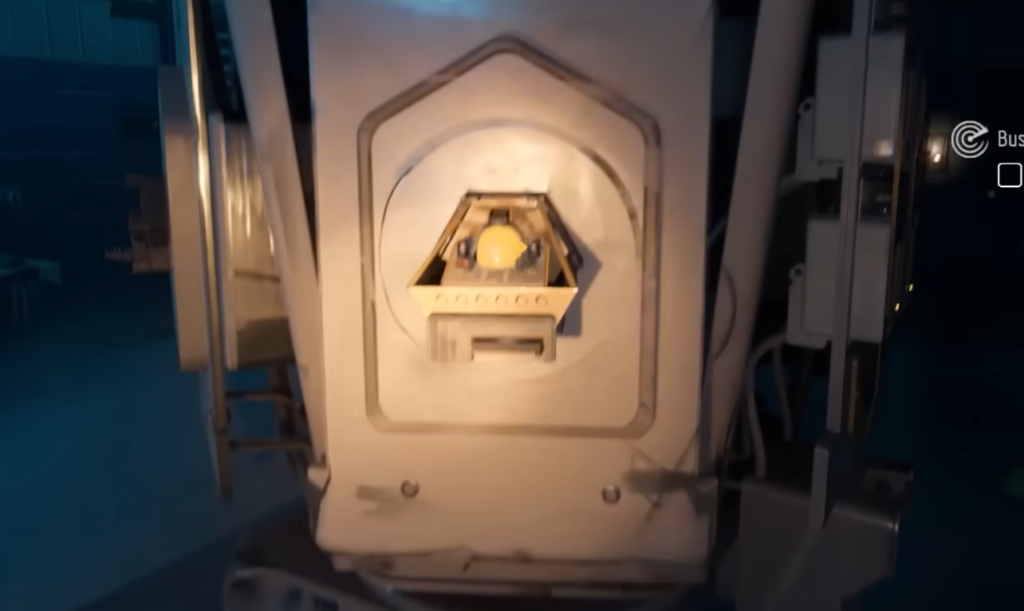
You do not always have to scavenge for parts. Collected debris can be exchanged for tokens, and those tokens are redeemed for repair components through vending machines. That gives you a reliable way to top up on the pieces a job requires when the floor around you has run dry.
Note: Vending machines are themselves devices you can repair, so restoring one expands your access to the components it dispenses.
How the lift and locked progress fit together
The facility is built across multiple levels, and you move between them using a mobile base called the lift. As you explore each environmental area, characters within the complex hand you quests, and finishing restoration work pushes the narrative forward while connecting the mysteries behind the incident.
Progression carries light metroidvania logic. Some items and objectives stay locked until you remove the growth blocking a door or find a new type of tool, so your toolkit and your cleaning progress both determine where you can go next.
How to try the repair and cleaning systems now
An open playtest is available on Steam for a limited time, letting you try the repair, crafting, and cleaning loops before the full PC launch in 2026. Request access from the game’s Steam page through the playtest option, then play once you are granted entry. Console versions are planned but have not been detailed.
Put simply, repairing brings the complex back to life and cleaning keeps the dark matter at bay, and the two systems feed each other. Scrubbing a surface opens a path, fixing a machine restores a function, and both steadily peel back the secrets of why the facility was abandoned in the first place.