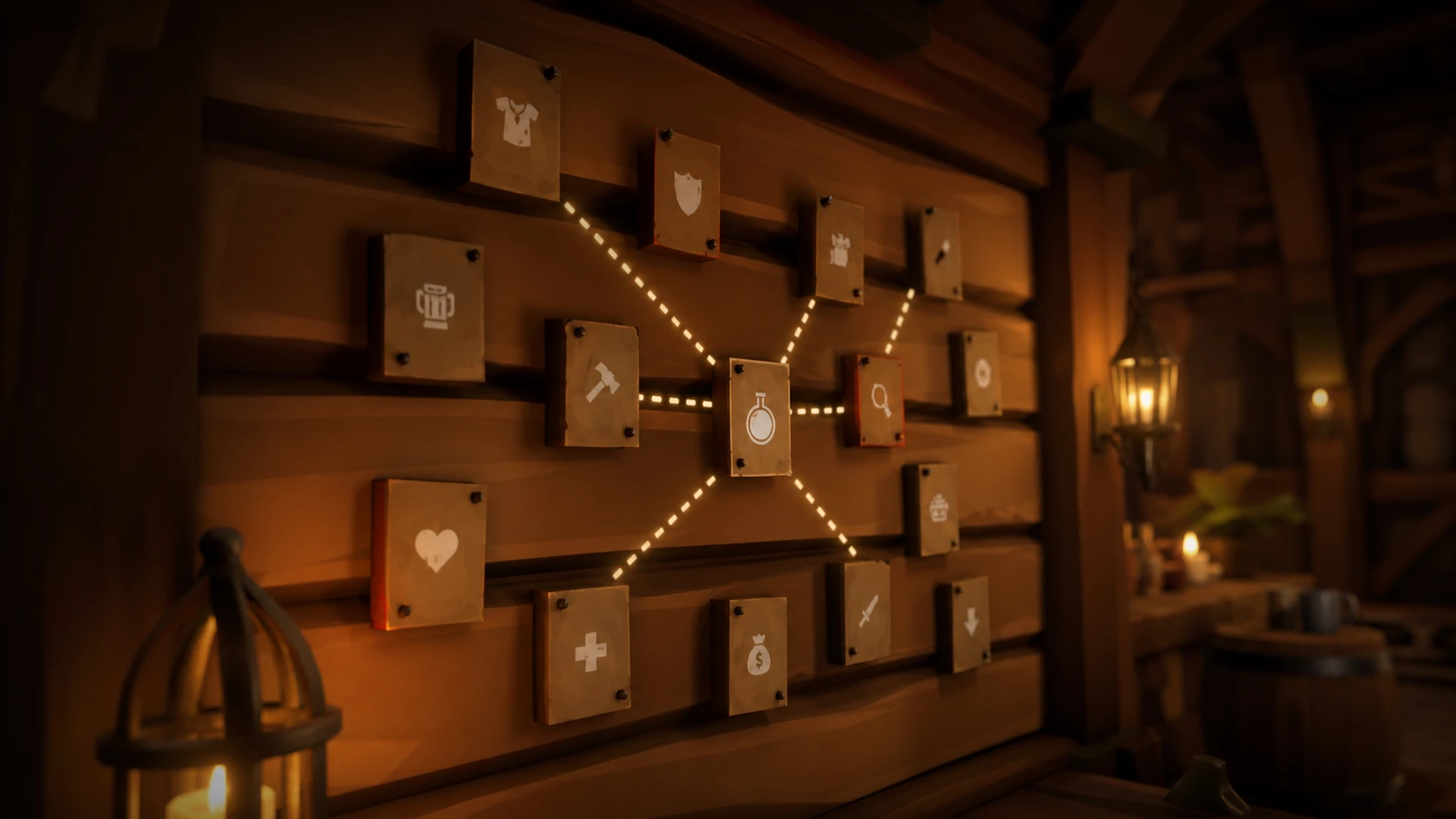
Upgrades in Tabletop Tavern come in two flavors that work on different timescales. Some stick with you forever as permanent meta progression that carries into every future run, while others only last for the campaign you’re currently playing, like prestiged units and gear pieces. Knowing which bucket an upgrade falls into is the fastest way to stop wasting resources.
Quick answer: Permanent upgrades are unlocked through the meta progression system between runs, and the first ones worth buying are additional reserve slots, better recruitment options, stronger starting equipment, economic bonuses, and expanded unit variety. Inside a run, you upgrade units by combining duplicates to prestige them and by collecting gear from shops, campfires, and battle rewards.
Where upgrades come from in Tabletop Tavern
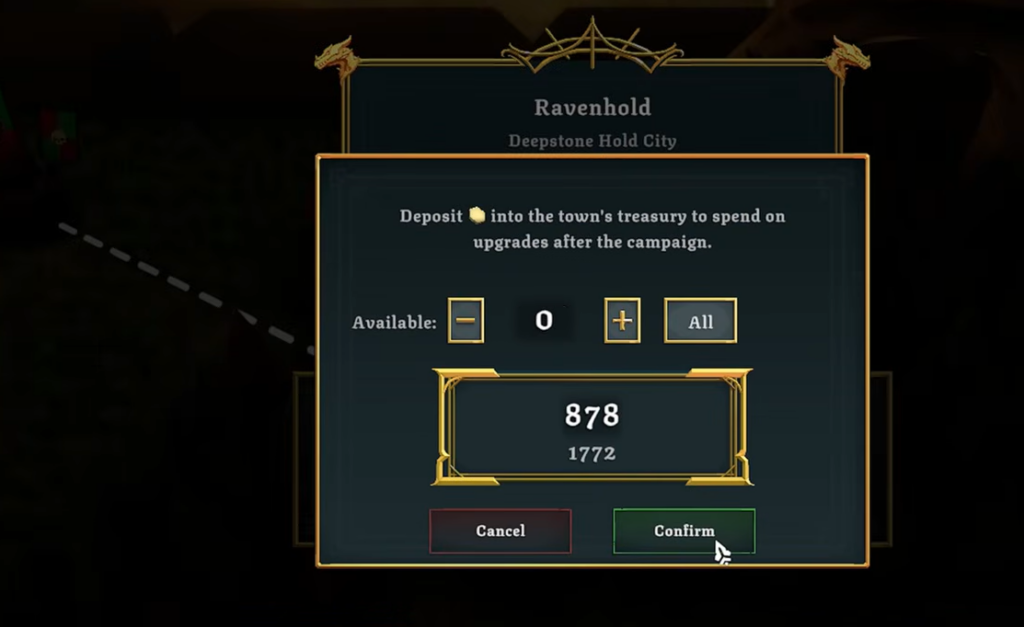
Every upgrade traces back to one of a handful of systems. Permanent ones live outside the campaign and apply to all heroes and factions. In-run upgrades are tied to the units and gear you accumulate before a campaign ends.
| Upgrade source | What it gives | Lasts |
|---|---|---|
| Meta progression | Permanent unlocks like reserve slots and economy bonuses | All future runs |
| Prestige (combining units) | Stronger units at Silver and Gold Tier | Current run |
| Gear pieces | Equipment that boosts individual units | Current run |
| Shops | Rare units and purchasable upgrades | Current run |
| Campfire Train | A unit improvement when the army is healthy | Current run |
Permanent meta progression upgrades
Meta progression is the system that rewards you for playing campaigns over time. It unlocks permanent improvements that benefit every future run regardless of which faction you pick, so this is where long-term power actually accumulates.
The upgrades worth prioritizing, roughly in order of value, look like this.
| Priority | Upgrade | Why it matters |
|---|---|---|
| 1 | Additional reserve slots | Protects elite units, rotates wounded troops, and keeps campaign flexibility high |
| 2 | Improved recruitment options | Better choices when rebuilding or filling missing roles |
| 3 | Stronger starting equipment | Opens each run with a firmer footing |
| 4 | Economic bonuses | More gold for rare units and faster access to power |
| 5 | Expanded unit variety | Wider pool of units to draw from |
Additional reserve slots are the standout because their value is hard to feel until you reach longer campaigns. Extra reserve space lets you shield veteran units, pull damaged troops out of the line to recover, and prepare specialized counters without sacrificing your core army. These upgrades pay off consistently no matter your chosen faction.
How to prestige units by combining duplicates
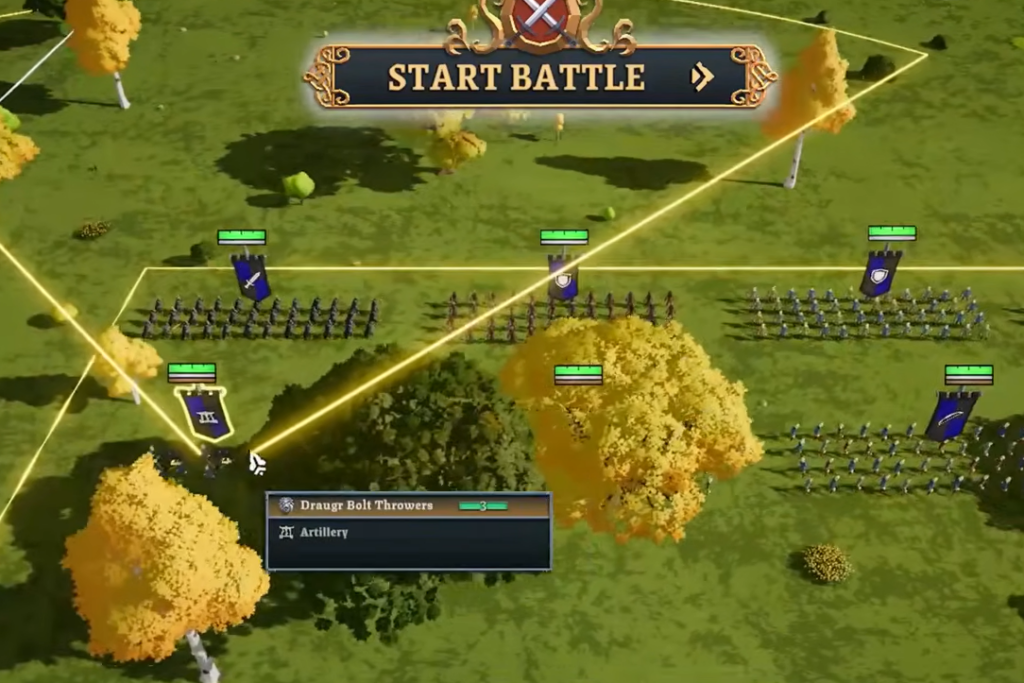
Inside a run, the main way to upgrade a unit is prestige, which strengthens a unit when you combine matching copies of it. Duplicate units naturally become more powerful through this progression, so collecting the same unit line repeatedly is the path to a small number of standout troops.
Concentrating resources into a few elite units beats spreading them across many average squads. Elite troops survive longer, hold morale better, deal more damage, and scale harder through the campaign, which matters most during boss encounters where quality outperforms quantity.
Prestige is an upgrade tool, not a healing tool. Merging duplicates can sometimes clear out weak or damaged copies, but don’t rely on it to restore your army.
How to get gear pieces in a run
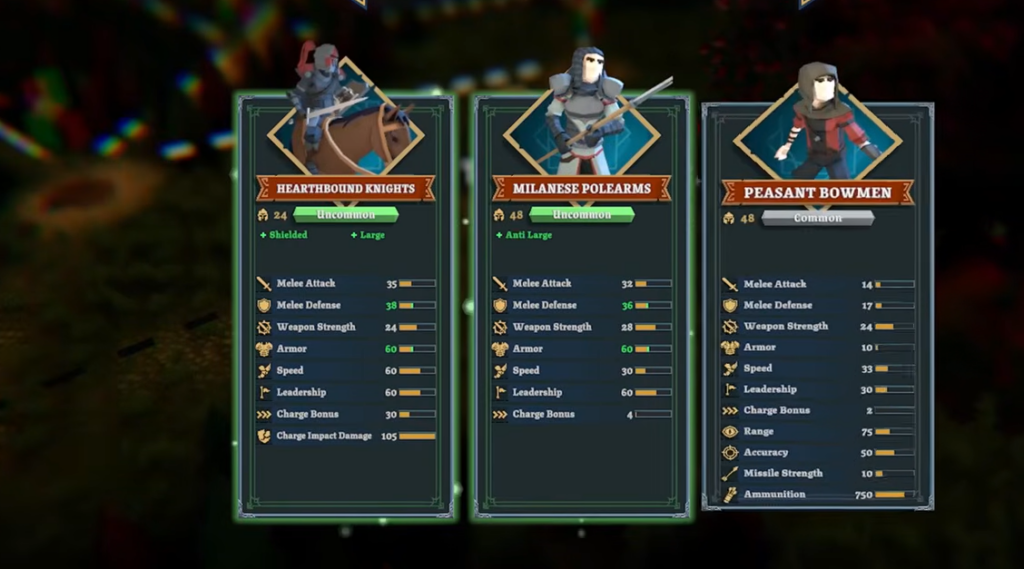
Gear is the other in-run upgrade, and many players underuse it. Equipment improves individual units, and gathering enough of it is a real mid-tier goal rather than a guaranteed habit. There are a few reliable ways to acquire it.
| Gear source | How it works |
|---|---|
| Deepstone Hold | A location that hands out gear rewards |
| Campfire Scavenge | Pick Scavenge at a campfire when your army is healthy to get gear choices |
| Shops | Buy gear directly when gold allows |
| Post-battle rewards | Choose gear from the options offered after a fight |
Routing through Deepstone Hold is the cleanest way to build up gear, and pairing it with shop purchases and post-battle gear choices keeps the count climbing. Use Scavenge only when health isn’t your pressing problem, since a campfire can also Rest, Train, or Scout.
Shops and campfires as upgrade nodes
Shops are upgrade hubs in disguise. They carry rare units and upgrades, and they’re a low-risk node, so they’re the safest place to spend gold on power once you know which role your army is missing. This is also why a strong economy matters, since more gold means faster access to rare units and upgrades after a hard fight.
Campfires offer the Train option, which improves a unit when the army is healthy enough not to need rest. Treat Train as an upgrade you take only after the health check passes. If multiple important units are damaged or a hard fight is close, Rest comes first.
How to confirm an upgrade applied
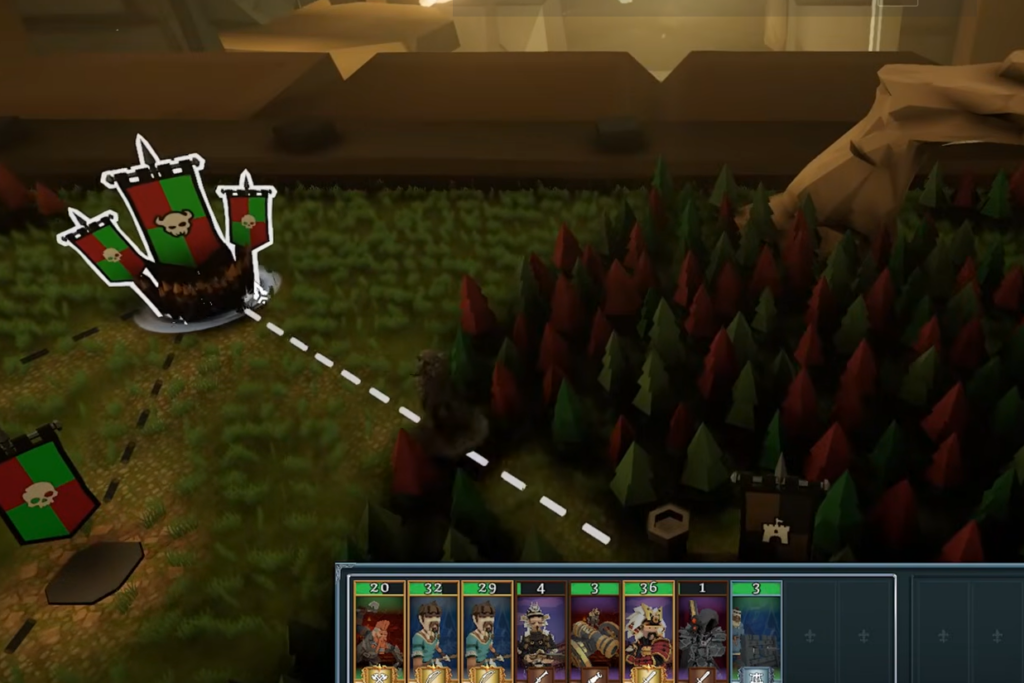
Permanent unlocks show up in the meta progression menu and remain available at the start of your next run, so check that a reserve slot or economy bonus is reflected before you launch a new campaign. A successful prestige changes a unit’s tier label to Silver or Gold, which is the visible confirmation that the combine worked. Gear shows on the unit it’s equipped to and counts toward your total gear acquired for the run.
The fastest way to feel the payoff is to front-load economy and reserve upgrades early, then funnel that gold and roster space into a handful of prestiged units backed by gear. That combination compounds across a campaign far better than buying scattered combat bonuses one fight at a time.