Classes in An Average Campaign decide how your character fights, supports the party, and survives each encounter. There are seven to choose from, and each one leans into a different combat style. On top of the base class, you can branch into a Subclass once you meet the right condition during a run.
Quick answer: The seven classes are Warrior, Ranger, Rogue, Mage, Priest, Brawler, and Bard. To unlock a Subclass, interact with certain in-game events while playing your current Class.
Every playable class
Each class fills a familiar party role, so you can build a team that covers melee damage, ranged attacks, magic, and support. The table below lists all seven options and the general role each one plays.
| Class | Primary role |
|---|---|
| Warrior | Front-line melee fighter |
| Ranger | Ranged attacker |
| Rogue | Fast, close-range striker |
| Mage | Offensive spellcaster |
| Priest | Healer and support |
| Brawler | Unarmed melee fighter |
| Bard | Support and utility |
How to unlock a Subclass
A Subclass is an extra path tied to the Class you are currently playing. You do not pick it from a menu at the start. Instead, you learn it by interacting with certain events that appear during a run. Engage with the right event while you are on a class, and you gain that class’s Subclass.
Because the Subclass follows your active Class, the path you unlock depends on which Class you brought into the run. Switch Classes and the events you find will point you toward a different Subclass.
You know it worked when the event grants the Subclass to your current Class, adding its path on top of your existing kit.
Class breakdown
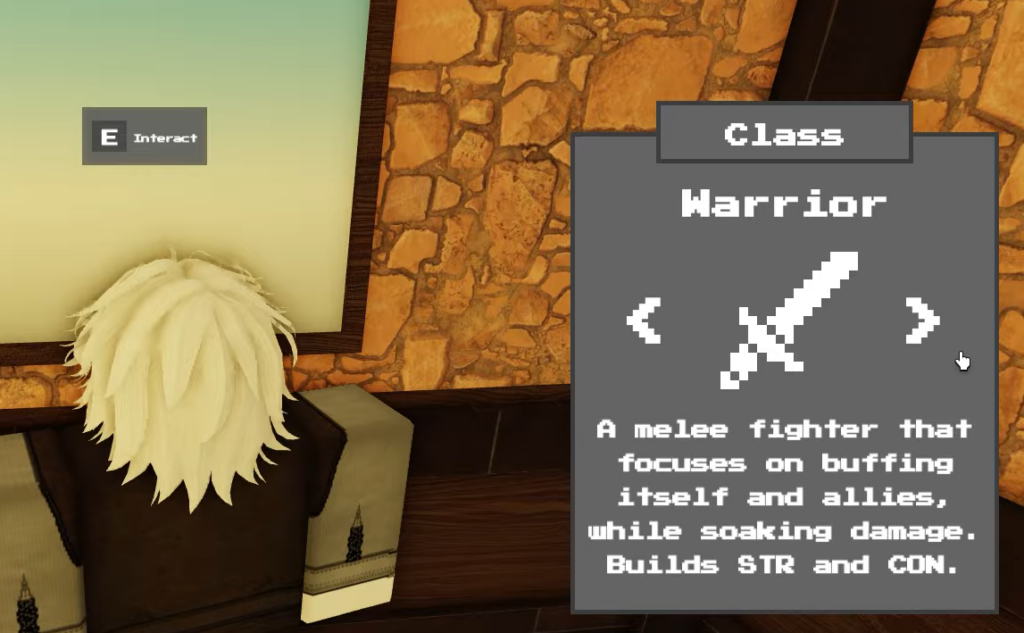
Warrior
The Warrior is the straightforward front-line pick. It stays in melee range and trades blows directly with enemies, making it a reliable starting choice for new players.
Ranger
The Ranger keeps its distance and deals damage from range. It is the pick if you want to attack enemies before they close in on the party.

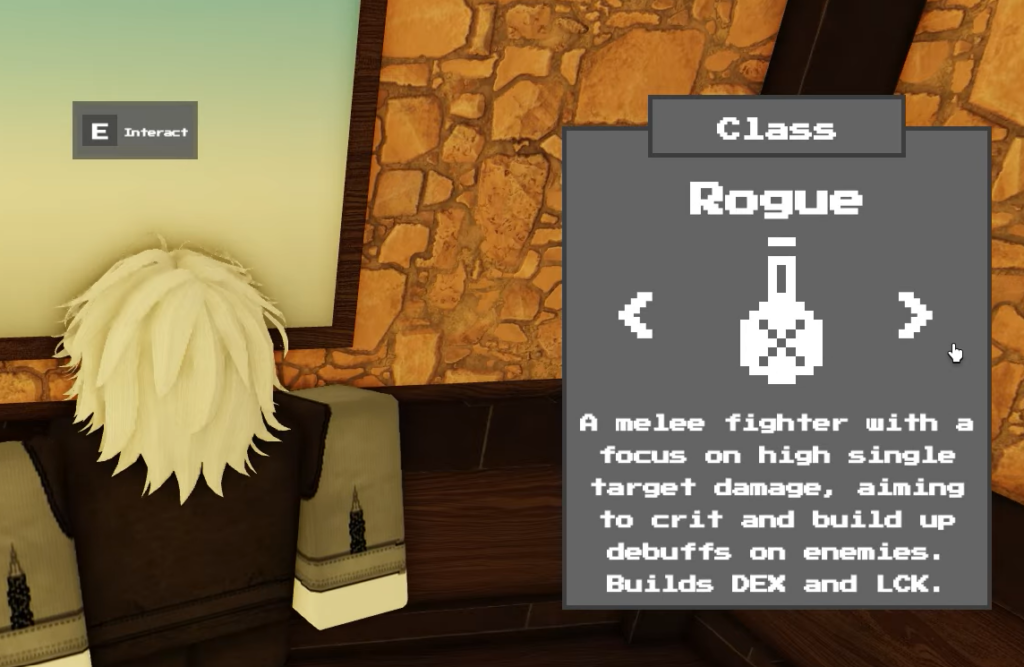
Rogue
The Rogue is built around speed and close-range hits. It works well for getting in, dealing quick damage, and getting back out.
Mage
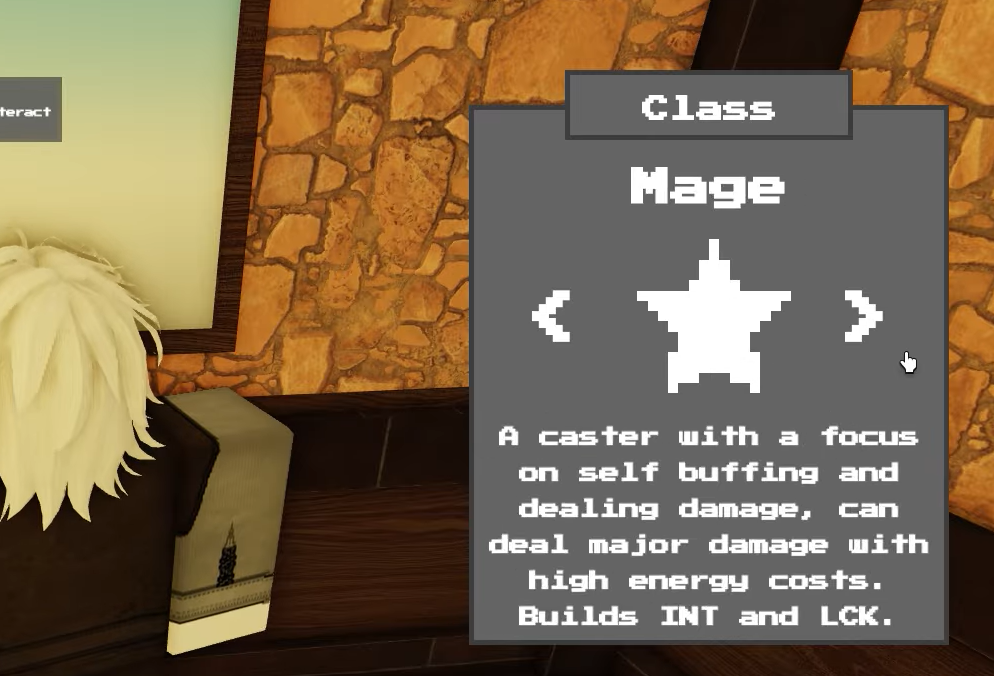
The Mage is the offensive spellcaster. It leans on magic to deal damage rather than standing in the melee line with the Warrior or Brawler.
Priest
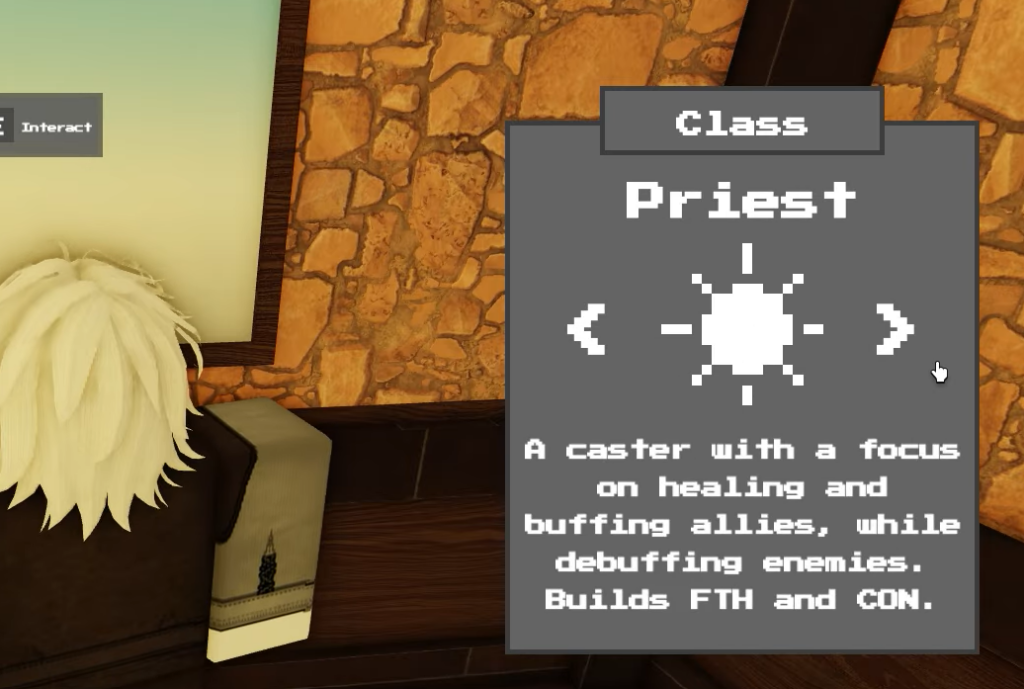
The Priest is the party’s support and healing option. Bring it along when you want to keep teammates alive through tougher fights.
Brawler
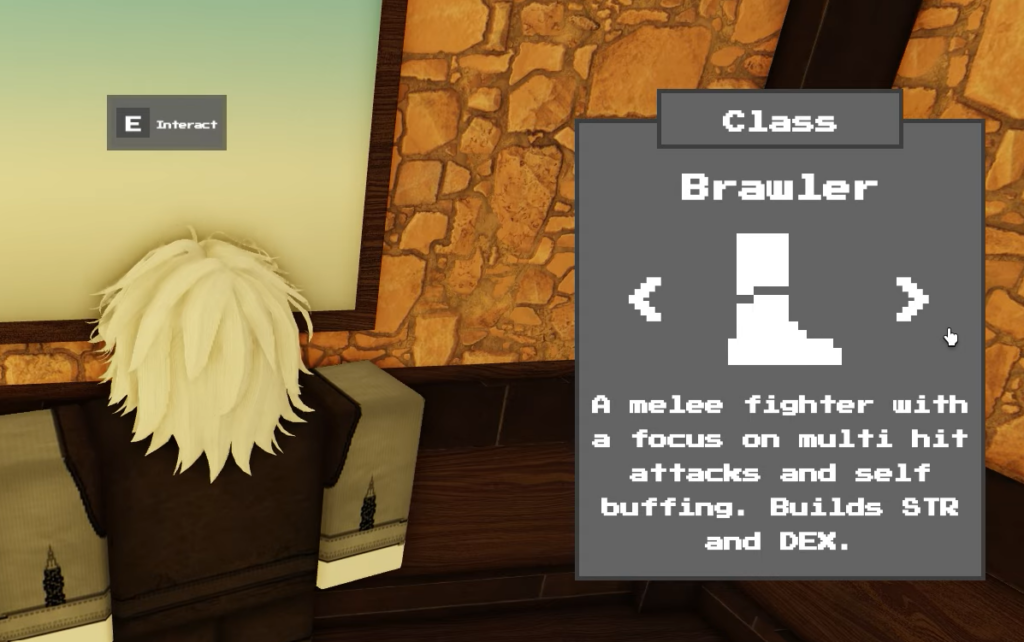
The Brawler is the unarmed melee fighter. It fills the same front-line space as the Warrior but with its own close-combat style.
Bard
The Bard rounds out the roster as a support and utility class. It is the choice for players who want to back up the team rather than lead the damage.
Start by picking the Class that matches how you like to fight, then watch for events during your run so you can branch into its Subclass. Since each Subclass is tied to the Class you bring in, replaying with a different Class opens up a different path to learn.