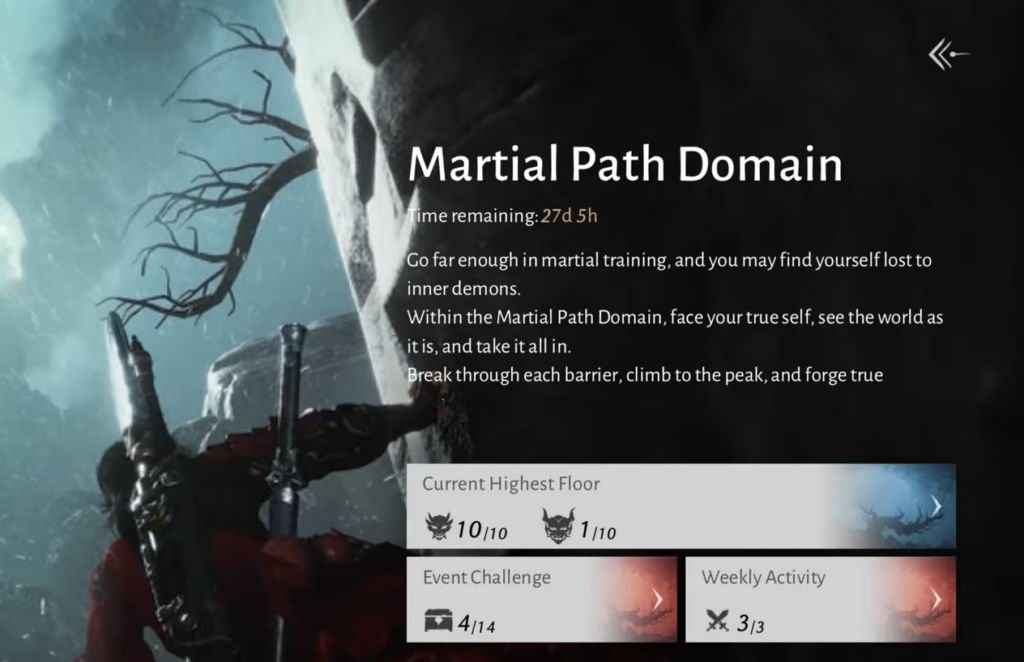
Martial Path Domain is a five-player co-op mode in Where Winds Meet that launched on June 25 (UTC). Squads climb a series of floors that get harder as you go, gathering Martial Spirit along the way to power up before the next fight. The mode runs in two tiers, Normal and Hard, and the goal is to push as high as the difficulty allows.
Quick answer: Queue a full five-player squad, pick up every Martial Spirit reward between fights to scale your character, and clear floors in order through floor 10 on Normal. Finishing Normal is what opens Hard mode for the same set of floors.
What you need before queuing for Normal floors
Martial Path Domain is built around a squad of five, so the cleanest runs come from filling every slot. You can read the official launch details in the mode announcement from the Where Winds Meet team. Each floor is a step up in difficulty from the last, which means a balanced group clears more reliably than five copies of the same damage build.
Because skills are tied to weapons, each player’s role depends on the Martial Arts they bring. A weapon without its learned Martial Art only performs basic attacks, so make sure everyone has unlocked the combat style they plan to use before the run starts.
How Martial Spirit scaling works between floors
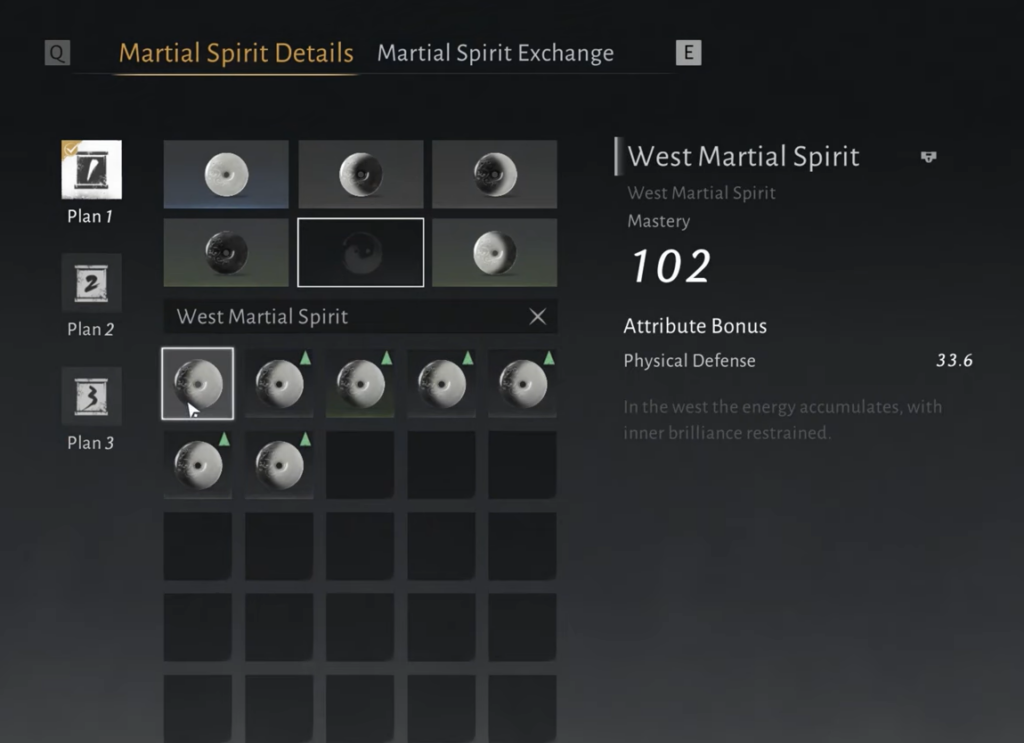
Martial Spirit is the in-run progression that keeps your squad ahead of the rising difficulty. You collect it as you advance, and it strengthens your character, so the later floors stay manageable. Treat each floor as a checkpoint to bank that growth before moving up, since a squad that skips the power gains will stall against tougher floors near the top.
Tip: Coordinate so the whole squad scales together. Five players who all grow each floor reach the peak far more smoothly than one carry trying to outpace the difficulty curve alone.
Squad composition by path and role
Martial Arts pair into six paths, and each path is built to play a specific role. Choosing weapon pairs that share a path keeps their effects and resources synergistic, which matters when a floor demands sustained damage, frontline control, or healing. A standard five-stack works well with a tank, a healer, and a mix of damage paths.
| Path | Weapon pair | Role |
|---|---|---|
| Bellstrike – Splendor | Nameless Sword + Nameless Spear | Melee DPS |
| Bellstrike – Umbra | Strategic Sword + Heavenquaker Spear | Melee DPS (bleed) |
| Bamboocut – Wind | Infernal Twinblades + Mortal Rope Dart | Melee DPS |
| Silkbind – Jade | Inkwell Fan + Vernal Umbrella | Ranged DPS |
| Silkbind – Deluge | Panacea Fan + Soulshade Umbrella | Healer and support |
| Stonesplit – Might | Stormbreaker Spear + Thundercry Blade | Tank |
The Stonesplit – Might tank holds frontline aggro with shields and crowd control, while the Silkbind – Deluge healer keeps the group topped up through long floors. Fill the remaining seats with the damage paths your group is most comfortable playing.
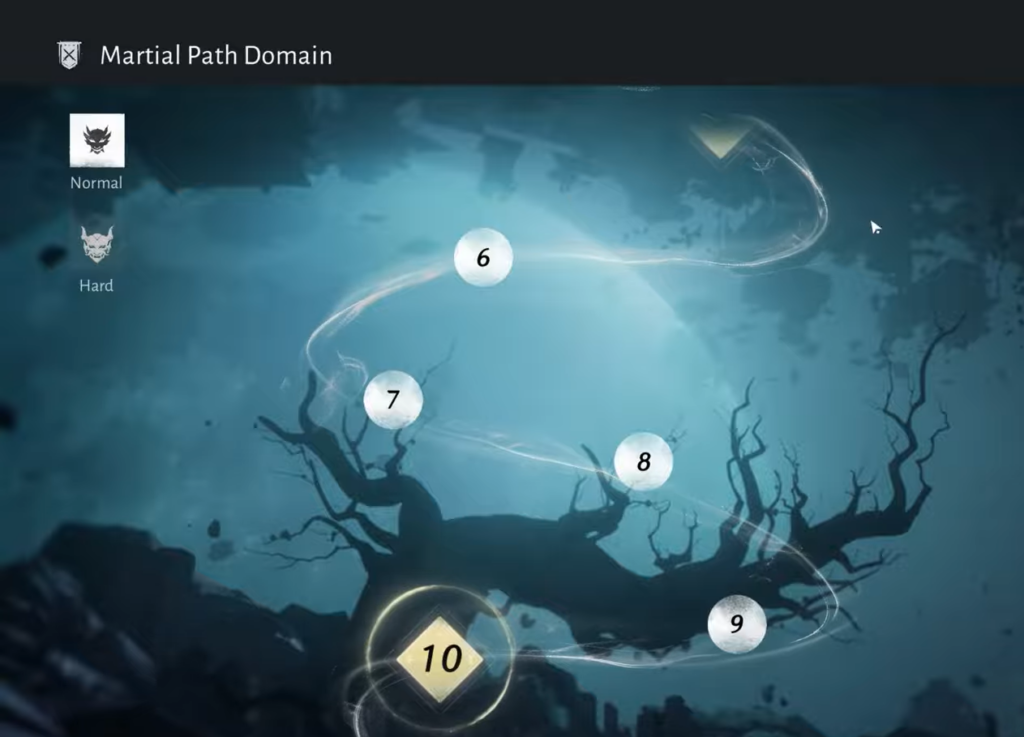
Clearing floors 1 through 10 in order
Confirming a clear and unlocking Hard mode
You know the Normal run is complete when your squad reaches the peak of the floor set. Clearing Normal is the gate that opens Hard mode, which runs the same progressive structure at a higher difficulty for players chasing the top of martial mastery.
If a run stalls, the usual cause is uneven scaling, with part of the squad skipping Martial Spirit pickups or running an unbalanced lineup that lacks a tank or healer. Slotting in the Stonesplit – Might and Silkbind – Deluge roles and gathering Martial Spirit on every floor is the most direct way to push Normal floors 1 through 10 to completion.