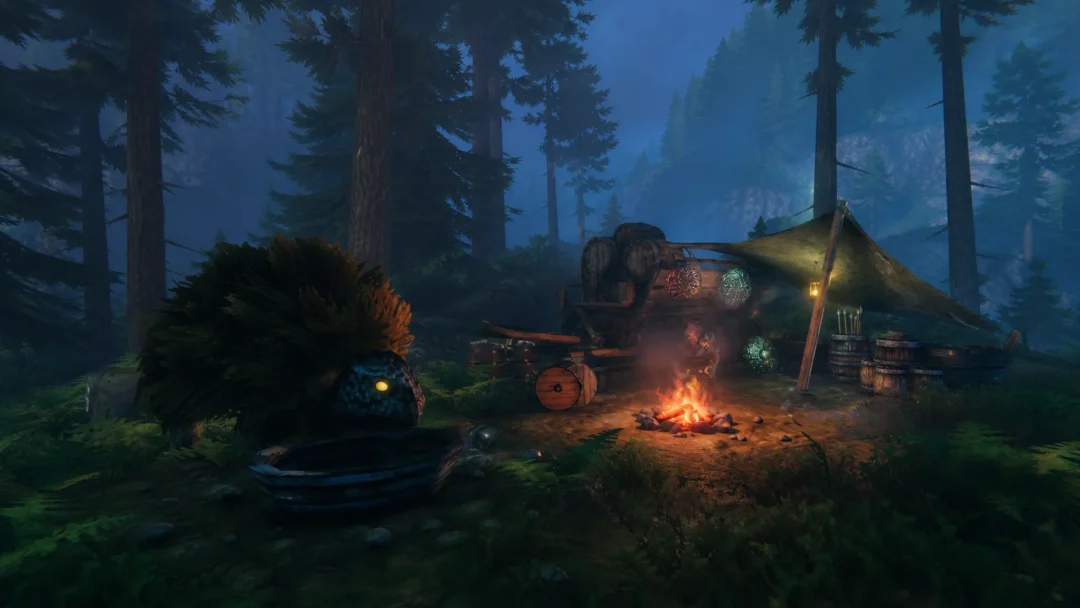
Control Resonant arrives without any generative AI in its makeup, and Remedy frames that as a reflection of who actually builds its games. The studio’s artists and designers wanted the work to come from them, so steering clear of gen-AI assets never turned into a drawn-out internal debate.
Quick answer: Control Resonant uses no generative AI content at all, and it stays that way through its final development stages. Remedy hasn’t ruled out the technology for future projects, but only if it clears the studio’s bar on ethics and player value. The game launches on September 24.
Why Control Resonant has no generative AI content
Lead Gameplay Designer Sergey Mohov describes the decision as natural rather than agonized. The throughline is creative ownership. Remedy’s developers see themselves as artists and designers first, and they wanted the game to clearly be theirs.
It just comes down to, we are creative individuals at Remedy. We’re very much artists and designers, and everybody really cares about making sure that the game is made by us. We believe in the creative freedom of the artist to make the art, so I think it was a pretty natural thing overall for the company.
That stance lines up with what interim CEO Markus Mäki said during an earnings briefing earlier in the year. He confirmed plainly that Control Resonant “does not use generative AI content at all,” while stressing his belief in player value and in the people on the team knowing the best ways to deliver it.
Remedy’s wider position on AI tools
Avoiding gen-AI in one game is not a permanent company-wide ban. Mäki noted there is “varied interest in different crafts at Remedy” in investigating AI tools, and he was careful not to make far-reaching promises about future titles.
The conditions he set are specific. Remedy is watching how the technology develops and will consider it only if something is ethically in the right place, adds real player value, and is something the teams actually want to use. On real-time world generation tools, Mäki acknowledged fast progress but said building a full entertainment product people would pay for is still far off on both cost and technology. He floated the idea that, perhaps in five or ten years, studios might move from rendering triangles toward generating the final image with direction and control.
| Question | Remedy’s position |
|---|---|
| Gen-AI in Control Resonant | None at all, through final development |
| Internal interest in AI tools | Varied interest across different crafts |
| Future projects | Not ruled out, no firm promises |
| Conditions for adoption | Ethical, adds player value, teams want it |
What changes in Control Resonant’s design
The sequel leaves the Oldest House behind and moves into a twisted version of Manhattan, with the focus shifting to Jesse Faden’s brother, Dylan, across a more open-ended world. Even with the new setting, the look and feel carry over. The signature red and black palette, the unsettling sound design of the Hiss, and the crackly live-action FMV that delivers story beats all return.
The biggest shift is enemy variety. The first Control leaned on a fairly narrow set of foes, and Resonant widens that range. The Hiss itself has grown more dangerous. Where it once possessed people and gave them limited telekinetic tricks, it can now merge people with vehicles and geometry and reshape the environment around you.
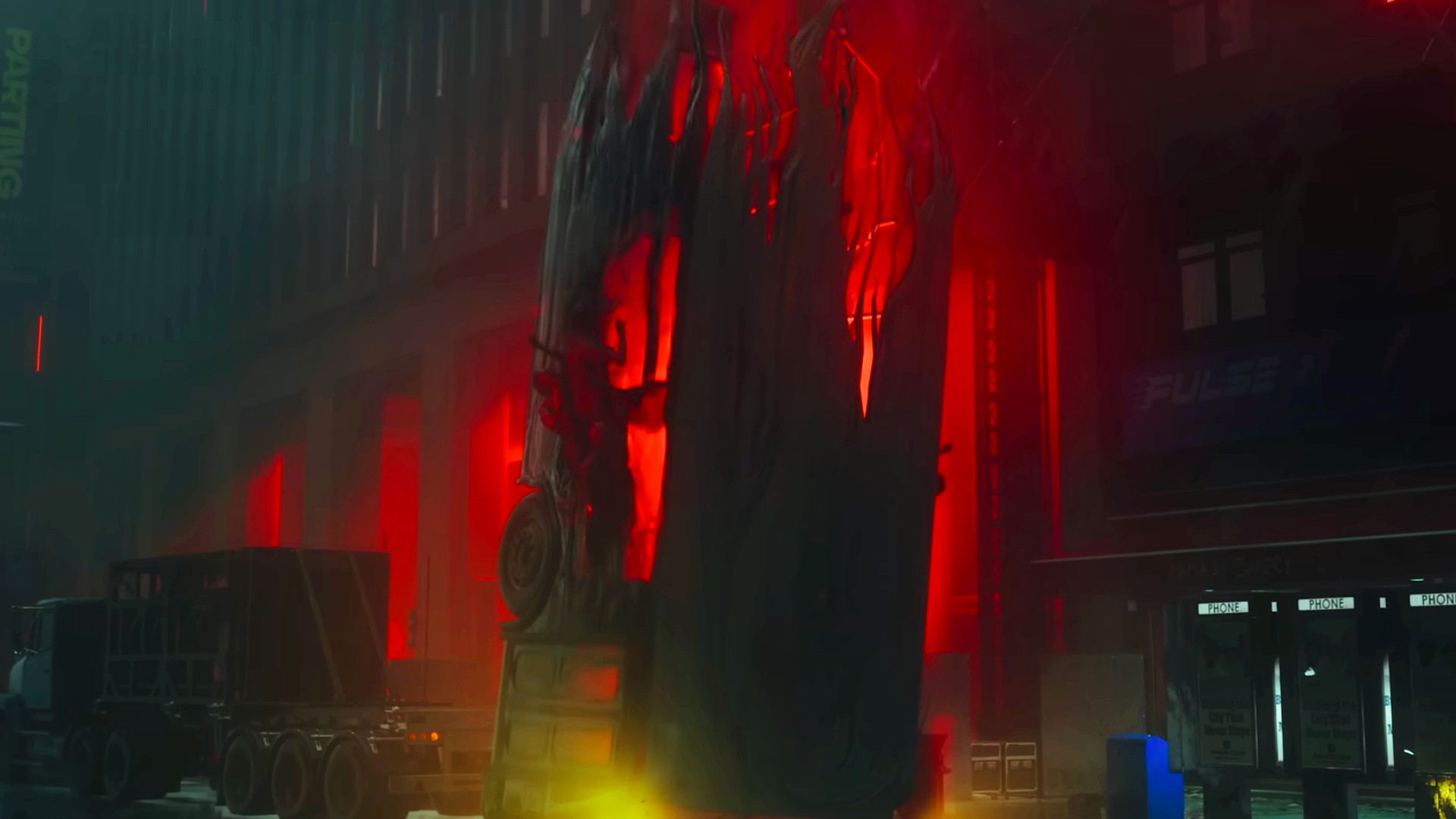
Mohov’s personal favorite is the Hiss-infested bus. It floats off the ground, tipped vertically, with passengers clawing out of the windows. Those passengers double as weak points, so destroying them can fast-track the takedown while the bus slams into the floor and disorients you with shockwaves. In a gravity anomaly it can even spawn bus seats that attack you, and finishing it off triggers an execution animation where you jump inside and blow it apart from within.
Music in Control Resonant
Music has long been part of Remedy’s identity, going back to Max Payne 2 building emotional moments around the Poets of the Fall track “Late Goodbye.” That band, often appearing as its in-universe alter ego Old Gods of Asgard, became closely tied to the studio. Standout sequences like Alan Wake 2’s “Herald of Darkness” and Control’s Ashtray Maze, set to “Take Control,” are frequently named among Remedy’s most memorable moments.
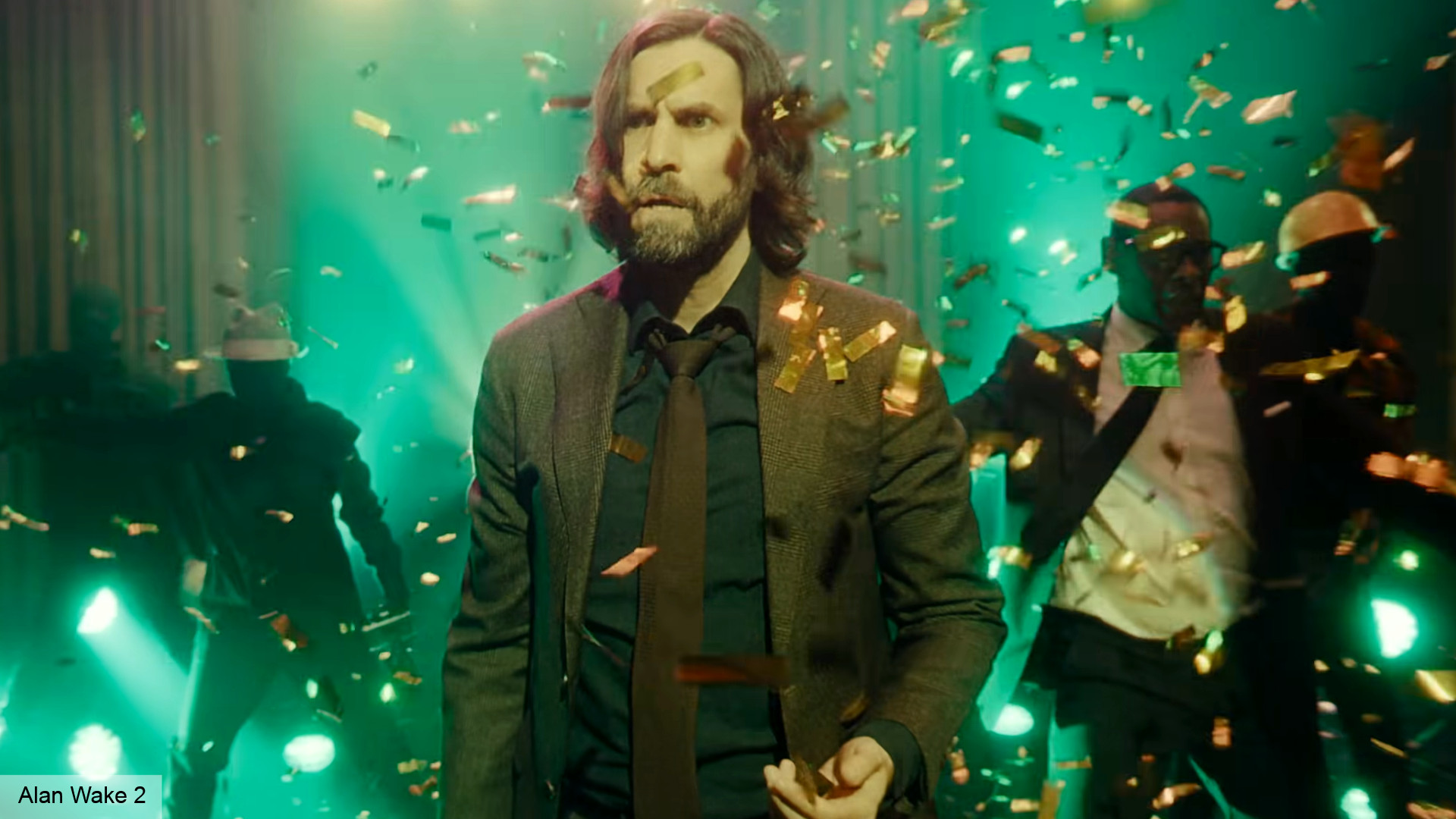
Asked whether Resonant has a comparable set piece, Mohov stayed coy, pointing out that part of why those moments land is that they were never spoiled. He did confirm that using music well has always mattered to the team, and that the studio has steadily built real levels around its songs since the Max Payne days.
One concrete example is “Manalan Mailla,” an exclusive track from Finnish folk singer Vilma Jää that debuted in the “Paranatural Manhattan” trailer at Summer Game Fest. The song was written specifically for Control Resonant and ties directly into its story. The title translates to “the land of Manala,” one of the names for the underworld in Finnish mythology, a fitting hint for Dylan’s journey.
Control Resonant release date and platforms
Control Resonant launches on September 24 for PC, PlayStation 5, and Xbox Series X. It is developed and published by Remedy Entertainment as an action role-playing game. Alongside it, the studio is working on remakes of Max Payne and Max Payne 2 with Rockstar Games and continuing support for FBC: Firebreak, all while a new CEO, Jean-Charles Gaudechon, has stepped in to lead the company.