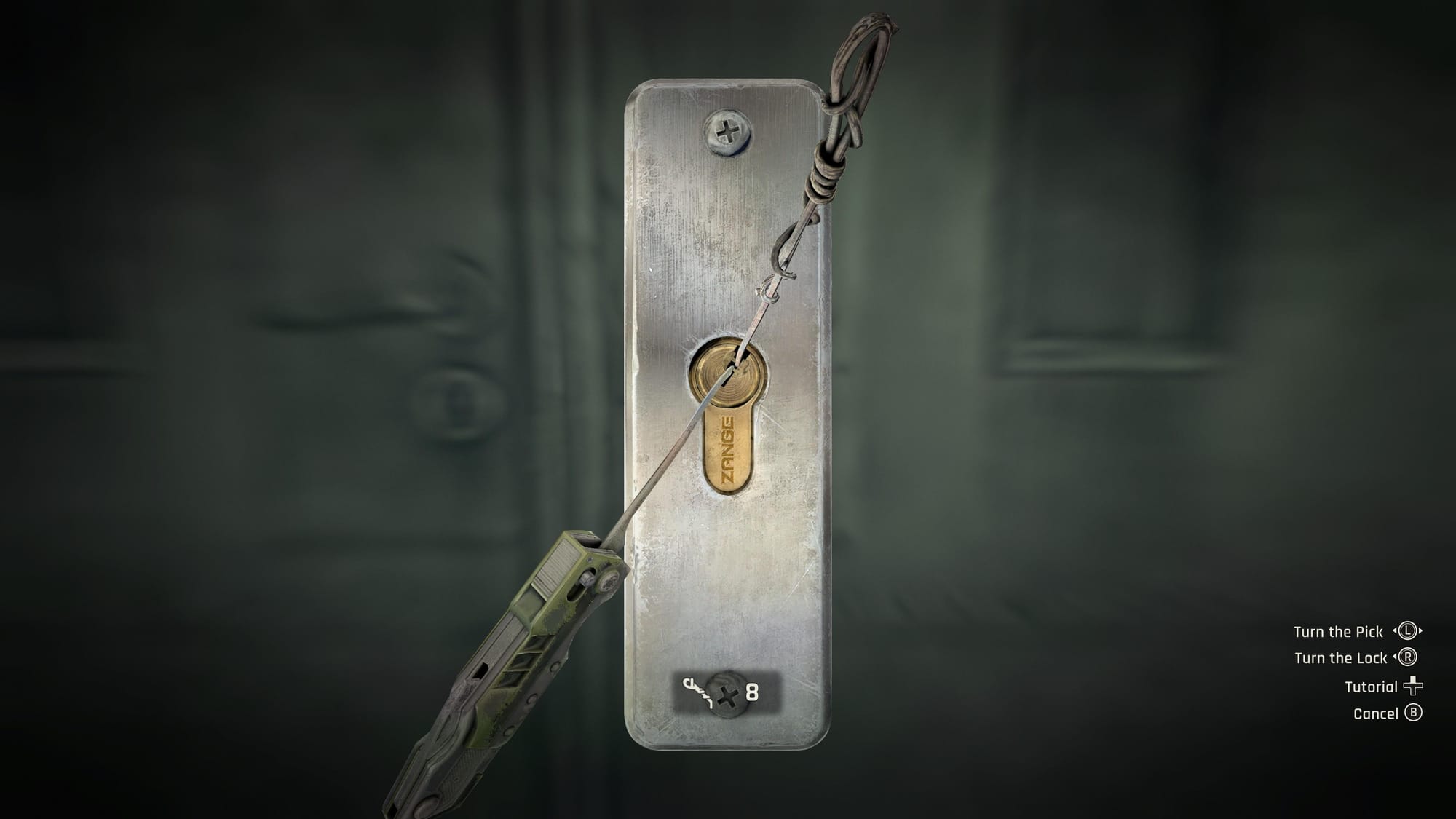
Lockpicking gates off high‑value loot and some story progress in Dying Light: The Beast. The minigame rewards calm, precise input; with a few repeatable techniques and a steady supply of lockpicks, you’ll open even tough locks without burning through your resources.
How the lockpicking minigame works
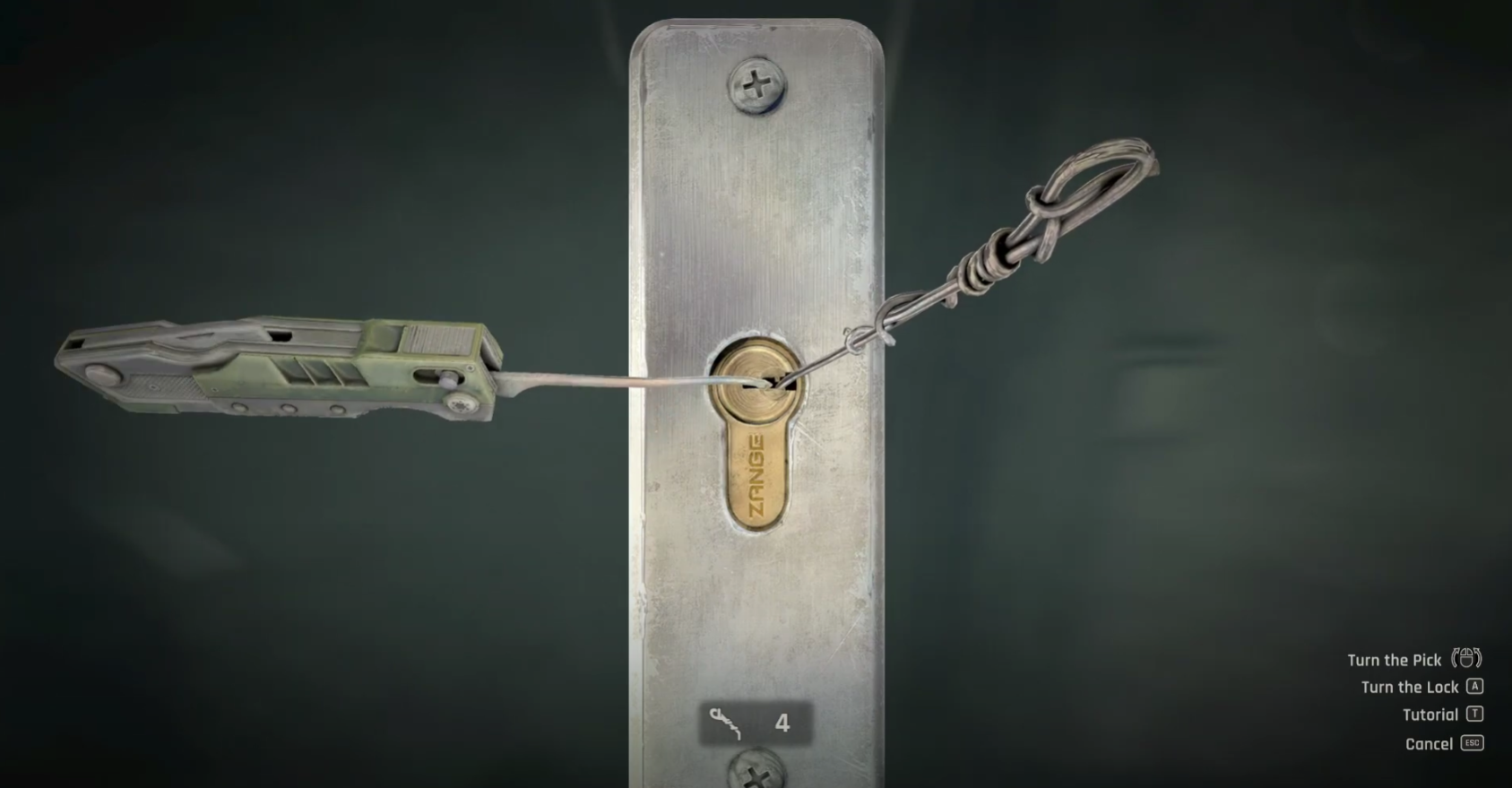
The goal is to set the pick to the lock’s “sweet spot” angle, then rotate the lock without meeting hard resistance. Easier locks tolerate a wider angle; harder locks require fine adjustments and patience. For most players, broken picks happen when forcing the lock while the pick is misaligned—so read the feedback carefully and stop the moment resistance ramps up.
WASD to move the pick. On controller, use the left thumbstick. Start at an extreme (far left or far right) or the center so you can methodically test positions.Inputs (default)
Pick angle: WASD / Left stick
Rotate lock: Mouse / Right stickright stick. If you feel immediate resistance or the cursor shudders, stop—this is the game telling you the angle is wrong.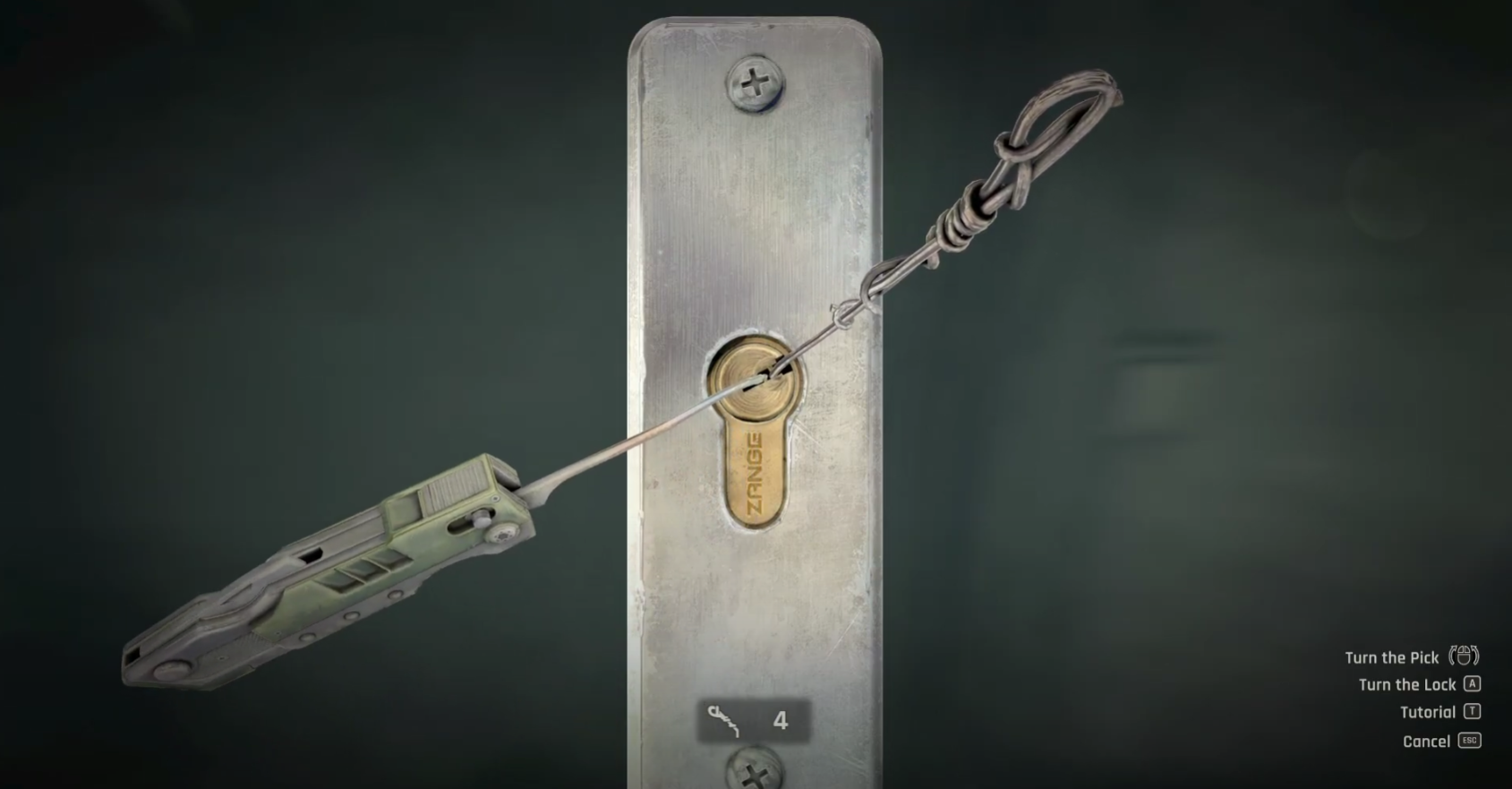
- If your controller’s haptics feel stronger on one side, move the pick toward the quieter side. Some players find this provides a directional hint on tougher locks.
- Lowering mouse sensitivity can make fine adjustments easier on PC.
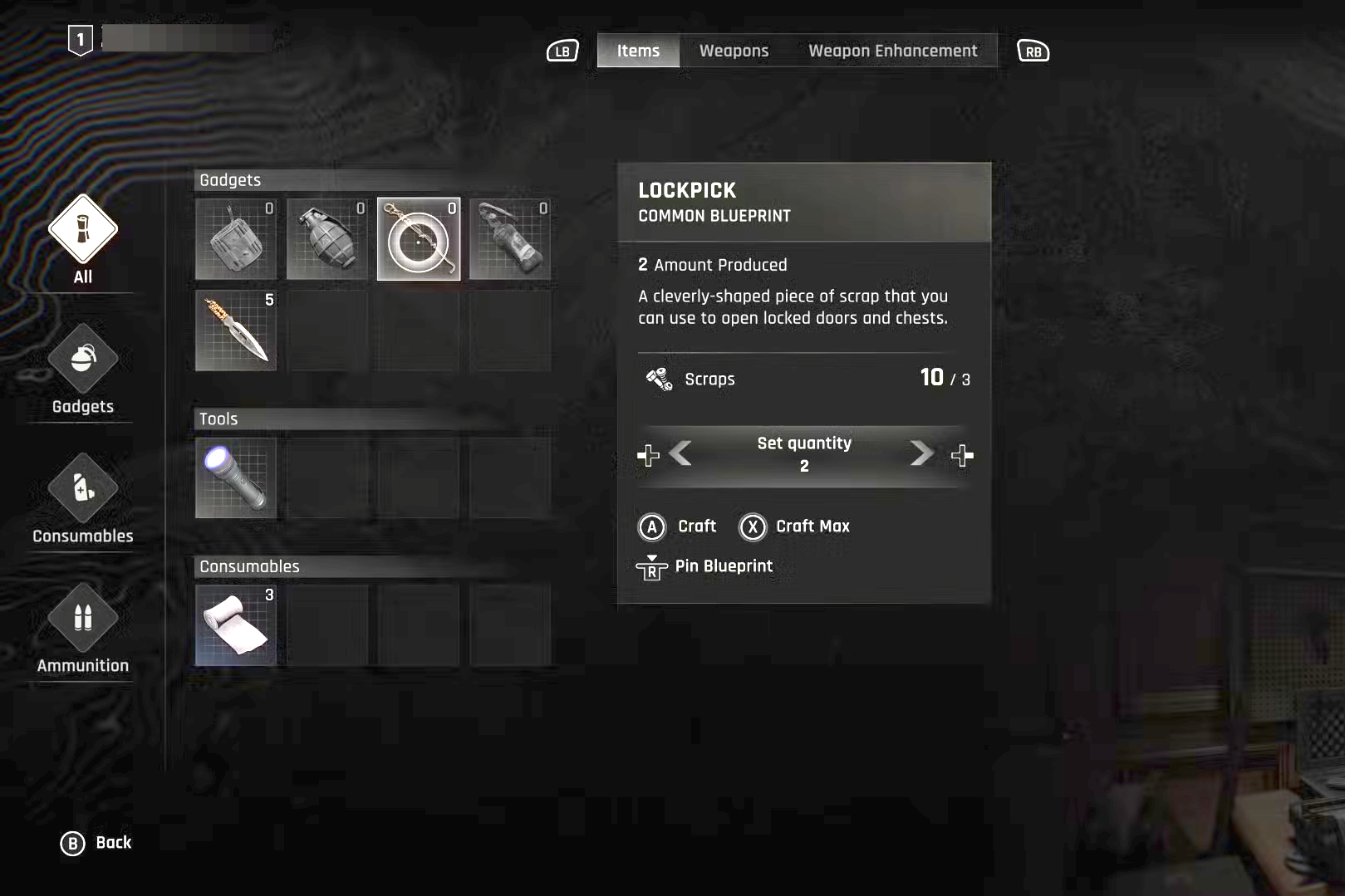
Crafting lockpicks anywhere
You never need to run dry. Lockpicks are quick to craft from commonly found materials, and you can do it from the field to keep opening containers without backtracking.
Open more locks with fewer broken picks
These habits reduce failures and speed up each attempt, particularly on hard and very hard locks.
Survivor Sense to scan first. Mark loot, hazards, and enemies so you aren’t surprised mid‑minigame. This is especially helpful in Dark Zones and busy interiors.Field checklist
- Carry a baseline of 10–20 lockpicks before night runs or Dark Zones.
- Convert spare weapons to Scrap instead of hoarding low‑durability items.
- Scan with Survivor Sense, then start picking from a safe posture (back to a wall or corner).
- Use deliberate testing and stop rotating at the first strong resistance.
Mastering the feedback loop—angle, test, adjust—turns even very hard locks into a short, repeatable routine. Keep Scrap on hand, craft on the fly, and you’ll rarely walk past a locked cache again.