How to get Pumpkin Seeds in Minecraft (Java and Bedrock)
Seven reliable methods to obtain seeds, with edition notes and quick planting basics.
Seven reliable methods to obtain seeds, with edition notes and quick planting basics.
by Pallav Pathak
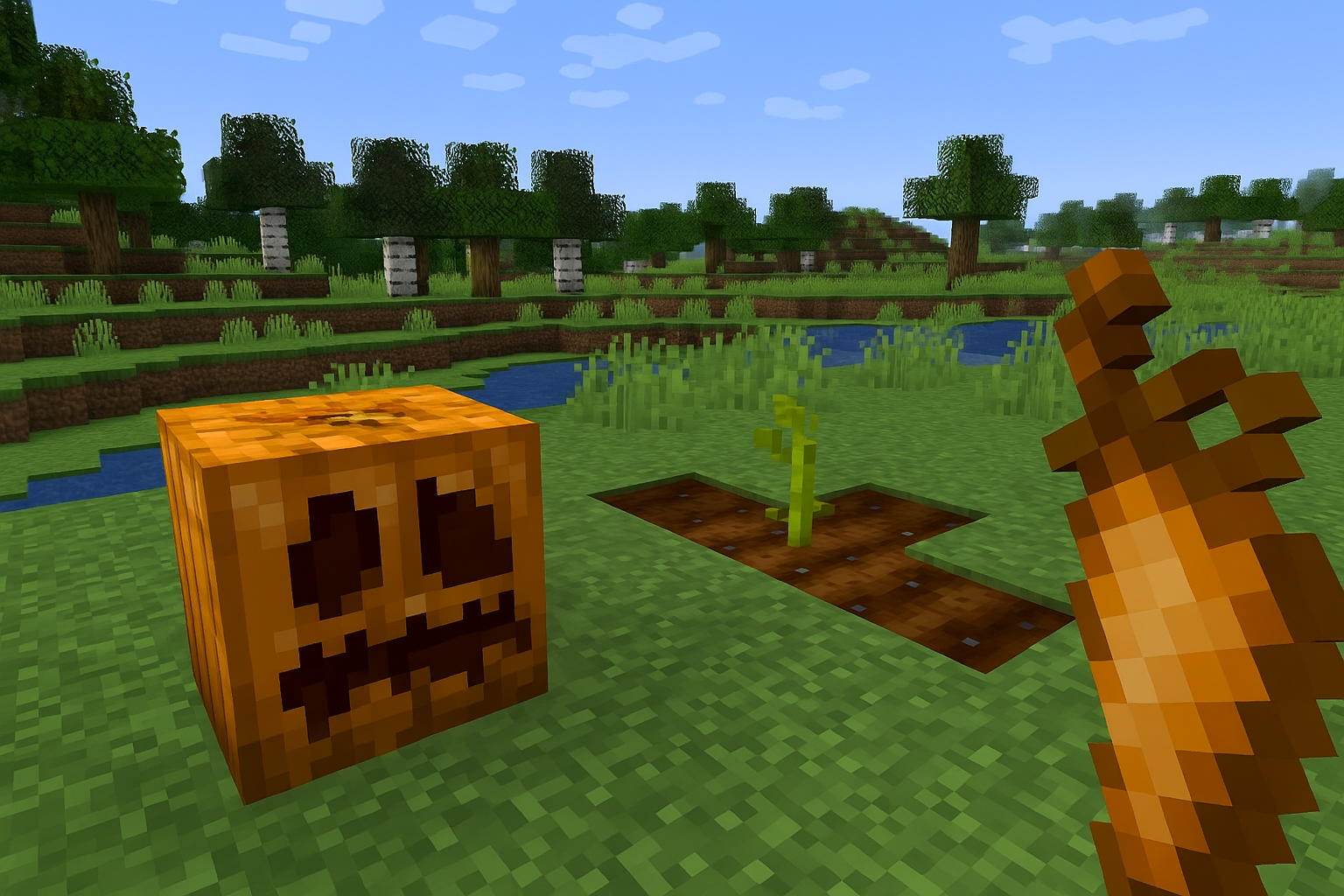
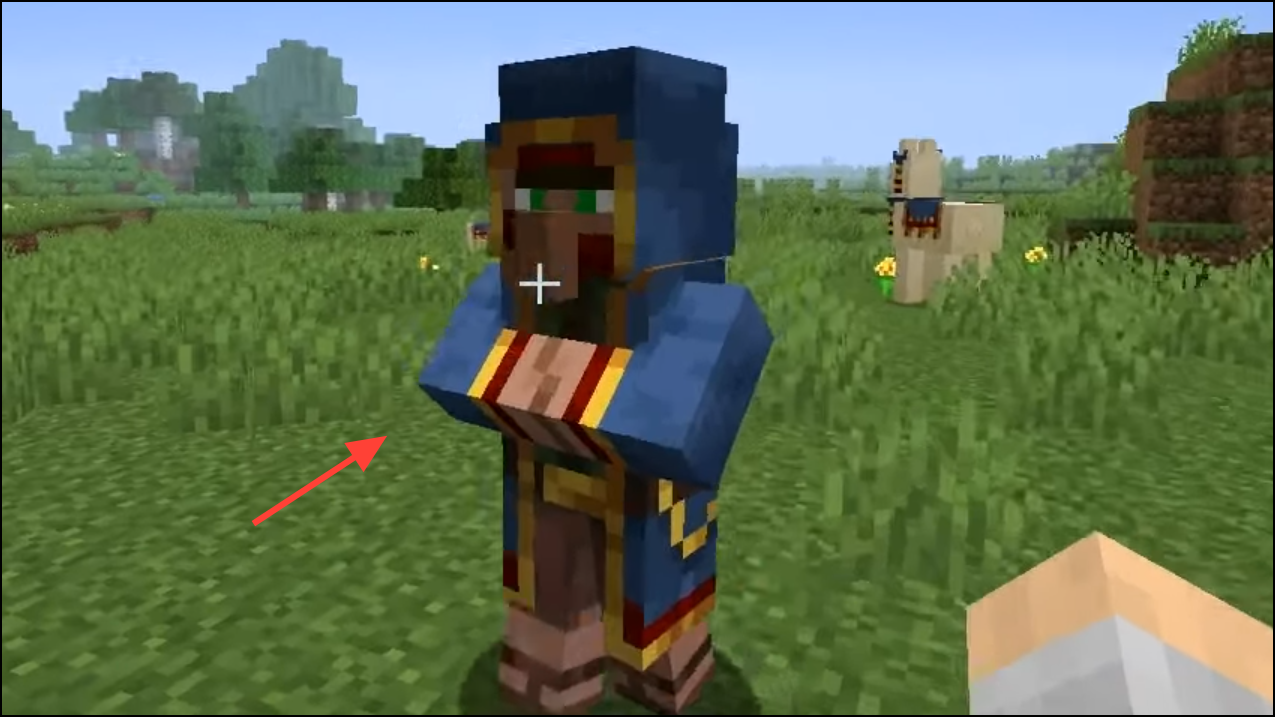
Crafting seeds from a pumpkin is the fastest, repeatable way to start a pumpkin farm. From there, you can also shear pumpkins, loot structures, trade, or harvest naturally generated stems. The steps below cover both Java and Bedrock editions and call out any differences.
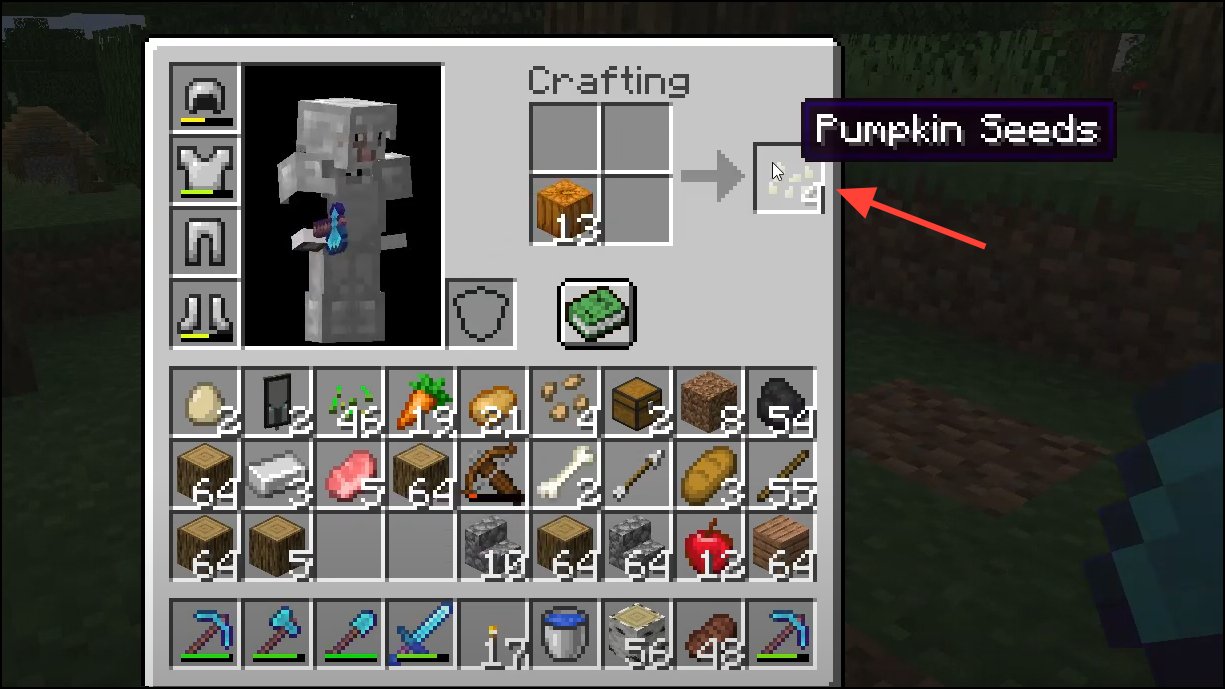
Method 1 — Craft seeds from a pumpkin (works in all editions)
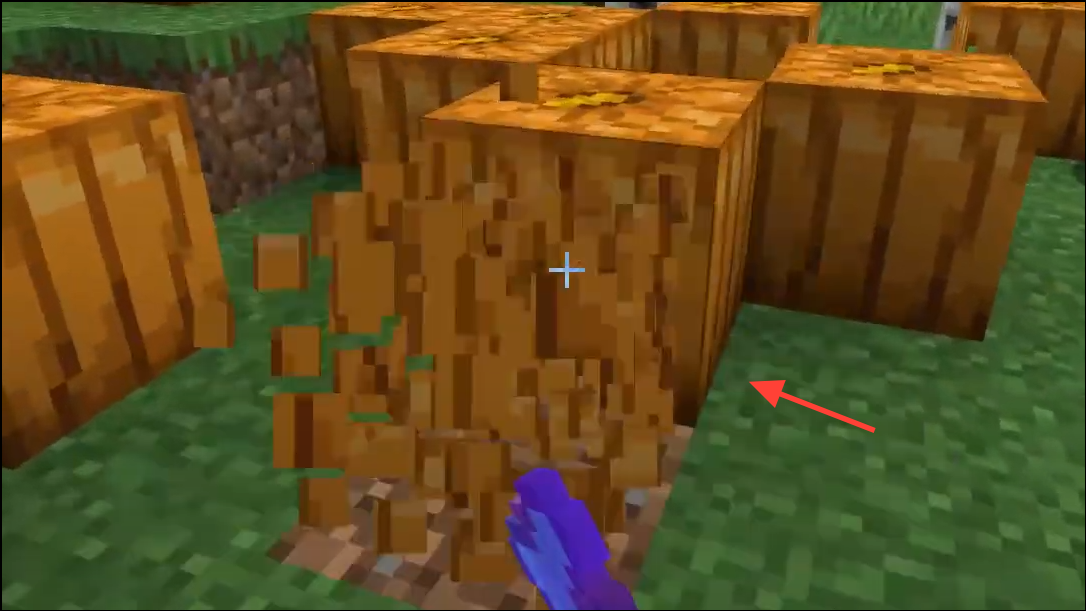
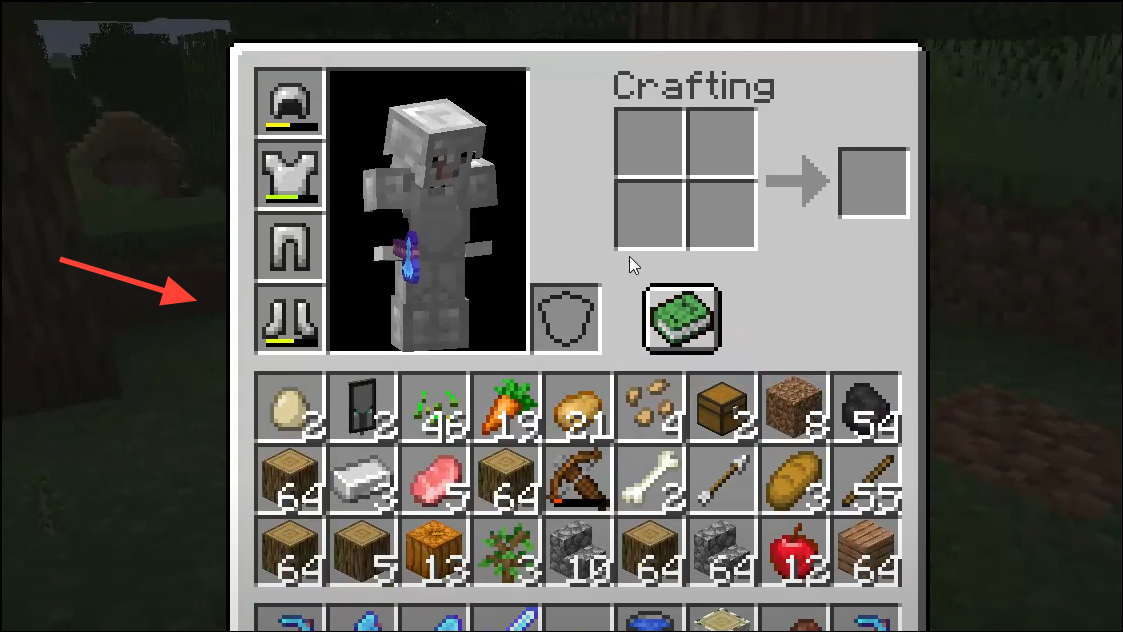
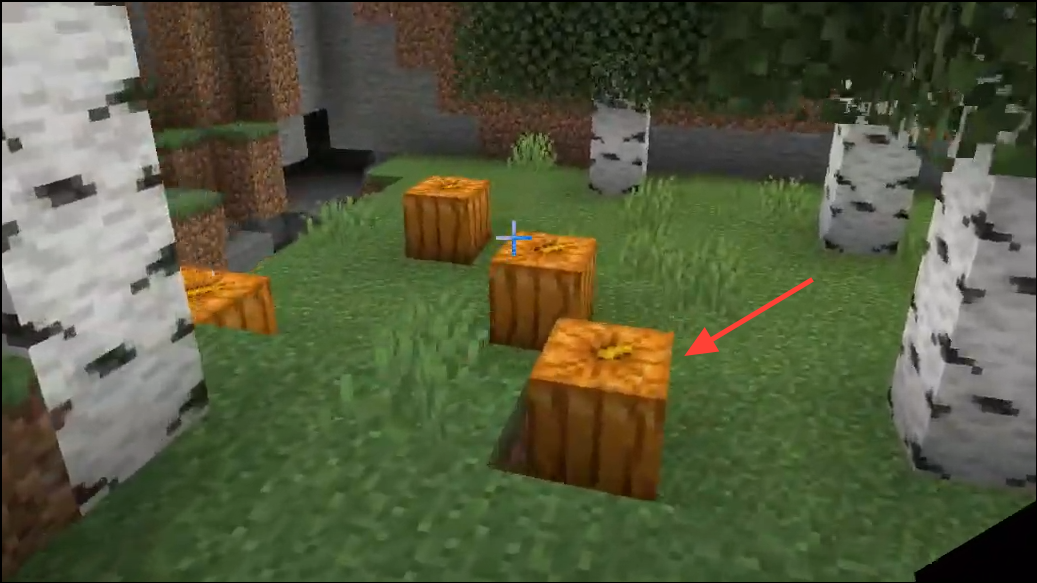
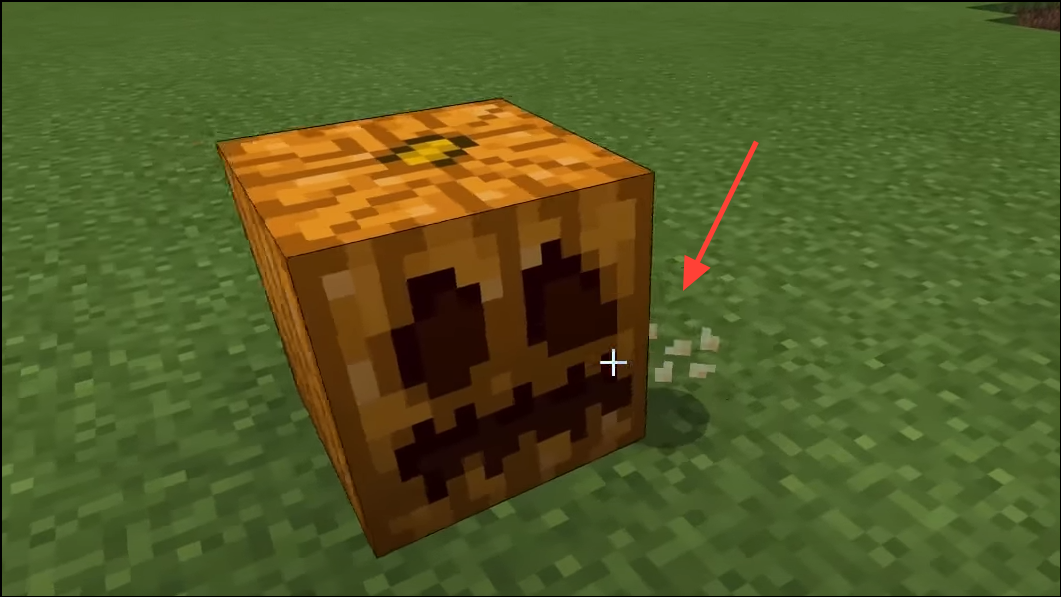
Obtain at least one pumpkin by any legitimate means in your world. One pumpkin is enough to bootstrap unlimited seeds because each craft yields multiple seeds.
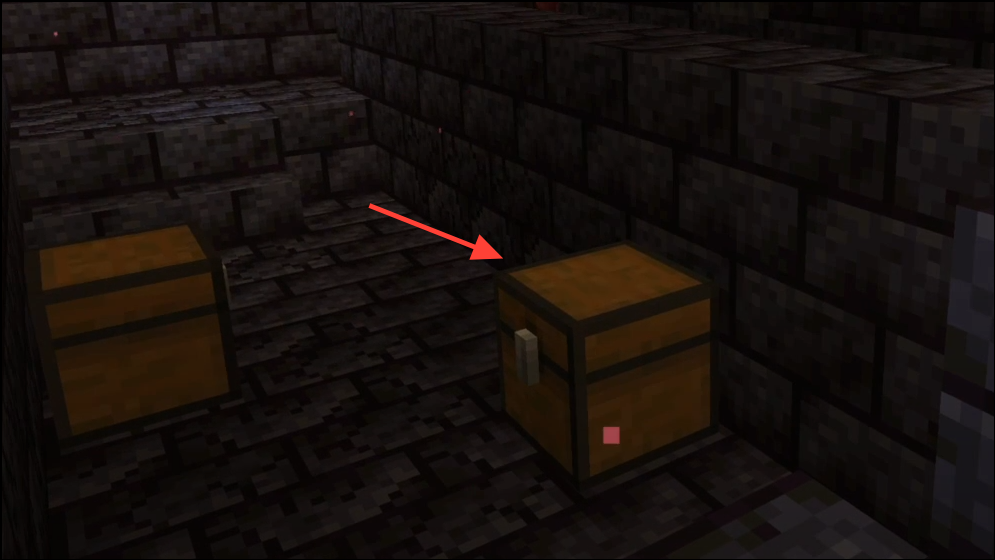
Explore structures that can contain pumpkin seeds in their chests. Look in mineshafts, dungeon/monster rooms, taiga village houses, and woodland mansions.
Locate places where pumpkin stems generate by default. Stems appear in woodland mansion farm rooms in both editions, and in taiga and snowy taiga village farms in Bedrock Edition.
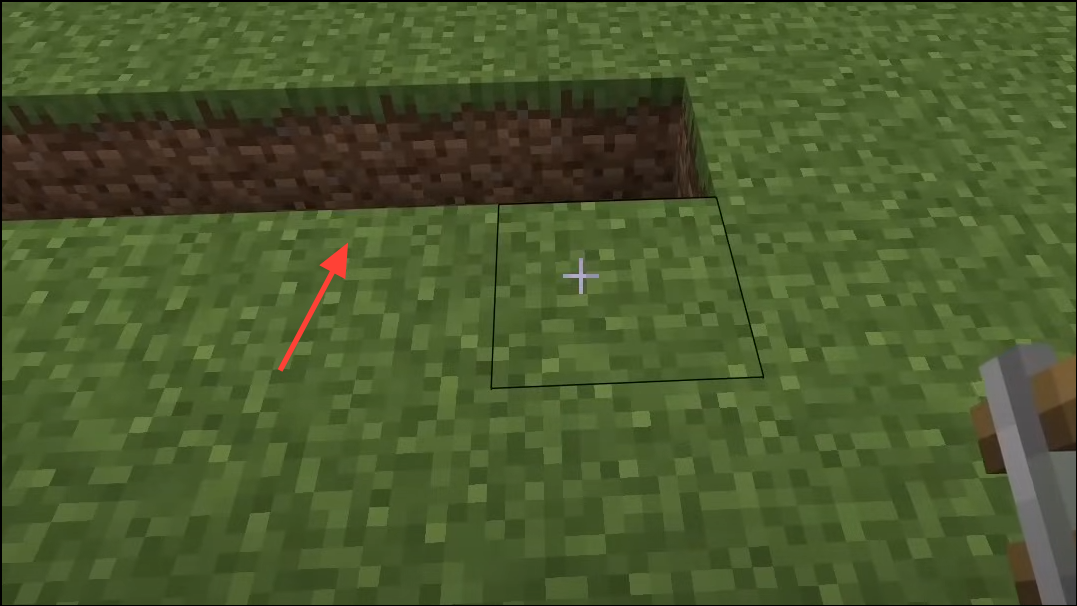
Prepare farmland and light. Till soil with a hoe to create farmland and keep the area at light level 9 or higher so stems grow reliably (Bedrock uses internal light level).
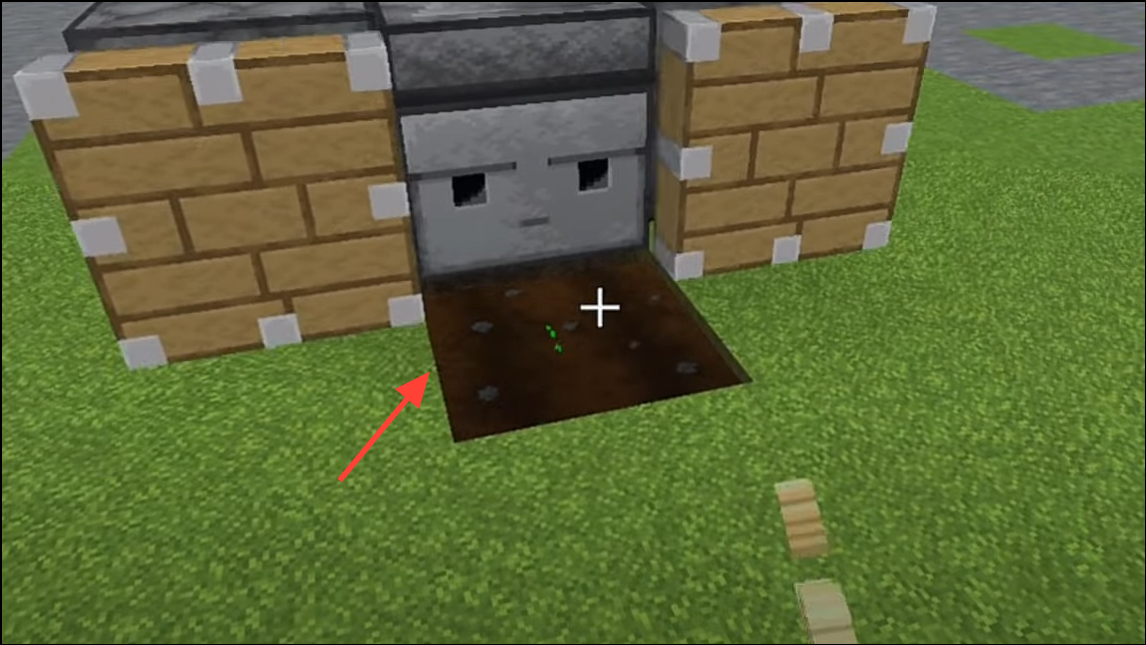
Plant seeds on farmland; make space for fruit. A stem grows on farmland but produces its pumpkin on an adjacent block. Leave at least one adjacent block as a valid target (dirt, coarse/rooted dirt, grass block, farmland, podzol, mycelium, moss or pale moss block, mud, or muddy mangrove roots).
Accelerate stem growth if needed. Bone meal speeds up stem growth only; it does not force the pumpkin to appear. Once a pumpkin is present next to a stem, it won’t make another until that fruit is removed. Each stem can produce unlimited pumpkins over time.
Break stems only if you need more seeds; you slow your farm by removing mature stems.
Maintain water near farmland to prevent it from drying and reverting to dirt when trampled.
With one pumpkin, you can craft enough seeds to start a compact farm and scale quickly. As backups, trades, chest loot, and stem harvesting give you multiple safety nets early game.