
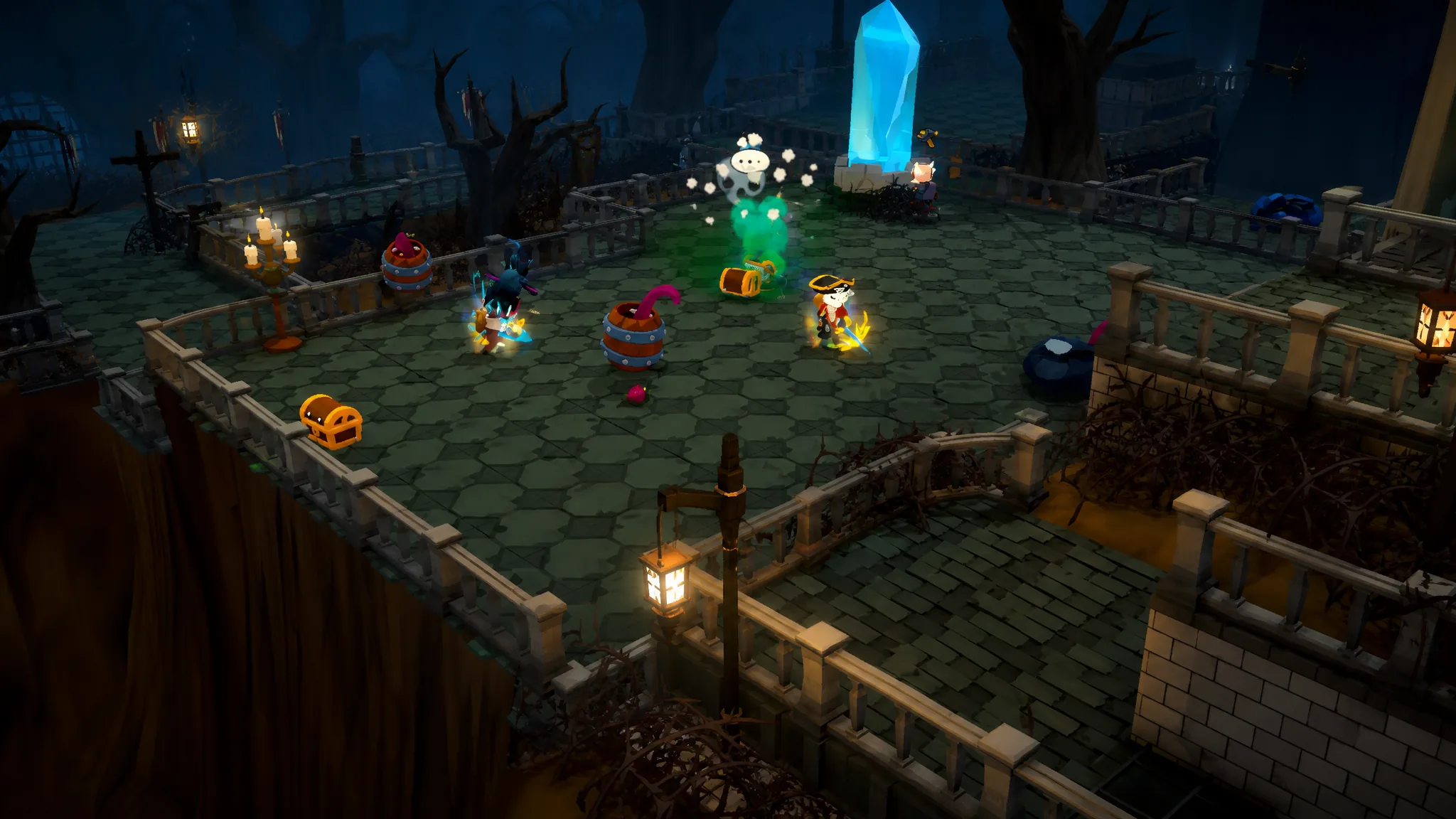
SpiritVale just hit Early Access, and the first real decision every player faces is which of the seven starting classes to lock in. Each base class carries its own weapon, main stat, and combat feel, and each one eventually branches into an advanced job once you reach Job Level 50. The gap between the classes is less about raw ceiling and more about how much pain you tolerate on the way up, so this ranking weighs comfort and consistency alongised damage.
Quick answer: Pick Warrior or Summoner for the smoothest early game. Warrior clears mobs with wide melee attacks while staying durable, and Summoner lets its companions absorb pressure while you fight from the backline.
SpiritVale base class tier list
The table below ranks all seven starting classes by how easy and effective they feel during Early Access leveling. Tiers reflect general efficiency, survivability, and how forgiving each class is, not a strict damage chart.
| Tier | Base classes | Advanced job |
|---|---|---|
| S | Warrior, Summoner | Berserker, Necromancer |
| A | Mage, Knight, Rogue | Wizard, Paladin, Shinobi |
| B | Scout, Acolyte | Gunslinger, Priest |
How this was ranked: each class was judged on clear speed, survivability, gear dependence, and how punishing its mistakes are during solo progression. This ranking reflects the SpiritVale Early Access build as of July 2026, and it will shift as balance patches land.
Why Warrior and Summoner sit at the top
Warrior is the cleanest melee pick in the game right now. Its wide, spin-style attacks empty entire packs in a single button press, and life-leech mechanics keep you topped up while you fight. The class scales into large HP totals almost by accident, so even offensive builds end up surprisingly hard to kill. You do not need careful positioning to make it work, which is exactly why it is such an easy first character.
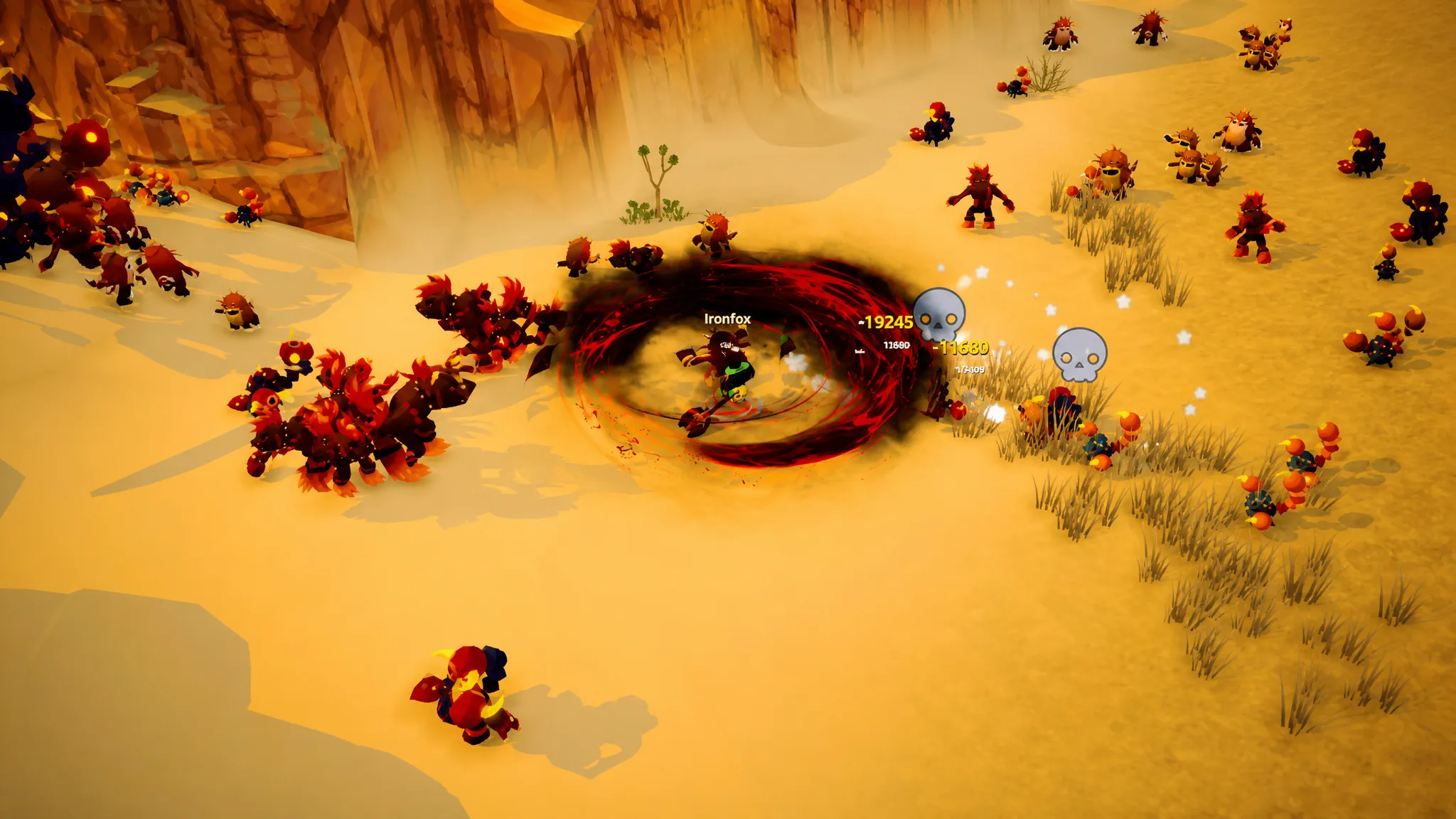
Summoner earns its place through sheer comfort. Your companions do most of the fighting while you support from a safe distance, which keeps boss fights far less stressful than most other classes. Even after earlier nerfs, it remains one of the strongest options for solo players. The Necromancer advanced job pushes this further, letting you command undead and even raise defeated enemies to fight on your side.
The A-tier trade-offs
Mage delivers fast clears with heavy area-of-effect elemental spells, so leveling rarely slows down when you can vaporize a whole pull at once. The catch is fragility. Misjudge your spacing or mistime a cast and you fold quickly, so you have to keep enemies at range.
Knight is the balanced pick built around spear-and-shield combat and VIT scaling. It does not hit as hard as Warrior, but its durability makes it a dependable frontline choice for beginners, and its Paladin path opens up holy support and tanking in later content.
Rogue is an S-tier class in skilled hands and a liability in careless ones. The damage and clear potential are real, but the class leans on dodge timing, and taking hits ends runs fast. New players should approach it with caution. It smooths out considerably once it advances into Shinobi.
Why Scout and Acolyte land in B-tier
Scout looks strong on paper as a mobile ranged attacker, but it is extremely fragile and leaves almost no room for error during early progression. Its base damage stays low until you invest levels and gear, so every fight demands constant dodging. If you want ranged play right now, Mage is the more forgiving route. Scout does pay off later as Gunslinger, which offers some of the highest ranged burst in the game once you master kiting.
Acolyte is the only healing-focused starting class, and it is genuinely valuable in group content. The problem is solo play. Without teammates to heal and buff, its limited damage makes it the slowest class to level alone. It becomes far more impactful once it advances into Priest and slots into a dedicated support role.
Base class to advanced job progression
Each base class advances into one confirmed job once you reach Job Level 50. Weaver exists separately as a special class outside the standard seven paths. Exact quest steps and unlock requirements can change during Early Access, so confirm them in the live build.
| Base class | Advanced job | Direction |
|---|---|---|
| Warrior | Berserker | Heavy melee offense and aggressive pressure |
| Summoner | Necromancer | Summons, undead control, and tactical positioning |
| Mage | Wizard | Elemental magic and ranged spell damage |
| Knight | Paladin | Frontline defense, protection, and threat control |
| Rogue | Shinobi | Agile melee, mobility, and technical skills |
| Scout | Gunslinger | Ranged precision, mobility, and kiting |
| Acolyte | Priest | Healing, protection, buffs, and party support |
Best class to pick by playstyle
Tier placement matters less than matching a class to how you want to play. If you already know your preferred role, start there, then treat the tier list as a tiebreaker.
| Playstyle | Best base class |
|---|---|
| Simple, forgiving melee | Warrior |
| Solo play with companions | Summoner |
| Durable frontline tank | Knight |
| Ranged elemental magic | Mage |
| Fast, skill-based melee | Rogue |
| Ranged physical kiting | Scout |
| Healing and party support | Acolyte |
Every class in SpiritVale can eventually clear all of the game’s content with enough gear, skill investment, and card and Artifact setups. The rankings here are about the smoothest path to that point, not a verdict on which classes are viable. As Baikun Interactive ships new balance patches through Early Access, expect these placements to move, especially around fragile classes like Scout and support-focused Acolyte.