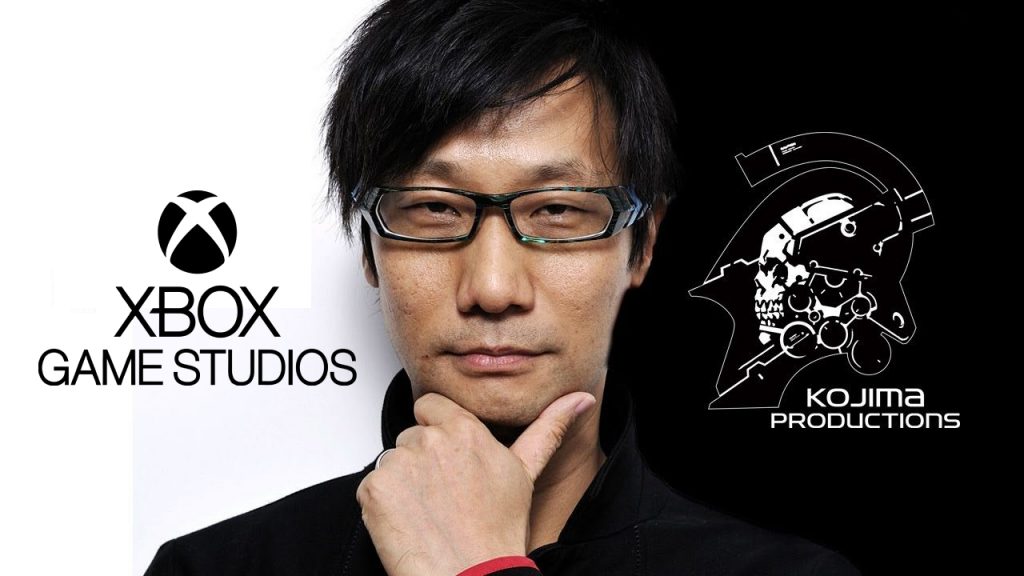
Xbox CEO Asha Sharma has framed the platform’s future around one idea: keep it open enough that the next generation-defining creator can break through on it. Speaking as part of an Entertainment Weekly feature built around Xbox’s 25th anniversary, Sharma argued that games still have room to grow and that Xbox needs to lower the barrier for developers to build and succeed there. Her phrasing was direct, saying “the next Kojima is yet to be known.”
Quick answer: Sharma said Xbox “has not reached the boundary of games” and wants the platform “sufficiently open so more creators and developers can come on board and be successful,” because she believes a creator on Hideo Kojima’s level has not emerged yet.
What Asha Sharma actually said about the “next Kojima”
The comments came near the end of a wide-ranging Xbox cover feature, where Sharma described an ambition to widen the platform to more developers, more types of games, and more ways to play them. The message lands on two points. First, that the medium itself is not finished evolving. Second, that openness is the mechanism Xbox plans to use to find talent it cannot predict in advance.
XBOX has not reached the boundary of games, and, therefore, we need to make sure our platform is sufficiently open so more creators and developers can come on board and be successful, because the next Kojima is yet to be known.
This isn’t a one-off line. Earlier in the year, in an interview with Game File, Sharma said the company told its team it wants “the platform to be open for more people to create on the platform and more players to participate in customizing and extending that.” The “next Kojima” framing is the creator-facing version of that same openness pitch.
How OD fits into the argument
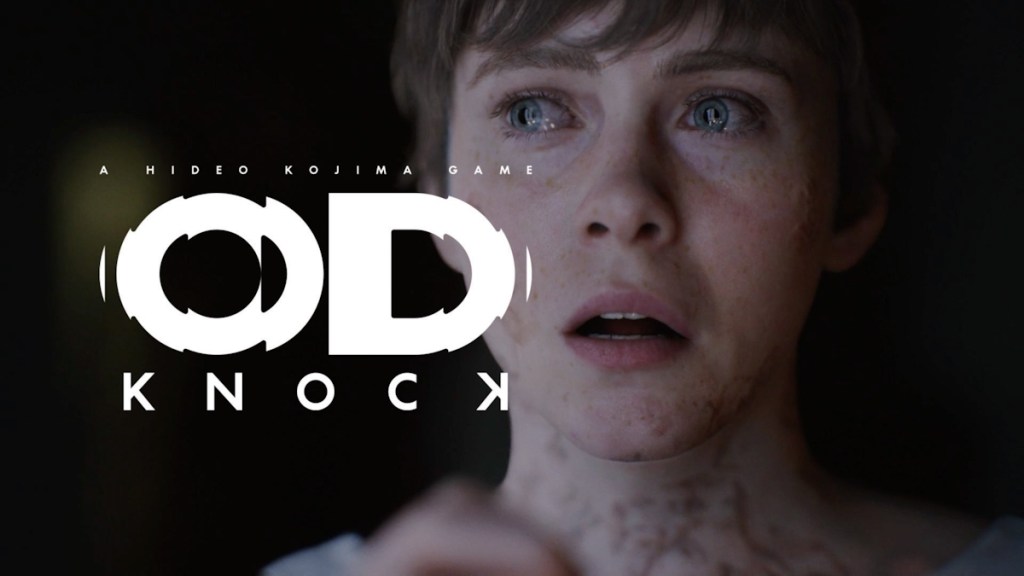
Sharma’s openness pitch is anchored to a real example: OD, the Kojima Productions horror game being published as an Xbox console exclusive. Kojima has described it as something that crosses a traditional video game with a deeply cinematic experience, built on what he calls a “new game system” that “no one has ever seen before.” He has said he carried the concept since his time working on Death Stranding and developed it alone in the early stages.
The reason OD matters to Sharma’s point is the pitch process behind it. Kojima said he approached both big companies and up-and-coming ones, and that nearly all of them told him the concept was crazy and that they could not make it. Former Xbox boss Phil Spencer was the one who signed it. Sharma has described OD as a “deeply moving game” that needs room to become “another kind of game,” positioning Xbox as the publisher willing to back ideas other companies pass on.
Kojima has also teased a system meant to keep players moving forward even when the game becomes too frightening to continue. He’s described OD as a single-player title built to be as scary as possible, with a mechanism designed to help players who would otherwise stop. The game stars Sophia Lillis and Hunter Schafer, with Jordan Peele involved in its creation. It does not currently have a release date.
The open platform plan in plain terms
“Open” here covers more than developer recruitment. Sharma’s broader vision touches storefronts, hardware, and pricing, with the through-line being fewer barriers for both creators and players. Here is how the pieces line up based on what she and Xbox leadership have said.
| Area | What Sharma has signaled |
|---|---|
| Creators | Make it easier for more developers to onboard and succeed, to surface talent the company cannot predict. |
| Storefronts | Want the platform open for people to “create” and for players to customize and extend it; no firm policy detailed for every device yet. |
| Hardware (ROG Xbox Ally) | Sharma said she wasn’t part of those conversations and that decisions will be made “going forward as a team and with our partners.” |
| Pricing | Acknowledged pricing “hasn’t been as flexible,” pointed to a Game Pass price drop, and said the goal is more affordable devices and services. |
| Exclusives | Taking a “data-driven” and “strategic-driven” approach, prioritizing “the right decision, not the fastest decision.” |
Note: The openness language is not the same as a confirmed feature rollout. Sharma has been careful to avoid committing to specific price points, timelines, or hardware policies, repeatedly saying the company will “share more when we can.”
Why the timing draws skepticism
The “next Kojima” optimism arrives against a rougher backdrop. Reports have circulated about layoffs, studio closures, and canceled projects across Xbox, which sits awkwardly next to a message about welcoming more creators. That tension is the main reason the comments are being read with caution rather than taken at face value.
At the same time, Xbox has leaned back toward big first-party output, with a June showcase that signaled a renewed focus on exclusives and core franchises like Halo, The Elder Scrolls, and Gears of War. Sharma’s bet is that backing distinctive, hard-to-classify projects like OD is how Xbox differentiates itself, and that an open platform increases the odds of finding the next creator who reshapes what a game can be.
For now, the practical takeaway is narrow. There is no named “next Kojima,” no new storefront policy locked in for every device, and no OD release date. What exists is a stated direction from Xbox’s leadership, and a flagship project in OD that the company is using as proof it will publish ideas others won’t touch.