
Playground Games gave its Fable reboot its most detailed showing yet, with roughly half an hour of continuous gameplay shown right after the most recent Xbox summer showcase. The focus was less on the main quest and more on the web of social, economic, and life-sim systems that sit underneath it. Here is what the demo actually confirmed about how Albion works.
Quick answer: Fable launches February 23, 2027 on Xbox Series X/S, PC, PlayStation 5, and Game Pass, with Premium Edition owners getting access on February 18. The demo centered on a “Living Population” of more than 1,000 named NPCs, a town-by-town reputation system, ownable homes and businesses, and the ability to romance, marry, or kill any adult character.
This is not Fable 4
The developers were clear that the new game is a standalone take rather than a numbered sequel. It is described as Playground’s own interpretation of what Fable means, built around the tone and ideas the team considers essential, and it is not directly tied to any of the earlier games. The studio also confirmed it had no involvement from Peter Molyneux on this project.
The pitch is a “game within a game” that doubles as a life sim, a social sim, and an economic sim all at once. Three pillars carry over from the series, a fairytale tone, a distinctly British sense of humor, and decisions that produce long-term consequences.
The Living Population gives every NPC a life of its own
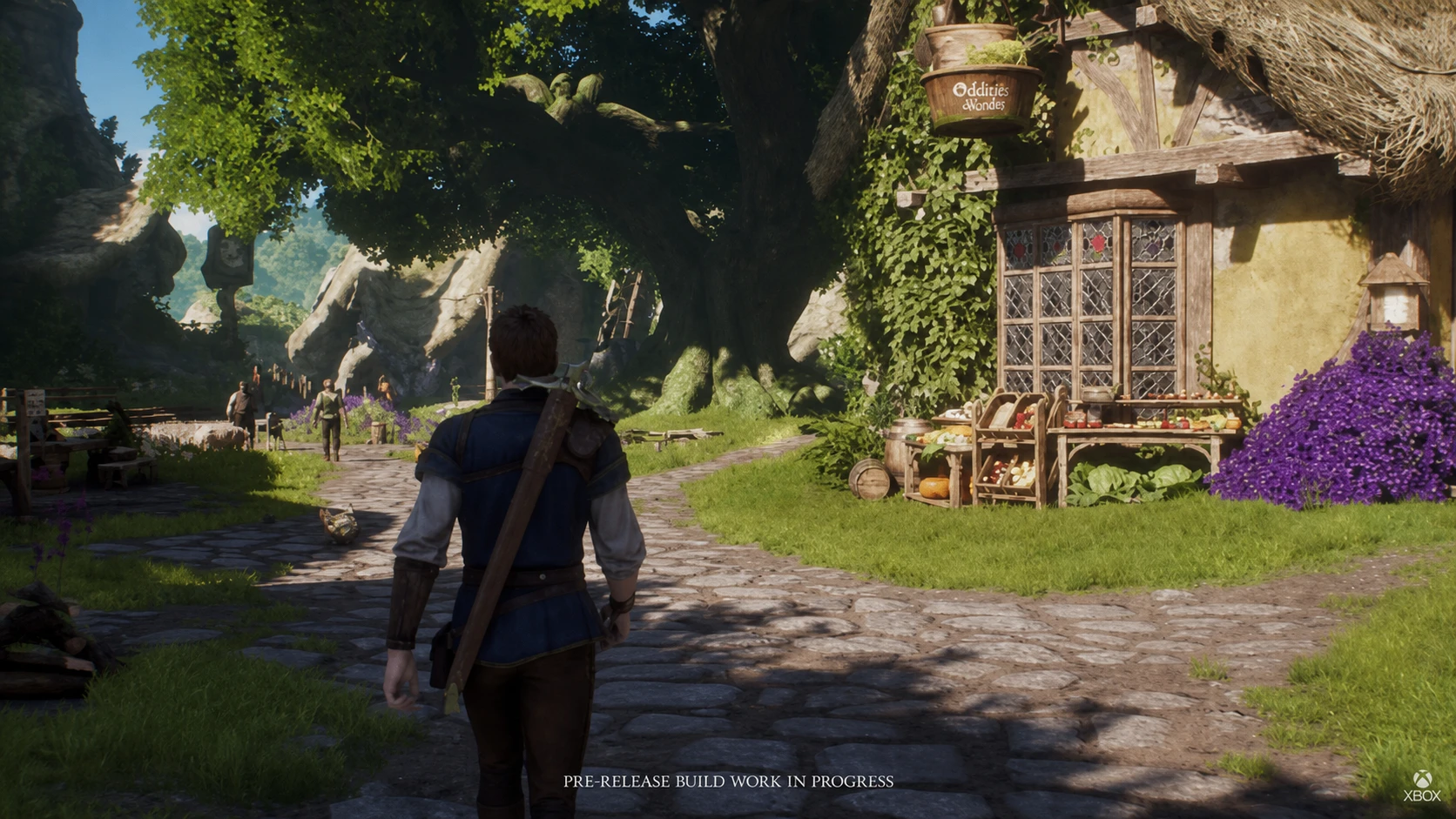
The headline system is what Playground calls the Living Population. More than 1,000 NPCs fill Albion, and each one has a name, a home, a job, a daily schedule, personality traits, and fully voiced dialogue. They go about their routines whether you are watching or not, waking up, heading to work, visiting pubs, and returning home.
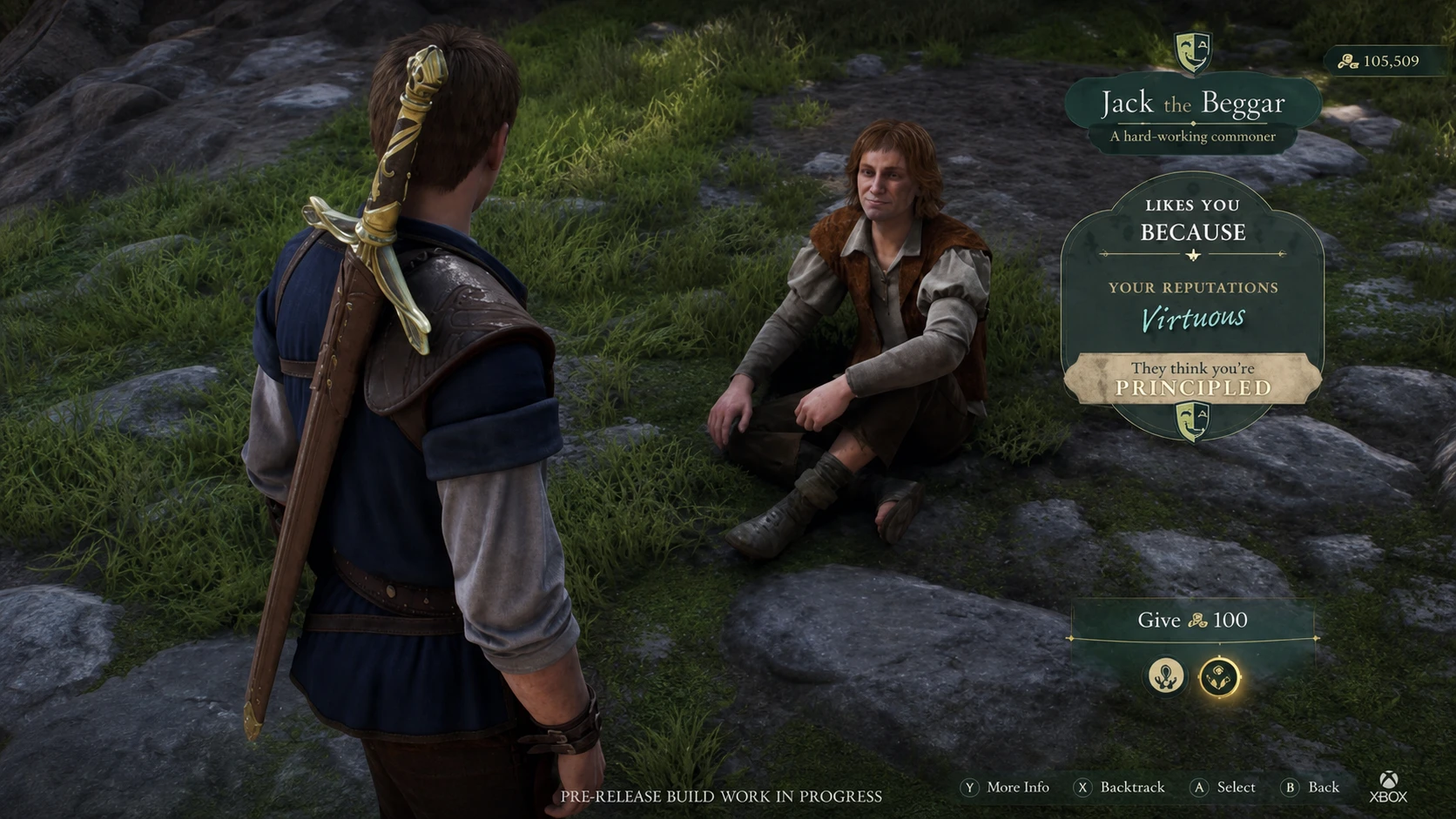
Crucially, they remember you. A beggar you help can become loyal, a spouse you betray may never forgive you, and someone whose relative you kill will hold onto that. Each NPC also carries a personal moral code shaped by who they are, such as a hardworking commoner or an ambitious commoner, which determines how they judge your actions.
Reputation is localized, not a single morality bar
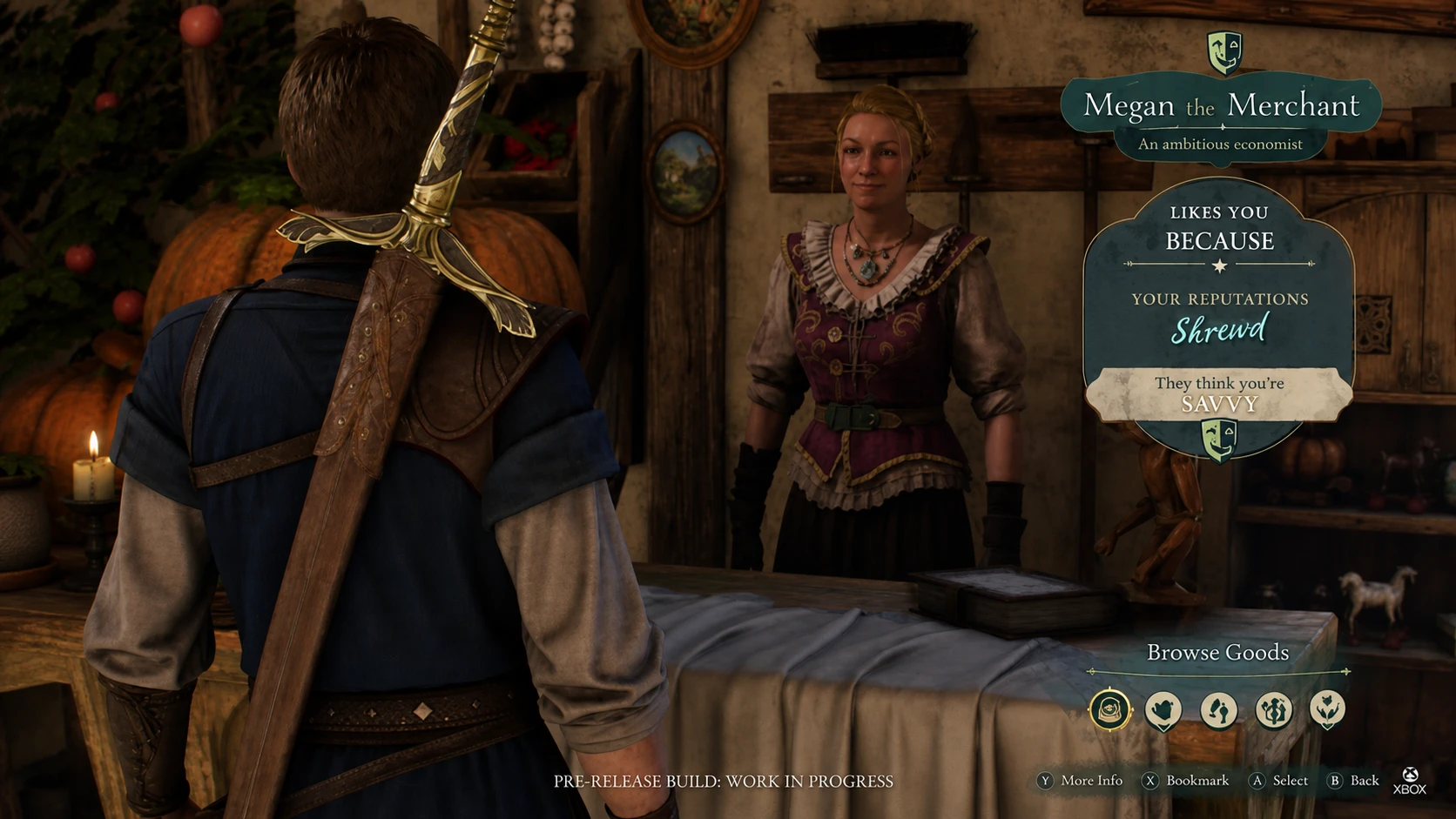
Reputation is built from what people see you do, not from an abstract score. Almost everything feeds into it, from how you handle a conversation to how a romance plays out to how freely you spend. That produces a long list of possible reputations, including virtuous, kind, rich, cruel, heartless, and out of order.
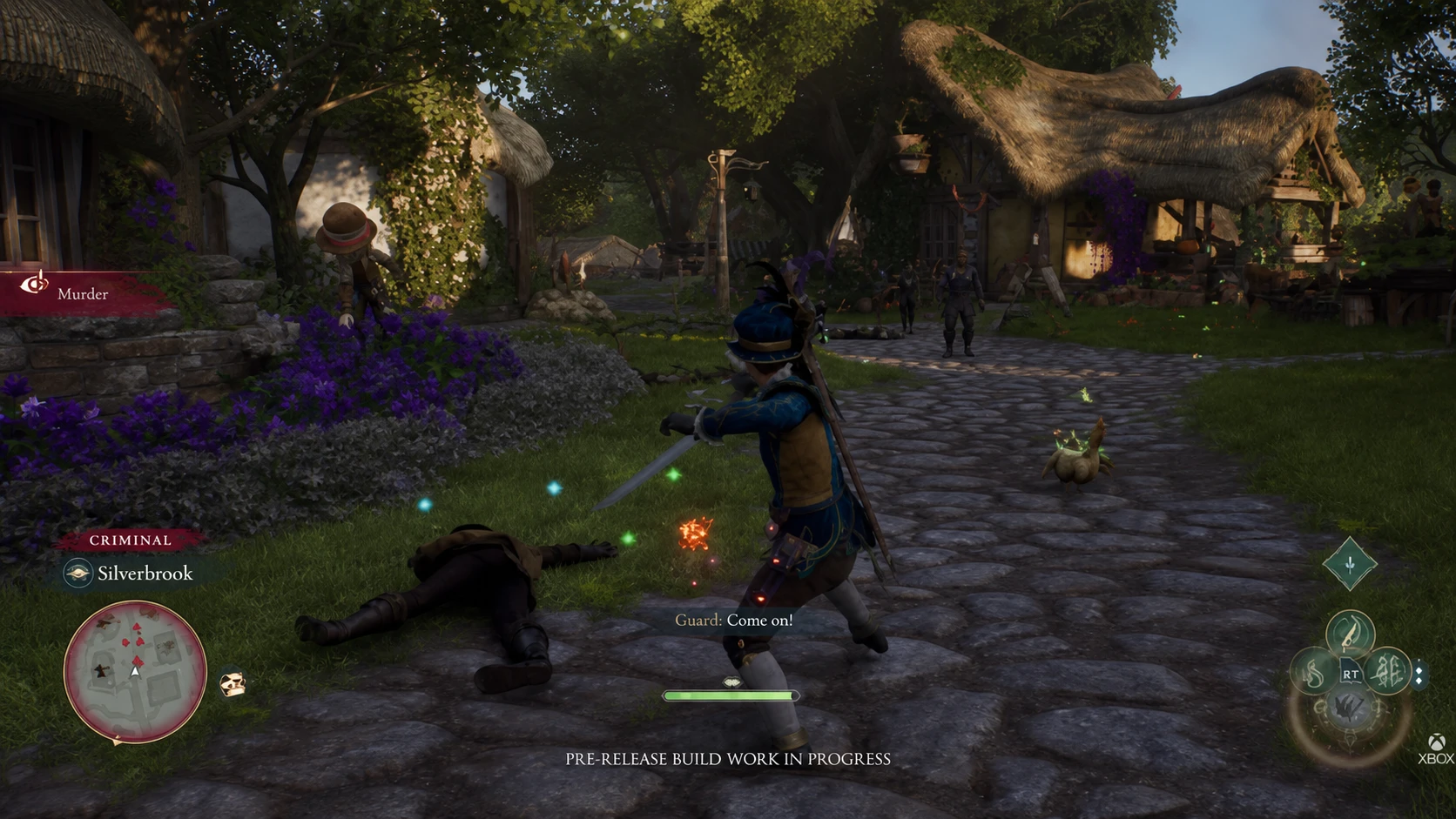
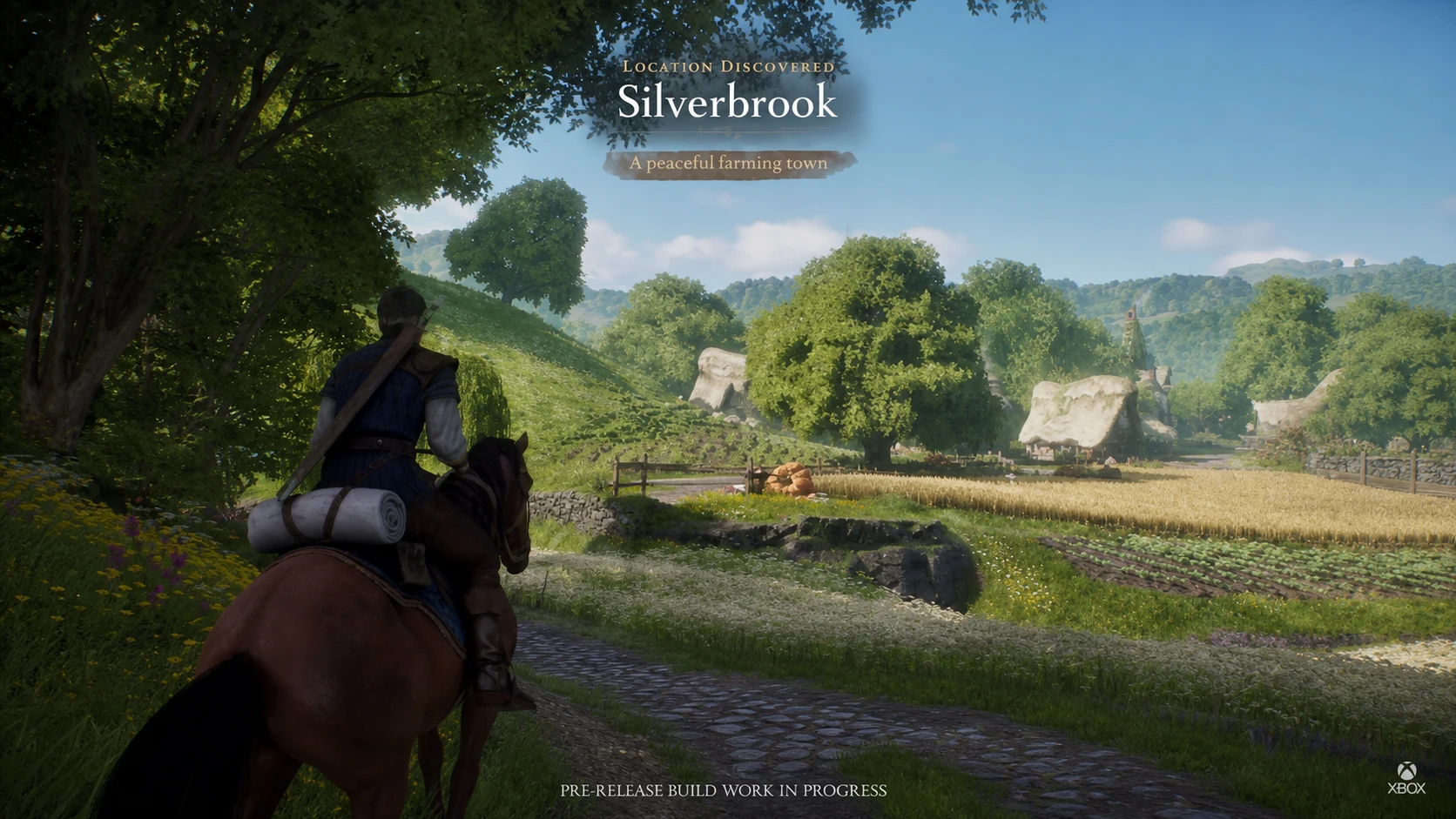
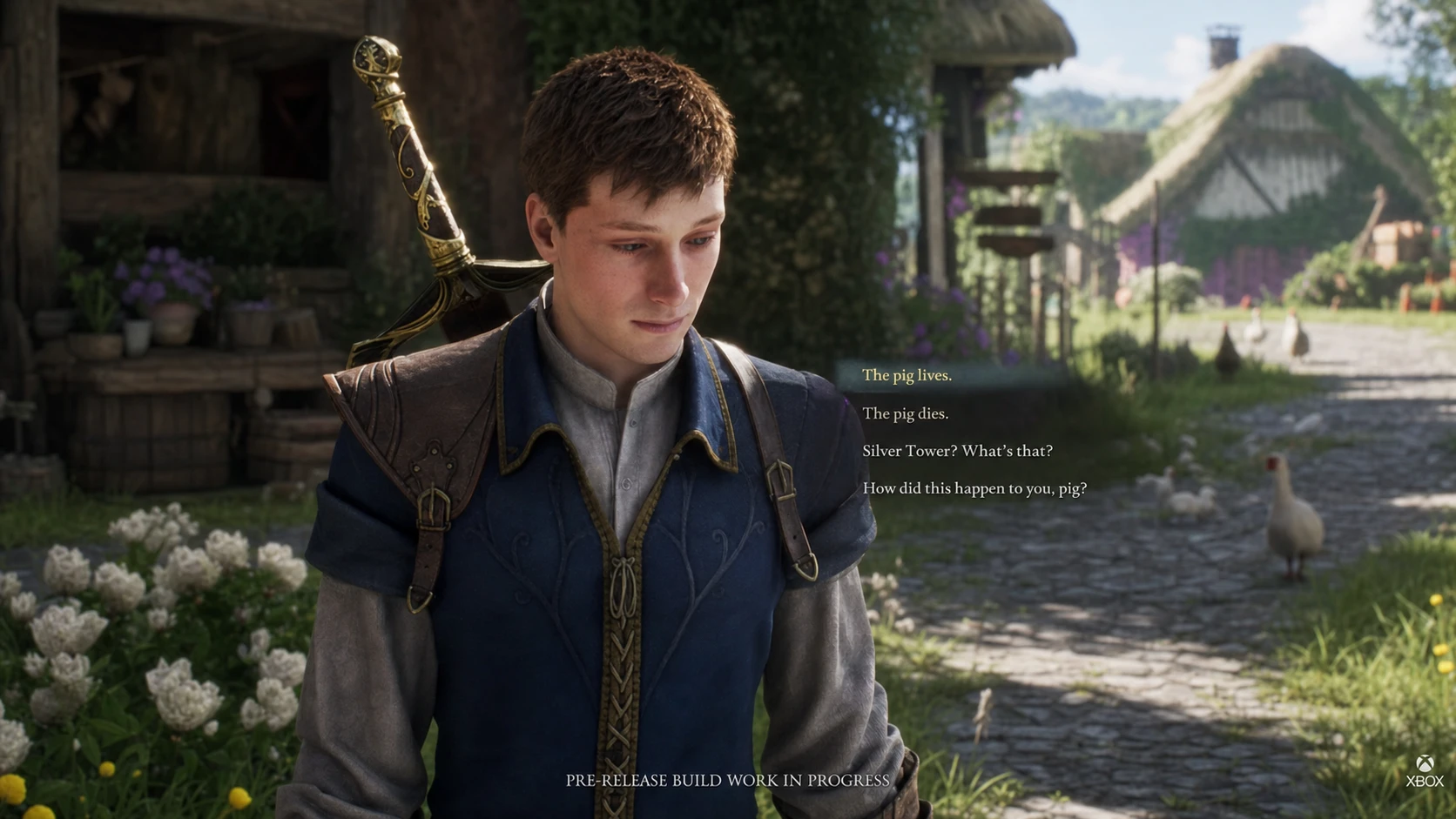
The key detail is that reputation is tied to the town where you earned it. It is almost always something you can change later, either by putting in the work to win back each person’s favor or by paying off the local town crier or gossipmongers to spread a particular version of you. In the demo, saving a talking pig named Colin earned a Virtuous reputation in the village of Silverbrook, which immediately warmed nearby residents to the hero.
The same action cuts both ways. After negotiating the pig’s release, a merchant viewed the hero as shrewd, while becoming a wealthy business owner later made a humble tailor resentful enough to raise her prices by 80 percent.
Combat splits into Strength, Skill, and Will
Fighting is organized around three categories that long-time fans will recognize. The table below breaks down what each one covers.
| Category | Use |
|---|---|
| Strength | Close-up and melee combat |
| Skill | Ranged attacks |
| Will | Magic |
The magic shown leaned into creative combinations. One example turned an enemy into a chicken before finishing them with a fireball, and another teleported behind a target for a quick strike. Green orbs appear to mark experience as you fight.
You can buy homes and run businesses
Albion lets you build a life outside the main story. Any home can be purchased, and once you own it you choose how to act as a landlord, whether that means evicting tenants, raising the rent, or paying people to leave. Every one of those choices nudges your reputation.
Any business can be owned too. In the demo, the hero took a blacksmith job and completed a smithing minigame, earning more money for striking the hot points on the metal accurately, then used the cash to buy the local pub for roughly a hundred thousand. Ownership opens a management menu for hiring, wages, and pricing, and individual staff carry their own modifiers. A caring barmaid added a 10 percent income boost because she handled customers well, and all profits collect in a magic chest in the pub’s basement.
Every adult NPC can be romanced, married, or killed
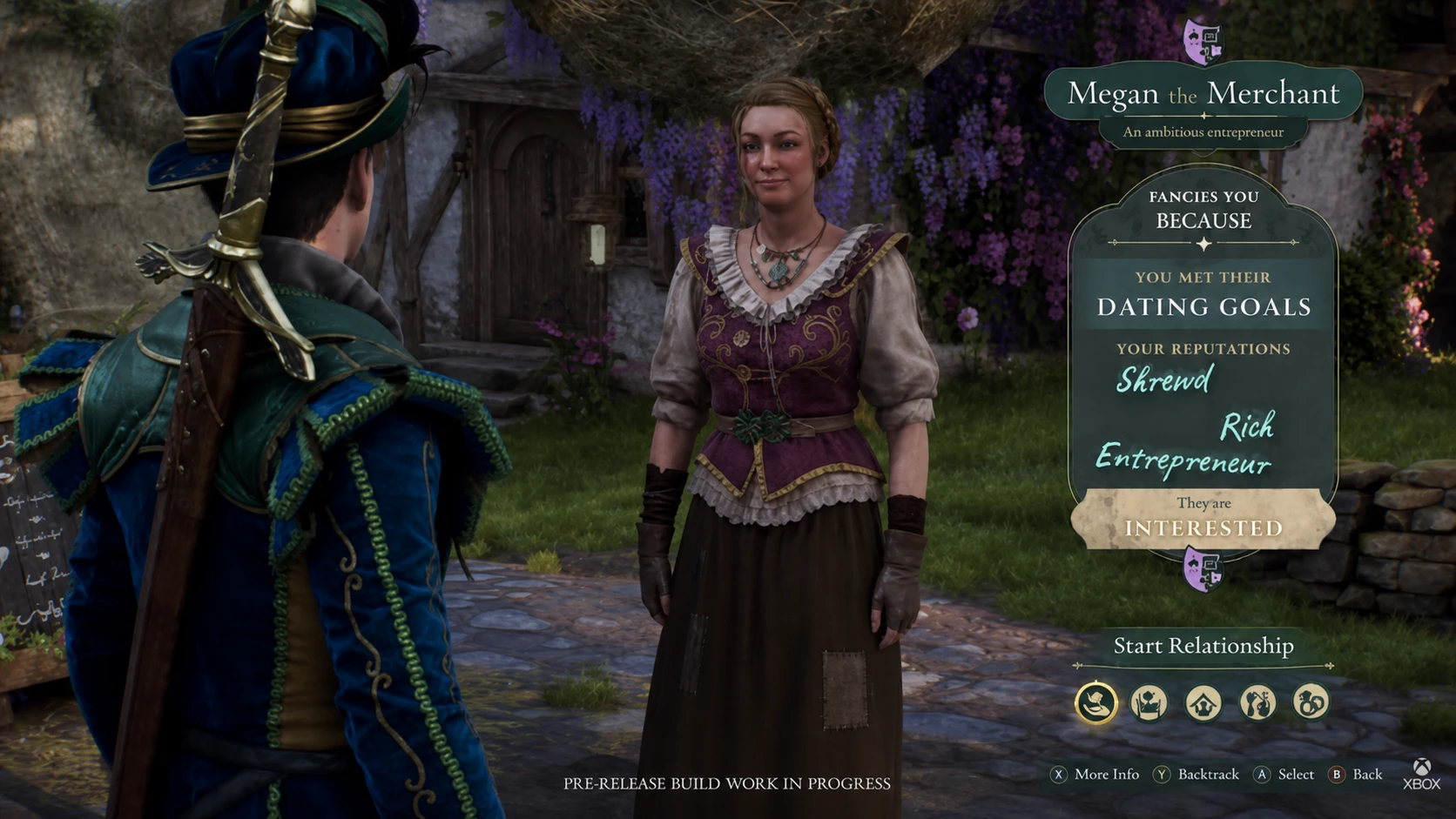
Relationships are open across the entire adult population. Each NPC sets their own conditions for a date. The merchant in the demo only agreed to one after the hero wore fancy clothes, owned a home, and was known as an entrepreneur, which meant working through the property and business systems first.
Dates themselves are short, cutscene-style scenes, with the option to make things official afterward. Marriage requires parental approval before it can go ahead. The demo also showed the darker side, breaking off the relationship, firing a beloved employee, and going on a killing spree, which flipped reputations toward heartbroken and heartless. Some characters may actually be drawn to a heartless hero, which underlines that there is no single right or wrong track.
Big choices reshape towns, economies, and populations
Consequences extend well past simple quest outcomes. Major story decisions can shift local economies, tourism, housing prices, and public opinion across Albion. The studio again pointed to its giant Dave encounter as an example of how a single outcome ripples outward.
Wiping out a settlement does not leave it permanently empty, but the game reflects the damage through changing population levels, economies, and the descriptions of those places. Towns are populated by people with their own schedules rather than crowds waiting for the hero to arrive.

Fable release date and platforms
Fable is set to launch on February 23, 2027. Premium Edition owners get early access starting February 18.
| Detail | Information |
|---|---|
| Developer | Playground Games |
| Publisher | Xbox Game Studios |
| Release date | February 23, 2027 |
| Early access | February 18, 2027 (Premium Edition) |
| Platforms | Xbox Series X/S, PlayStation 5, PC/Steam, cloud, Game Pass |
The story itself was kept under wraps, with the team promising more later, but the demo made its priorities clear. Fable is selling a reactive world first, where the people of Albion, your reputation in each town, and the life you choose to build matter as much as the main quest.