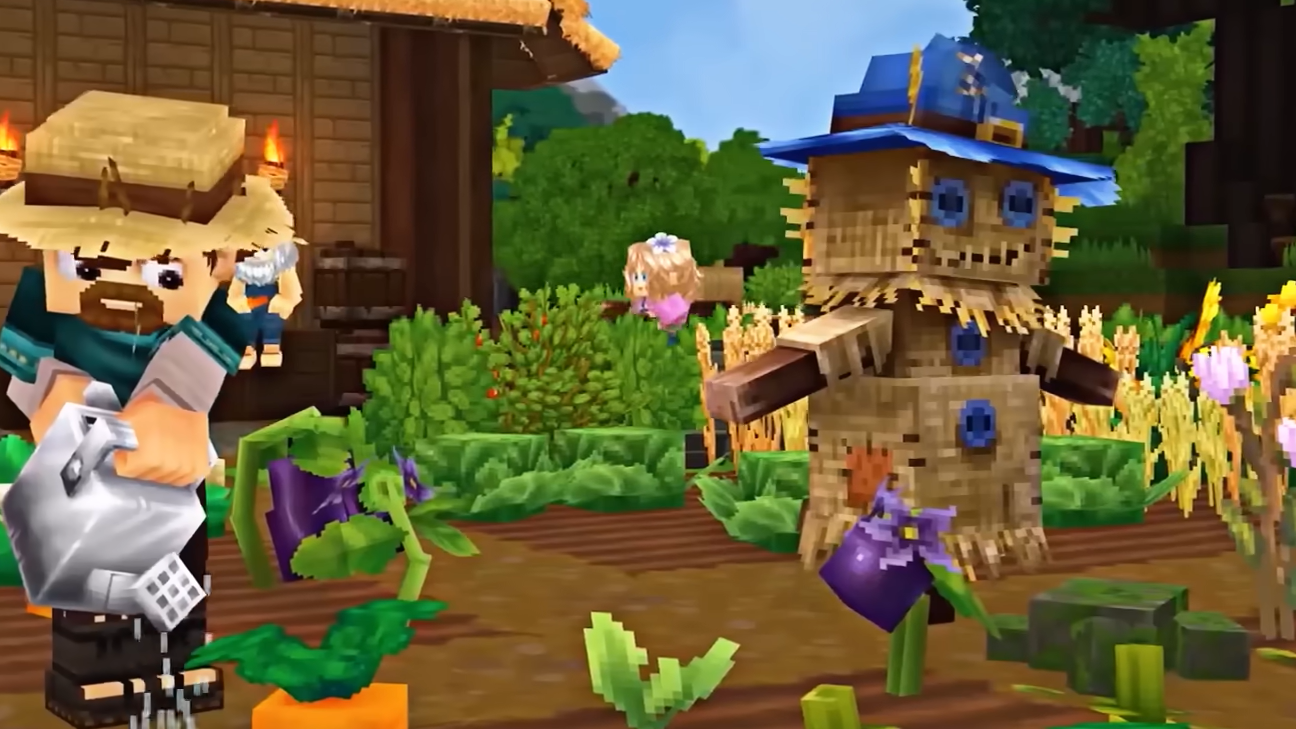
Cooking in Hytale sits somewhere between survival chore and RPG system. You are not babysitting a hunger bar every few minutes, but food still matters a lot: it heals, it improves your stats, and it can give you temporary buffs that make exploration and combat safer.
The current early access build exposes two main ways to turn raw ingredients into something more useful: the Campfire and the Chef’s Stove. Both use the same basic idea — put in fuel, add food, wait — but they serve different roles in your progression.
How the Campfire works in Hytale
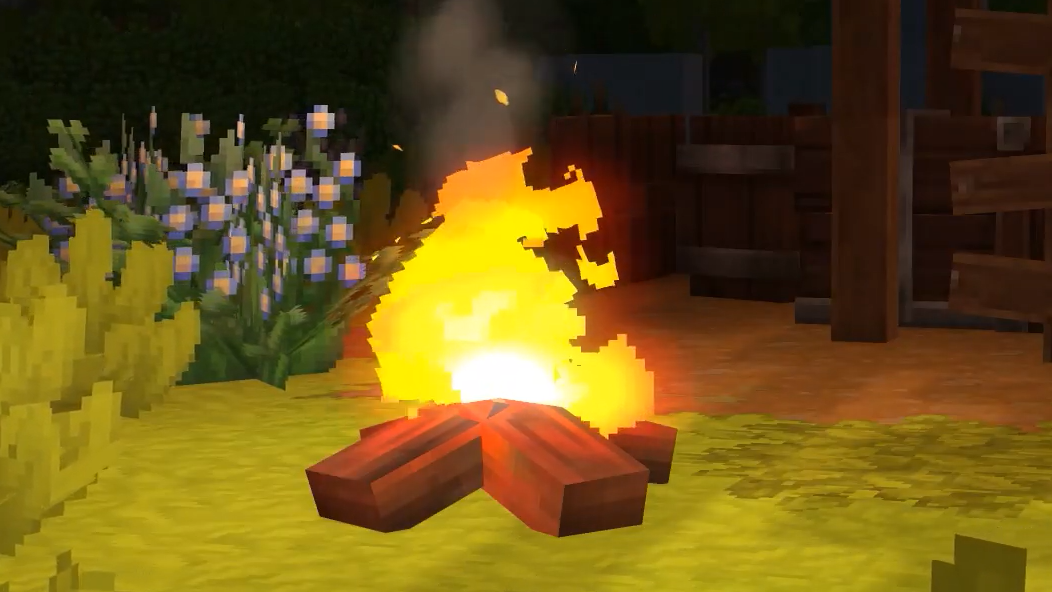
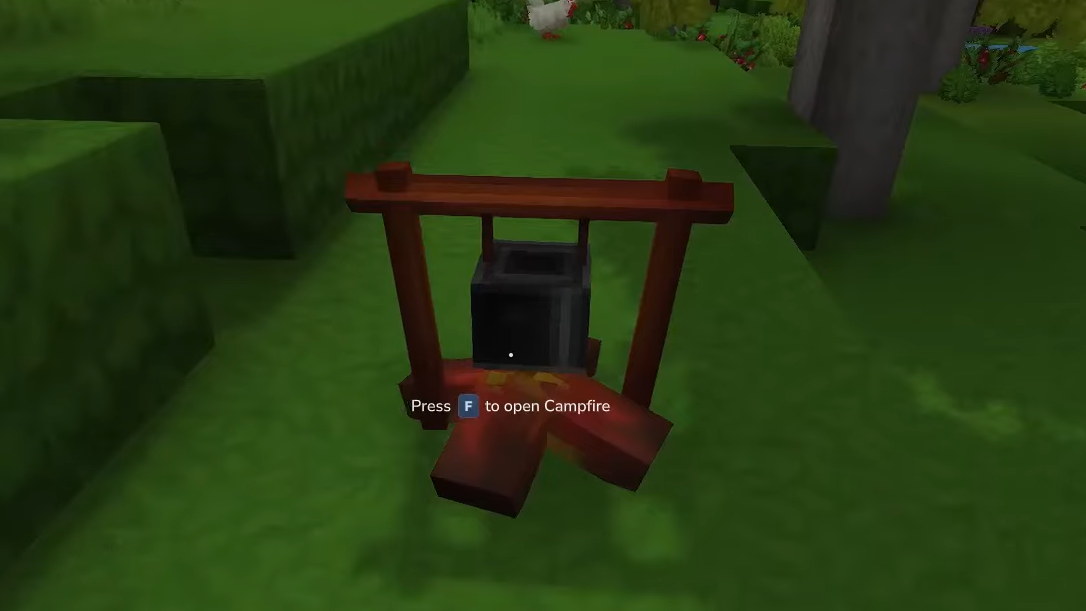
The Campfire is your first cooking tool and the one you’ll use while you are still living out of backpacks and caves. It is cheap to make, quick to place, and handles simple “raw to cooked” transformations, such as basic meat or vegetables.
What the Campfire does
The Campfire lets you:
- Cook raw ingredients into stronger healing items such as Cooked Wildmeat.
- Convert fuel items into heat and, in some cases, byproducts like Charcoal.
- Get access to early-game buffs from cooked food that you can carry into fights.
When you interact with a placed Campfire, the interface exposes at least two key slots: one for fuel and one for the food input. You drop fuel on one side, your raw item on the other, start the fire, and wait for the progress bar to finish.
How to craft and place a Campfire
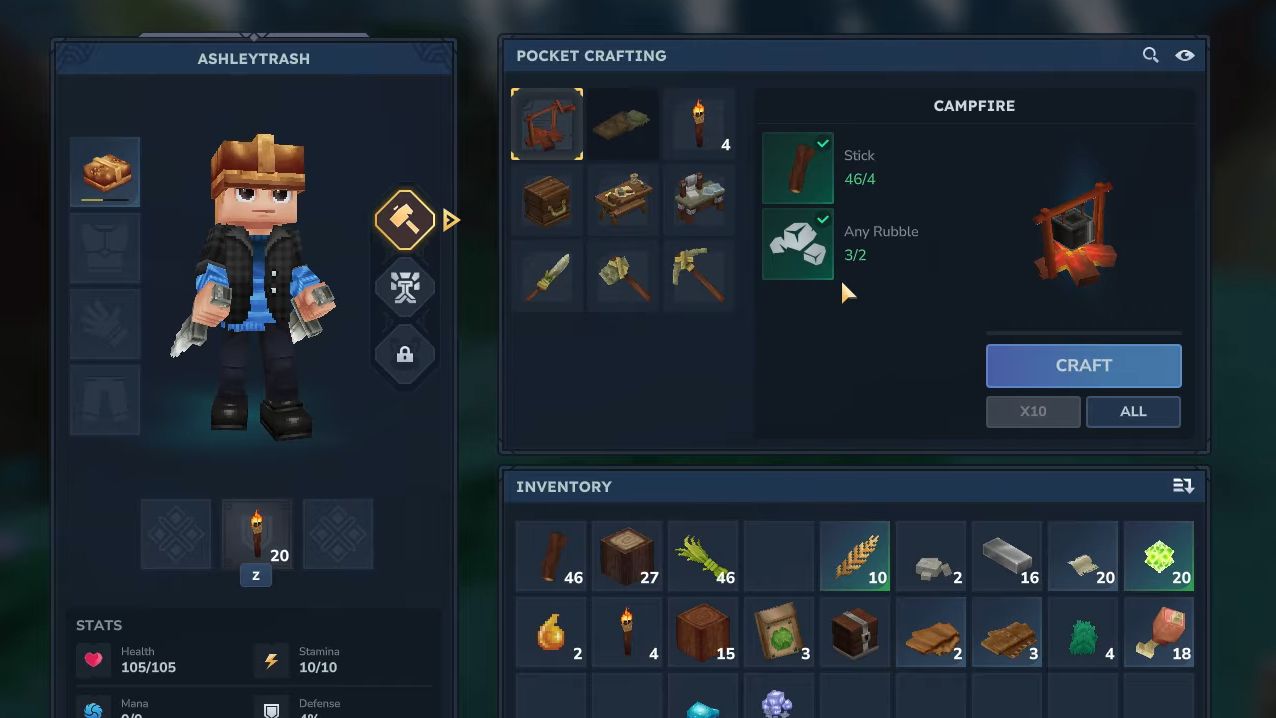
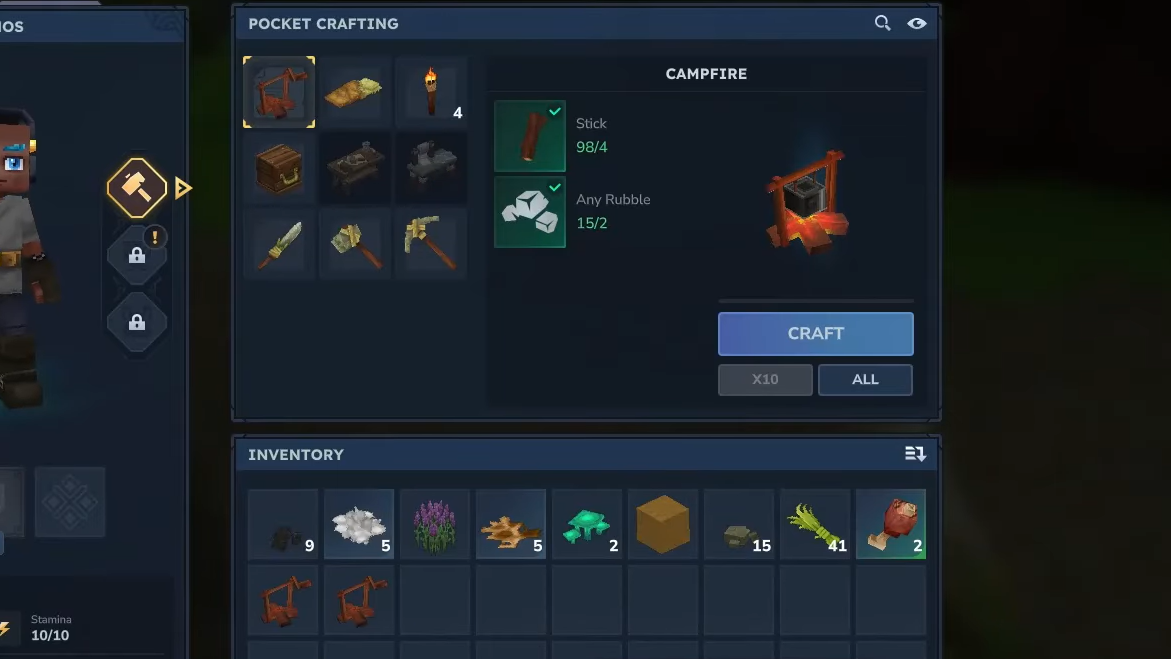
A Campfire is deliberately inexpensive so that you can make it within your first Hytale day. The recipe uses low-tier materials you are already picking up while learning the basics of gathering.
Required materials
| Item | Amount | How you get it |
|---|---|---|
| Stick | 4 | Loot stick bundles on the ground or break bushes. |
| Rubble | 2 | Pick up rubble piles or mine stone to obtain stone rubble. |
Fuel types and burn time: sticks vs logs
Fuel management is the first small optimization in Hytale’s cooking system. Several items can act as fuel, but they do not burn for the same length of time.
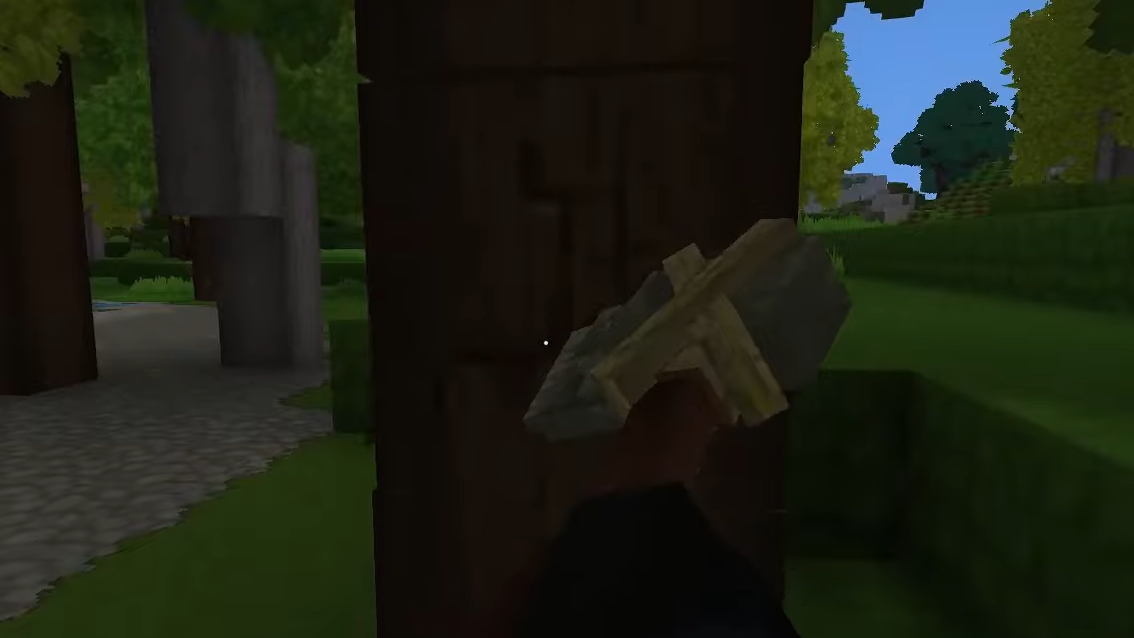
Sticks are everywhere and incredibly cheap, but they burn out quickly — just a few seconds per stick. Logs, on the other hand, take more work to get but keep the fire going for roughly twice as long. That difference matters if you are cooking multiple pieces of food or letting a batch run while you do something else nearby.
Cooking basic meat and other early food
With a Campfire burning steadily, the next step is to turn raw drops from animals or plants into cooked food. Meat is usually your first meaningful example because it both heals and grants buffs once cooked.
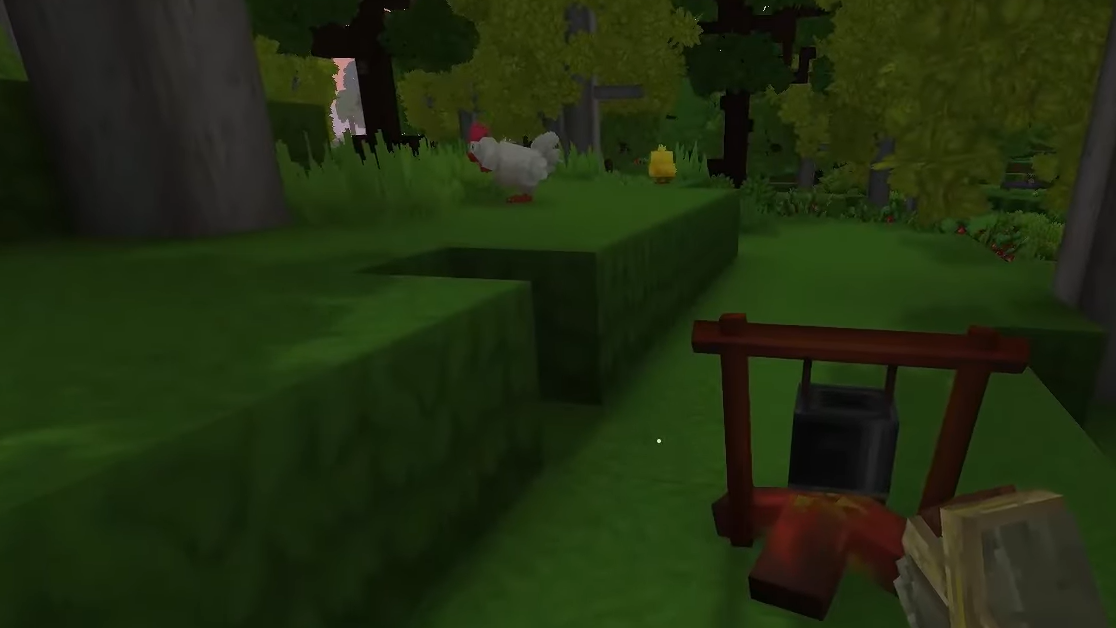
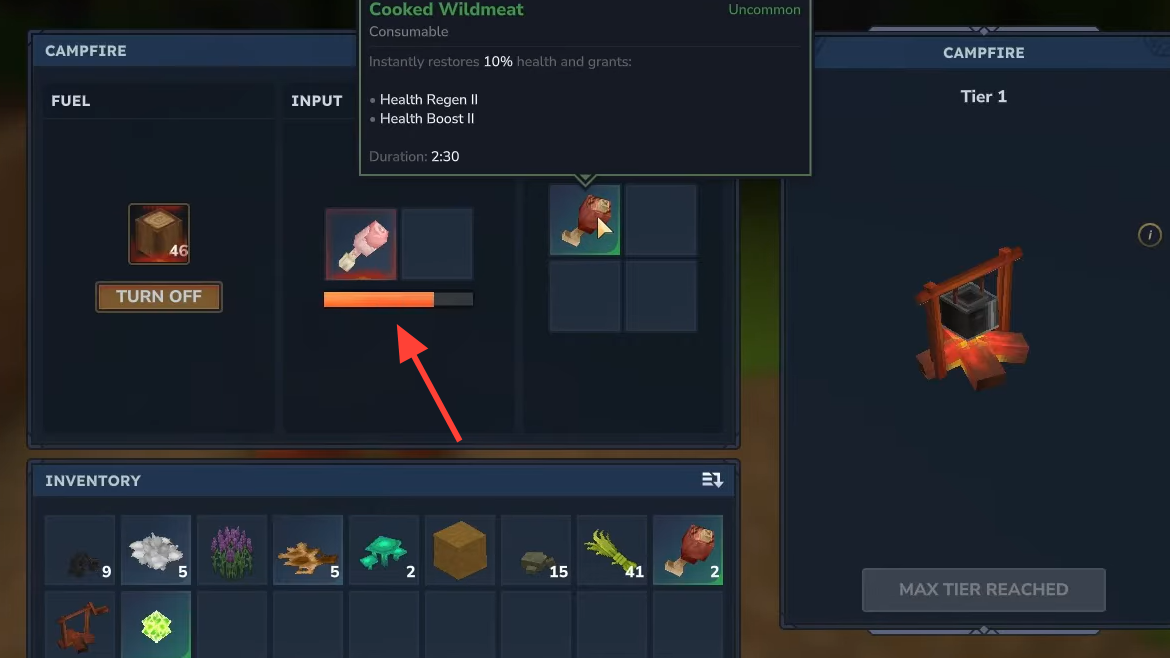
The difference is significant: cooked meat can heal roughly double the health (for example, around 10% instead of 5%) and can also apply two temporary buffs at once. Those buffs appear on the bottom-left of the HUD after you eat, and they might improve your survivability or utility for a short window.
What cooked food actually does in Hytale
Food in Hytale is not just about refilling a hunger bar. In the current design, it contributes in three main ways:
- Direct healing: Many items restore a slice of your total health. Cooked versions usually heal more than raw versions of the same ingredient.
- Buffs and temporary bonuses: Certain cooked foods grant timed buffs, such as increased passive health regeneration or extra damage. Basic meats already show this pattern by providing two simultaneous buffs.
- Longer-term preparation: Meals cooked from rarer ingredients or via more advanced stations are intended to give more powerful or longer-lasting effects, similar to buff foods in other RPGs.
That structure makes cooking something you opt into for power and safety rather than a constant tax on your time. You can ignore it for short trips, but if you are heading into a tough dungeon or a distant biome, going in with a stack of cooked food is a clear advantage.
Chef’s Stove: Hytale’s advanced cooking station
Once you move beyond bedroll-and-campfire living, the game starts to expect proper kitchens. That is where the Chef’s Stove comes in: a larger, more expensive block that supports richer, multi-ingredient recipes.
What the Chef’s Stove looks like
The Chef’s Stove resembles a full kitchen unit. The top surface works like a cooktop, and a stone brick oven forms the base. A built-in cutting board with a knife and a tomato shows that it is meant for detailed prep and serious cooking, not just throwing meat on a flame.
Chef’s Stove recipe
| Item | Amount | Tier |
|---|---|---|
| Copper Ingot | 2 | Early metalworking |
| Tree Trunk | 10 | Basic woodcutting |
| Stone | 5 | Basic mining |
The Chef’s Stove differs from the Campfire in two important ways:
- It is built for multi-ingredient recipes, not just “raw X becomes cooked X.”
- It is effectively a tiered station; high-quality meals are intended to require this block instead of a simple Campfire.

Cooking on the Chef’s Stove
The exact list of Chef’s Stove recipes is still expanding, but the pattern is clear. You bring combinations of ingredients — meats, vegetables, grains, and other produce — and the stove lets you combine them into specific named dishes that outperform anything you can make over a basic fire.
Typical distinctions between Campfire and Chef’s Stove cooking include:
- Number of inputs: Campfires handle one input food item at a time, while the Chef’s Stove recipes often need multiple distinct ingredients.
- Result power: Multi-ingredient dishes tend to grant stronger or more specialized buffs (for example, more regeneration, more stamina, or more damage) and last longer.
- Role in progression: Learning and crafting these recipes is a way to express a “cook” playstyle alongside the usual combat and building paths.
How cooking fits into Hytale’s survival and RPG systems
Hytale’s developers are leaning away from a strict, always-visible hunger bar. The current approach treats food as a support system for exploration and combat rather than a constant drain on your stats.
Several design choices reinforce that direction:
- Food vs potions: Potions are positioned as fast, instant tools — a quick heal, a burst of mana, a short buff. Food is slower and more gradual: it heals over time or improves regeneration and other stats across many minutes.
- No constant punishment: You are not losing health every time a hunger bar dips. Instead, well-fed characters gain tangible advantages, while underprepared characters simply miss out on those extras.
- Exploration incentives: Rare ingredients from bosses, dangerous biomes, or dungeon chests can feed into advanced recipes, rewarding players who go out of their way to hunt or farm them.
The absence of a hard hunger bar does raise questions about farming and cooking motivation, but powerful buffs, improved healing, and the ability to tailor your character to specific activities (such as long mining trips or boss fights) give these systems a clear purpose.

Practical early-game cooking routine
To get value from cooking as soon as possible without overthinking it, a simple routine is enough.
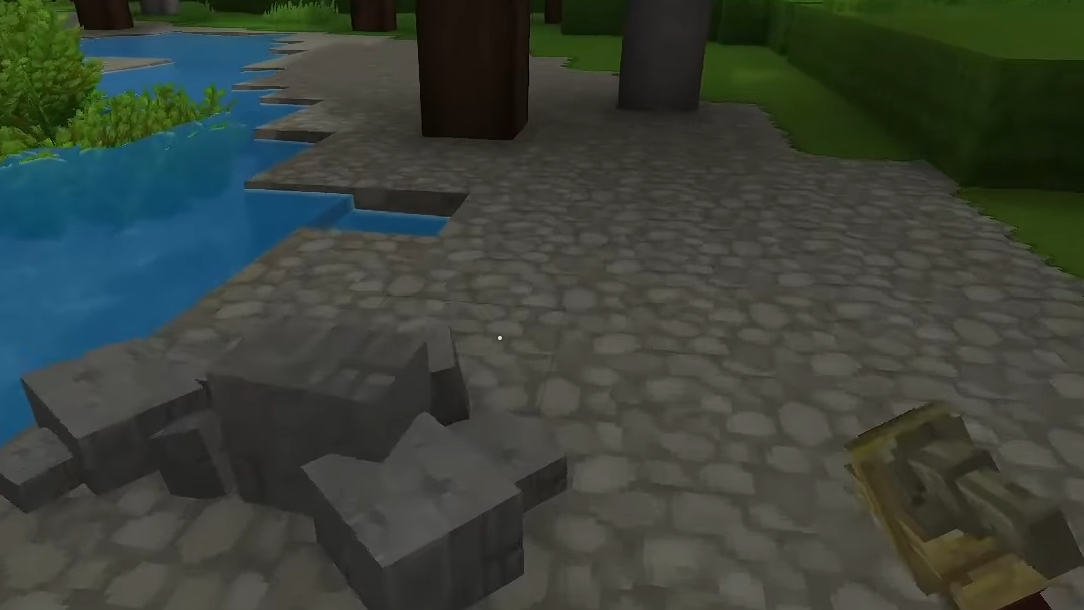
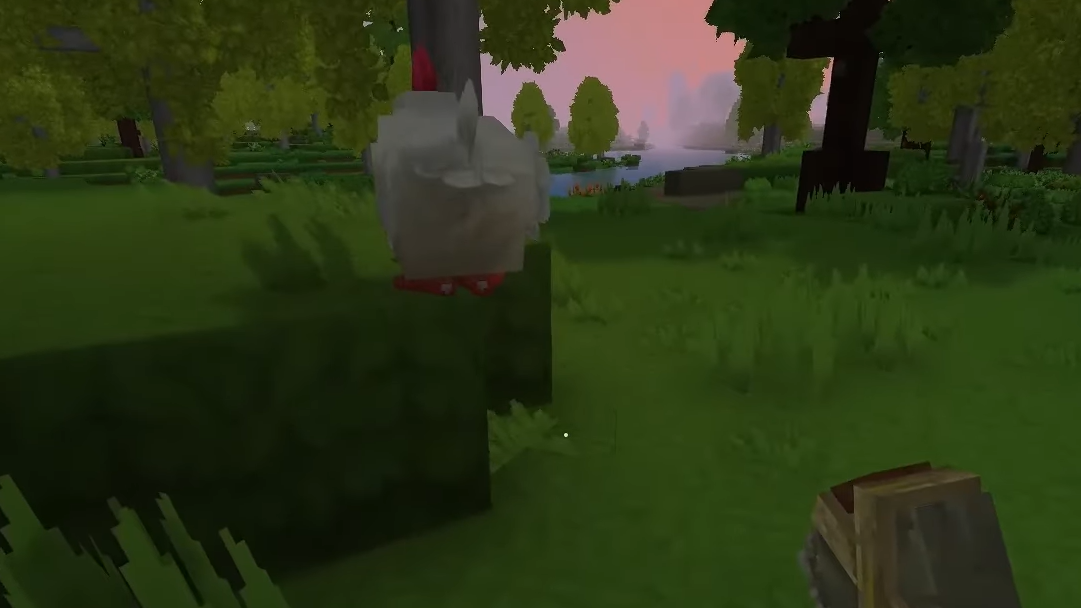
This keeps the system lightweight at the start and lets you gradually grow into deeper cooking and farming playstyles as new recipes and stations unlock.
Hytale’s cooking is still evolving, but even in its current form it already sets up a clear arc: from improvised campfires in the wild to fully equipped kitchens producing specialized meals for your entire party.