Finding hiders in Meccha Chameleon comes down to reading the environment, not running around at random. Hiders paint their bodies to match nearby objects and tuck themselves into clutter, so your job as a hunter is to notice the small things that break the illusion. The maps use fixed lighting and predictable object placement, which gives you reliable cues for spotting anything that looks slightly wrong.
Quick answer: Scan each zone for shapes and silhouettes that don’t belong rather than colors, check corners, ledges, and cluttered rooms first, then look at suspicious objects from multiple angles before firing. Hitting the wrong target lowers your health, so confirm before you shoot.
Spot hiders by shape, not color
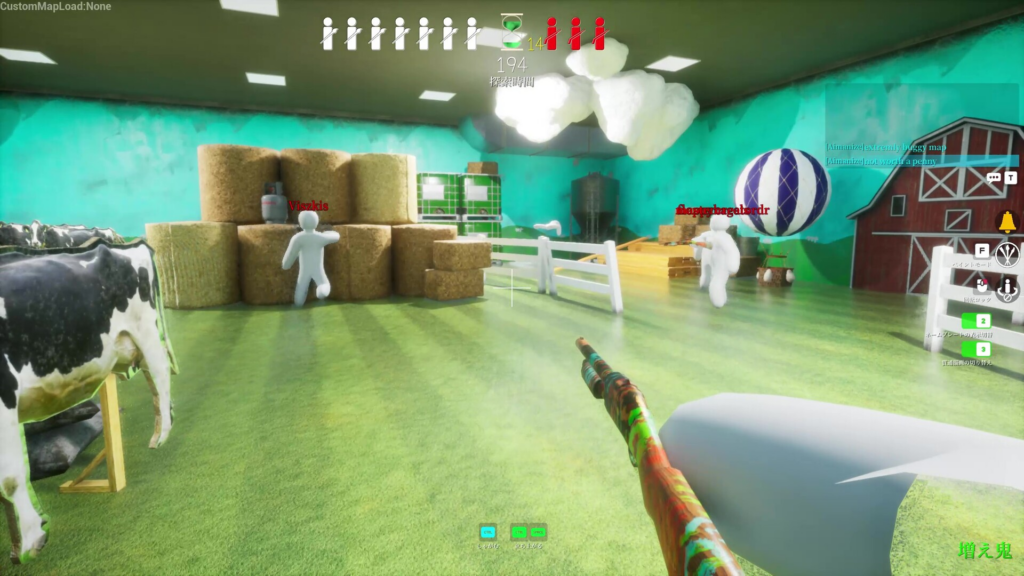
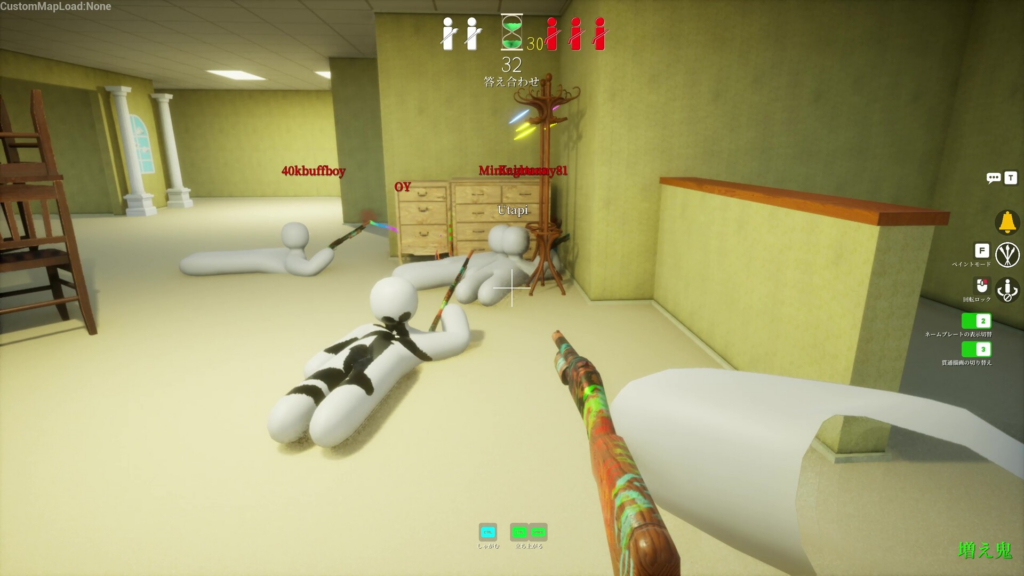
Skilled hiders can match colors almost perfectly, so color alone will fool you. The more reliable signal is shape. Look for bumps, odd outlines, and silhouettes that stick out from the surface they’re sitting on. An object that has the right tone but the wrong form is usually a player.
Lighting helps too. Every zone has a set look, and a painted hider often fails to line up with how the rest of the room is lit. Memorize how each area normally appears so a mismatched surface jumps out at you. Anything that feels out of place, like furniture positioned where it shouldn’t be, is worth a closer look.
Search rooms in a consistent pattern
Random searching leaves gaps. Clear each room in the same order every time so you never skip a section. Many areas are compact, which makes a methodical sweep fast and thorough.
The paint gun health penalty
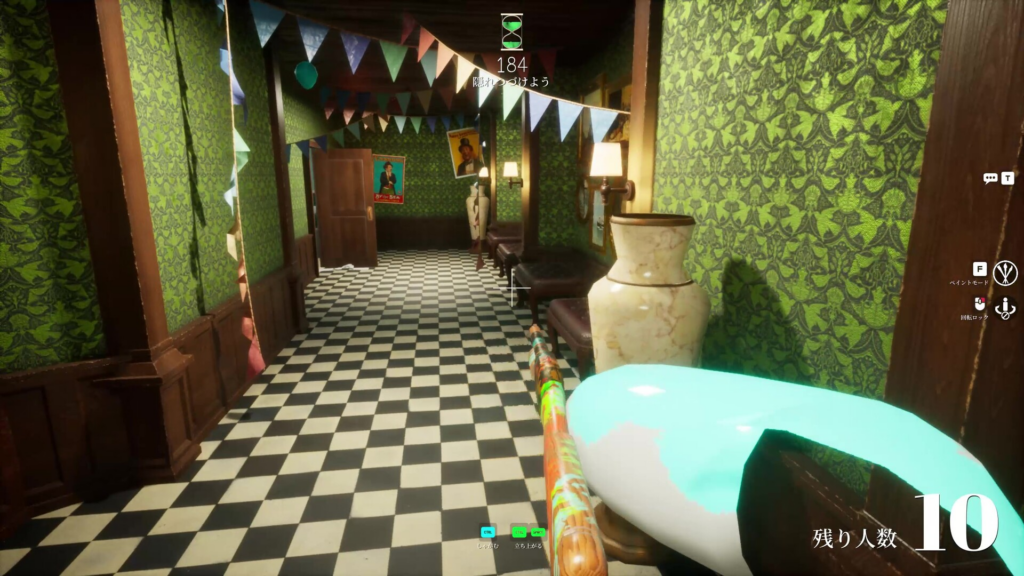
Hunters carry a paint gun to mark hiders, but you can’t simply spray everything and win by elimination. Shooting the wrong target reduces your health. That penalty makes guessing expensive, so treat every shot as a confirmation, not a test. Take the second look before you fire.
The round gives you enough time to be thorough. Moving slowly and checking surroundings beats rushing and missing details, so don’t trade accuracy for speed.

Manage your time across the map
Being thorough doesn’t mean parking in one spot. Don’t spend too long picking apart a single area when other rooms remain unchecked. Cover as much of the map as you can while still inspecting each section properly. Watch for last-minute movement as well, since many hiders relocate the moment they think you’ve looked away.
| Hunter habit | Why it works |
|---|---|
| Memorize common hiding spots | Hiders favor the same strong locations, so you can check them fast. |
| Prioritize cluttered rooms | Props and decorations give hiders more cover and deserve careful checks. |
| Double-check suspicious objects | A second glance catches well-disguised players a quick look would miss. |
| Learn the maps | Knowing where objects normally sit makes anything unusual obvious. |
| Remember escaped hiders | Spots where players got away are worth checking in later matches. |
The hunters who consistently win build a mental map of each zone and trust their instincts when a shape, a shadow, or a misplaced item feels wrong. Slow down, scan for silhouettes over colors, and confirm before firing. Do that, and the furniture that doesn’t quite belong turns into your next catch.