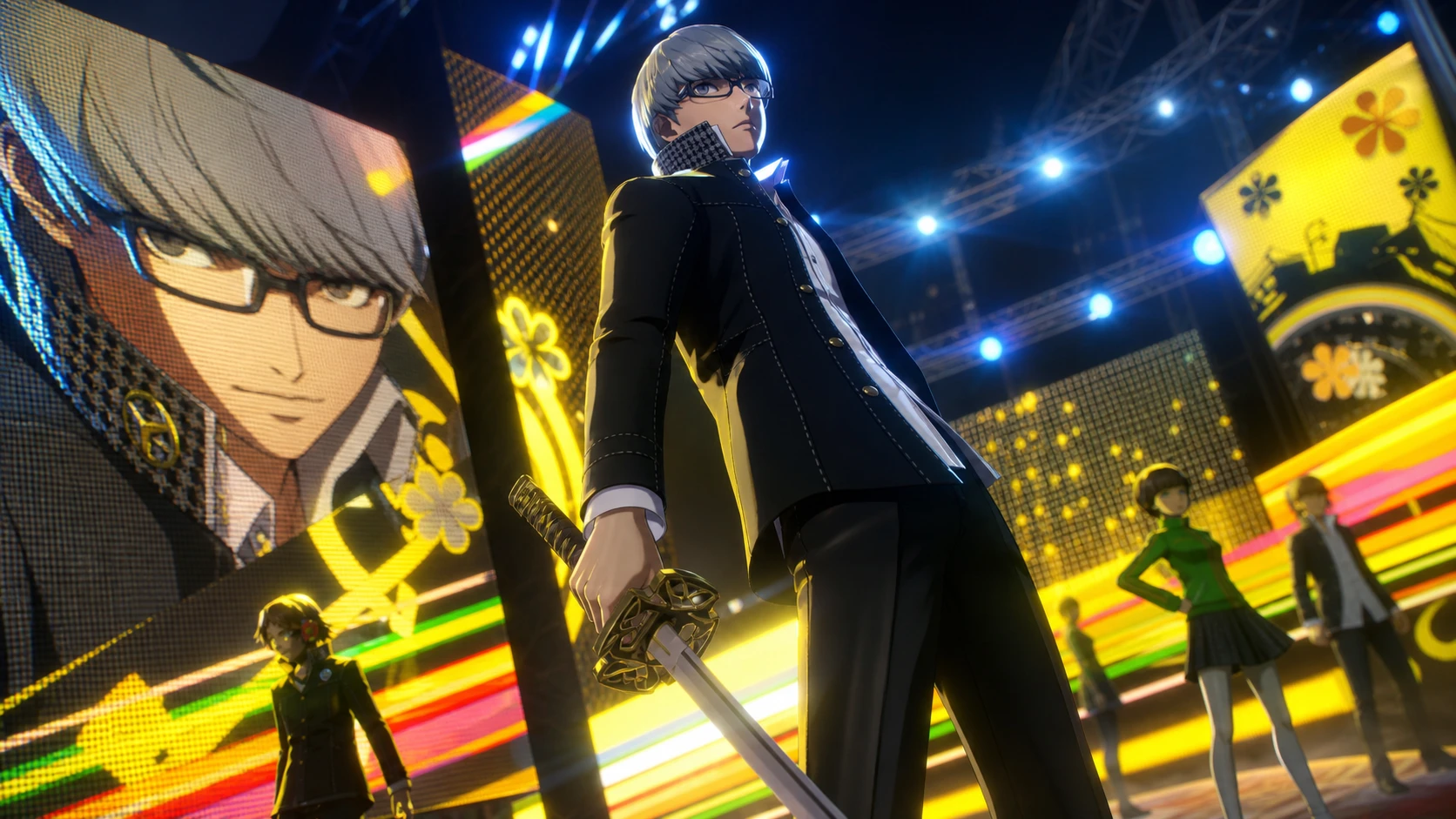
Atlus laid out how its remake of Persona 4 Revival reworks the 2008 original during a broadcast on June 19, 2026. The stream walked through combat, daily life, music, and presentation, confirming that the game keeps the rural mystery of Inaba while modernizing nearly every system around it.
Quick answer: Persona 4 Revival launches February 18, 2027 on PlayStation 5, Xbox Series X|S, and PC. The biggest confirmed changes are a reworked combat system (Guard, Baton Pass, Send Flying, and Prime Time), Persona 4 Golden content included in the base game, fully voiced dialogue with a new cast, a remastered soundtrack, returning Social Links with Social Stats, and the ability to save anywhere.
New combat mechanics in Persona 4 Revival
Combat received the heaviest overhaul. The core turn-based Battle Command system stays the same, so hitting a Shadow’s weakness still knocks it down and grants an extra action, and downing every enemy still opens an All-Out Attack for large damage. What sits on top of that foundation is new.
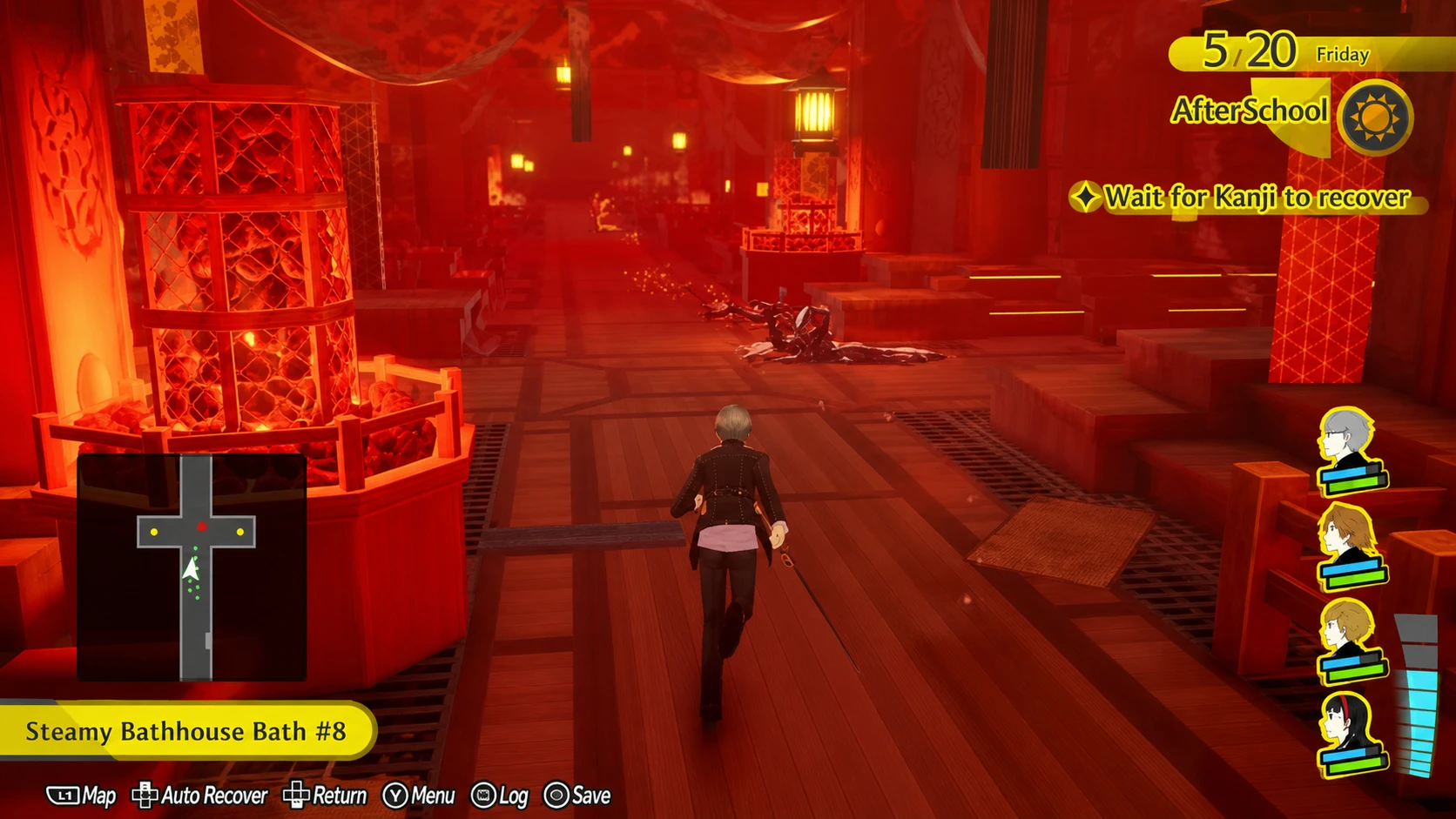
A new Guard action lets you brace against a Shadow’s strike during exploration. A successful guard can stagger the enemy so you counterattack, or it can let you skip the encounter entirely. Preemptive strikes and being ambushed still set the early advantage in a fight, but Guard adds a way out of unwanted battles.
The Baton Pass mechanic from Persona 5 Royal and Persona 3 Reload returns. After you hit a weakness or land a critical, you can hand your turn to another party member to keep a chain of attacks going. It also appears under the name Baton Touch, and it makes downing groups of enemies faster.
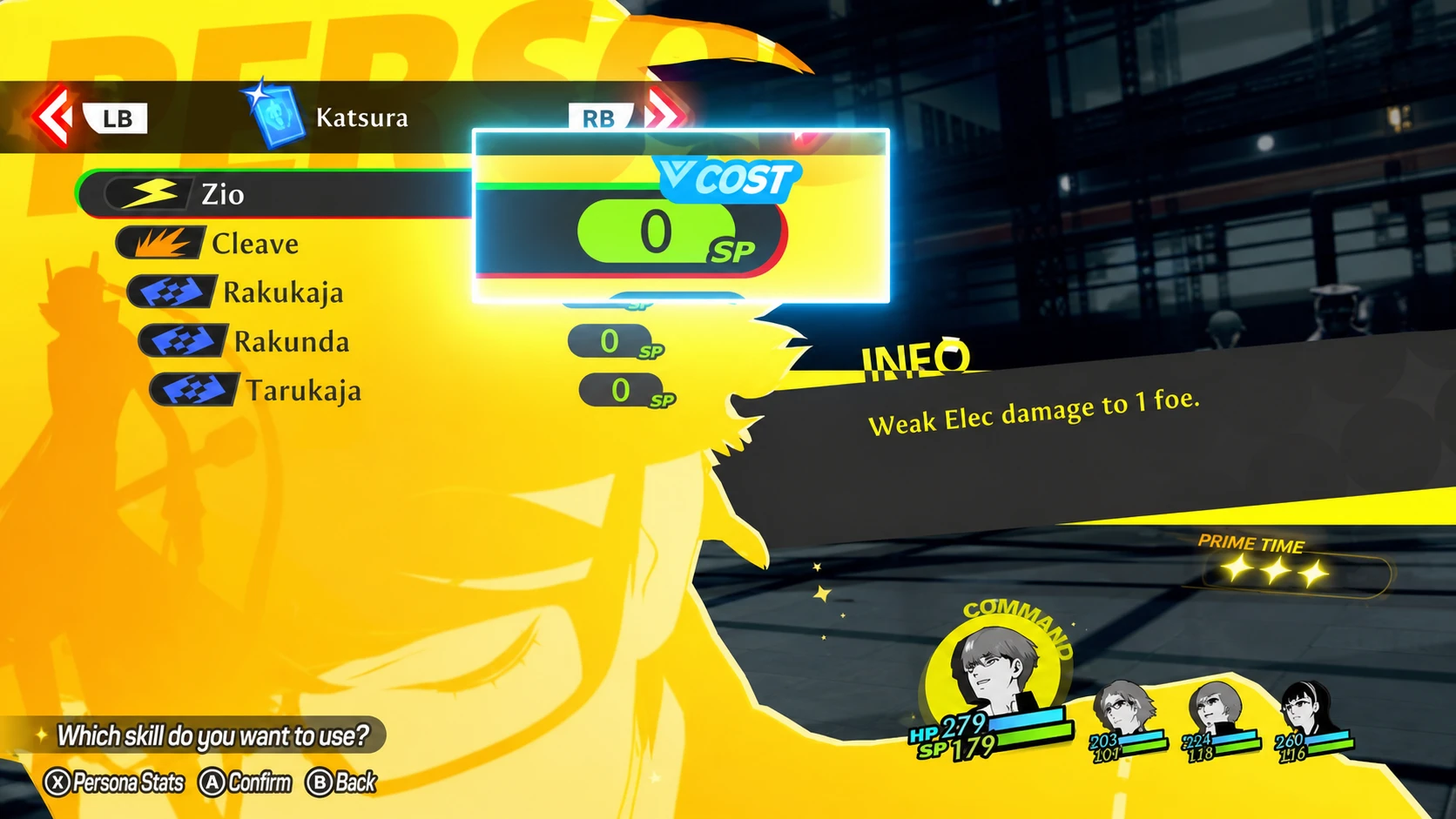
Two mechanics are brand new to the series here. Send Flying (also shown as Knockback) rewards status ailments. Once an enemy is afflicted, you can follow up with an attack that spreads that condition to other Shadows, which makes ailment skills far more useful than they were before. Prime Time activates after a meter charges and lets you fire off several big skills in a row at zero resource cost, capped with a finishing blow for heavy damage.
Prime Time matters most for returning players. In the original, the safest way to maximize free time was to clear a dungeon in a single run while conserving SP for a boss that demands weakness-targeting skills. Prime Time eases that pressure, since you can build the meter through incoming hits and then unleash free skills even when your party is out of SP.
| Mechanic | What it does |
|---|---|
| Guard | Deflect a Shadow’s attack to counter or escape the encounter |
| Baton Pass | Hand your turn to an ally after a weakness hit or critical |
| Send Flying | Spread an existing status ailment to other enemies |
| Prime Time | Charge a meter, then use multiple skills at zero cost plus a finisher |
Persona 4 Golden content is included at no extra cost
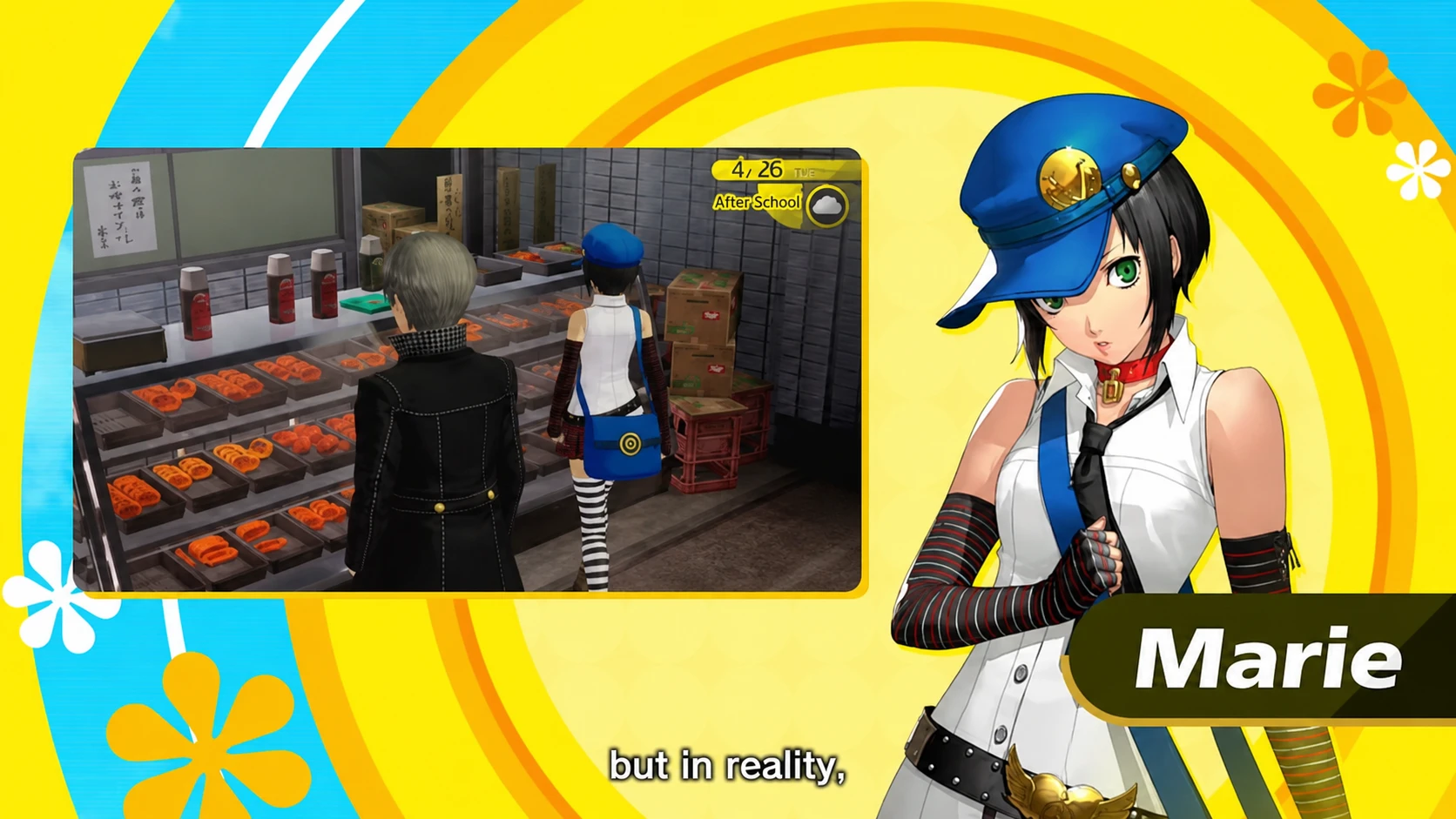
Persona 4 Revival is built on Persona 4 Golden, the expanded version that added story content, a revised ending, and the character Marie. That material is part of the base game rather than a separate paid expansion.
This differs from Persona 3 Reload, where The Answer epilogue arrived later as the paid Episode Aigis DLC. Because Golden’s additions were woven into the main campaign instead of a standalone chapter, they ship inside Revival from the start.
Full voice acting and localization changes
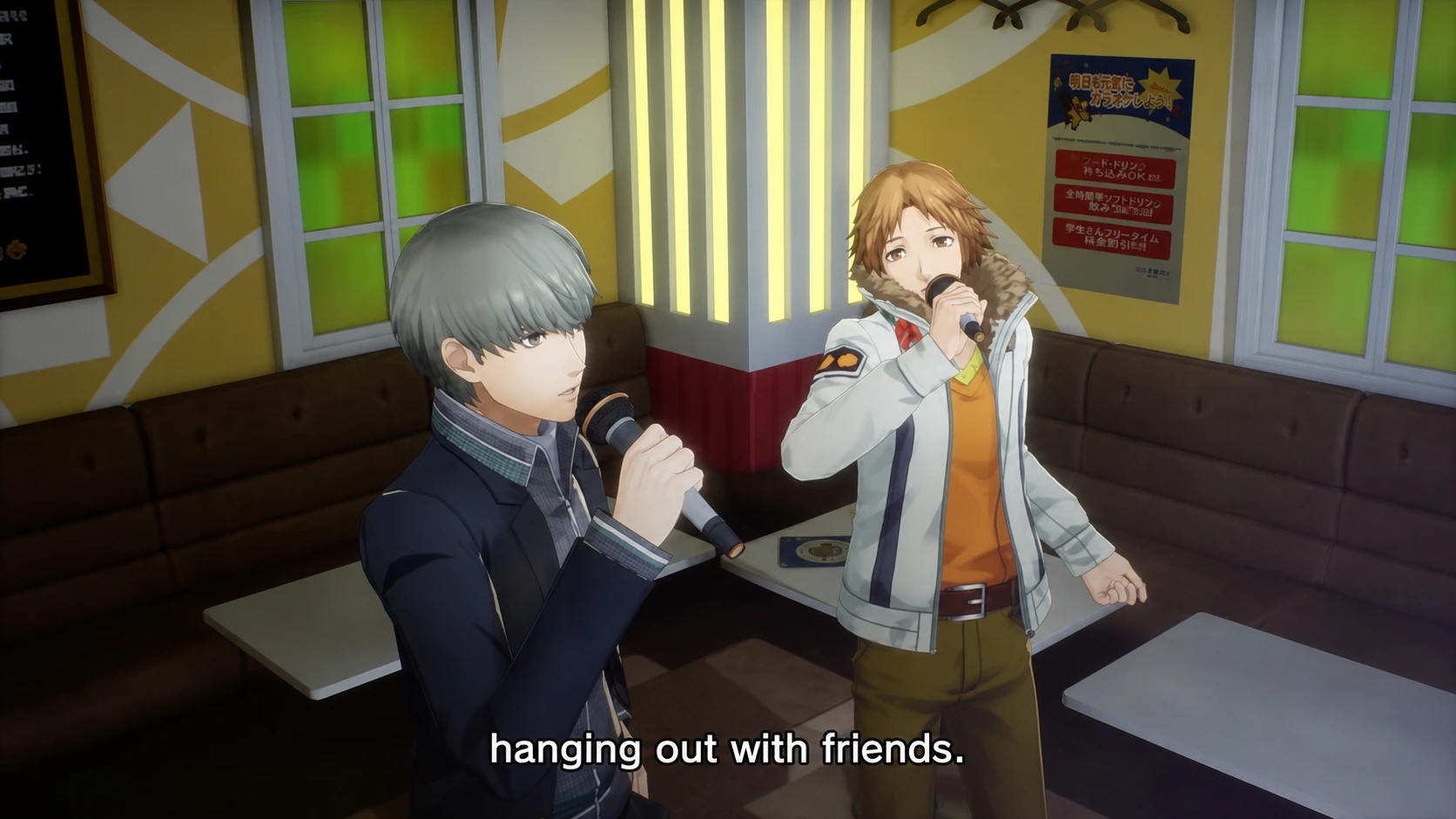
All dialogue has been re-recorded with a new cast, and the game is now fully voiced across the main story, Community interactions, and new events. The original Persona 4 left many scenes silent, so the Social Link side stories gain a lot of spoken performance this time.
The localization has also been adjusted. One early example involves Yosuke, whose original English line after learning the protagonist can cook leaned into innuendo. The new translation simply says the protagonist seems like someone who might secretly cook well. The change brings the English text closer to the original Japanese script rather than trimming it for tone alone.
Soundtrack revamp with a new vocalist
The music has been reworked while keeping the original tracks recognizable. Vocal and battle themes have been newly arranged with full choruses, and the game adds new compositions, including the opening theme and battle music. Atlus plans to release these tracks over time.
Following the pattern set by Persona 3 Reload and its vocalist Azumi Takahashi, the songs are performed by a new singer. Shiori Sasaki takes over vocal duties, succeeding original vocalist Shihoko Hirata.
Social Links, Social Stats, and Human Parameters
The relationship system returns. Social Links let you grow close to party members and townspeople, with some bonds developing into romance. These connections feed back into combat by granting Persona stat boosts and useful skills, so time spent in Inaba directly affects power in the other world.
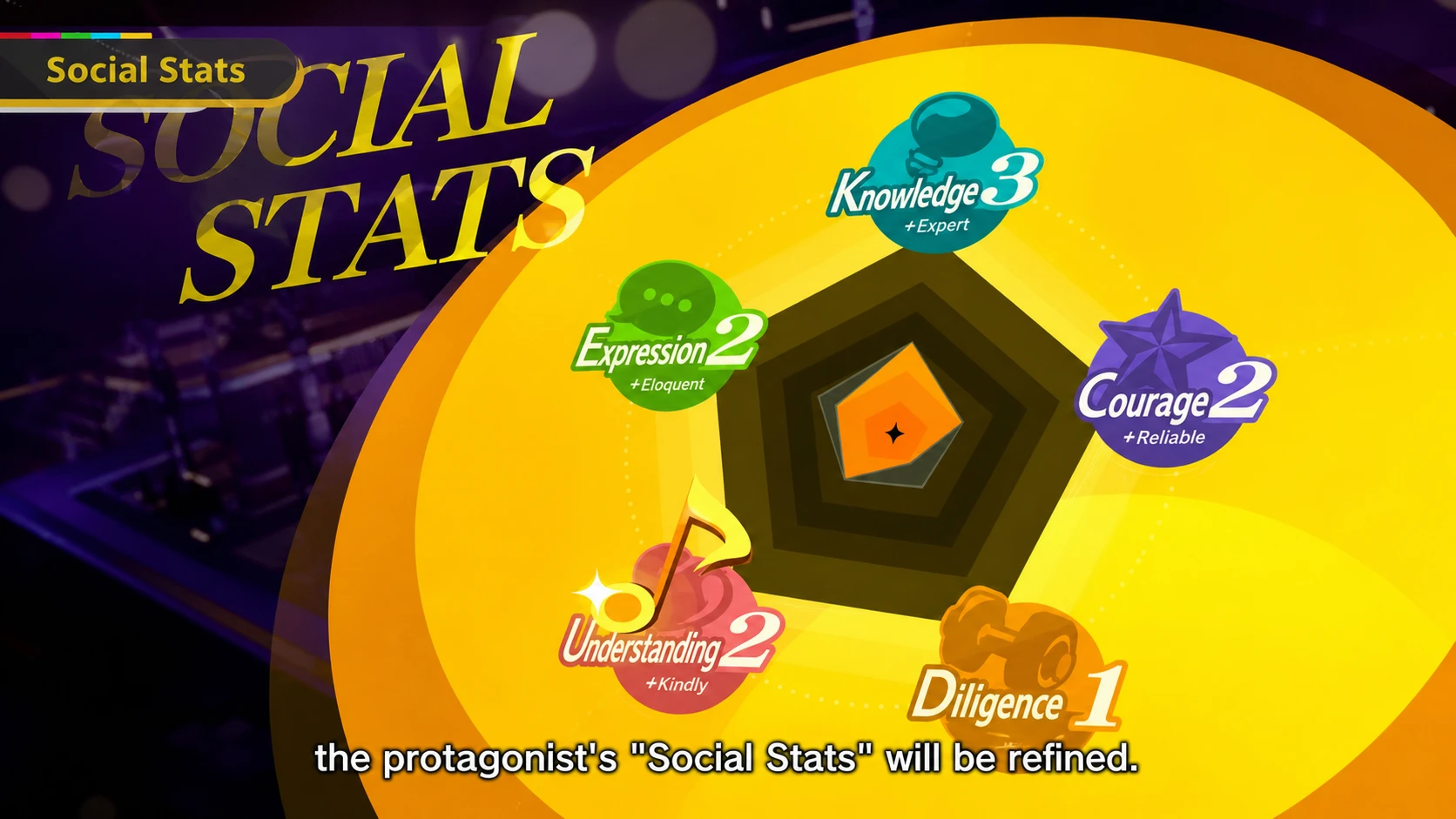
Social Stats are back as well, shaped by daily choices. Studying, answering correctly in class, working part-time, and joining events raise these parameters, which in turn unlock new Social Links and higher-paying jobs. The broadcast described this growth axis as Human Parameters, where who you meet and what you do determines which jobs and Community interactions open up.
The Persona system itself is unchanged at its core. The protagonist uses the Wild Card to swap between multiple Personas, switching skills and elemental weaknesses to match a Shadow. Personas level up through combat, and Persona Fusion in the Velvet Room still lets you combine them into new ones.
Save anywhere and presentation upgrades
Saving is far less restrictive. The original Persona 4 and Golden limited saves to set spots and blocked saving mid-dungeon, forcing you to leave and return to the entrance. A save button now appears in the broadcast footage, including during combat, which points to saving freely inside dungeons in the style of Persona 5 Royal and Persona 3 Reload.
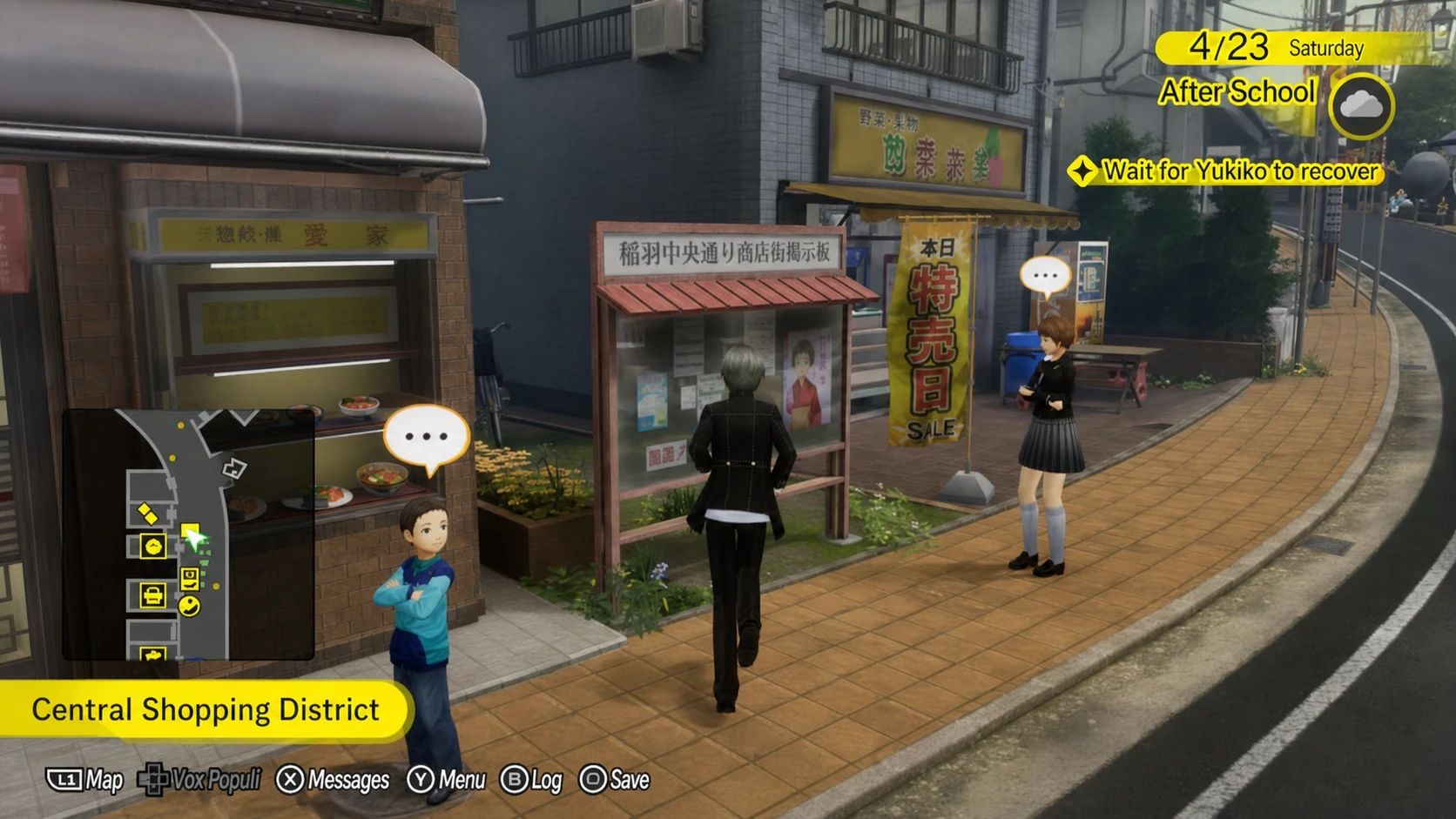
The visual presentation has been rebuilt to match recent entries. Character models are more expressive, and the menus carry the show’s TV and performance theme throughout. The level-up screen now echoes the original box art with a Velvet Room blue backdrop, while the weather and text-box UI are styled like pop-ups in a stylish broadcast.
Inaba itself has more detail, and the camera sits closer to the action than before. Producer Kazuhisa Wada said the team focused on preserving the original’s atmosphere, from the town’s rustic feel to its slow-building mystery, while evolving the gameplay for stress-free play through UI changes, faster battle tempo, and smoother dungeon exploration.
Release date, platforms, and editions
Persona 4 Revival arrives February 18, 2027 on PlayStation 5, Xbox Series X|S, and PC. You can find the listing on Steam, with the game also available through the PlayStation Store and the Xbox and Microsoft Store. The Xbox release is included with Game Pass.
| Edition | Price | Notable extras |
|---|---|---|
| Digital Standard | $69.99 | Base game |
| Digital Deluxe | $84.99 | Velvet Outfit Set, P3R and P5R Persona sets |
| Digital Premium | $99.99 | Deluxe contents plus P3R and P5R BGM sets |
| Physical Standard | $69.99 | Character card set (limited, select retailers) |
| Physical Collector’s | $249.99 | Art book, SteelBook, keycaps, keychain, Protagonist & Izanagi statue, all Premium DLC |
Taken together, the broadcast confirms a remake that keeps Persona 4’s structure intact while smoothing the friction around it. The combat additions, save freedom, and full voice work target the rough edges of the 2008 release, and folding in the Golden content means the most complete version of the story ships in the box.