A low-cost Sega handheld built only for 2D games is the talk of the moment, sparked by a workshop tip claiming a Sega-linked partner is shopping around for parts. The pitch describes a small, cheap portable with a 5-inch OLED screen, removable cartridges, and an ARM chip instead of the power-hungry x86 silicon found in devices like the Steam Deck. None of this is official, so treat every spec as unconfirmed.
Quick answer: The rumored device is a budget 2D-only handheld with a 5-inch OLED panel, low-power ARM processor, limited internal storage, and physical game carts built on industrial eMMC modules. Sega has not announced it, and the request reportedly came from a licensing partner rather than Sega itself.
What the rumored Sega handheld is supposed to be
The claim originates from someone who says they work at a small specialist electronics maker. They describe receiving a quotation request from a company that has produced licensed Sega hardware before, pointing to the Genesis / Mega Drive Mini as a reference point. The wording was careful. Not Sega directly, but a partner “in that orbit,” with Tectoy and AtGames named as the type of outfit involved.
The framing matters. A licensing partner sourcing parts is very different from Sega greenlighting its own console. AtGames, for example, has put out Sega-branded portables in the past, including the poorly received Mega Drive Ultimate. So even if the request is real, the end product could carry a Sega logo without Sega designing it.
Rumored specifications for the Sega 2D handheld
The leaked beats paint a picture of deliberate cost-cutting. The screen gets the budget, and almost everything else is trimmed to pay for it. There is no mention of 3D acceleration beyond what the interface needs, which lines up with the “modern 2D titles” and “pixel art presentation” language attached to the pitch.
| Spec | Rumored detail |
|---|---|
| Processor | Low-power ARM, not x86 |
| Display | 5-inch OLED, same form factor as the PS Vita |
| Graphics | No 3D acceleration beyond basic UI and compositing |
| Internal storage | Seemingly limited |
| Game media | Removable cartridges |
| Target software | Modern 2D titles and pixel art games |
The cartridge approach is the standout detail. Instead of the high-capacity consumer NAND you would expect in a modern handheld, the carts are described as low-capacity industrial eMMC modules. These parts are cheap, widely available, and not caught up in the memory price spikes driven by AI demand. The trade-off is small storage per cart, which fits a machine aimed at compact 2D games rather than large 3D releases.
Where this sits in the handheld market
This is not a Switch rival. A 2D-only portable with limited performance and physical media targets a narrow audience that Sony and Nintendo left behind when the PS Vita and 3DS bowed out. The closest comparison is what Blaze does with the Evercade and Super Pocket, where dedicated, affordable hardware leans on cartridge collections. Notably, Sega has not yet teamed with Blaze on an Evercade lineup.
The anonymous tip also mentions a development kit already existing on their end, with comparisons drawn to a modern Game Boy Advance and the original Sega Game Gear. The framing leans toward a purpose-built 2D platform with physical games rather than a general retro emulation box.
How seriously to take the Sega handheld rumor
Quotation requests like this often go nowhere. Manufacturers field pitches that never reach shelves, and the tipster admitted as much while still betting the request traces back to Sega. There is no release date, no price, no confirmed brand, and no official word from Sega.
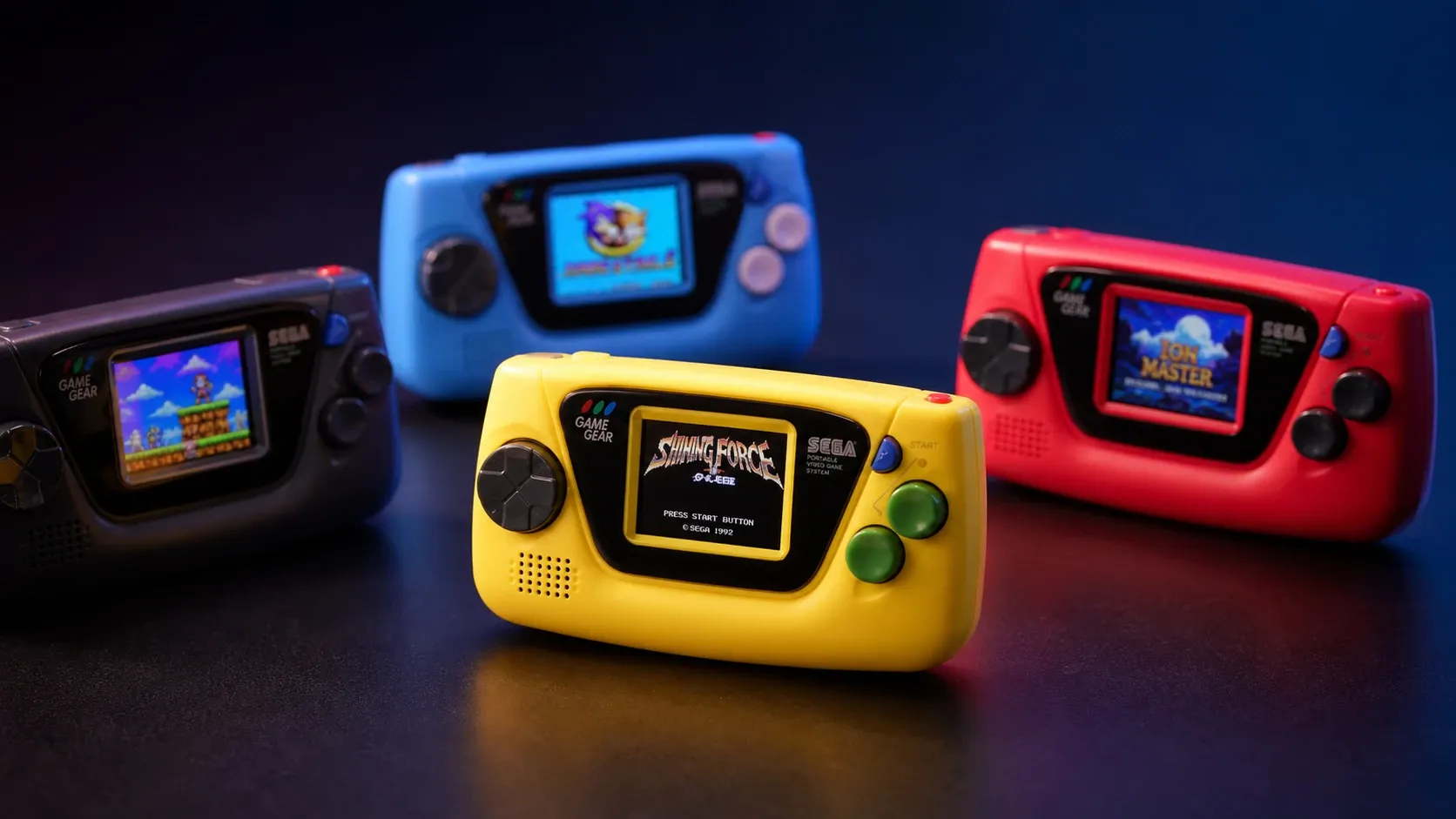
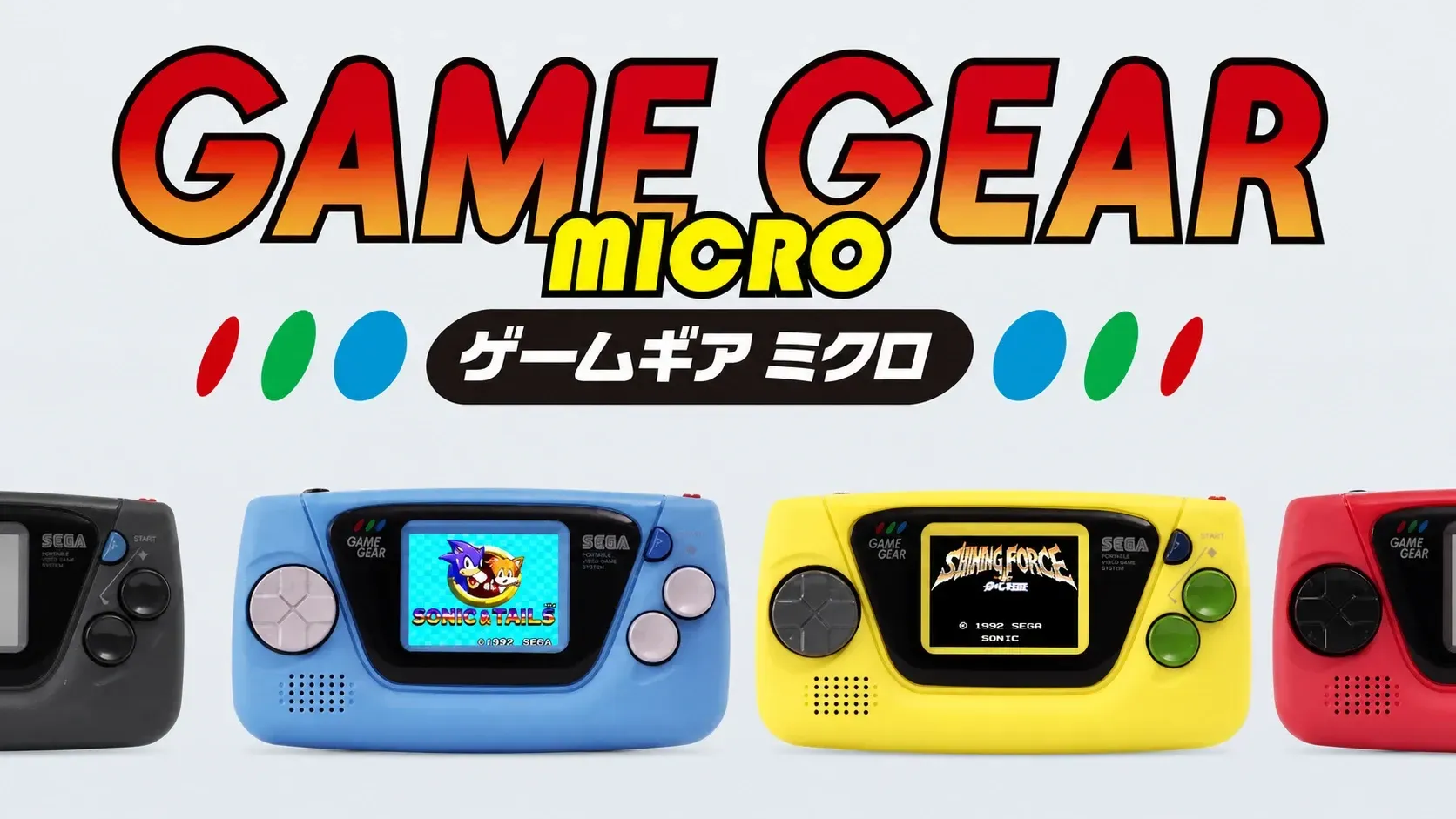
Sega’s last portable outing was the Game Gear Micro, a Japan-only novelty that landed as a curiosity more than a serious handheld. That history is worth keeping in mind. A cheap, cartridge-driven 2D machine would be a sharp change of direction, and until Sega or a named partner says something on the record, the whole concept stays in rumor territory.
If it does ship, the success of an Evercade-style device shows there is real appetite for affordable, focused hardware. A strong 2D library, including indie hits, would decide whether this lands as a hit or another footnote in Sega’s uneven portable record.