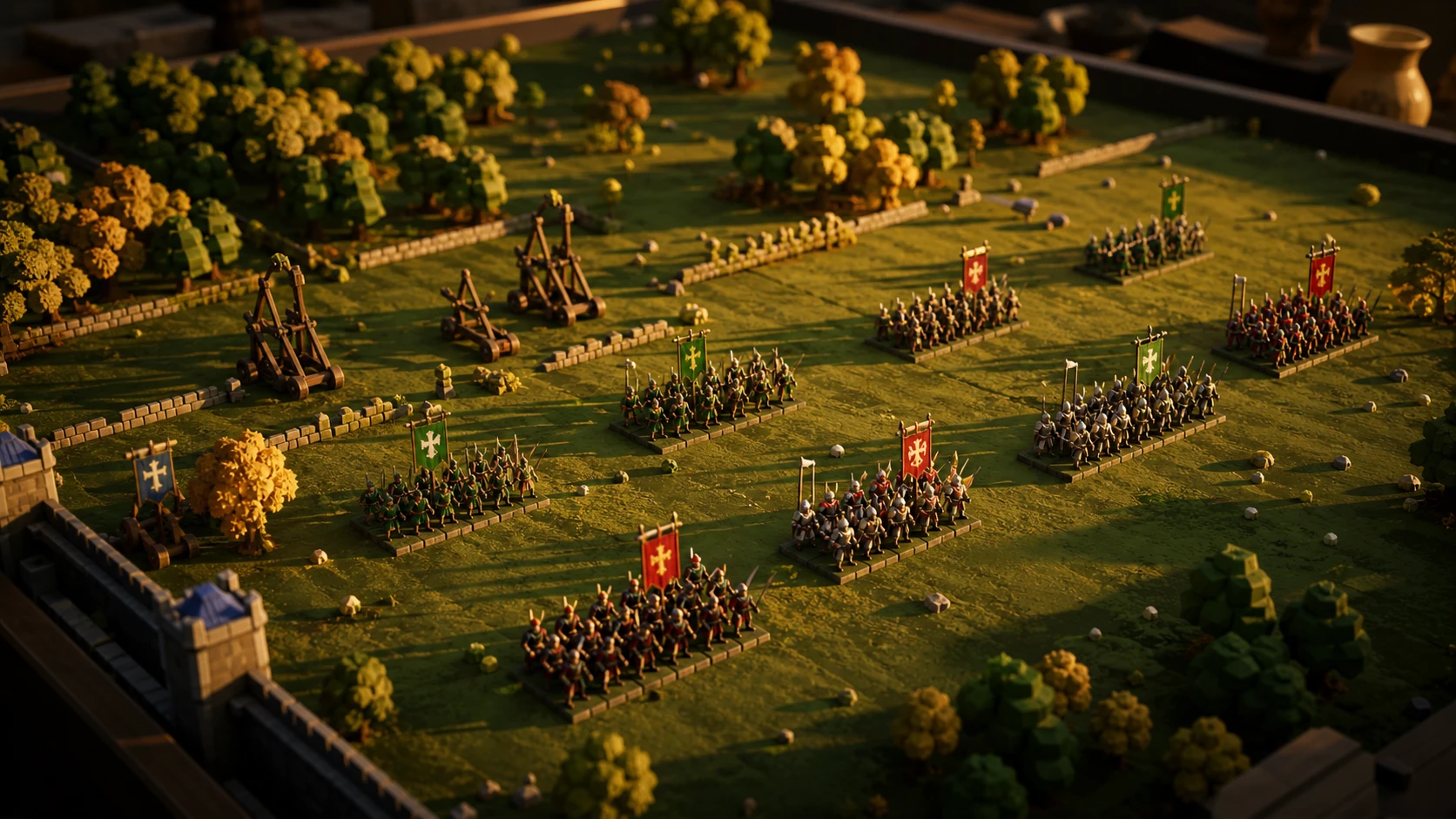
Sieges are the hardest fights in Tabletop Tavern, and they punish armies that walk in unprepared. Towns and castles add walls, arrow fire from defenders, and extra garrison troops on top of the enemy you can already see. The way to win is to bring artillery, take manual control of the battle, and only attack when the reward is worth the casualties.
Quick answer: Attack a siege with artillery in your army, play the battle manually, and skip it if your units are already wounded or a major fight is coming up.
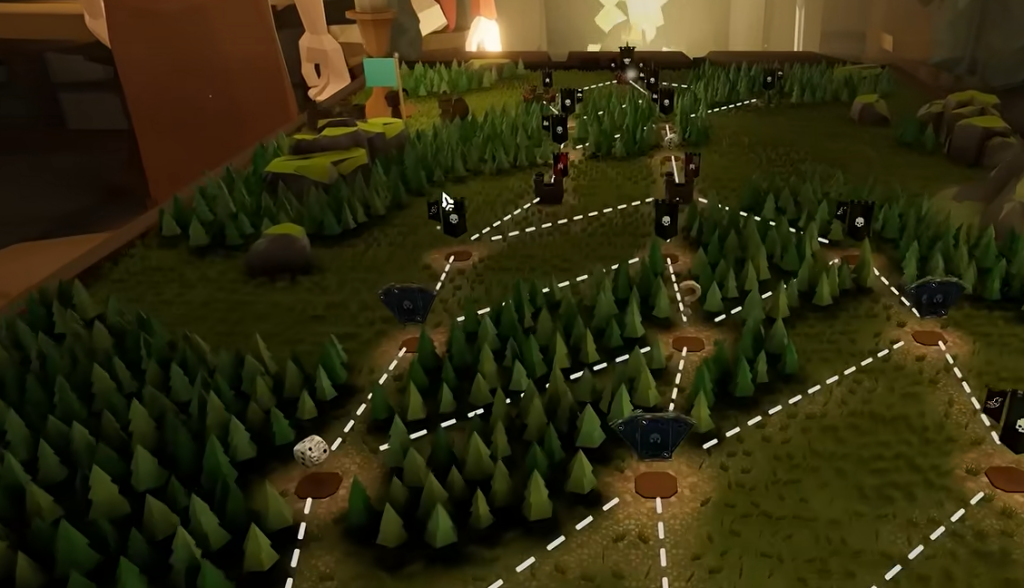
Why sieges cost more than normal battles
Defenders in a siege start with a structural advantage. They fire arrows from strong positions, sit behind walls, and bring garrison units that reinforce the fight. That combination lets a defended town grind down an attacking army even when you would win the same enemy on open ground.
Because Tabletop Tavern is a roguelite, those extra losses follow you. A siege that costs half your roster can wreck the next several map choices, so the casualties matter as much as the win itself.
| Siege defender advantage | What it does to you |
|---|---|
| Walls | Block movement and protect enemy units until gates break. |
| Arrow fire | Damages your army before melee even begins. |
| Strong defensive positions | Make frontal pushes slow and expensive. |
| Garrison troops | Add extra defenders beyond the visible enemy. |
Bring artillery before you start a siege
Artillery is the single most important unit for sieges. It outranges the defenders, breaks gates, and can punish clustered garrison troops before your main line takes any damage. Attacking a fortified position without it turns the fight into a slow, expensive loss.
With artillery in the army, you can soften the walls and thin defenders from outside their effective range. That removes most of the structural advantage a siege normally gives the enemy.
If you do not have artillery and a siege appears, it is often smarter to walk away. Skipping a fight you cannot win cleanly keeps veteran units alive for battles that matter more.
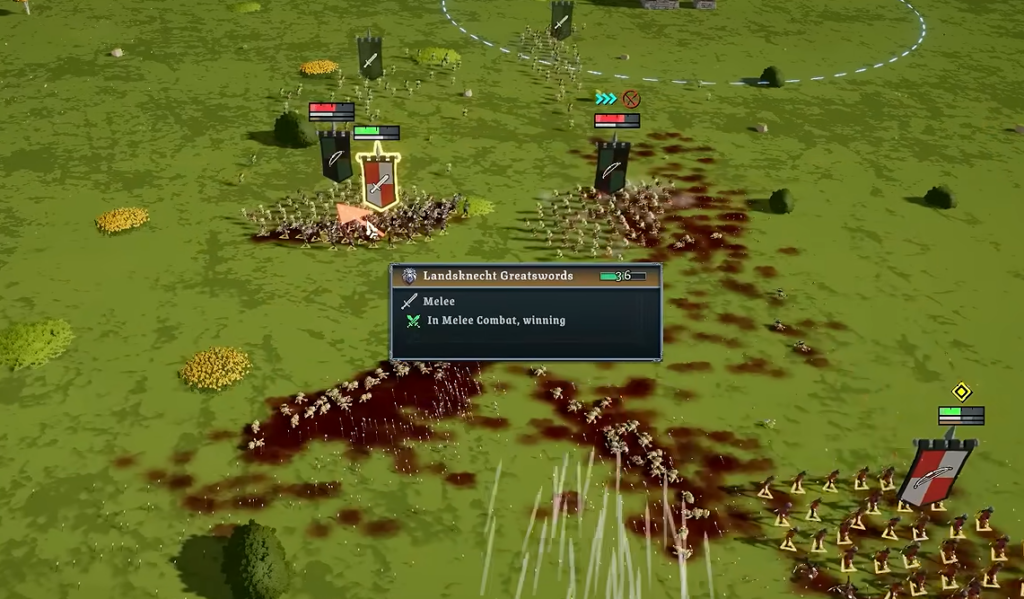
Always play sieges manually
Auto-resolve works for easy open-field fights, but a siege is exactly the kind of battle where manual control saves units. Walls, arrows, and garrisons create casualty risk that the auto-resolve does not handle in your favor.
Taking manual control lets you direct artillery at the gates, keep ranged units protected, and time your melee push so you are not absorbing arrow fire for longer than needed. Saving even two important units this way is usually worth more than a faster automatic result.
How to fight the siege
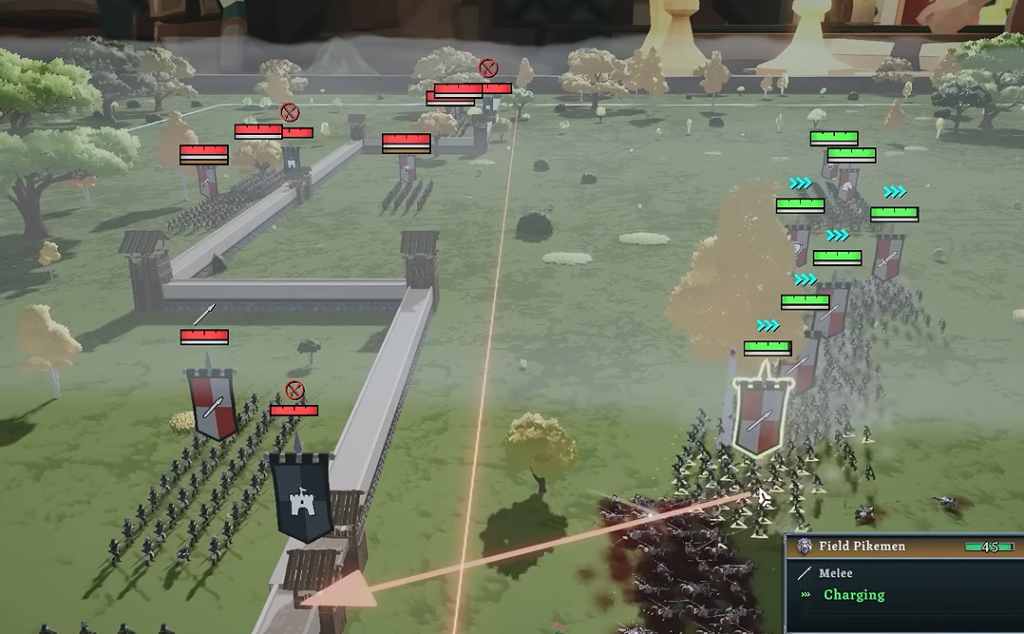
Decide if the siege is worth it
Winning a siege can hand you valuable loot, but heavy casualties can leave you too weak for the battles ahead. Before you commit, weigh your army’s health against the reward on offer.
| Attack the siege when | Skip the siege when |
|---|---|
| You have artillery ready. | You have no artillery available. |
| Your units are healthy. | Your army is already wounded. |
| The reward fills a real need. | A major battle is coming soon. |
| You can take manual control. | The casualties outweigh the loot. |
If you do take damage, recover before pushing on. Reserve slots heal units after the next battle, villages let you rest overnight, and taverns can heal the whole army for gold when the event appears. A half-dead veteran is a future casualty, so heal it rather than marching it into the next fight.
The whole approach comes down to preparation over force. Sieges reward the player who shows up with artillery, fights manually, protects their flanks, and knows when to walk away. Do that, and the fortified towns and castles that wreck other runs become just another fight you can win without bleeding your army dry.