

The Super Nintendo turned 35 and somehow keeps winning the argument for greatest console ever made. Plenty of retro games lean on nostalgia to survive, but a handful of SNES titles need no such crutch. Boot them up today — on original hardware, a cartridge, or clean emulation — and the fundamentals still carry them. These are the games where the design itself, not the memory of it, is doing the heavy lifting.
Quick answer: The SNES games that still play as flawless 10/10s are EarthBound, Chrono Trigger, Terranigma, The Legend of Zelda: A Link to the Past, Super Metroid, Super Mario World 2: Yoshi’s Island, and Demon’s Crest.
The short list of SNES 10/10s
Each of these games clears the same bar: responsive controls, a core loop that still feels good, and enough craftsmanship that a first-time player can enjoy it with zero context. Here’s the quick rundown before the deep dives.
| Game | Genre | Why it still holds up |
|---|---|---|
| EarthBound | RPG | Surreal urban satire and forward-thinking mechanics that feel modern |
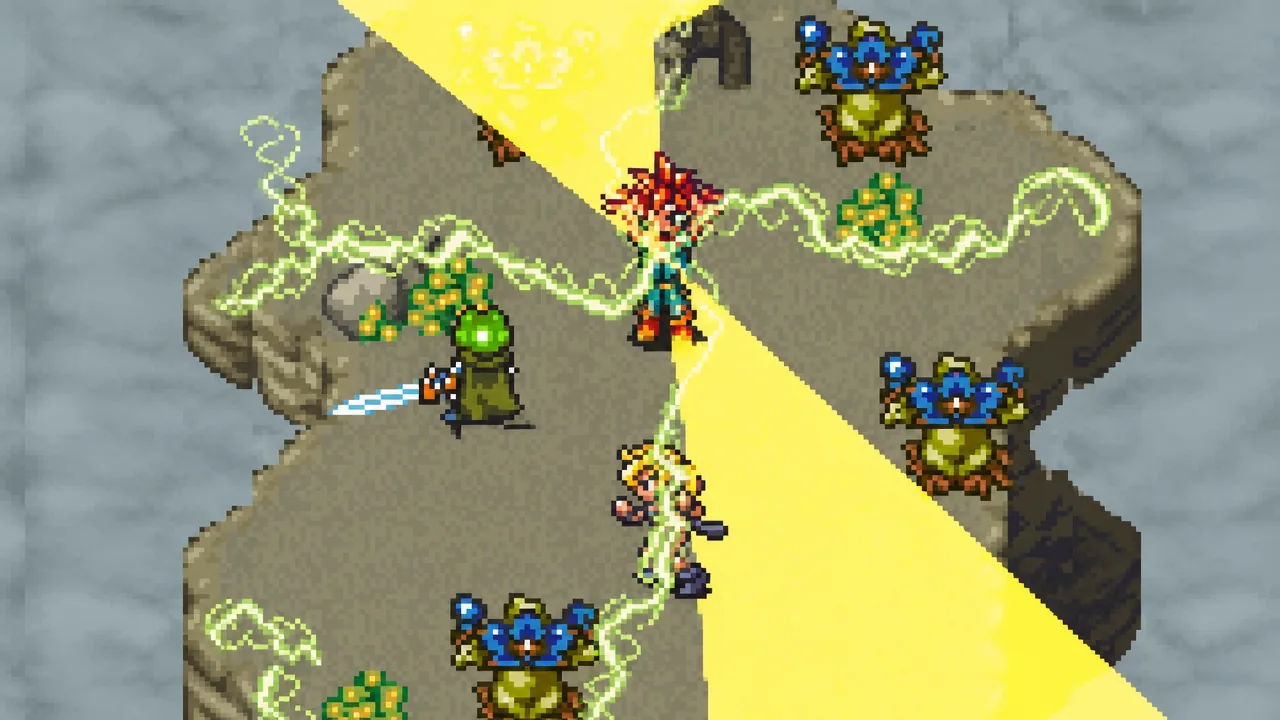
| Chrono Trigger | RPG | Tight 20-hour campaign, time travel, multiple endings, New Game+ |
| Terranigma | Action RPG | Huge scope and combat that ranks among the genre’s best |
| A Link to the Past | Action-adventure | The blueprint for 2D Zelda, with peak 16-bit art |
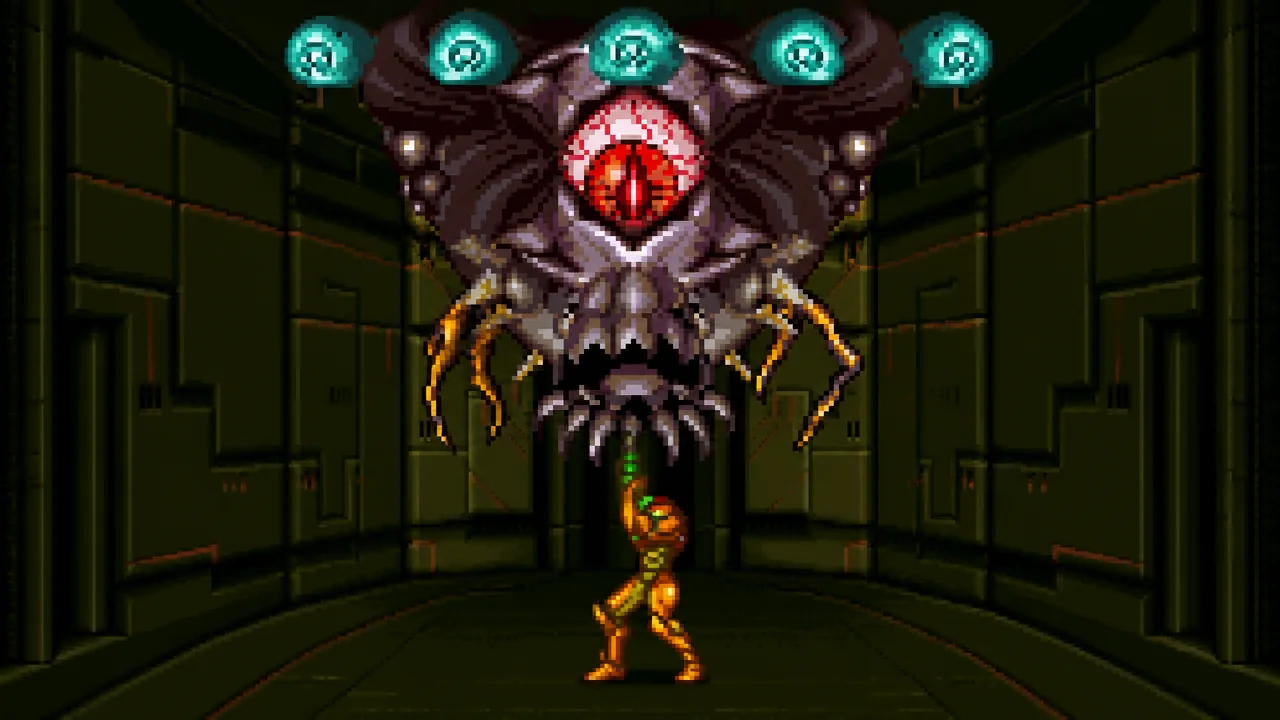
| Super Metroid | Action-adventure | Gold standard for non-linear 2D exploration |
| Yoshi’s Island | Platformer | Storybook art and egg-throwing puzzles instead of straight jumping |
| Demon’s Crest | Platformer | Gothic, non-linear stage design with transformation-based abilities |
Role-playing games that redefined the genre
The SNES was a goldmine for RPGs, and three of them still stand as untouchable. What ties them together isn’t their genre so much as how little they’ve aged. The stories still land, the systems still click, and the pacing respects your time.
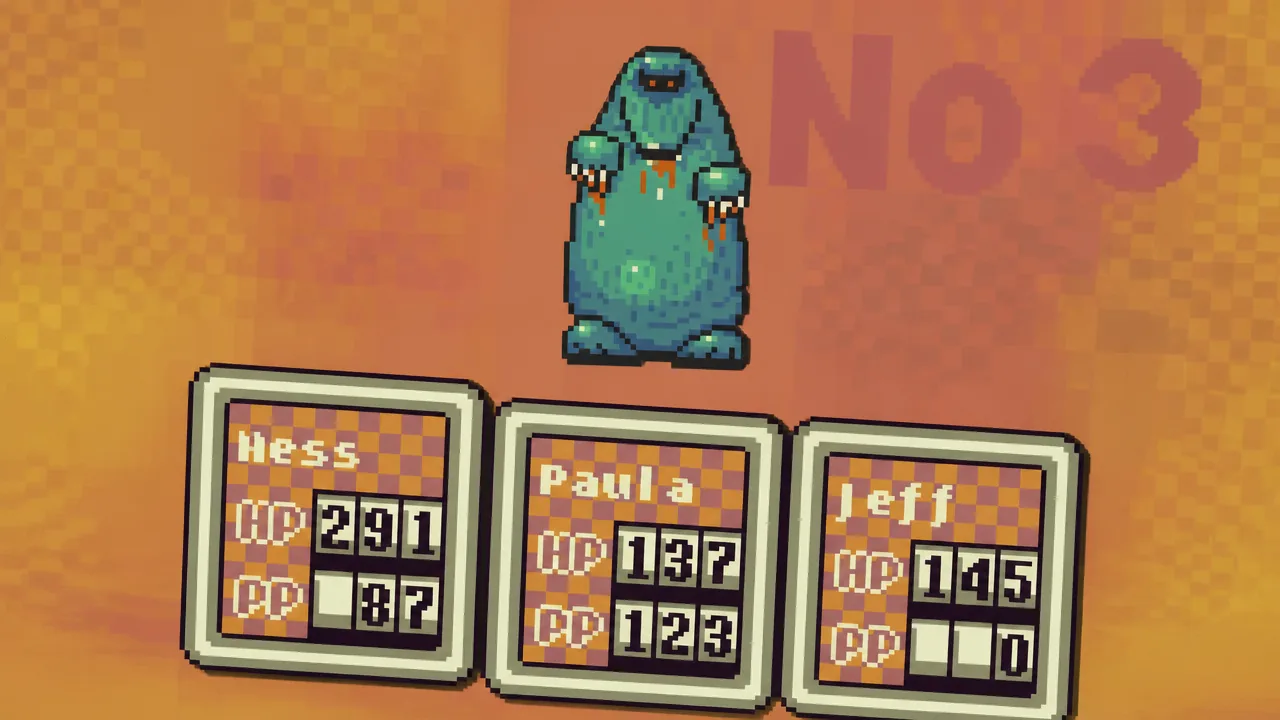
EarthBound feels like a modern indie game
While the original Mother on the NES shows its age, its sequel could pass for a modern indie darling. EarthBound walked away from high fantasy and toward urban satire, blending comedy and horror into a surreal story built for immersion. Its influence runs straight through games like Undertale and LISA.
The mechanics were years ahead of the trends. Dropping random encounters and letting you instantly clear weak enemies became RPG staples, and the rolling HP meter — where your health ticks down instead of vanishing, giving you a chance to win a fight before the damage lands — remains one of the smartest ideas the genre never fully copied.
Chrono Trigger is the best RPG, full stop
Chrono Trigger is the strongest case for the best RPG of the ’90s, if not ever. Built by a dream team of Hironobu Sakaguchi, Yuji Horii, and Akira Toriyama, it’s the kind of lightning-in-a-bottle project that Square has never quite recaptured. And unlike a lot of aging classics, it works both as a historical milestone and as a game you’d happily play today.
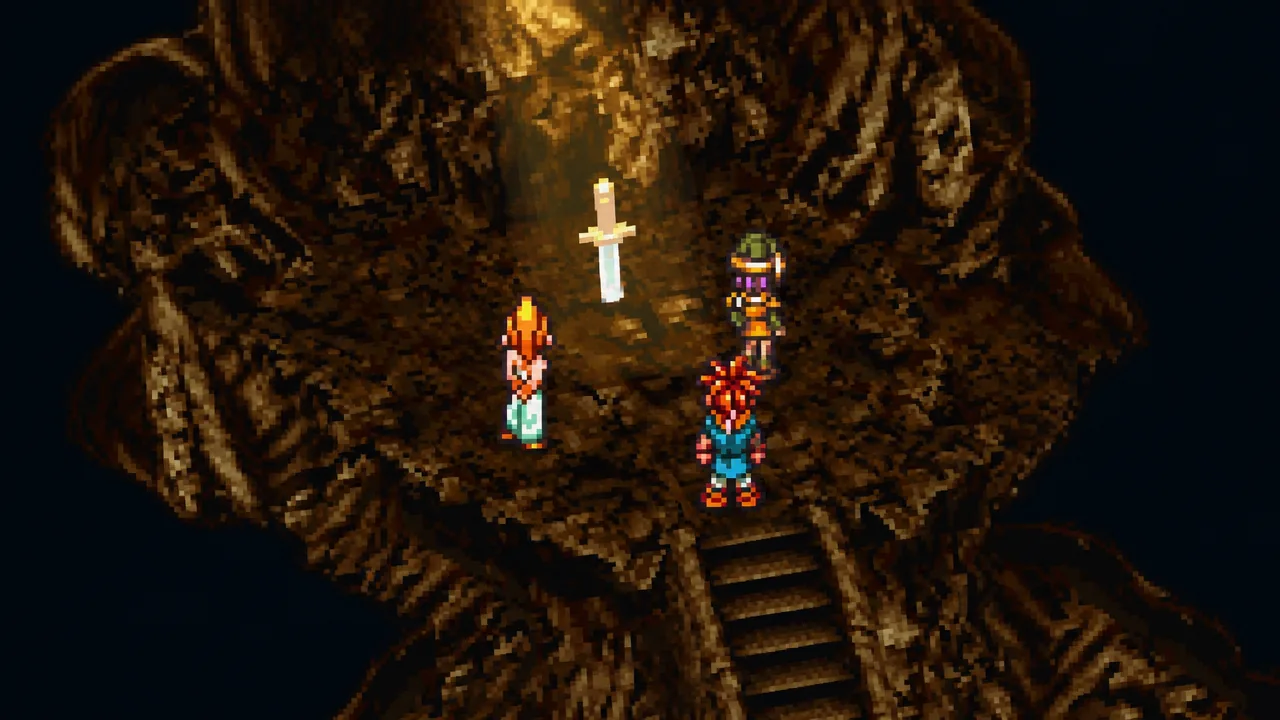
The campaign runs roughly 20 hours and never overstays its welcome, with each dungeon and side quest pulling weight. The time-travel premise isn’t just narrative dressing either. It feeds directly into the multiple endings and the New Game+ that encourages you to chase them.
Terranigma is the forgotten action RPG that aged best
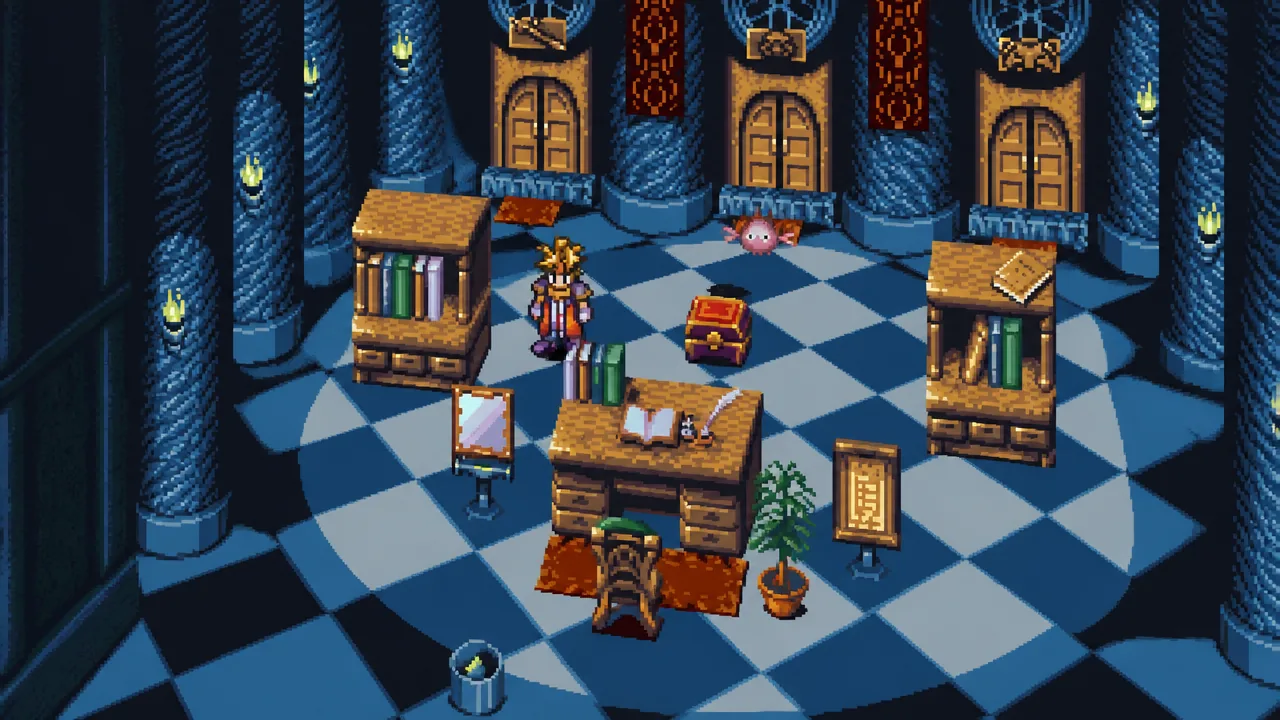
Terranigma never earned the foundational status of Dragon Quest 3 or Final Fantasy 6, and that comes down to its distribution and late release rather than its quality. A strong case says it’s the best action RPG on the SNES, and an even stronger one says it has aged better than nearly all its rivals.
Building on Soul Blazer and Illusion of Gaia, it reads as Quintet’s magnum opus in both execution and scale. You’re tasked with restoring a dying planet through successive evolutionary stages, and the story leans into mature themes like ethics, reincarnation, and civilization’s toll on nature. The combat still feels excellent, which is ultimately why it endures.
Action-adventure with near-perfect exploration
Two Nintendo games set the template for how 2D worlds should be built and explored. Both trust the player to figure things out, and both still feel fluid in a way many modern imitators miss.
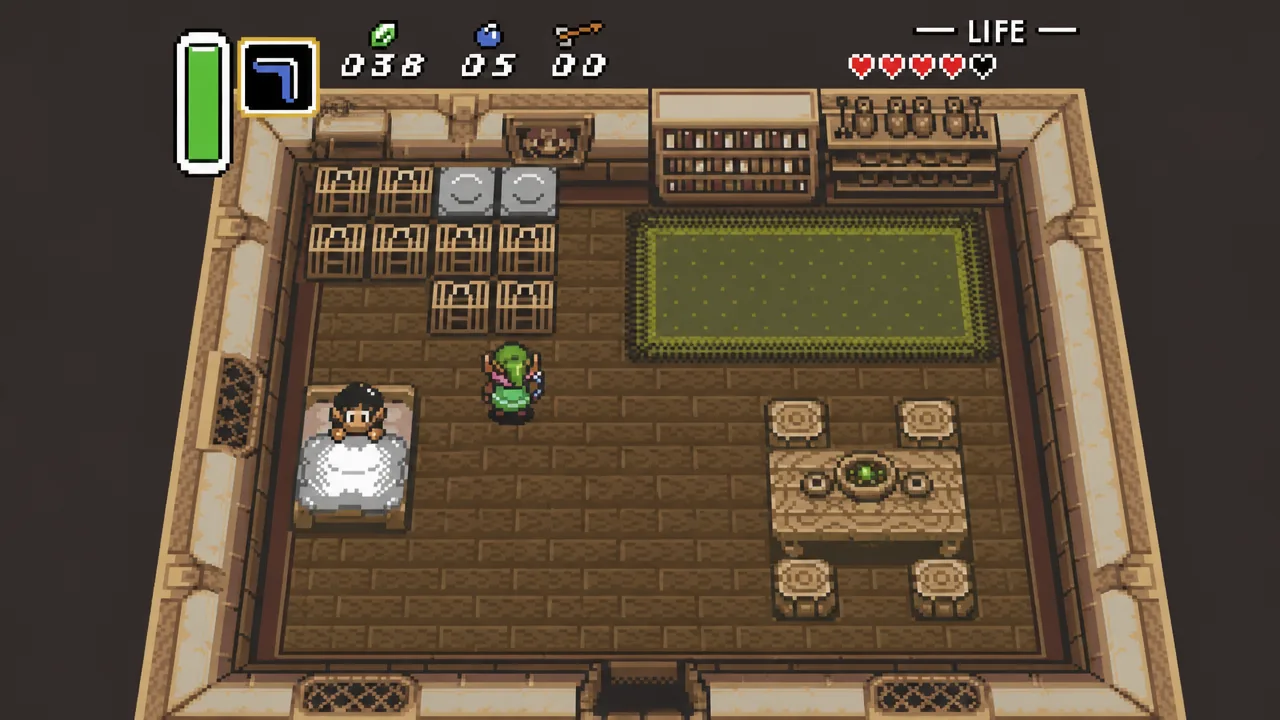
A Link to the Past is the definitive 2D Zelda
If the original NES game sketched the outline of what a Zelda should be, A Link to the Past filled in the colors. This is where the Zelda formula was born, a structure that stayed in place until roughly Twilight Princess and still echoes today.
The Dark World mechanic, the 12-dungeon lineup, and the simple but fluid combat make it endlessly replayable. Its visuals are arguably the absolute peak of 16-bit art — not just on the SNES, but anywhere.

Super Metroid set the standard for exploration
The 1986 original had all the pieces; Super Metroid tuned them to near-perfection. It might still be the gold standard for 2D non-linear exploration, and the entire Metroidvania genre traces its rules back to it.
Planet Zebes seems confusing at first, then slowly clicks into place. The interconnected level design uses environmental cues and enemies to guide you, rewarding progress with upgrades that expand the map. Movement is built around momentum, so it stays snappy while leaving room for mastery. The difficulty can be a wall for newcomers, but it’s fair by the standards of its era.
Platformers that took big swings
Not every SNES platformer chased speed and precision. Two of the best deliberately broke their own conventions, and both are stronger for it.
Yoshi’s Island is the gamble that paid off
Rather than play it safe, Nintendo turned Mario into a baby, handed the lead to a new protagonist with a completely different moveset, and swapped fast platforming for slow exploration. It should have been a disaster. Instead it became an enduring classic.
The storybook art style has aged far better than the early 3D renders arriving at the same time. Yoshi’s core loop of swallowing enemies and throwing eggs turns each level into a puzzle rather than a straight jumper, and the boss fights are genuinely great — something a Mario game can never take for granted.
Demon’s Crest is Capcom’s SNES high point
Capcom had masterpieces well before Resident Evil, and Demon’s Crest might be its crowning achievement on the SNES. You play as Firebrand, the villain from Ghosts ‘n Goblins, on a hard-but-fair quest to seize the Demon Realm.
It’s a stage-based platformer with the spirit of a Metroidvania, letting you choose which regions to tackle next, with a structure not unlike Demon’s Souls. The main hook is a set of transformations that significantly change Firebrand’s abilities for both combat and exploration, all wrapped in an environment full of gothic charm.
These aren’t the only Super Nintendo greats — Final Fantasy VI, Super Mario World, Super Mario RPG, Donkey Kong Country 2, and Mega Man X all have their champions too. But if you want the shortest path to a genuine 10/10 that still feels sharp today, start here and work through the list. None of them ask you to grade on a curve.