
The fastest way to change the shape of a match in Halloween: The Game is not hiding in a closet. It is the telephone. Every completed dispatch call feeds a police presence meter, and once that meter climbs high enough, Haddonfield fills with armed officers and dead teammates start coming back as cops. The “Max Cop” build is simply a civilian loadout tuned to do nothing else.
Quick answer: Call dispatch from every rotary phone and CB radio you can reach, hit the perfect zone on each skill check, and run Frantic plus Smooth Talker. At police level 3 the wagon gets called.
What the Max Cop build actually does
Police response runs on three levels. Each successful call to the sheriff’s office pushes the presence meter up, and each level changes what arrives. One investigating officer at first, then larger groups, and finally a police wagon that acts as an extra extraction point for residents.
The second payoff matters more than the escape route. Once reinforcements are available, players who have died or already escaped can come back into the match as armed officers with their own perk selections. A build that maxes the meter early is effectively deciding how many bodies your team has on the street for the rest of the round.
How to raise police response to level 3
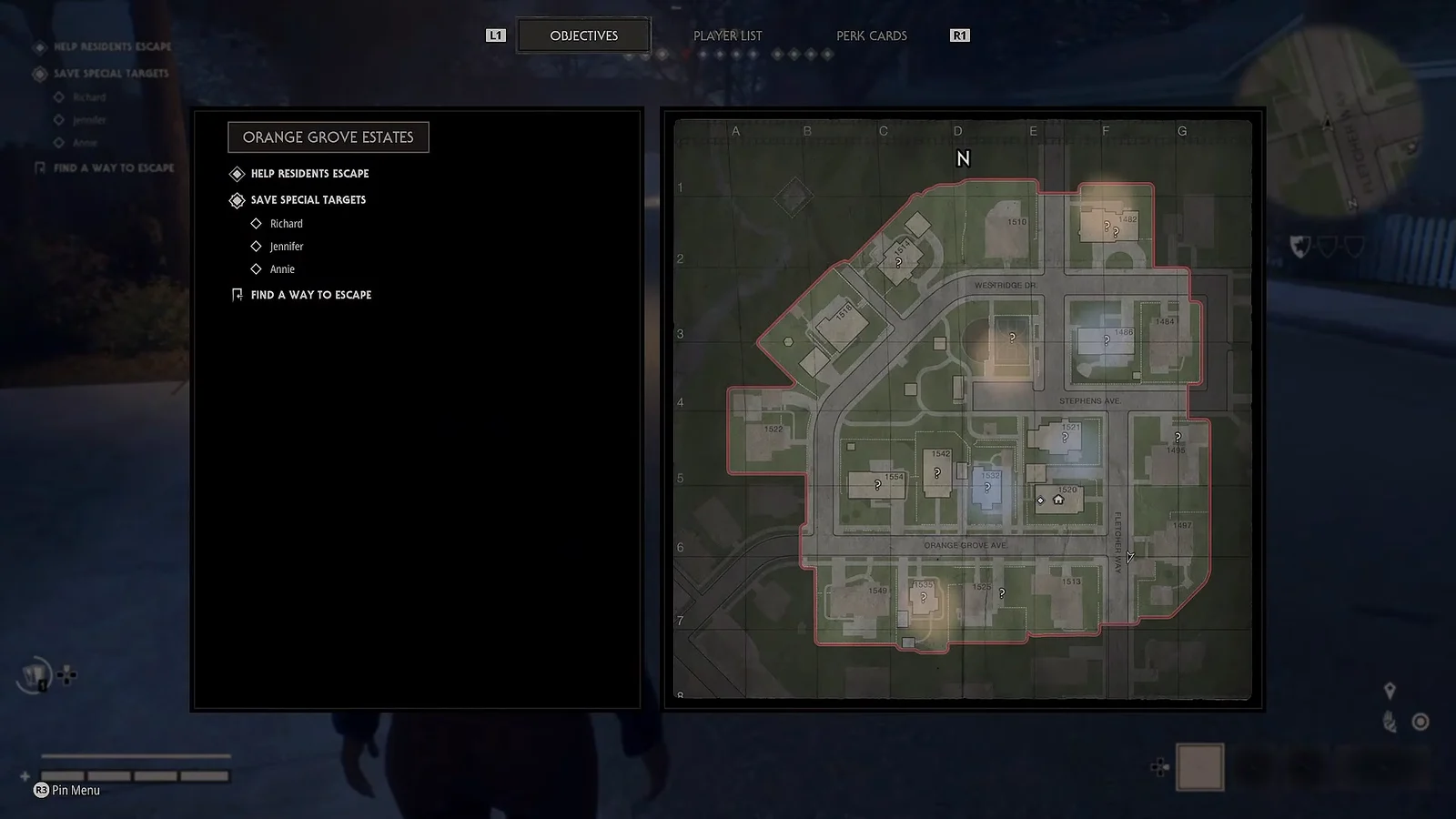
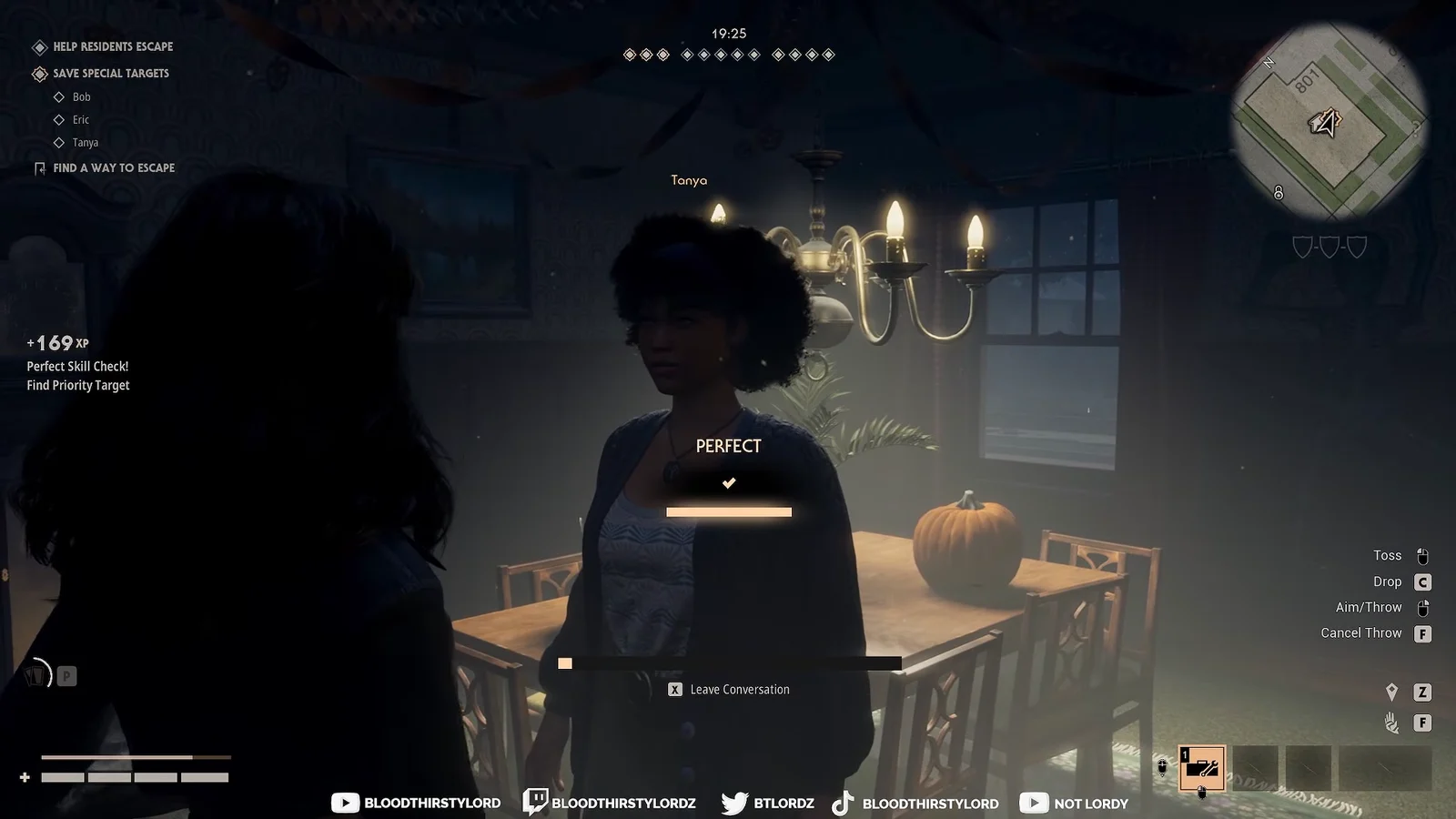
Bolt cutters and a pipe wrench are worth carrying even on a pure dispatch run, because they open storm cellar padlocks and jammed doors that would otherwise force you back into the open.
How to confirm the calls are landing
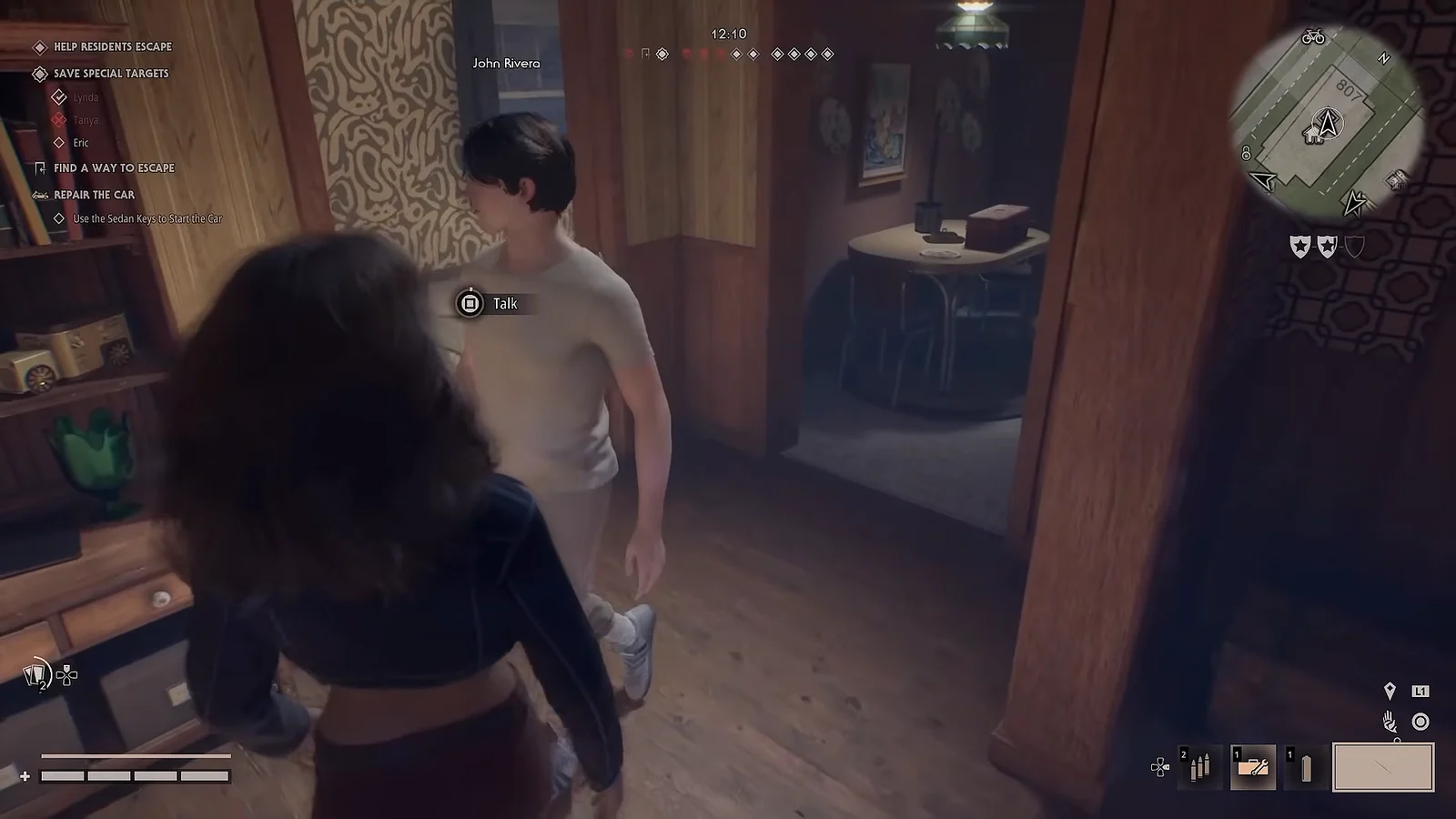
Every stage of the escalation prints its own on-screen notification, so you never have to guess where the meter sits.
| Stage | Confirmation on screen | What it means |
|---|---|---|
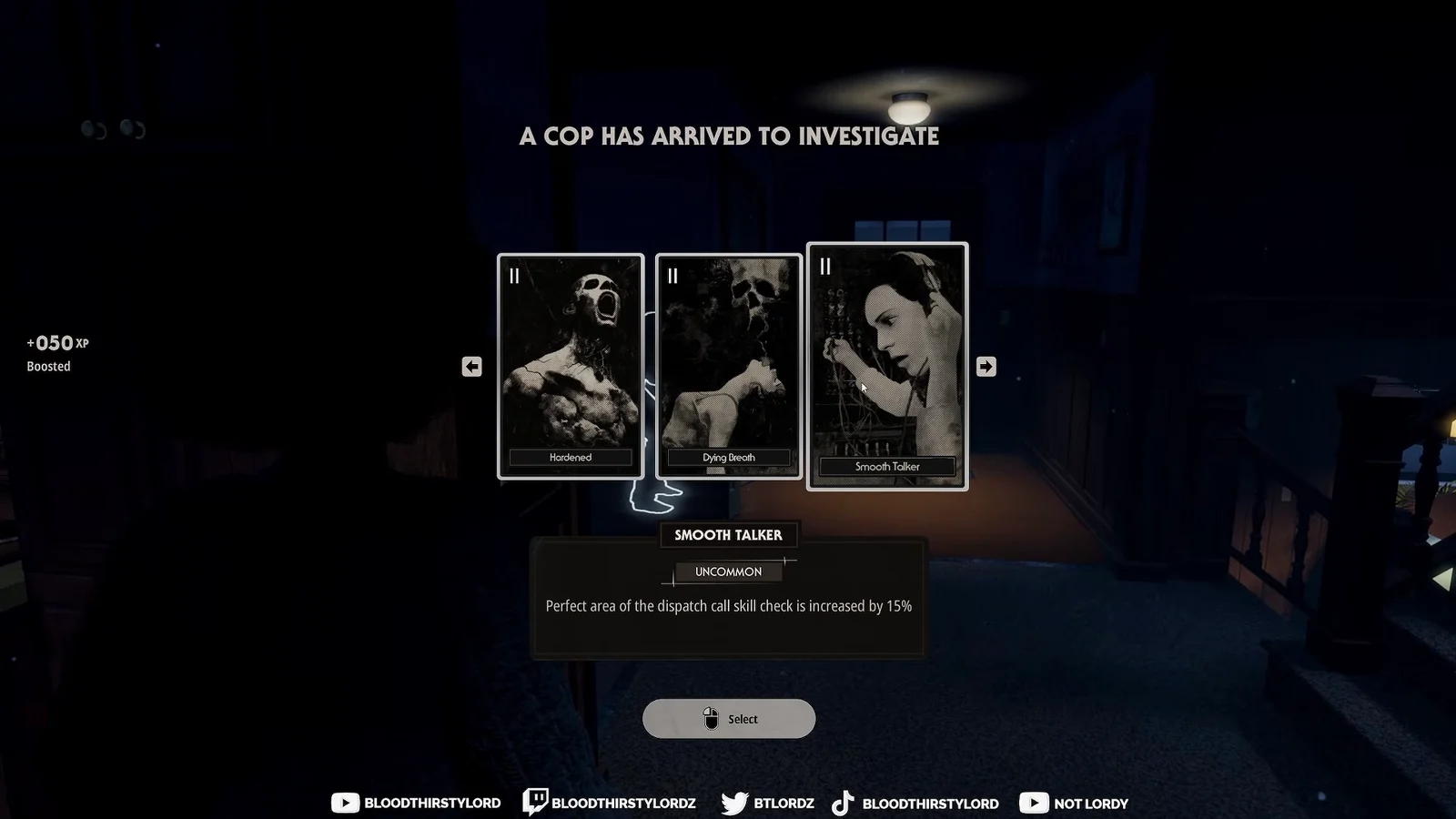
| First response | A COP HAS ARRIVED TO INVESTIGATE | One officer spawns and patrols |
| Escalation | MORE COPS HAVE ARRIVED | Additional officers on the map |
| Level 3 | POLICE WAGON CALLED | Extra extraction point opens |
Resident outcomes are logged the same way. Names appearing with ESCAPED confirm that the people you told to run actually made it out, which is the scoring half of the civilian win condition.
Perk cards for the dispatch deck
Perk cards are pulled from your deck as you level up during the match, and they are separate from a character’s signature traits. Two of them do the heavy lifting; the rest are there to keep you alive long enough to reach the next phone.
| Card | Effect | Role |
|---|---|---|
| Frantic | More police presence per call | Core |
| Smooth Talker | Larger perfect zone on dispatch checks | Core |
| Thick Skin | 20% sharp damage resistance | Survival |
| Stubborn | 20% faster movement when wounded | Survival |
| Unwinded | 15% less stamina use | Mobility |
Frantic is the one card the build cannot skip. It raises how much presence each completed call is worth, so the same phone route that would take you to level 2 takes you past it. Smooth Talker widens the perfect zone on the dispatch minigame, which turns a timing test into something you can hit while listening for footsteps.
Convincing Plea and Silver Tongue round out the conversation side of the deck, and Ghost is a common pick early while you are still moving between houses unseen. Cards can also arrive mid-match through Gift from the Dead, which hands you a new one — Panic Contagion, for instance — from a player who has already been killed.
Alexis Purcell’s stats and traits
As the roster’s second Digital Deluxe civilian, Alexis has its most uneven stat spread. She excels at talking and running, but isn’t suited to wrapping up repair work.
| Stat | Value (out of 10) |
|---|---|
| Personality | 10 |
| Athleticism | 8 |
| Resourcefulness | 5 |
| Capability | 2 |
Ten personality ties the roster cap, shared with Tanya Harrison and Thomas Armitage. Two capability is the roster low, and nothing on any civilian goes below it. Eight athleticism is second only to Jennifer Aarons.

Her three signature traits all point the same direction, which is unusual on this roster. Smooth Talker enlarges the perfect zone of the dispatch-call skill check, reported as 10% in launch-window recordings and 50% in earlier pre-launch builds. Popular makes followers take 90% less damage and gain less fear. Panic Contagion raises your movement speed by 2% each time you help a resident escape, which stacks naturally with a build that is already saving people between calls.
With two capability, Alexis is a poor choice for slow repair objectives. Pair her with a civilian who can finish that work rather than doubling up on personality.
Other civilians that run the same call route
The dispatch loop is not locked to one character. Annie Brackett can start a match with a Flare Gun once she reaches level 10, and that starting item grants cop level 1 of 3 immediately, which skips the first round of calls entirely. Her traits are Speed Kills, Exit Strategy and Convincing Plea, and she leans on grab counters with a pocket knife or ice pick when Michael closes in.
Tanya Harrison is the other natural fit, with personality 10 and the traits Hi-Fi, Survival Skills and Guardian Shadow. Her deck runs the same Convincing Plea, Silver Tongue, Smooth Talker and Frantic package, and she can start with a Flashlight and Flare Gun.
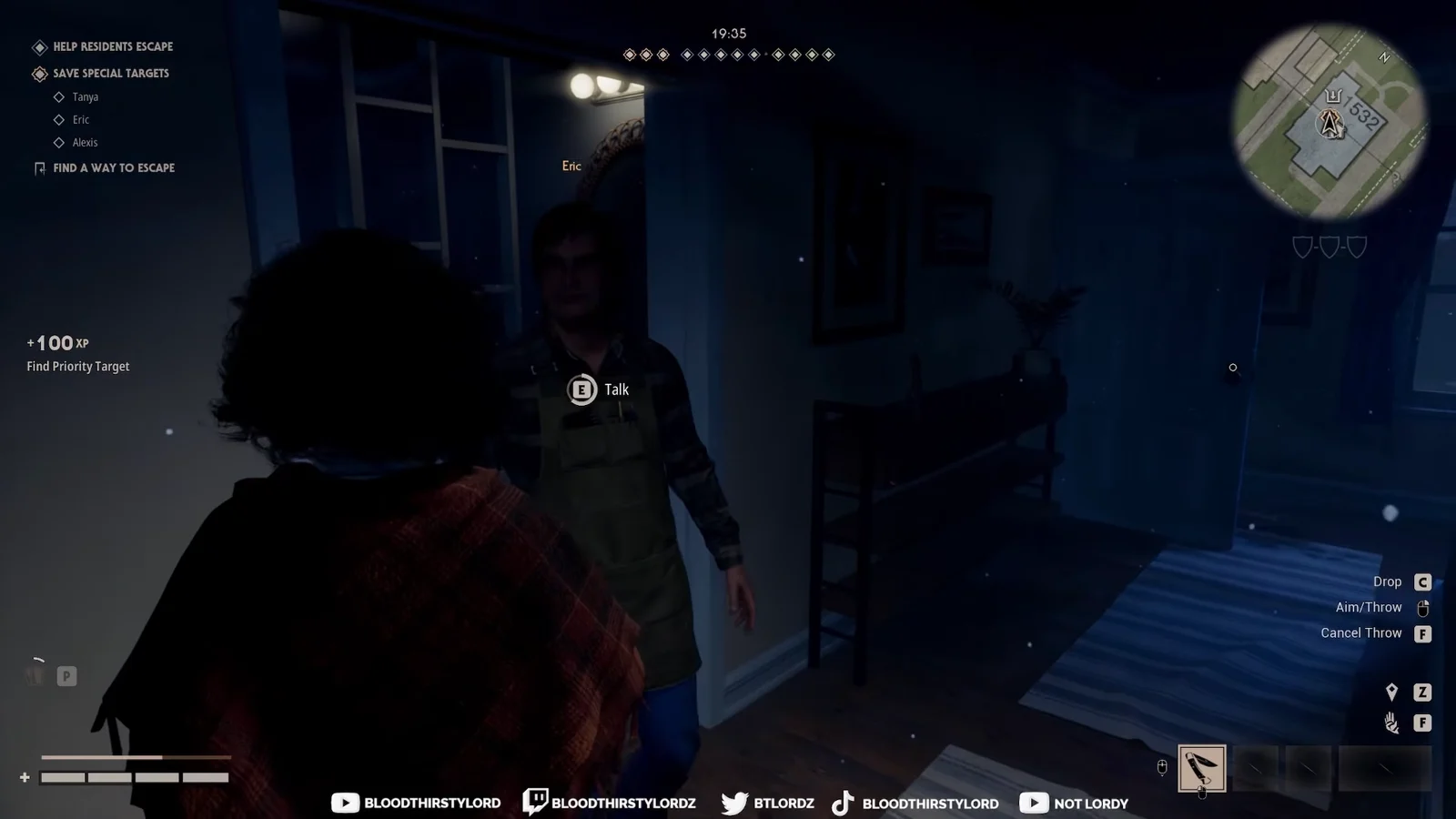
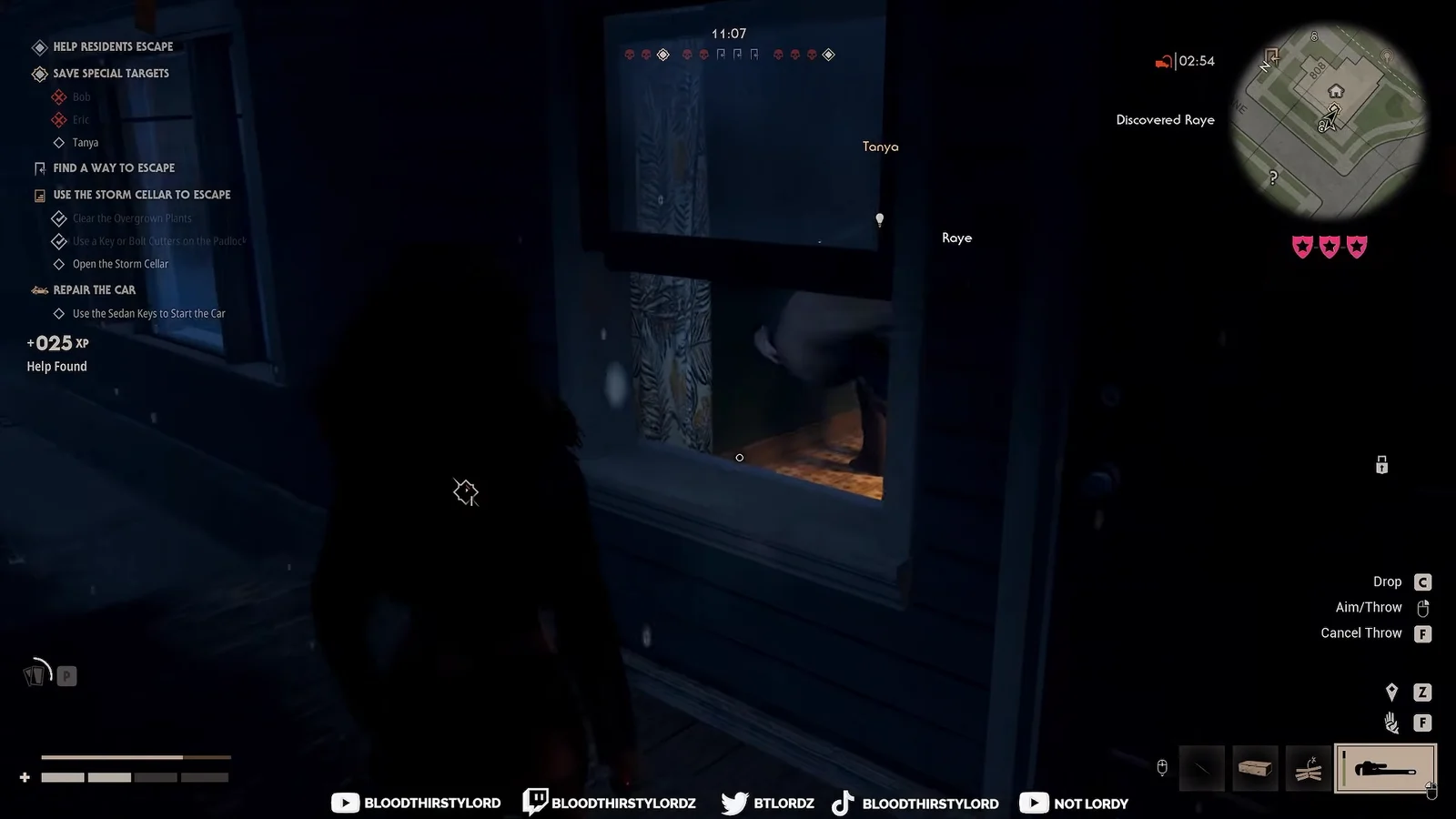
Residents you find hiding in closets or through upstairs windows count too. Each one you talk to is another body that can be sent to a phone or pushed toward an exit.
Escaping and respawning as a police officer
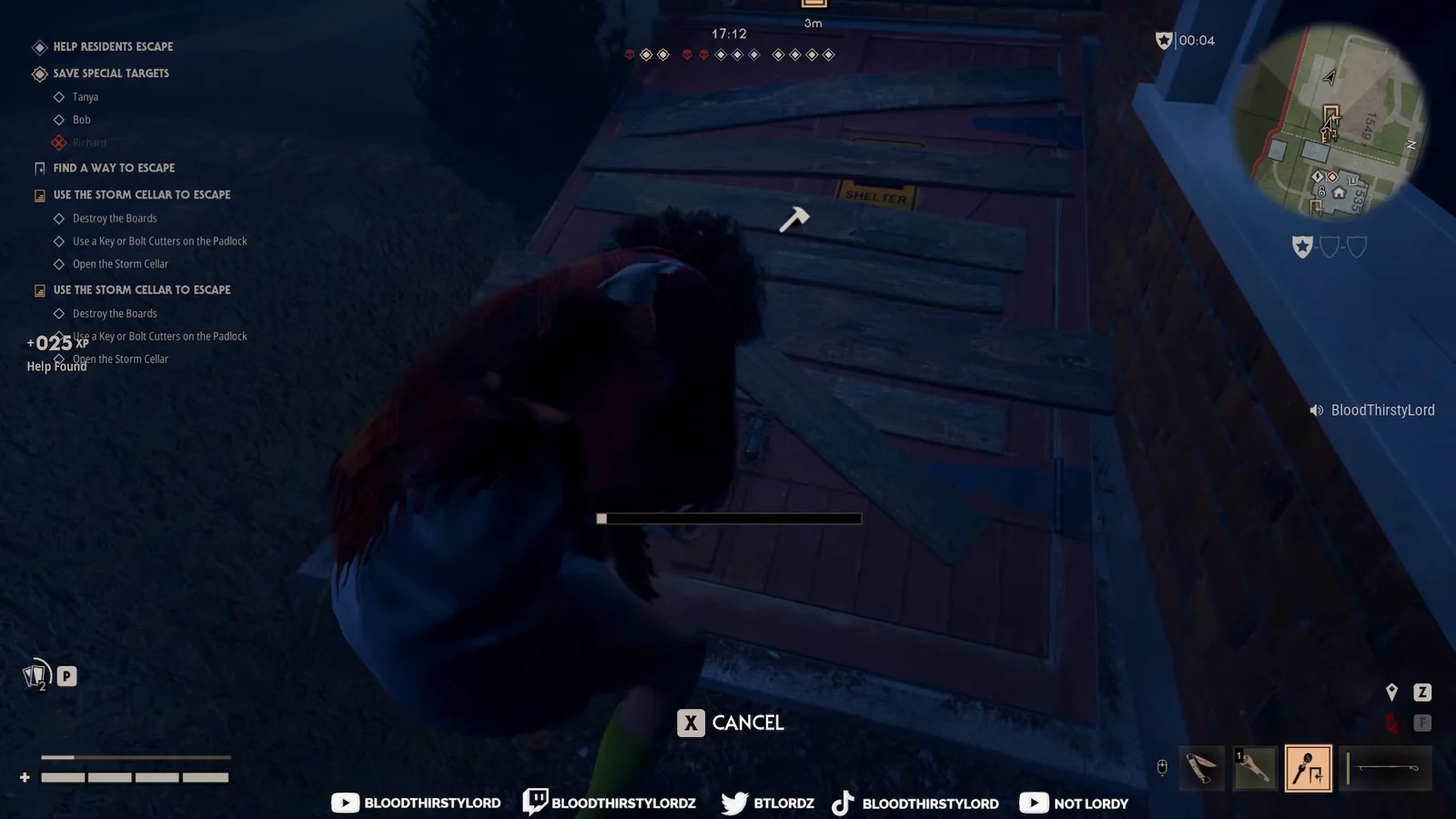
The storm cellar is the exit most dispatch runs end on. The hatch has to be opened manually through a quick-time interaction, and a padlocked one needs bolt cutters or repeated melee strikes before it will budge. Once it is open, residents can be sent through it as well as you.
Escaping is not the end of your match. With reinforcements available, you respawn as an armed officer with a pistol and your own perk selection, such as Solid Foundation. Officers can search cars, work with other cops on the street, knock Michael down with sustained fire and start a detain interaction wheel on him.
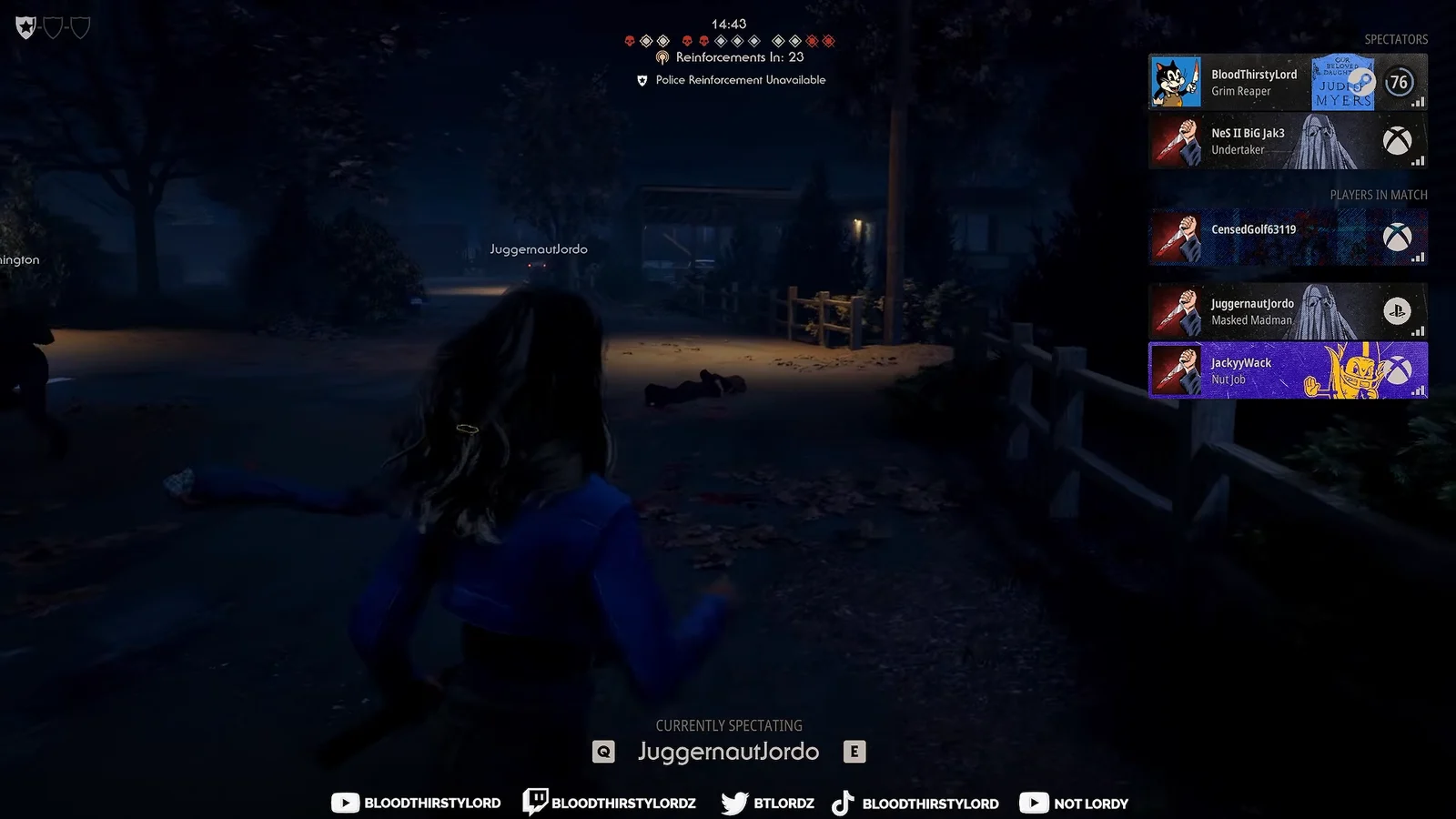
Michael breaks out of the detain wheel and counterattacks. Downing him buys time for residents to run; it does not remove him from the match.
How Michael Myers shuts the calls down
Michael has direct answers to this build. He can cut phone lines, which kills a house as a call site, and he can destroy power boxes to knock out electricity across an area, disabling escape routes and communication devices until someone repairs the box. Repairing it is a short interaction, and a box can be broken again immediately after.
When he catches you mid-route, the reliable outs are environmental. Vaulting a window breaks line of sight, a thrown brick stuns him, firecrackers pull his attention, and a flashlight beam blinds him for a moment. None of that wins a fight — it buys enough distance to reach the next phone.
Maxing police response is not a win button. A match can end with the wagon called, several residents safely out, and still print ALL RESIDENTS KILLED because Michael worked through the remaining townsfolk and the officers guarding them. What the build reliably does is convert your own death into another armed body on the street and give slower teammates a second exit to aim for, and in a game where the killer only needs patience, that trade is usually worth making.