
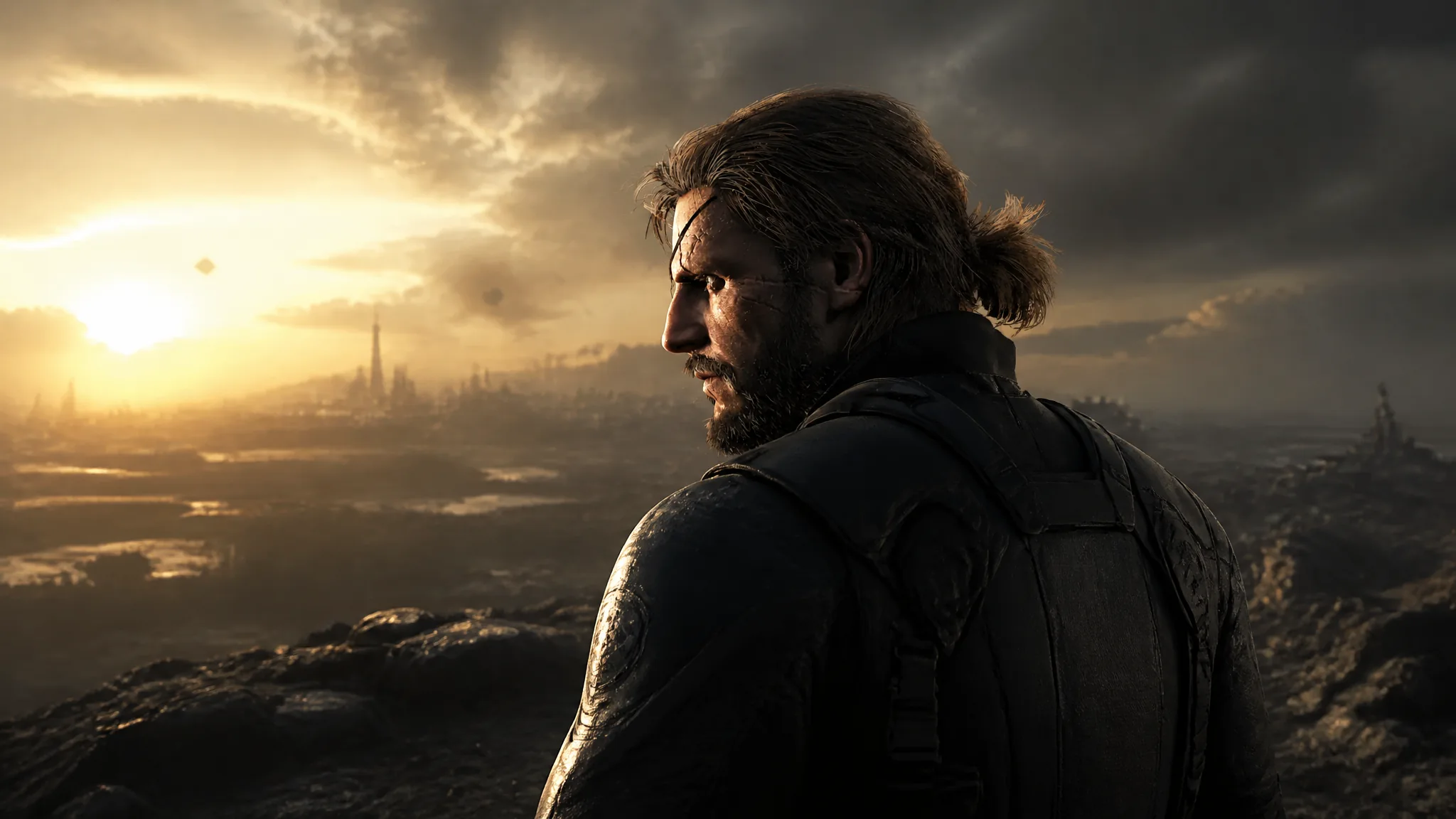
Hideo Kojima is known for sprawling stories, but his sharpest opinions arrive in the fewest possible words. On his English Twitter account, the way he posts about films works like a cipher. Once you know the code, you can tell exactly what he thought of a movie without him ever writing a negative word.
Quick answer: A long, effusive post packed with superlatives means Kojima genuinely loved the film. A flat “Saw [film] at the theater.” with no praise is his polite pan. The absence of enthusiasm is the review.
How to read a Kojima movie tweet
Kojima almost never publicly trashes anything. Instead, he leans on an old idea, that if you have nothing nice to say, you say nothing at all. When a film moves him, the post overflows with praise. When it does not, he simply notes that he watched it and stops there. Fans treat that neutral, one-line “saw” post as confirmation that the movie let him down.
The contrast is easiest to see side by side. His post about Furiosa: A Mad Max Saga called it a masterpiece and credited George Miller with changing his life. His post about Madame Web read, in full, “Saw ‘Madame Web’ at the theater.” No adjectives, no follow-up. That silence is the whole message.
| Post style | What it signals |
|---|---|
| Long, superlative-heavy praise (“masterpiece”) | Genuine admiration |
| Flat “Saw [film] at the theater.” | A quiet, unmistakable pan |
The signal only holds if you already follow his usual pattern. The plain post lands as criticism precisely because it withholds the enthusiasm his positive posts always carry.
Why the method is spreading
The appeal is that it turns online criticism into something restrained rather than combative. In a gaming and pop-culture scene where blunt negativity is the default, Kojima’s approach lets a person register disapproval without picking a fight.
Others appear to have picked up on it. Bluesky user VoidBurger pointed out that New York City Mayor Zohran Mamdani posts about routine local wins, such as filling potholes, with the same energy he gives to bigger events like meeting a prominent U.S. figure, mirroring the way Kojima elevates the films he loves and stays terse about the rest. Whether that becomes a wider habit online is still an open question.
Kojima’s long fixation on how information travels
The coded tweets fit a pattern that runs through his games. Kojima has spent decades thinking about how messages spread, get distorted, and shape what people believe. That interest is why fans read so much into a single sentence he posts.
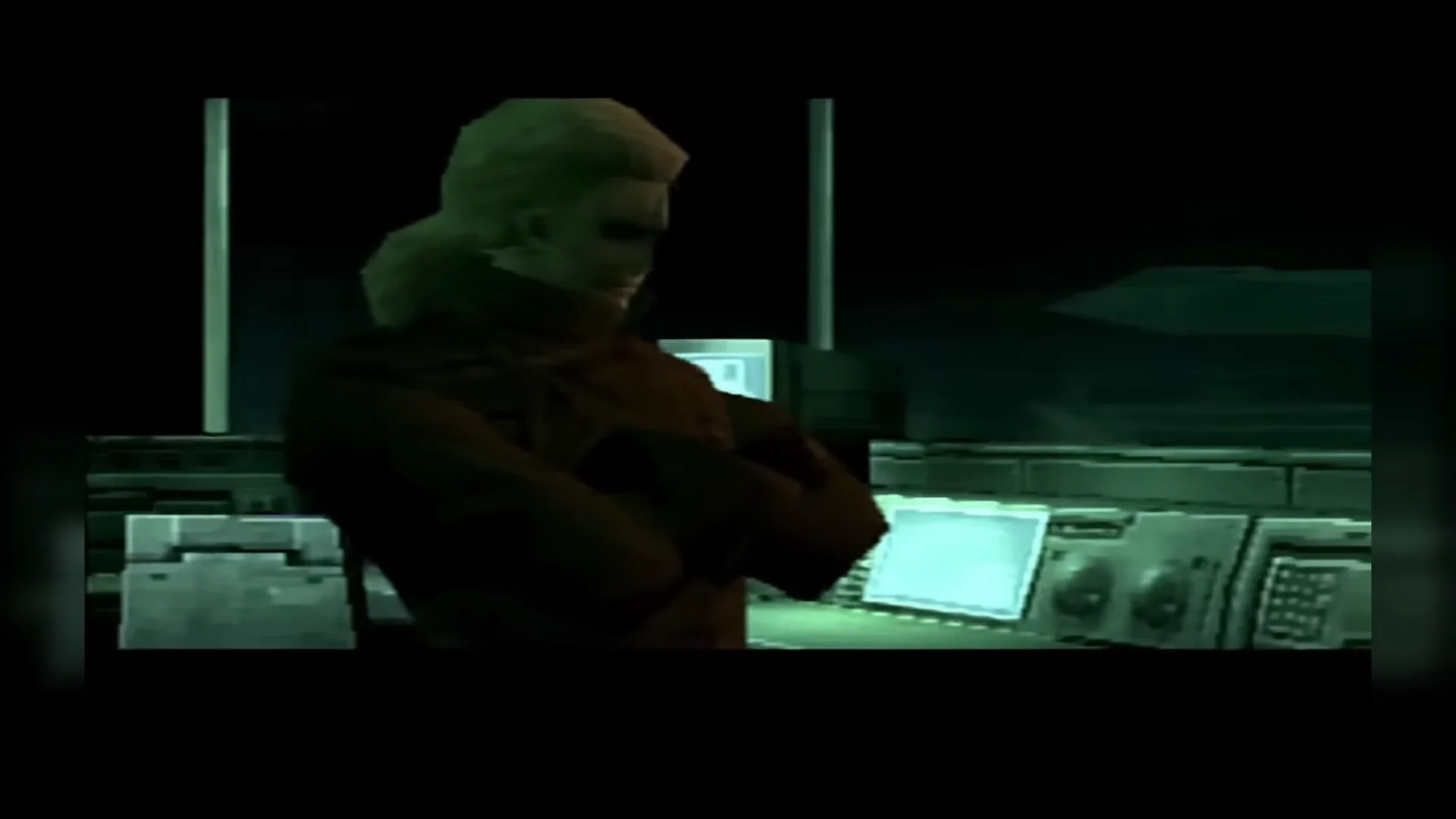
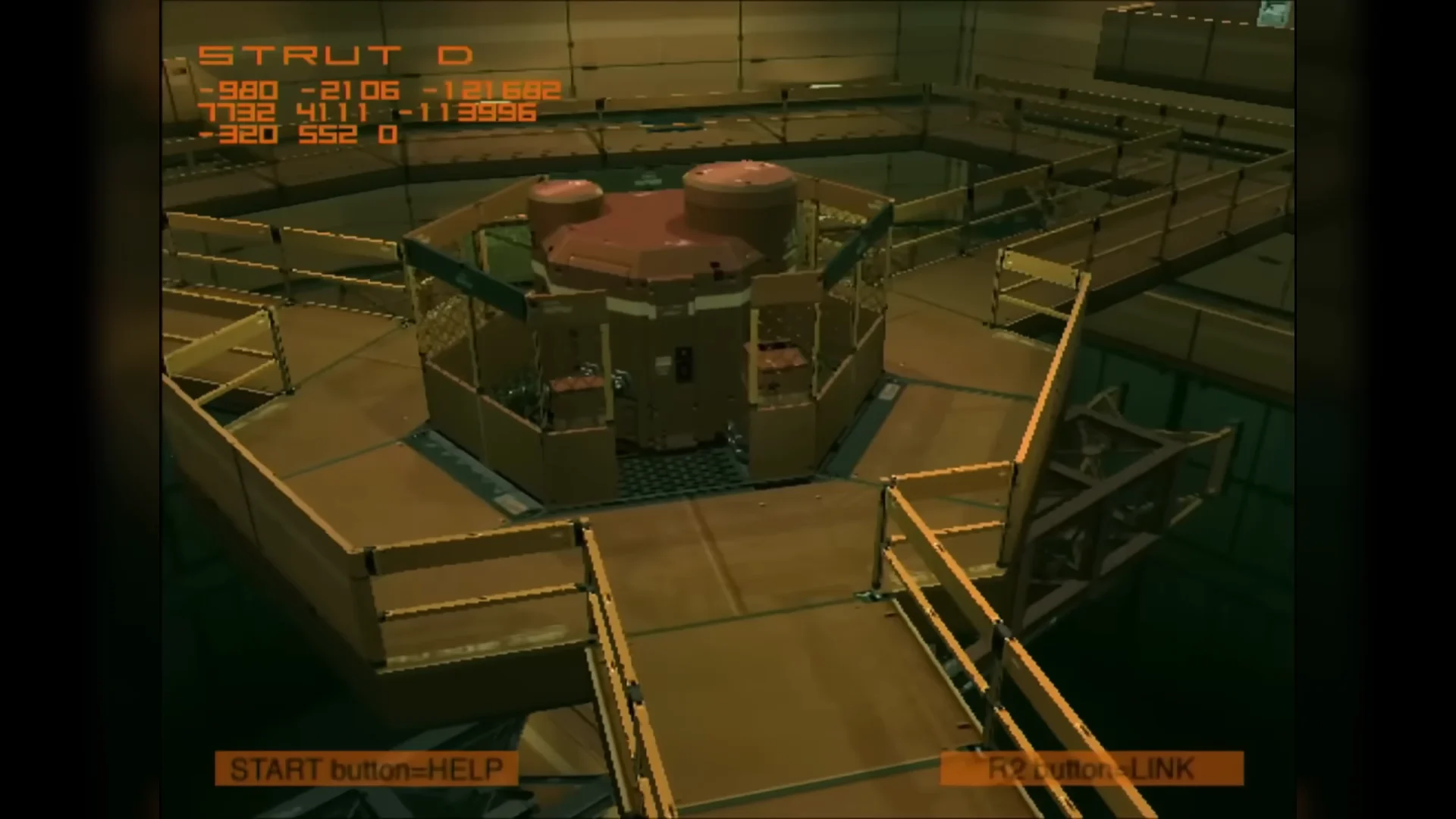
Metal Gear Solid 2: Sons of Liberty, released in 2001, is the clearest example. Its marketing built enormous hype around Solid Snake, including a demo bundled with Zone of the Enders, then the game swapped in a new lead character, Raiden, partway through. The switch itself was a comment on expectation and control.
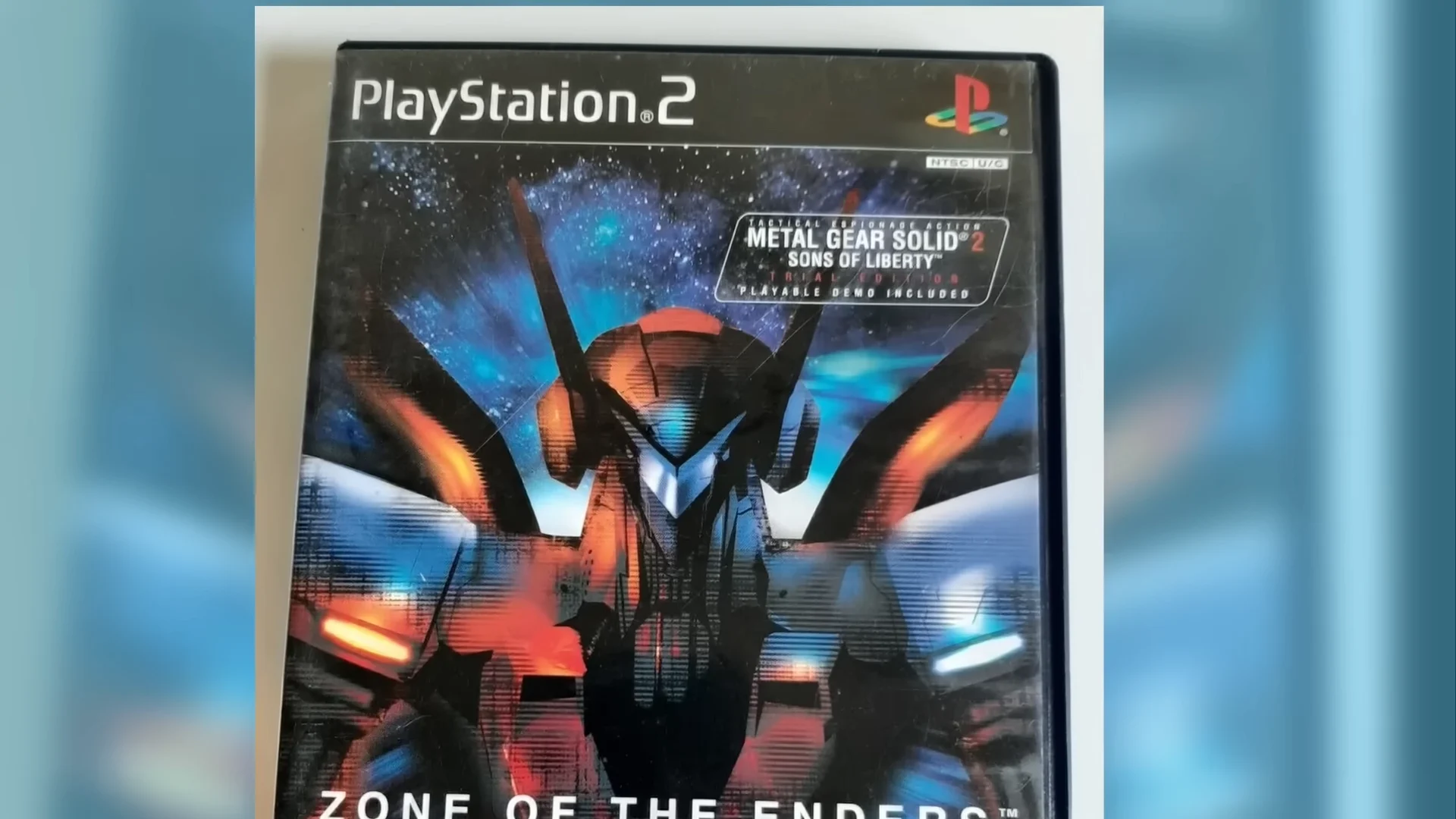
By the end, the story reveals that Raiden’s mission was a test run for an artificial intelligence designed to manage the flow of information in society. The AI warns that a fully digital world floods people with trivia, so serious events and frivolous ones compete for the same attention. It also argues that people select information that confirms what they already believe, leaving a world where “no one is invalidated, but nobody is right.”
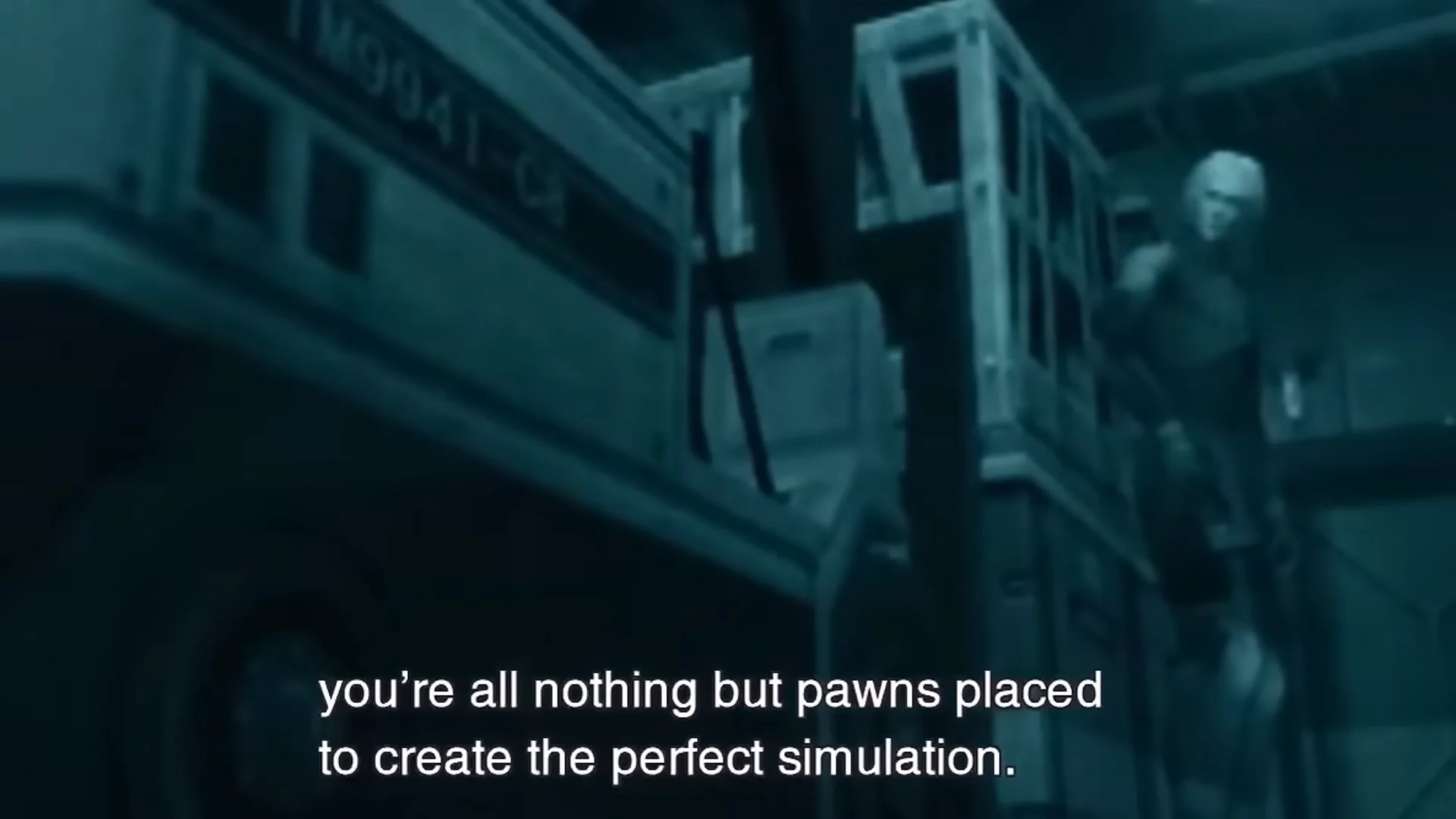
Those ideas have often been compared to social media echo chambers, arguments over fake news, and the endless news carousel. The game’s Big Shell setting staged all of this inside a sprawling offshore facility, and the ending was reworked following the events of September 11, 2001.
From cutscene to meme culture
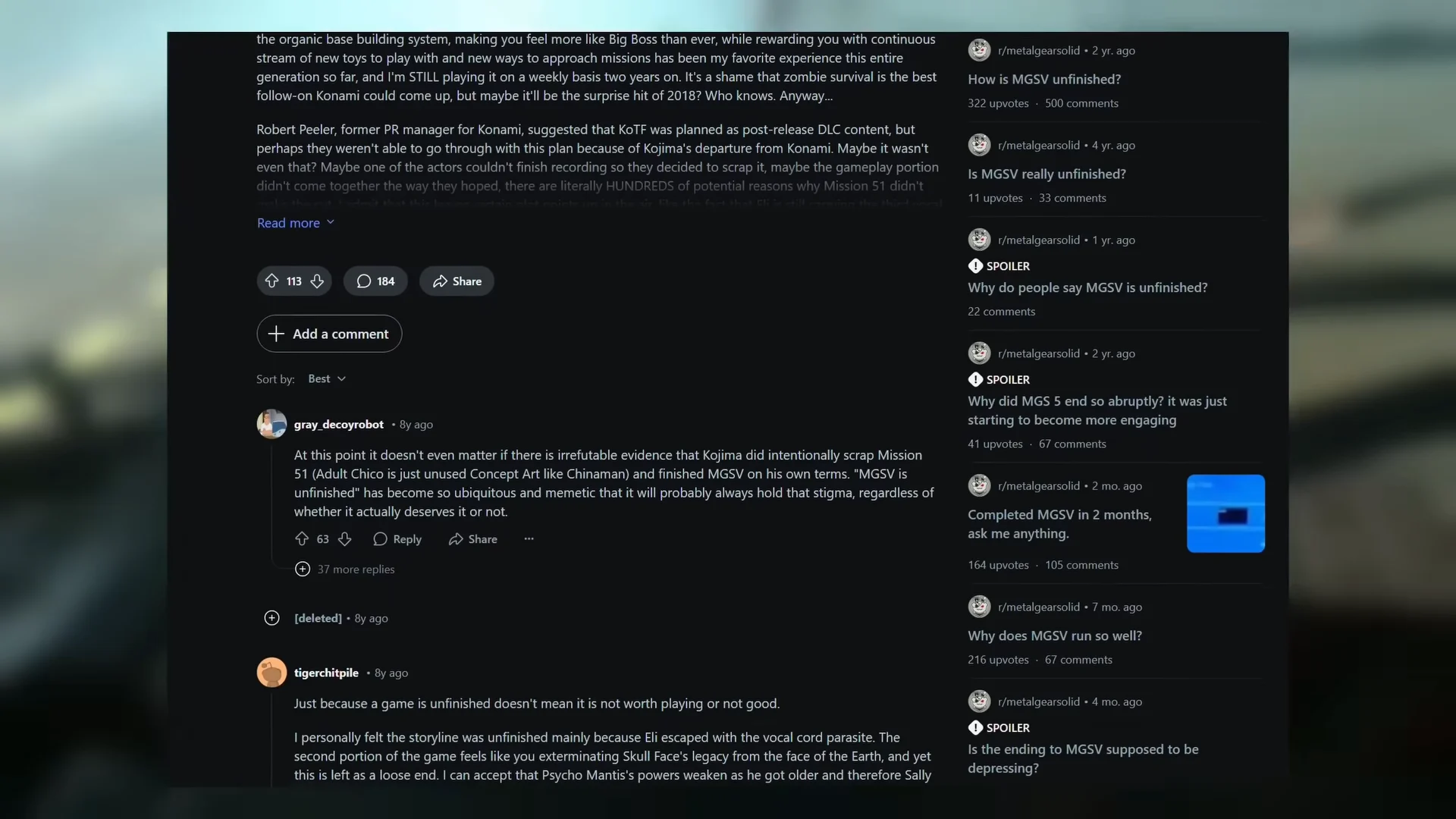
Kojima’s work did not just anticipate online discourse; it became part of it. Metal Gear Solid V: The Phantom Pain is still dissected across Reddit and video essays for its subtle, fragmented storytelling and its late narrative twists.
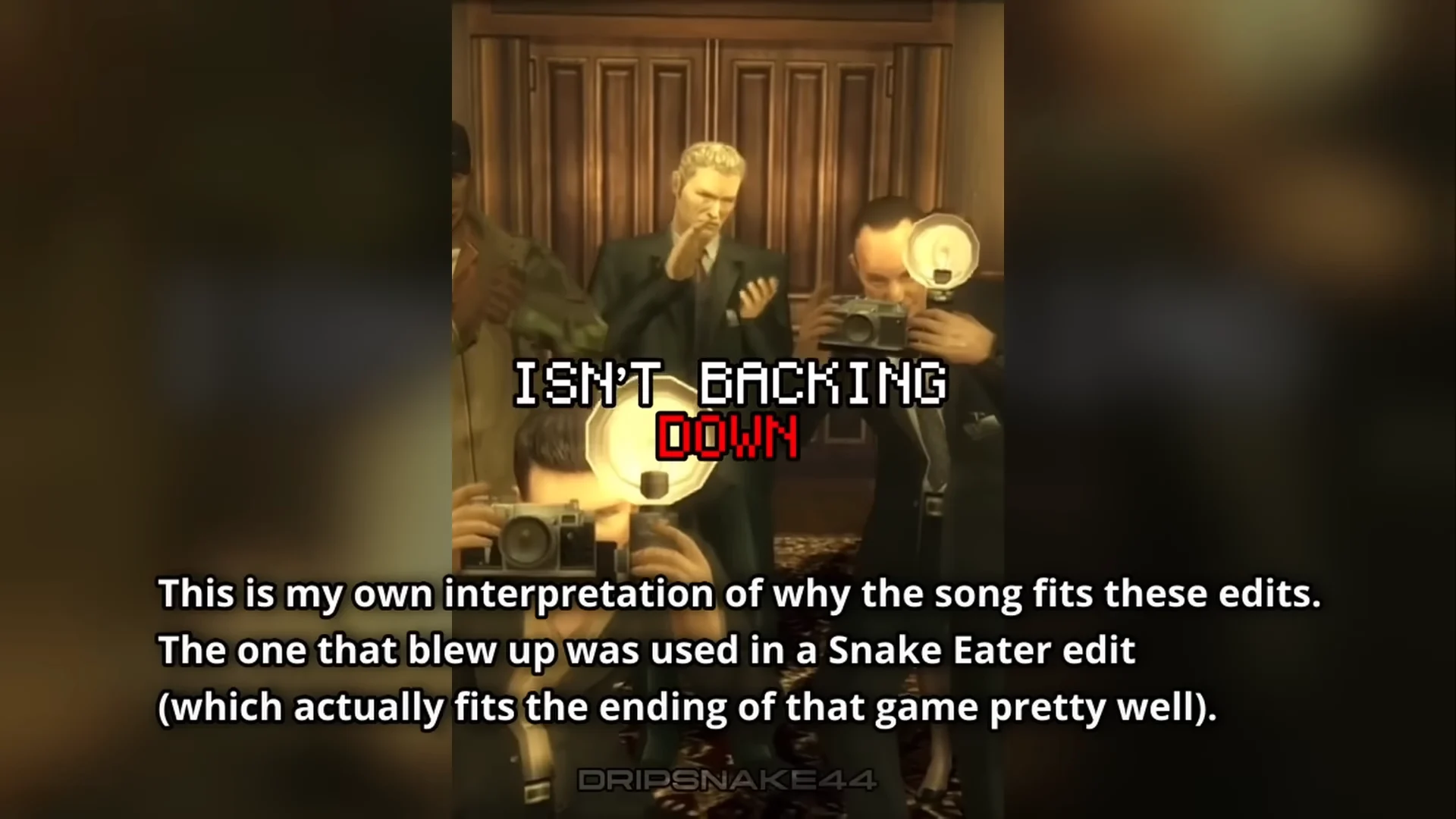
The community has since spun the game into running jokes, including edits that pair Venom Snake and Big Boss with Duran Duran’s song “Invisible.” The lyrics get read as an ironic fit for the characters, a small example of how Kojima’s material keeps generating new meaning long after launch.
Seen together, the coded film posts and the games point in the same direction. Kojima treats communication as something that can be shaped, compressed, and read between the lines. His “saw” tweet is a tiny version of that idea, a review delivered entirely through what he chooses not to say, and it is quietly teaching other people online to do the same.