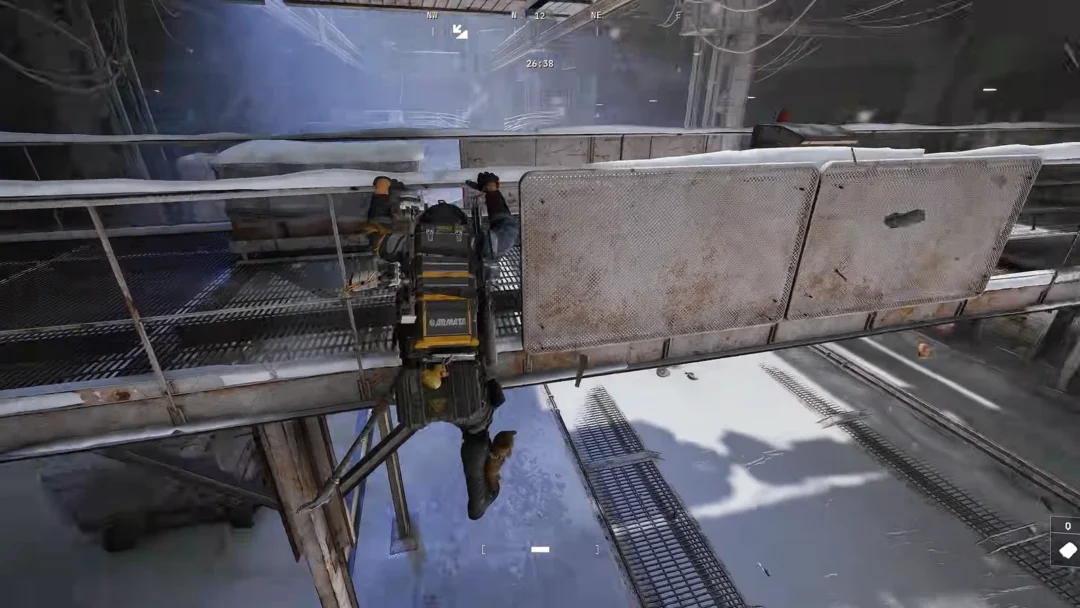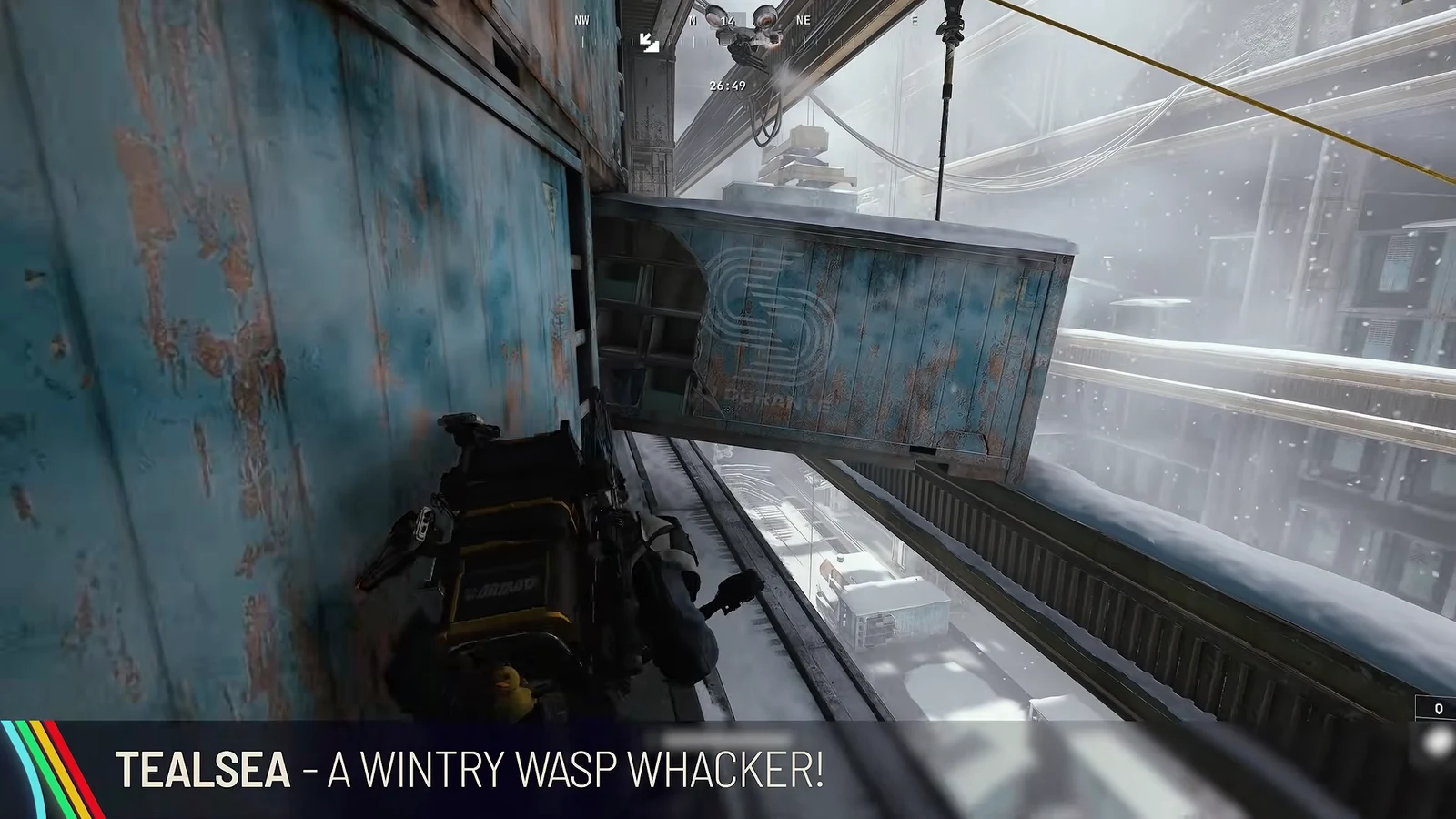
Flash Freeze is the signature environmental hazard of Pendola Pass, the snowbound map arriving with the Frozen Trail update for ARC Raiders. It is not a passive map condition you can push through. When the valley freezes, open ground stops being survivable, and the only correct response is to get behind walls fast.
Quick answer: Watch the weather constantly on Pendola Pass. When a Flash Freeze begins, abandon open ground immediately, get inside any building or an Avalanche Shelter, and stay there until the freeze passes.
What Flash Freeze does on Pendola Pass
Flash Freeze is a dynamic weather event that cuts through the valley rather than sitting over the whole raid permanently. When it triggers, visibility collapses into a whiteout, freezing winds pick up, and temperatures drop across every exposed part of the map. Creative Director Tahir Tanis framed it as something raiders have to keep an eye on constantly, because the window between warning and whiteout is short.
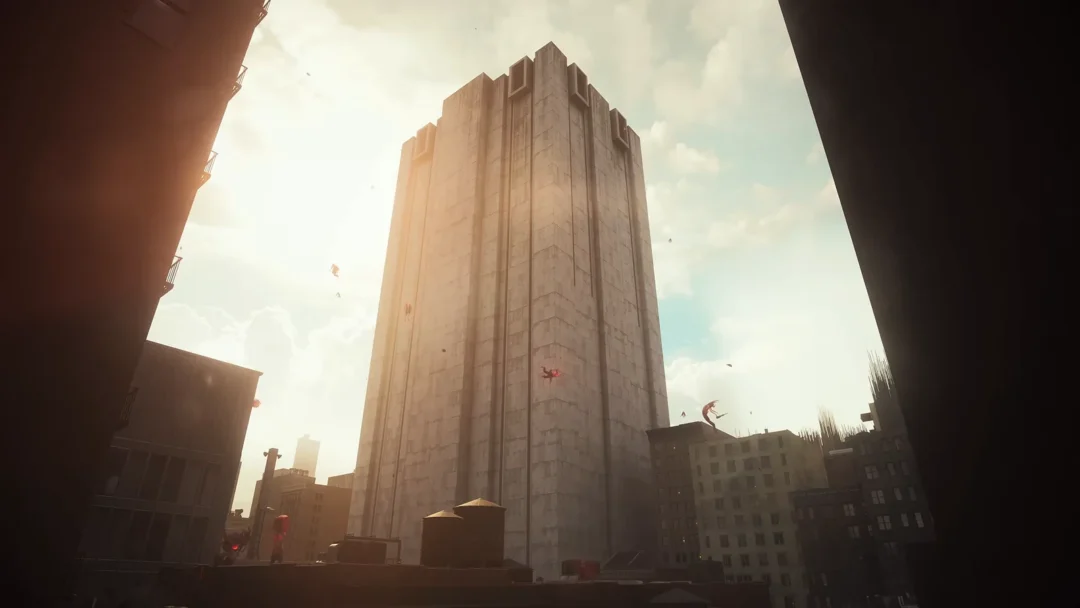
The map makes that worse. Pendola Pass sits beyond the mountains that ring the Rust Belt, and it is built around steep verticality, narrow stretches, and long sightlines between points of interest. Being caught mid-traverse on a cliff path or crossing a wide open square is the worst position to be in when the freeze lands.
Where to shelter from a Flash Freeze
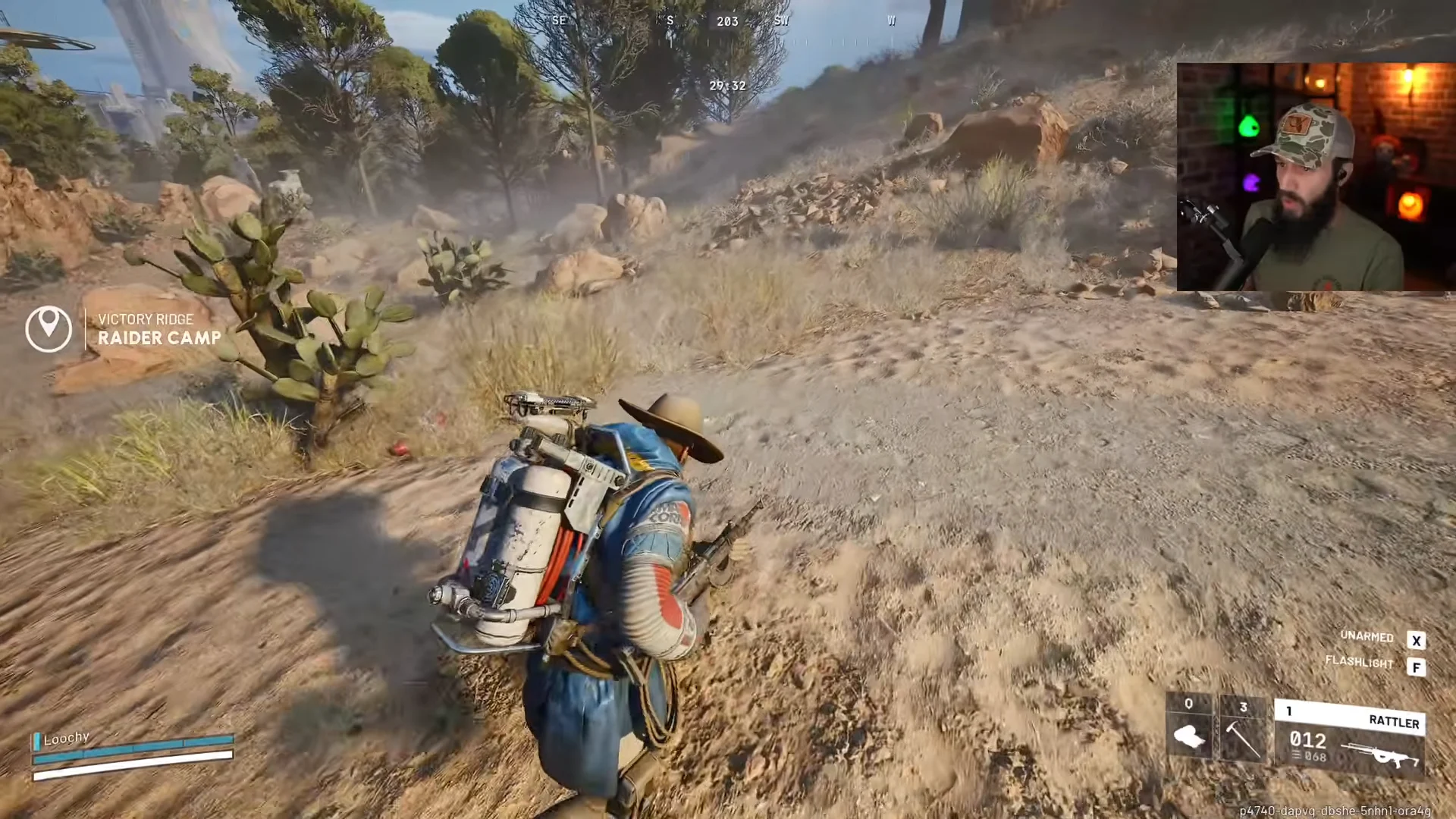
Two kinds of cover work. The first is ordinary enclosed space, which Pendola Pass has plenty of. The village was an old Italian settlement and an Exodus transport hub, so the interiors include a supermarket, an observatory, and a buried train depot, alongside houses and industrial structures. The town square, by contrast, is wide open and offers nothing.
The second is purpose-built: dedicated Avalanche Shelters scattered across the map, which come online as a freeze approaches. Treat them as your fallback whenever no building is close enough.
- Buildings and houses in the village stretch
- Industrial interiors and the buried train depot
- Avalanche Shelters placed around the map
- Anywhere fully enclosed and out of the wind
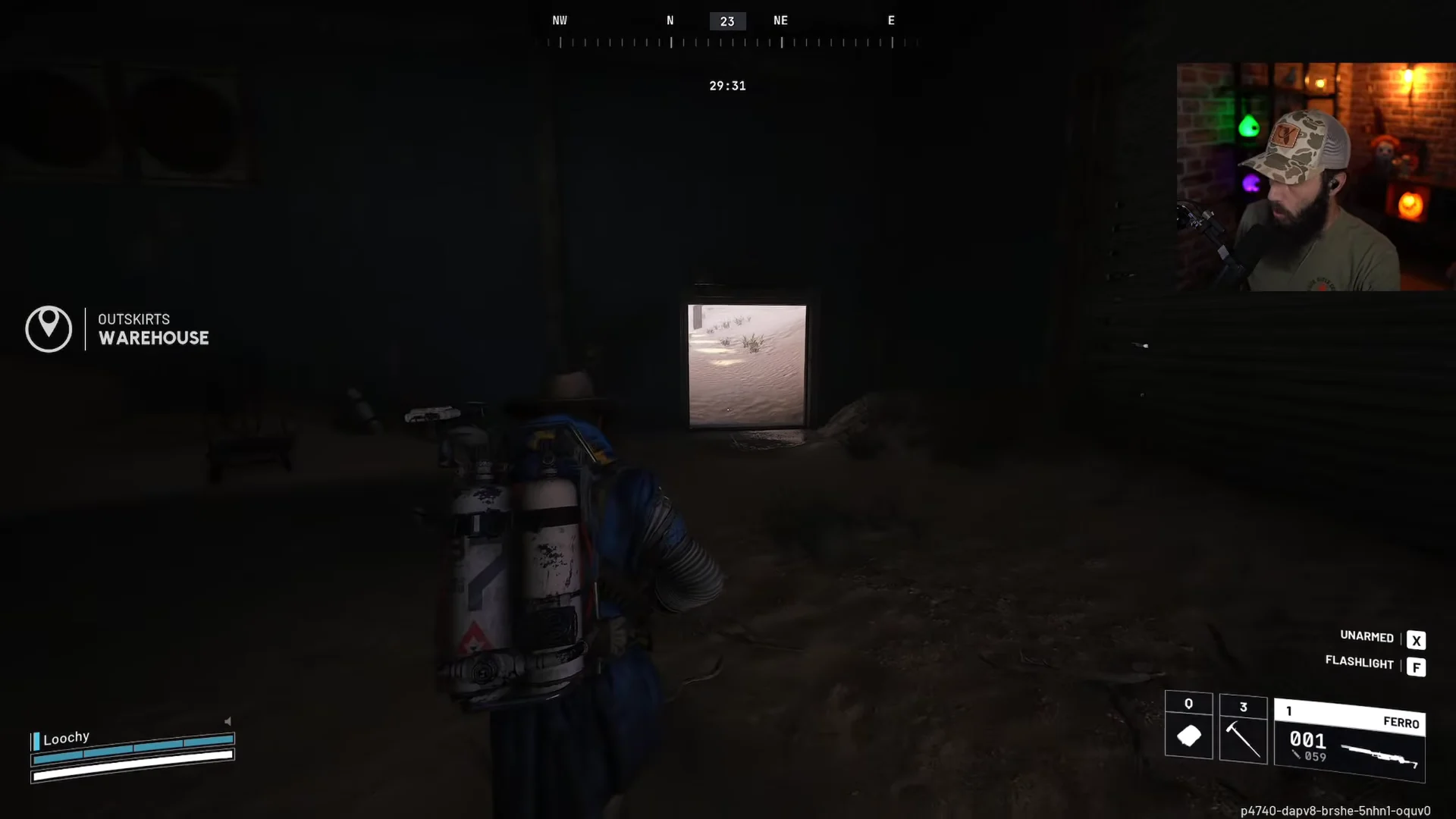
Note the nearest interior every time you cross open ground, not when the warning appears. Route planning is the actual skill here.
How to survive a Flash Freeze, step by step
Fighting other raiders while sheltering
Everyone else on the map is solving the same problem at the same time, which funnels players into the same handful of interiors and shelters. Expect close-quarters contact at doorways rather than the long-range trades Pendola Pass otherwise encourages, and clear rooms as if they are already occupied.
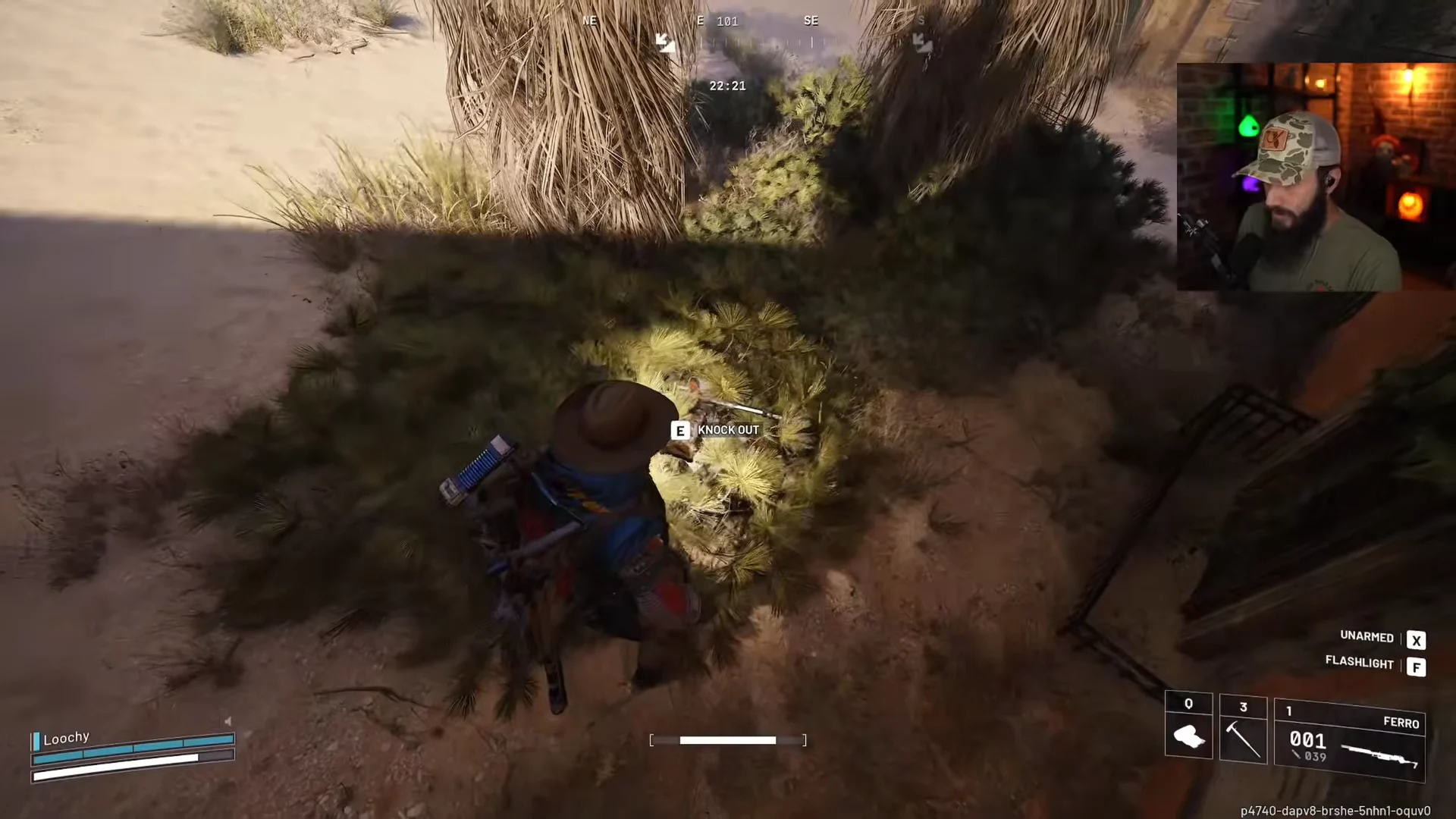
ARC machines complicate it further. The Skulker specifically hides behind terrain and stalks raiders while they are distracted, which is exactly what a scramble for cover creates. The Bully closes ground relentlessly once it commits, so a run to shelter can easily turn into a fight you did not plan for.
Because of that, the loadout you bring matters more on this map than the route you pick. Shields and a weapon that works at short range are worth prioritizing over pure long-range kit if you intend to survive freezes and whatever is sheltering with you.
When Flash Freeze arrives in ARC Raiders
| Detail | Value |
|---|---|
| Update | Frozen Trail |
| Map | Pendola Pass |
| Live | October 8, 2026 |
| Platforms | PC, PS5, Xbox Series X|S |
Flash Freeze is exclusive to Pendola Pass, so nothing about it changes how you play the existing Rust Belt maps. It builds on the Cold Snap map condition, but here the cold is part of the region rather than a rotating modifier, and the map is designed around both close-quarters and long-range fights with the weather cutting across both.
Treat the freeze as a timer on every plan you make up there. Loot with an exit in mind, fight near structures rather than in the middle of open terrain, and accept that the valley will periodically decide where you are standing for the next stretch of the raid.