
In The Relic: First Guardian, you commit to one weapon style from the start, and that choice shapes how you attack, defend, and grow. The game is built around fast, aggressive combat, so the weapon you pick decides your rhythm more than raw stats do. There is no character leveling, which means your armament and the skills tied to it carry your power curve.
Quick answer: You choose from five weapon types — Sword & Shield, Battle Staff, Daggers, Two-Handed Weapons, and Longsword — and blend abilities across twelve exclusive skill trees to build your own class.
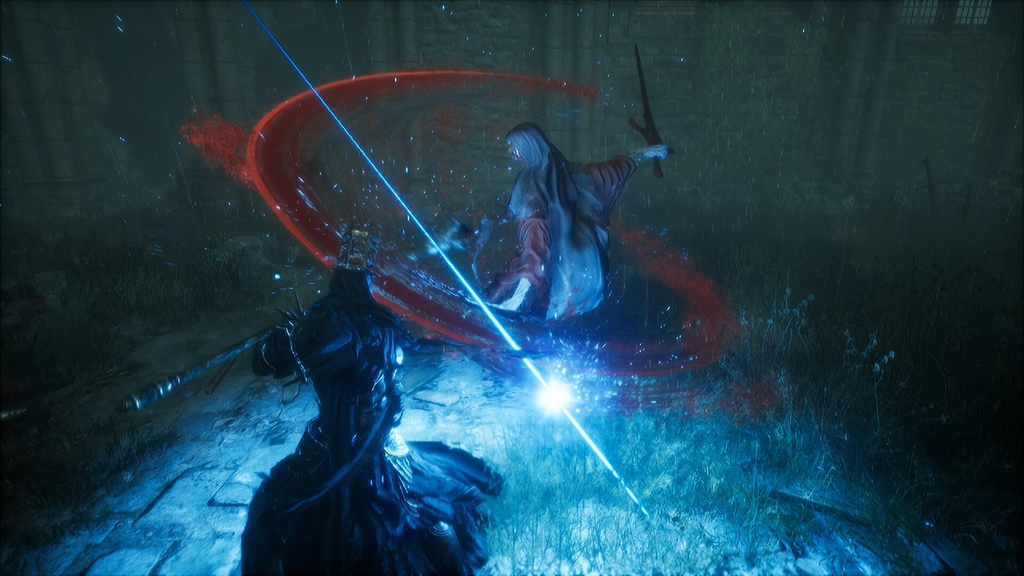
The five weapon types
Five weapon masteries are the official framework. Each is designed around a distinct combat rhythm rather than a simple damage ranking, and every one can carry a full playthrough when paired with the right skills.
| Weapon type | Combat identity | Notes |
|---|---|---|
| Sword & Shield | Defensive, balanced | Kite shield shown on the key art |
| Battle Staff | Magic-forward skills | Flexible spacing tool |
| Daggers | Fast, assassin-like | Rapid multi-hit flurries |
| Two-Handed Weapons | Heavy, high impact | Covers greatswords and battle axes |
| Longsword | Mobility and parry timing | Balanced reach and speed |
Older coverage sometimes listed battle axes or generic staves as separate options. Treat those as subtypes that fold into the five labels above, not as extra weapon classes. You can pick up the game on the Steam store page, and it is also available on Xbox Series X|S and PS5.
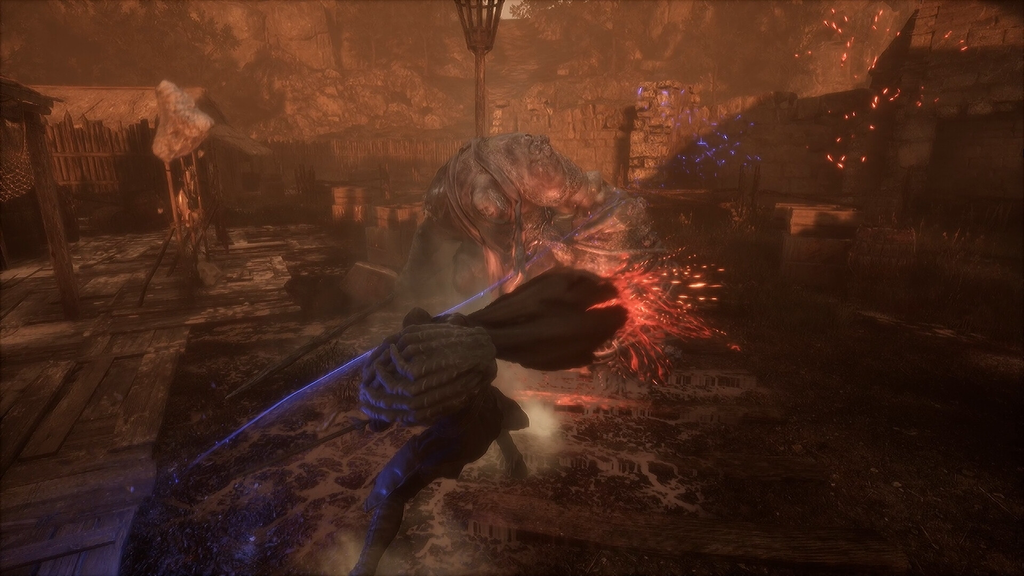
How each weapon style plays
Daggers
Daggers deliver very fast strikes and quick recovery, built for aggressive, assassin-style play. In action they chain swift slashes and dashing combos, throwing off crimson and teal energy arcs as you weave in and out of range. They reward players who can stay close and keep the pressure on without overcommitting.
Battle Staff
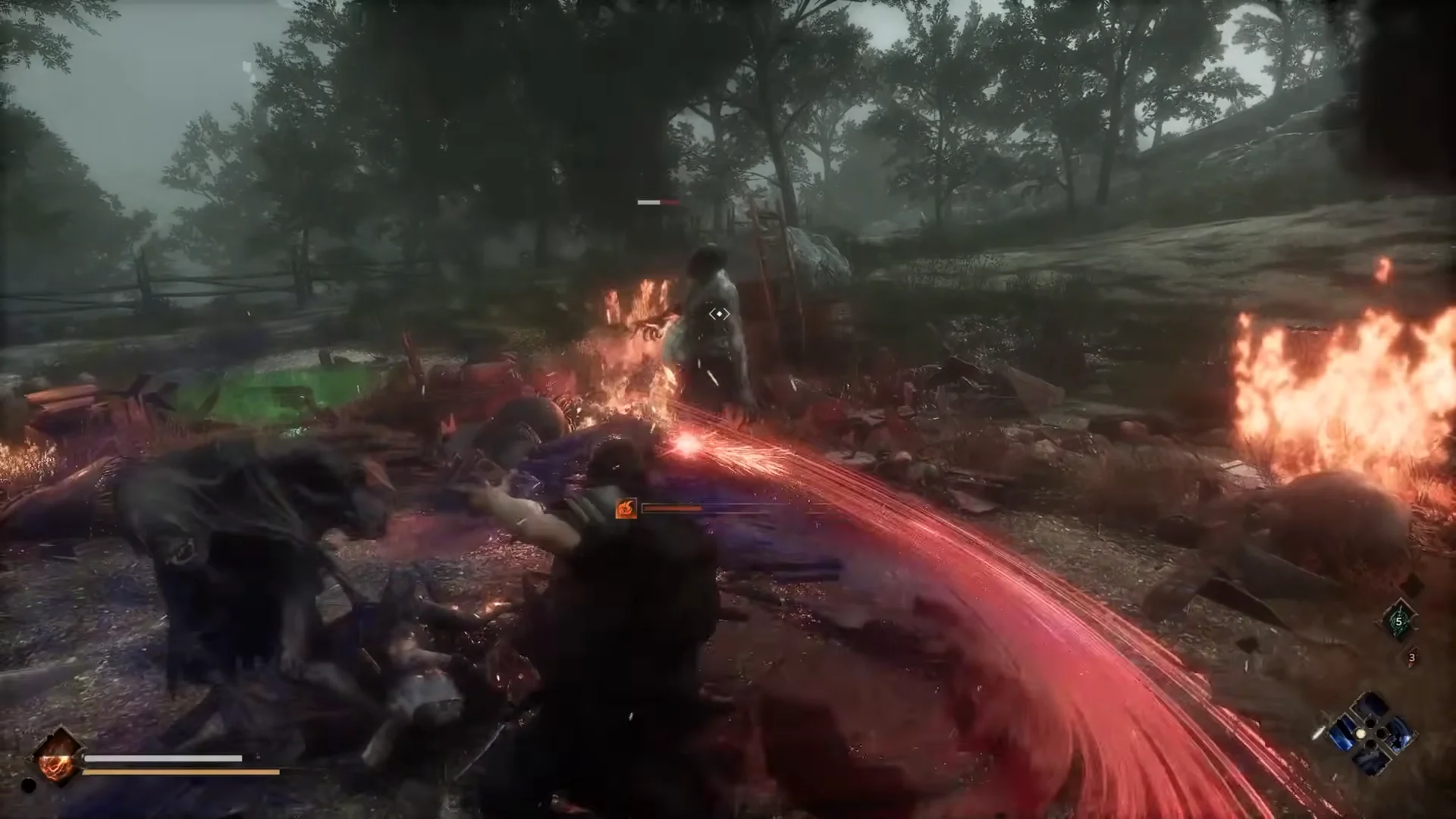
The Battle Staff leans into magical-looking skills and flexible spacing. It suits players who want to control distance and rely on spell-heavy abilities rather than pure melee trades. Keep it distinct from the older “generic staff” descriptions that floated around before launch.
Longsword
The Longsword is the balanced pick, with good reach, steady damage, and a rapid movement skill that can also follow a successful parry. It handles nearly every situation without an extreme build, which makes it a dependable choice while you learn the game’s strict timing. Precise sword strikes flow naturally into dashes and aerial follow-ups.
Sword & Shield
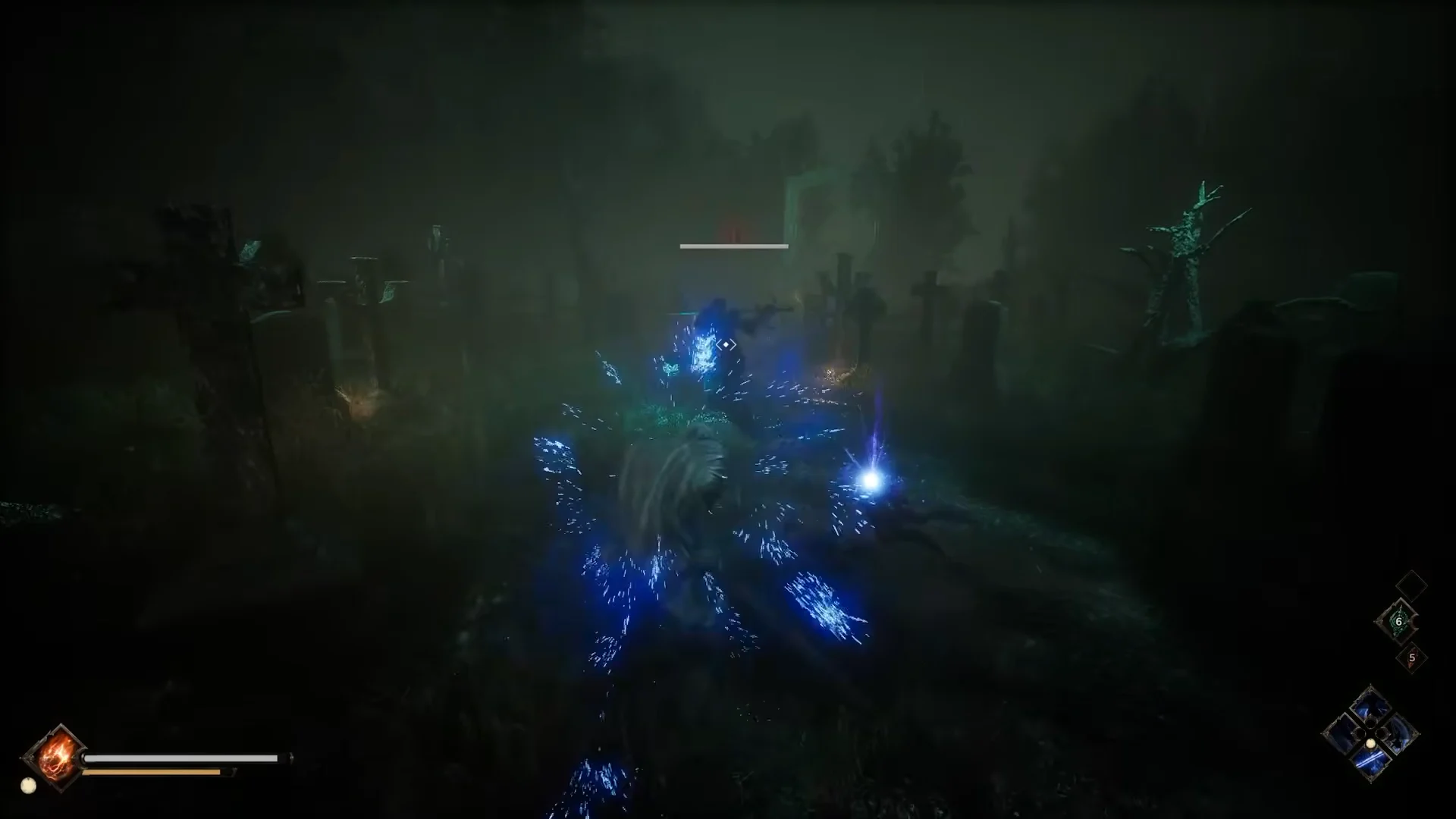
Sword & Shield emphasizes defense with a balanced attack speed, giving you strong control over combat tempo. It is the most forgiving option against unfamiliar enemies, trading some burst damage for reliable protection. The kite shield paired with a straight blade appears on the game’s key art.
Two-Handed Weapons
Two-Handed Weapons cover the heavy end of the roster, including greatswords and battle axes. Greatswings land high-impact overhead chops, broad horizontal slashes, and ground slams, while a greataxe clears space with wide sweeping arcs. Long-reach thrusting attacks and sweeping strikes also fall into this heavy, deliberate category. The trade-off is speed. Slow windup animations feel clunky if mistimed, but they hit hard when they connect.
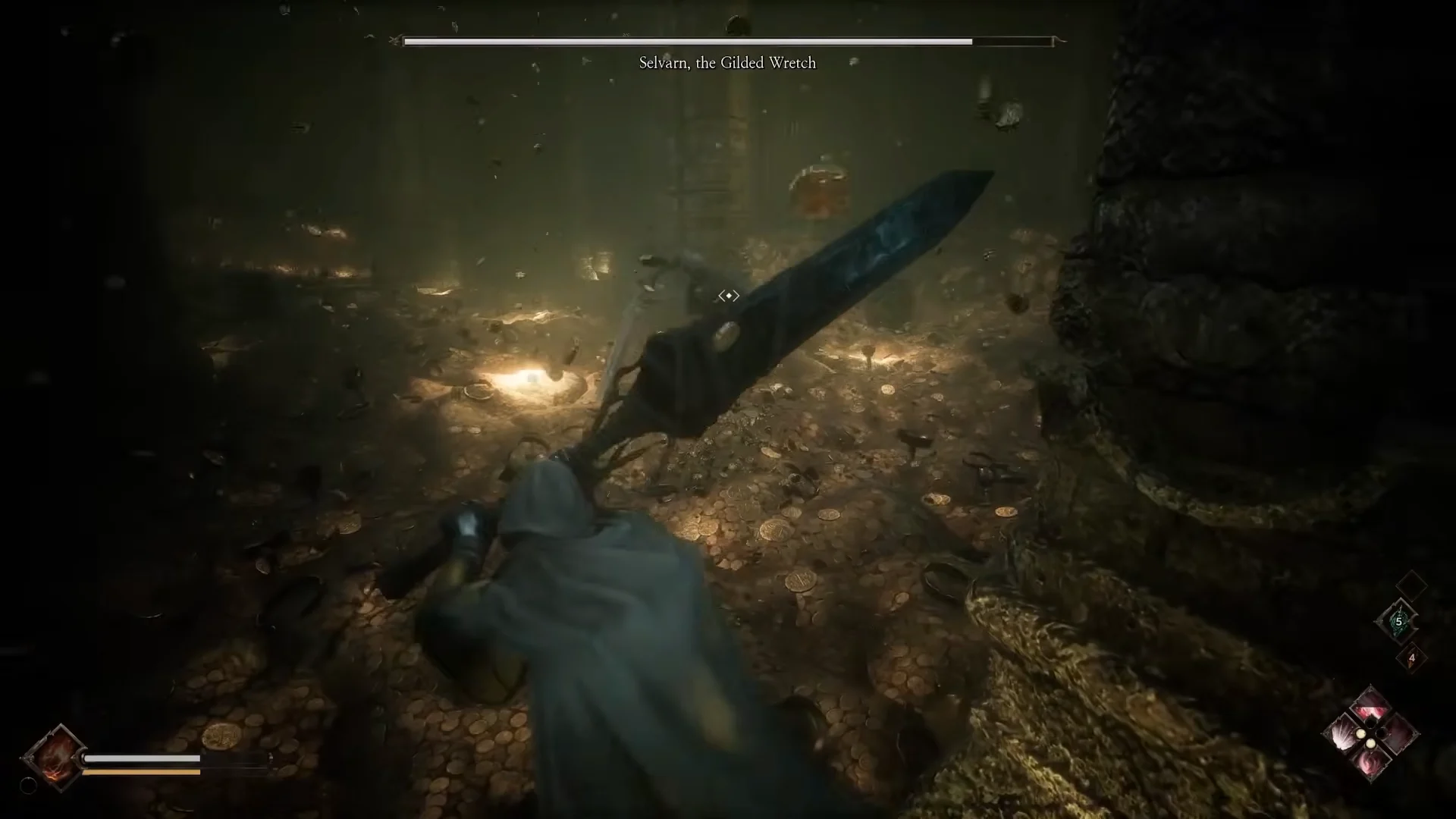
Every weapon is one-of-a-kind
Loot does not use the usual RPG model: every weapon and armor piece appears only once in the world. Duplicate drops and stronger “+1” copies of a blade do not exist. Instead, each item is a named artifact with a history of its own, such as a family sword handed down for generations or the greatsword of a soldier who never returned.
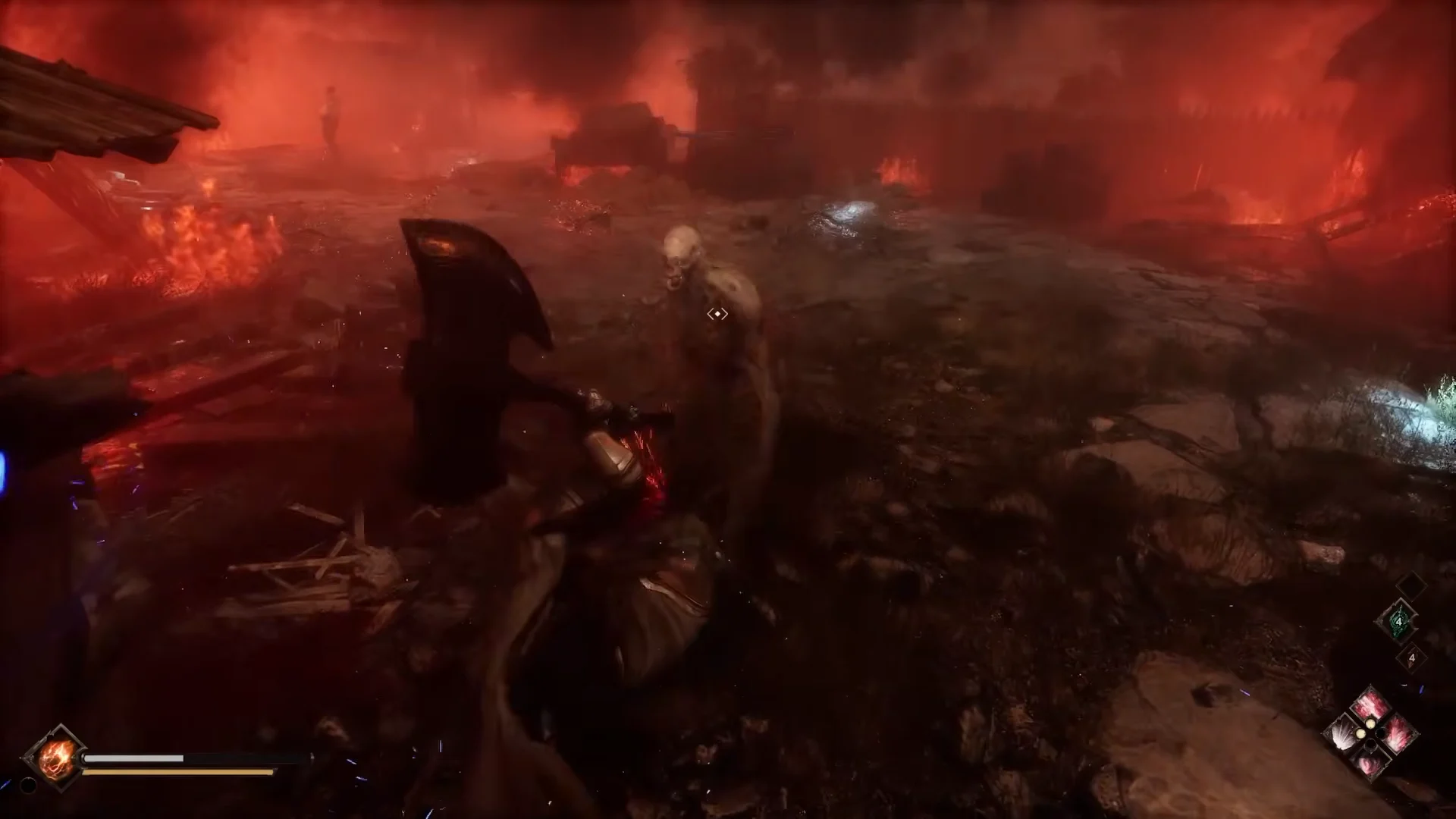
Because acquisition is exploration-driven, you find weapons as fixed rewards rather than farmed rolls. World loot and a blacksmith NPC are both stated sources, and bosses feed your power growth as you defeat them.
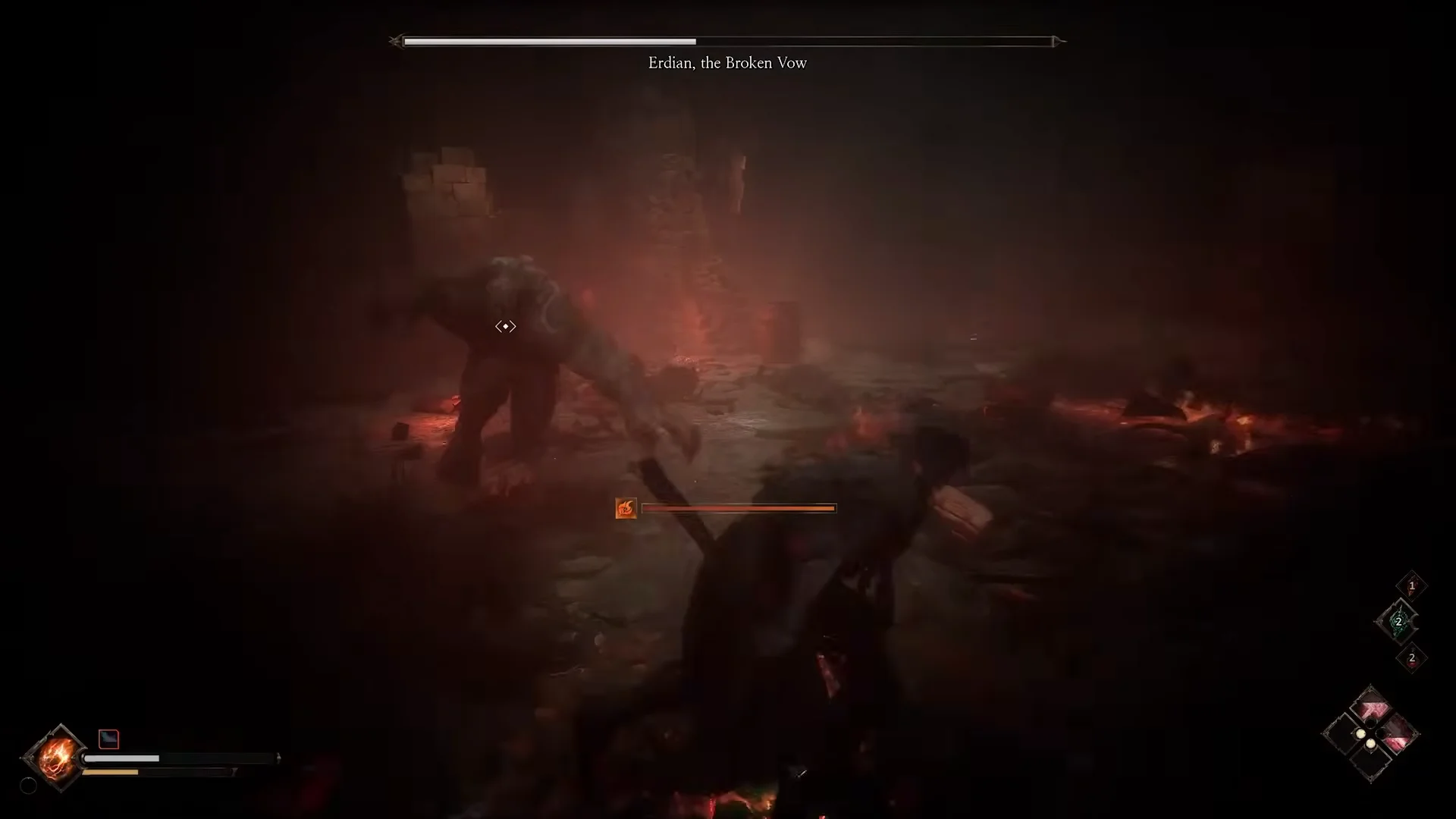
Twelve skill trees and custom classes
Each weapon type comes with its own upgrade path, and there are twelve exclusive skill trees in total. Abilities can be blended across them, so you are not locked into a single archetype. The developers describe this as building “a class of your own.”
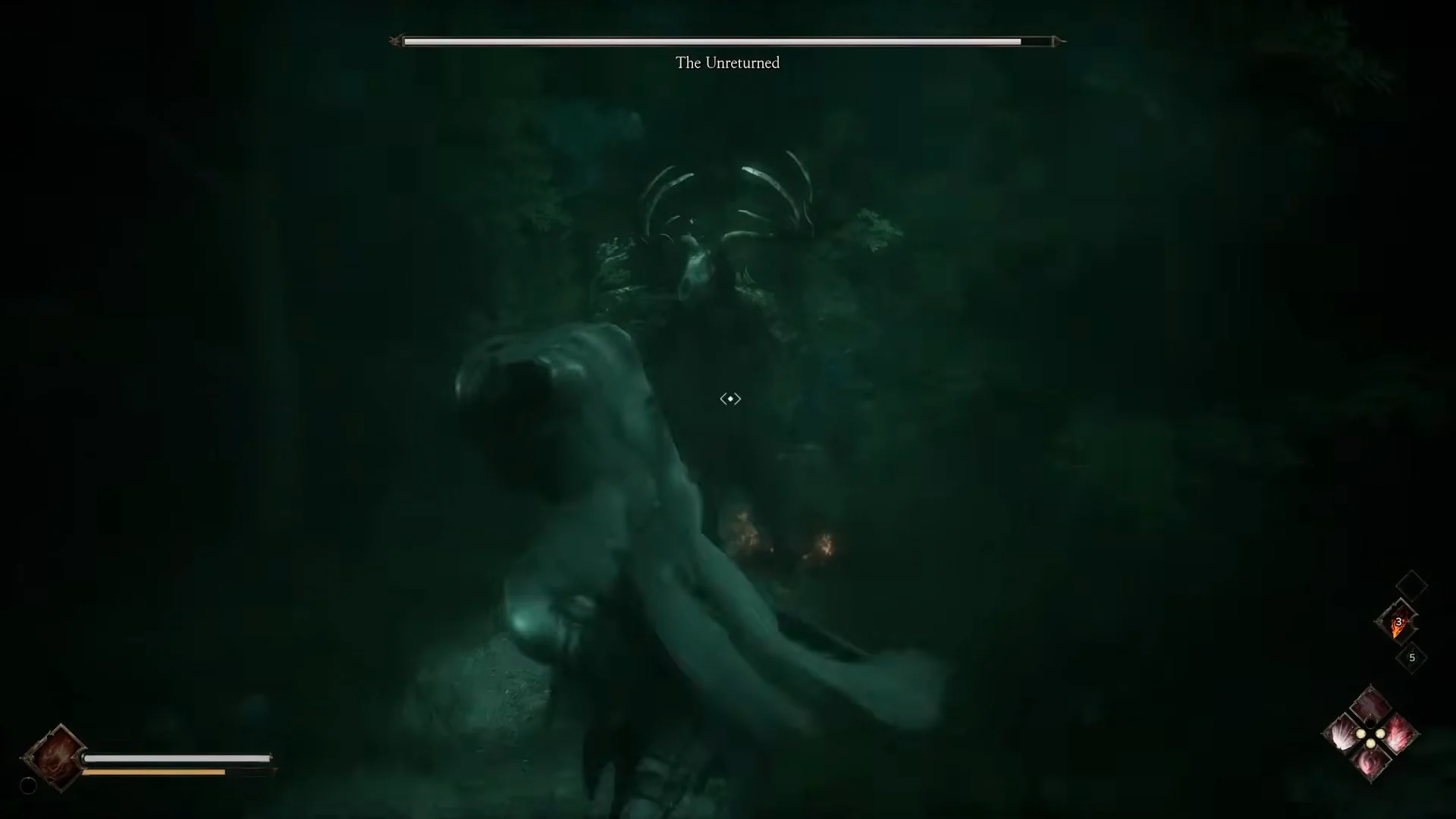
You collect Ancient Relic Energy as you explore, and spend it to activate skill nodes. These nodes grant character buffs and new abilities, with some producing striking visual effects. The framework verifies the count, but provides no complete map linking trees to weapons, so any full cross-tree chart remains unverified. First settle into a weapon rhythm, then develop the skill tree and Relics to support it.
How weapons use stamina and skills
Two system rules affect every weapon choice. Normal attacks never spend stamina, so you can keep swinging and chaining combos freely. Stamina is reserved for defense, meaning dodges and blocks only. Weapon skills run on cooldowns instead of a mana-style resource, so their availability comes down to timing rather than upkeep.
- Attacks cost nothing, so offensive strings never compete with your defensive pool.
- Dodging and blocking spend stamina, so survival rhythm matters as much as damage.
- Skills use cooldowns, not a separate meter, so plan around their timing.
- Over 70 Relics with passive effects can reshape how any weapon style feels.
No damage table, scaling chart, or confirmed best weapon has been published, and patches may change the balance. Choose a style with moves you can reliably follow and repeat, upgrade a few pieces of gear that suit it, and try another weapon type before committing substantial resources.