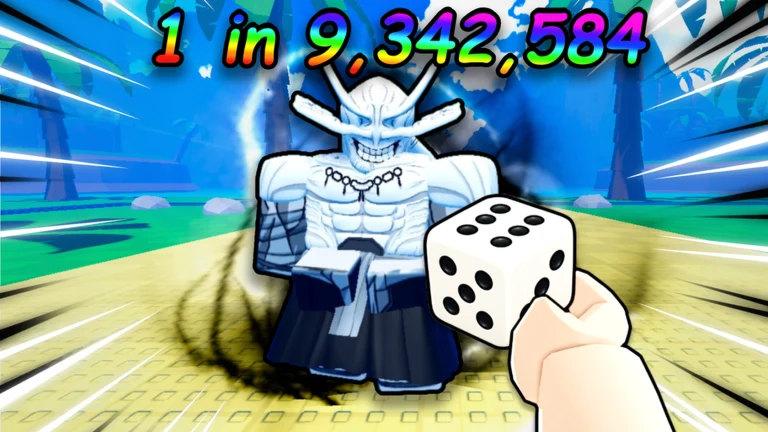
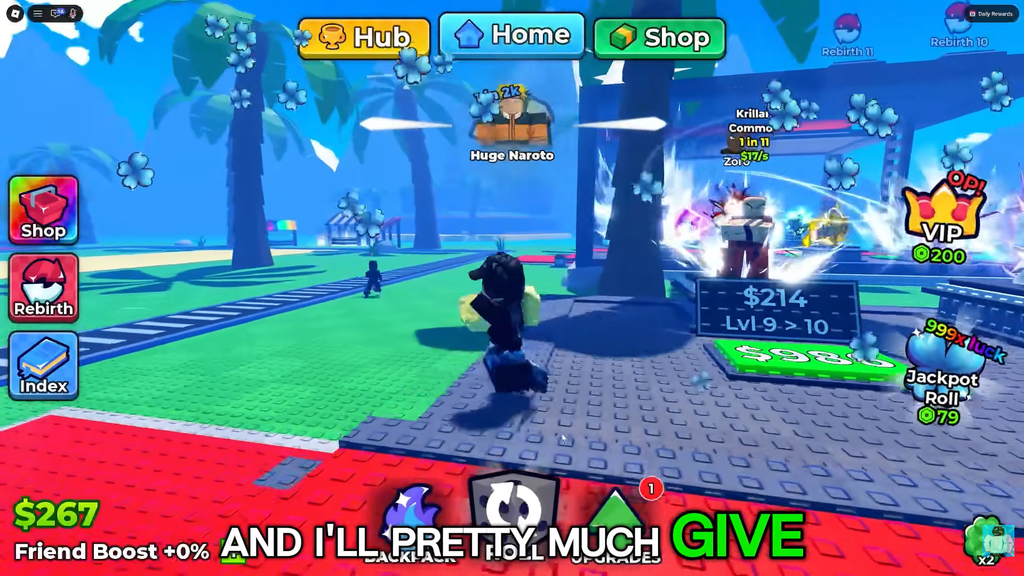
Dice are the backbone of progression in Anime Dice, the Roblox incremental where you roll for anime characters, place them on your plot to earn cash, and funnel that cash back into better rolls. Every die you buy raises your Luck multiplier, which widens the odds of pulling rarer units. The higher the tier, the bigger the boost and the steeper the price.
Quick answer: There are 29 dice spanning Common up to Heavenly. The cheapest is Normal at $1 (2x Luck), and the rarest is Radiant at $100oc with a 5,000,000,000x Luck Boost.
Every die in Anime Dice, ranked by cost
Each die carries a rarity label, a flat Luck multiplier, and a cash price. The multiplier stacks onto your roll odds, while the price is the amount of in-game cash you need saved up at the Dice Shop. The list below runs from the starter die to the most expensive one.
| Die | Rarity | Luck Boost | Cost |
|---|---|---|---|
| Normal | Common | 2x | $1 |
| Fire | Uncommon | 5x | $2.5k |
| Water | Uncommon | 10x | $10k |
| Nature | Rare | 20x | $75k |
| Lightning | Rare | 42x | $500k |
| Ice | Rare | 100x | $4m |
| Magma | Epic | 200x | $30m |
| Storm | Epic | 400x | $200m |
| Shadow | Epic | 750x | $1.5b |
| Light | Legendary | 1,500x | $12b |
| Blood Moon | Legendary | 3,000x | $100b |
| Void | Legendary | 6,000x | $750b |
| Solar | Mythical | 12,500x | $5t |
| Lunar | Mythical | 25,000x | $37t |
| Galaxy | Mythical | 50,000x | $150t |
| Black Hole | Divine | 100,000x | $1qd |
| Dragon | Divine | 200,000x | $8.5qd |
| Royal | Exotic | 400,000x | $100qd |
| Prismatic | Exotic | 1,000,000x | $1qi |
| Arcane | Celestial | 2,000,000x | $12qi |
| Corrupted | Celestial | 5,000,000x | $150qi |
| Titan | Celestial | 10,000,000x | $1sx |
| Chrono | Secret I | 25,000,000x | $15sx |
| Cyber | Secret I | 62,500,000x | $100sx |
| Toxic | Secret I | 150,000,000x | $750sx |
| Ethereal | Secret II | 375,000,000x | $10sp |
| Frostfire | Secret II | 950,000,000x | $250sp |
| Alchemy | Secret II | 2,000,000,000x | $5oc |
| Radiant | Heavenly | 5,000,000,000x | $100oc |
The cost suffixes follow Roblox idle-game shorthand: k (thousand), m (million), b (billion), t (trillion), then qd, qi, sx, sp, and oc for quadrillion through octillion. The jump between tiers grows sharply, so the gap between a mid-game die and the one above it can be dozens of times the price.
What the Luck Boost actually does
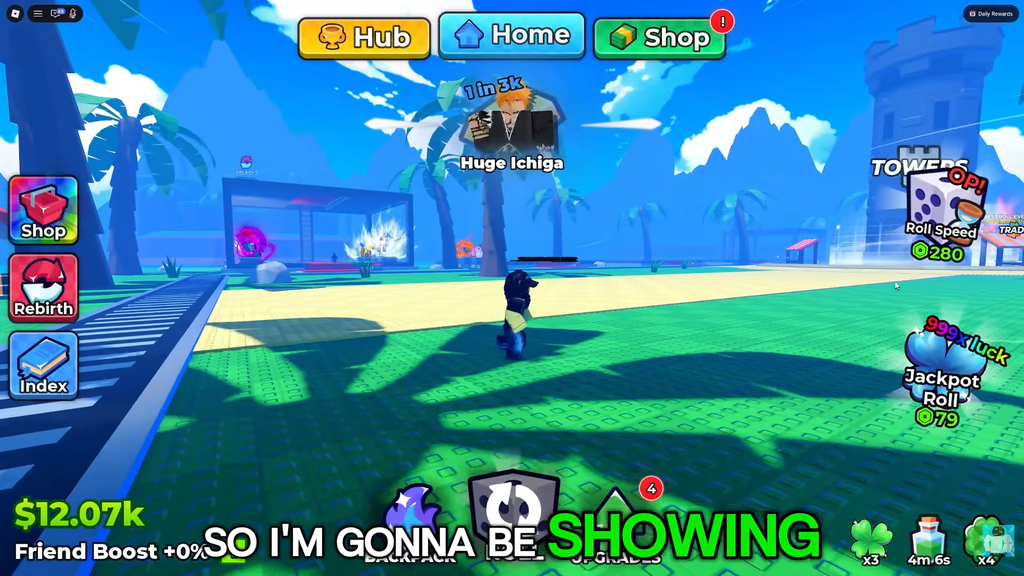
The Luck Boost is a multiplier applied to your roll odds. A higher number shifts the probability toward rarer character pulls, but it does not lock in any specific unit. Rolling with Normal gives you a 2x base, while something like Shadow pushes that to 750x and Radiant sits at a full 5,000,000,000x.
Rarity labels such as Rare, Epic, Legendary, and the Secret tiers mark where a die sits on the ladder. They group the progression visually and do not guarantee a matching character result. You still face the game’s normal randomness on each roll.
A better die improves your odds, but no multiplier removes the chance of a low-tier pull. Treat Luck as a probability shift, not a promise.
How to buy better dice
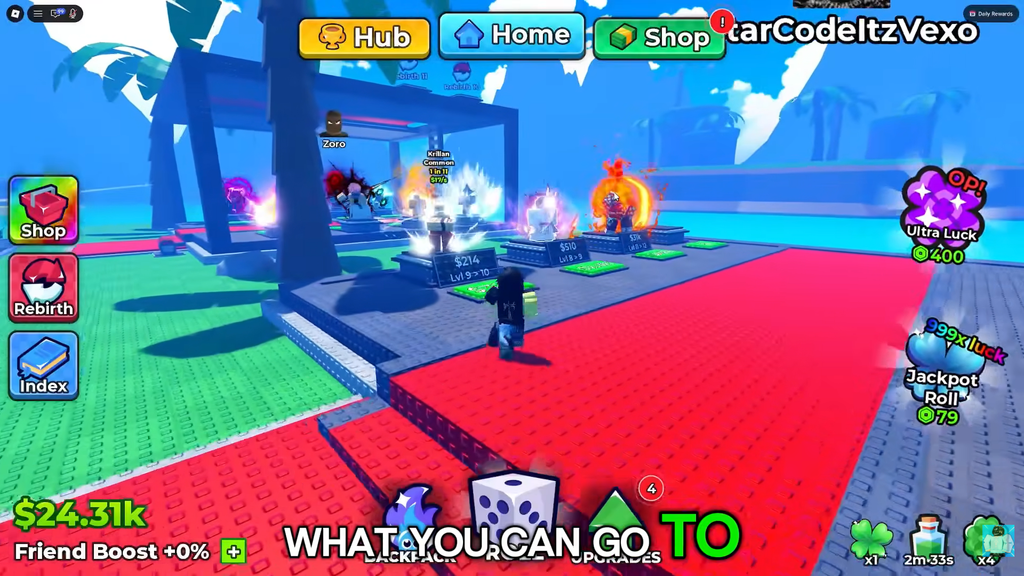
Dice are purchased from the Dice Shop stall using cash your placed characters generate over time. Higher-tier dice demand far more money but return much larger Luck multipliers, so the loop is roll, place units, earn cash, then upgrade.
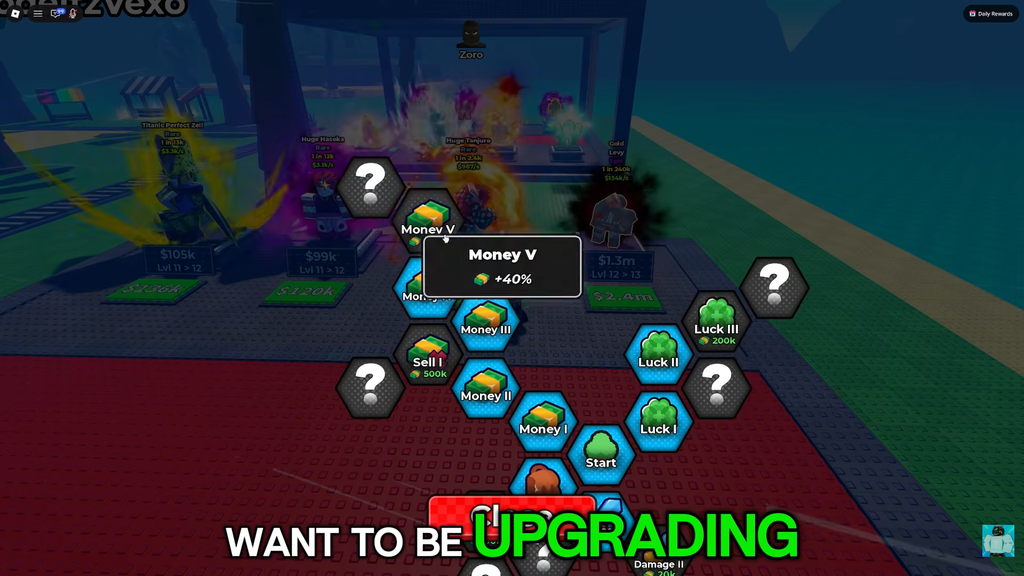
Avoid spending down to zero on the most expensive die you can reach. Leaving a cash buffer keeps your plot earning toward the next tier instead of stalling your income.
You can confirm a purchase worked when the die equips in your HUD roll icon and the Dice Shop marks it as owned. From there, the early dice stay cheap enough to keep the loop moving, while the late-game options reward patient income building before you commit to the jump.