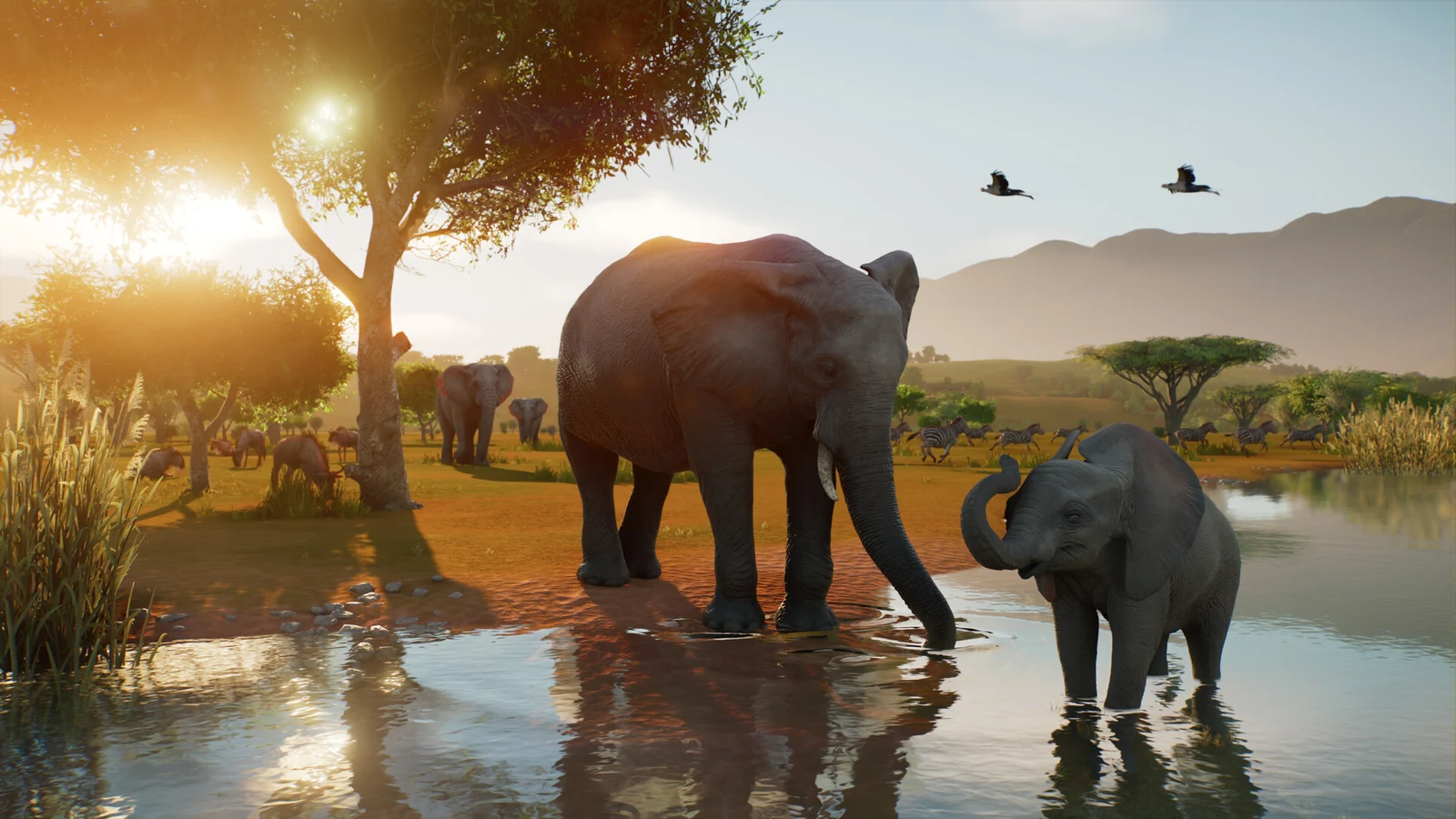
Wildlife Reserves take Planet Zoo 2 past the gates of your own parks and into managed wild spaces where released animals live out their lives, raise young, and build up a wild population. Each reserve sits in a real part of the world, carries its own biome, and accepts only the species that suit that landscape.
Quick answer: There are six Wildlife Reserves at launch, spread across three continents: two in Africa, three in Europe, and one in Asia. Career Mode always starts you at the Great Rift Valley Reserve.
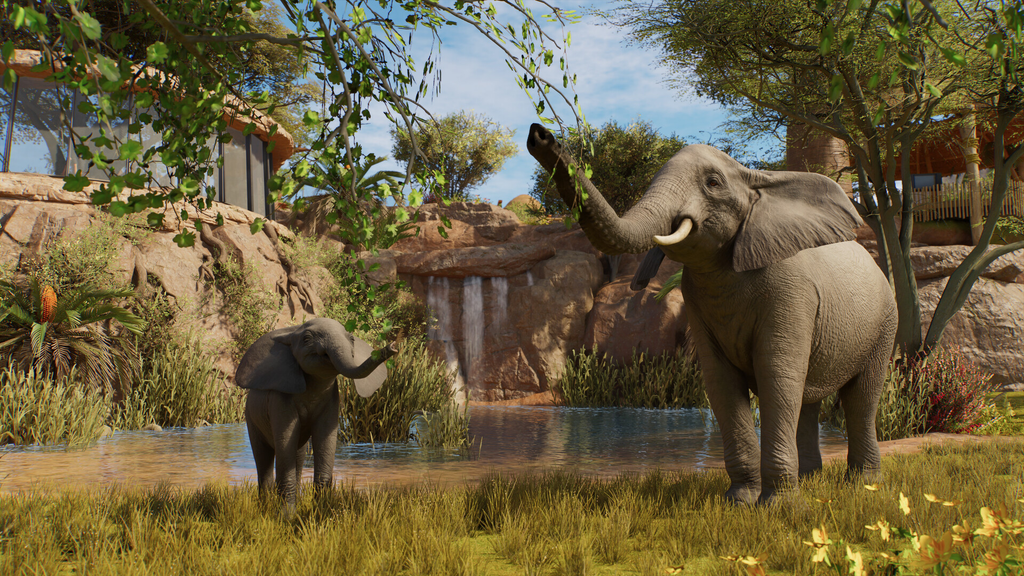
Every Wildlife Reserve and its biome
The reserves cover Africa, Europe, and Asia. North America, South America, and Australia are not represented at launch, which leaves clear room for future additions.
| Reserve | Continent | Biome |
|---|---|---|
| Great Rift Valley | Africa | Grassland |
| Tanzania | Africa | Grassland |
| Sumatra | Asia | Tropical |
| Poland | Europe | Temperate |
| Sweden | Europe | Taiga |
| Scottish Highlands | Europe | Taiga |
African reserves and their releasable species
Great Rift Valley (Africa)
- Aardvark
- African Leopard
- African Savannah Elephant
- African Tigerfish
- African Wild Dog
- Black Rhinoceros
- Black Wildebeest
- Blue Wildebeest
- Blunthead Cichlid
- Cape Buffalo
- Common Hippopotamus
- Common Warthog
- Gemsbok
- Greater Flamingo
- Lion
- Masai Giraffe
- Meerkat
- Nile Monitor
- Nyala
- Plains Zebra
- Reticulated Giraffe
- Sable Antelope
- Secretarybird
- Shoebill
- Spotted Hyena
- Springbok
- White-Backed Vulture
Tanzania (Africa)
Tanzania shares most of its roster with the Great Rift Valley, but it drops the Meerkat and adds the Common Ostrich and Thomson’s Gazelle.
- Aardvark
- African Leopard
- African Savannah Elephant
- African Tigerfish
- African Wild Dog
- Black Rhinoceros
- Black Wildebeest
- Blue Wildebeest
- Blunthead Cichlid
- Cape Buffalo
- Common Hippopotamus
- Common Ostrich
- Common Warthog
- Gemsbok
- Greater Flamingo
- Lion
- Masai Giraffe
- Nile Monitor
- Nyala
- Plains Zebra
- Reticulated Giraffe
- Sable Antelope
- Secretarybird
- Shoebill
- Spotted Hyena
- Springbok
- Thomson’s Gazelle
- White-Backed Vulture
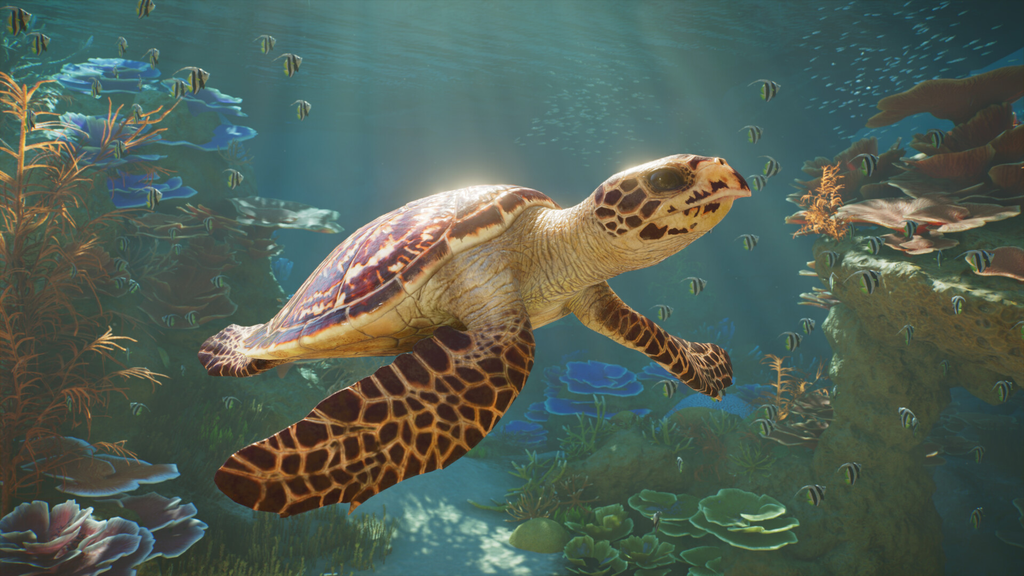
Sumatra reserve species (Asia)
Sumatra is the only tropical reserve at launch and the only one that sits in Asia. Its list leans on rainforest species, including several primates and the Saltwater Crocodile as a top predator.
- Asian Elephant
- Asian Small-Clawed Otter
- Binturong
- Clown Loach
- Giant Gourami
- Great Hornbill
- Long-Tailed Parakeet
- Malayan Tapir
- North Sulawesi Babirusa
- Saltwater Crocodile
- Siamang
- Sumatran Orangutan
- Sumatran Tiger
- Sun Bear
- Sunda Pangolin
European reserves and their releasable species
Europe has the most reserves, with two taiga maps and one temperate map. The three share a core of woodland and freshwater species, then branch out with a few exclusives.
Poland (Europe, Temperate)
- Brown Trout
- Common Rudd
- Eurasian Beaver
- Eurasian Bittern
- European Bison
- Golden Eagle
- Grey Wolf
- Long-Eared Owl
- Red Deer
- White-Tailed Sea Eagle
- Wild Boar
Poland is the only European reserve that accepts the European Bison and the Eurasian Bittern.
Sweden (Europe, Taiga)
- Brown Trout
- Common Rudd
- Eurasian Beaver
- Eurasian Brown Bear
- Eurasian Lynx
- Golden Eagle
- Grey Wolf
- Long-Eared Owl
- Mountain Hare
- Red Deer
- White-Tailed Sea Eagle
- Wild Boar
Sweden is the only place to release the Eurasian Brown Bear.
Scottish Highlands (Europe, Taiga)
- Brown Trout
- Common Rudd
- Eurasian Beaver
- Eurasian Lynx
- Golden Eagle
- Grey Wolf
- Long-Eared Owl
- Mountain Hare
- Red Deer
- White-Tailed Sea Eagle
- Wild Boar
The Scottish Highlands roster matches Sweden’s, minus the Eurasian Brown Bear.
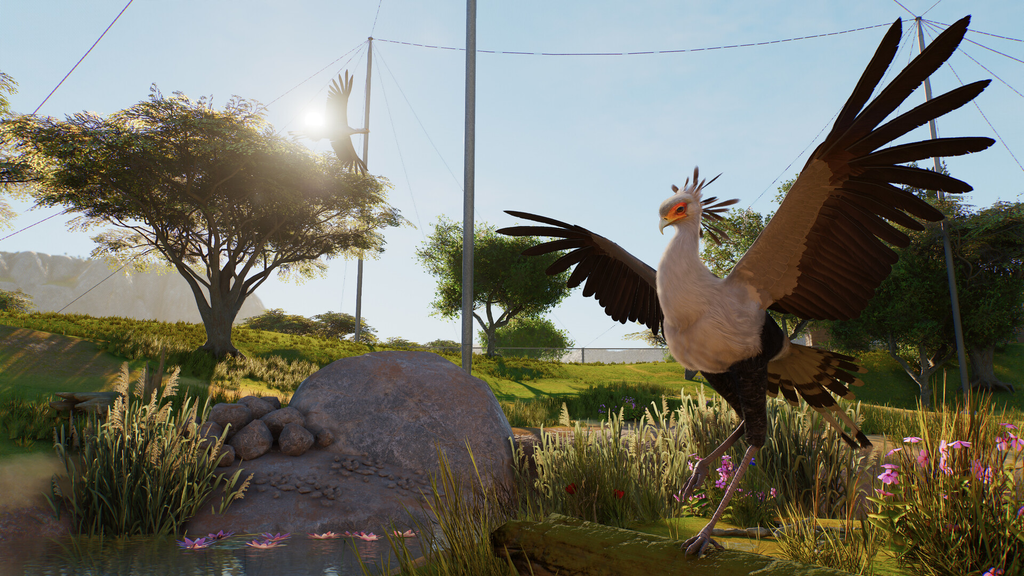
Why some animals stay locked
Not every species on a reserve’s list is available right away. Many stay locked until you reach a set accreditation level, so your release options widen the longer you play and the more you build up your conservation network.
Before any animal can move into a reserve, your vets must research the species, and the specific release group has to meet its own requirements for longevity, fertility, and genetic diversity. That is why strong welfare back in your zoo directly decides which animals are ready for the wild.
You will know a release has taken when the group leaves your zoo and appears inside the reserve, where the animals fill their ecological role and start adding to the wild population. Keeping each role filled, from predators to foragers, raises the reserve’s biodiversity and its overall star rating.