
Synthetic Silicon sits at the heart of StarRupture’s late-game factory chain. It feeds straight into Electronics, Chemicals, Hardening Agent, and other advanced components, so progressing the corporations eventually depends on unlocking this one blueprint.
Why the Synthetic Silicon blueprint matters
Synthetic Silicon is crafted at the Furnace, but the recipe is locked behind a blueprint. Until you pick it up and register it at a Recipe Station, you cannot produce any Synthetic Silicon, and that blocks multiple higher-tier recipes such as Electronics, Chemicals, and Hardening Agent.
Once you have the blueprint, the Recipe Station shows the Synthetic Silicon recipe as unlockable. At that point, you can convert mid-tier materials like Ceramics and Calcium Powder into a key late-game resource rather than relying only on basic ores.
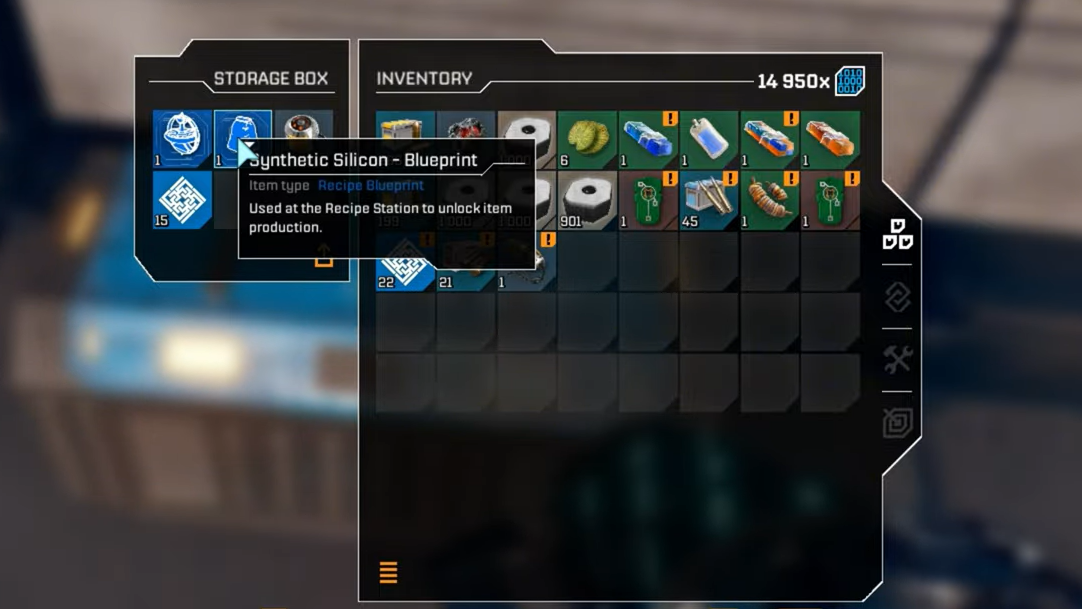
Where the Synthetic Silicon blueprint is located
The Synthetic Silicon blueprint is found far to the north of the starting area, in a heavily infested research complex in the calcium region. Different names are used for this outpost (including Griffith’s Research Outpost and Clever Robotics Research Outpost), but they all refer to the same cluster of buildings under a prominent blue infection cloud.
The outpost sits beyond broad Calcium fields and north of the early-game grasslands. It is one of the first “advanced” blueprint locations you are intended to tackle and is roughly north or northwest from most starter bases.
Route from the starting ship to the northern outpost


Handling orange flora and the approach fight
As you climb the final hillside toward the facility, you will see glowing orange bushes or flora patches. These are hazardous environmental elements rather than harmless decoration.
- Walking through the orange bushes rapidly drains your energy.
- Your movement speed drops sharply while affected, which makes you an easy target for nearby Vermin.
Stay just outside these patches as you circle up the hill. Try to keep clear lanes of retreat in mind in case you are forced back by enemies.
Near the top of the slope, expect a sizeable Vermin wave. The game leans on this encounter to test whether you are ready for advanced blueprint runs, so basic pistol fire alone is not ideal here. An upgraded assault rifle or LMG, a charged grenade, and a ready Medtool make the approach much more manageable.

Recognizing the infected facility
Once you crest the hill, the target outpost is hard to miss. A thick blue infection cloud hangs over several small industrial buildings, with spores clinging to walls, roofs, and supports. Vermin spawn aggressively around and inside the complex.
The layout usually includes three main buildings connected by walkways and gantries, along with platforms and under-floor struts that can also host spores. The blueprint you need is inside one of these structures, not in the open air.
Clearing spores to control enemy spawns
There are two phases to stabilizing the area: thinning the current wave and dealing with the infection sources.

Fully eradicating spores significantly reduces ongoing spawns and gives you the breathing room needed to navigate rooftops and interiors safely.

How to enter the building with the Synthetic Silicon blueprint
The blueprint is not on a ground-floor shelf; it is in a room you reach from above. The outpost’s internal layout pushes you to approach from the roof rather than forcing open a door under pressure.

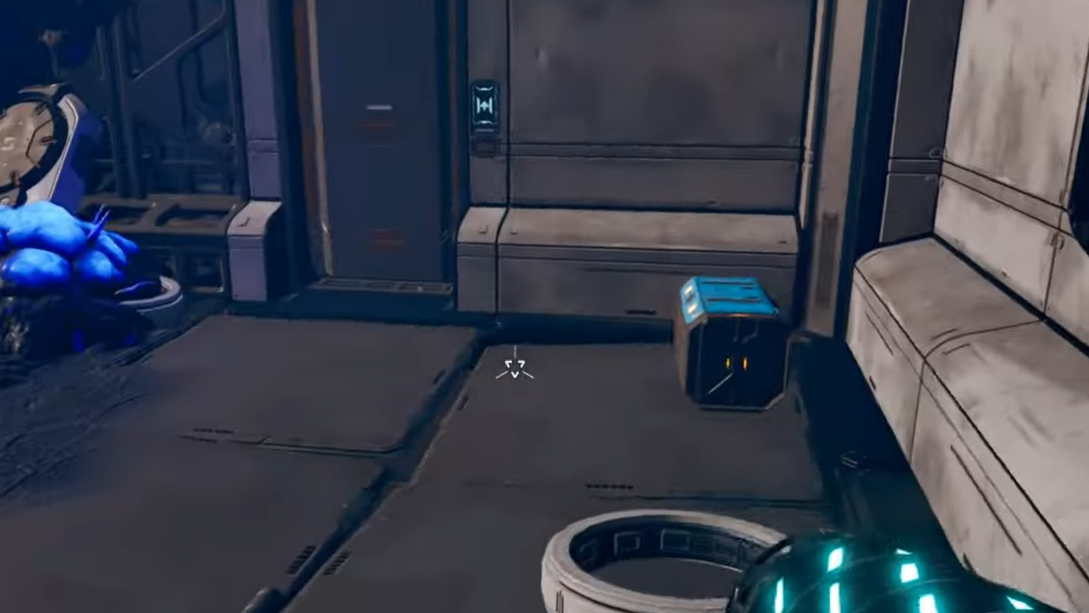
Once inside this room, you can also open the doors that connect to other sections of the building. That lets you leave by a ground-level exit instead of climbing back up.
Recommended loadout and prep for the run
The northern outpost is reachable fairly early, but going in under-geared turns the encounter into an ammo sink. Before you commit to the trip, it helps to:
- Bring at least one mid-range weapon stronger than the starter pistol, such as an upgraded assault rifle or LMG.
- Charge your grenade so you can delete clustered Vermin waves near the roof opening or choke points.
- Keep the Medtool fully charged to recover during the hill fight and interior wave.
- Carry enough ammunition to deal with multiple waves; the infection cloud can keep enemies coming if spores are left alive.
For solo runs, some players also drop a small forward base or a turret on the outskirts to help clean up lingering enemies while they focus on spores and navigation.

Registering the Synthetic Silicon blueprint at the Recipe Station
Once you extract the blueprint and return to base, the final step is unlocking the actual Furnace recipe through a Recipe Station. The Recipe Station itself is a building that sits inside a Habitat and is unlocked as a Level 2 reward of the Moon Energy Corporation via the Corporate Terminal.
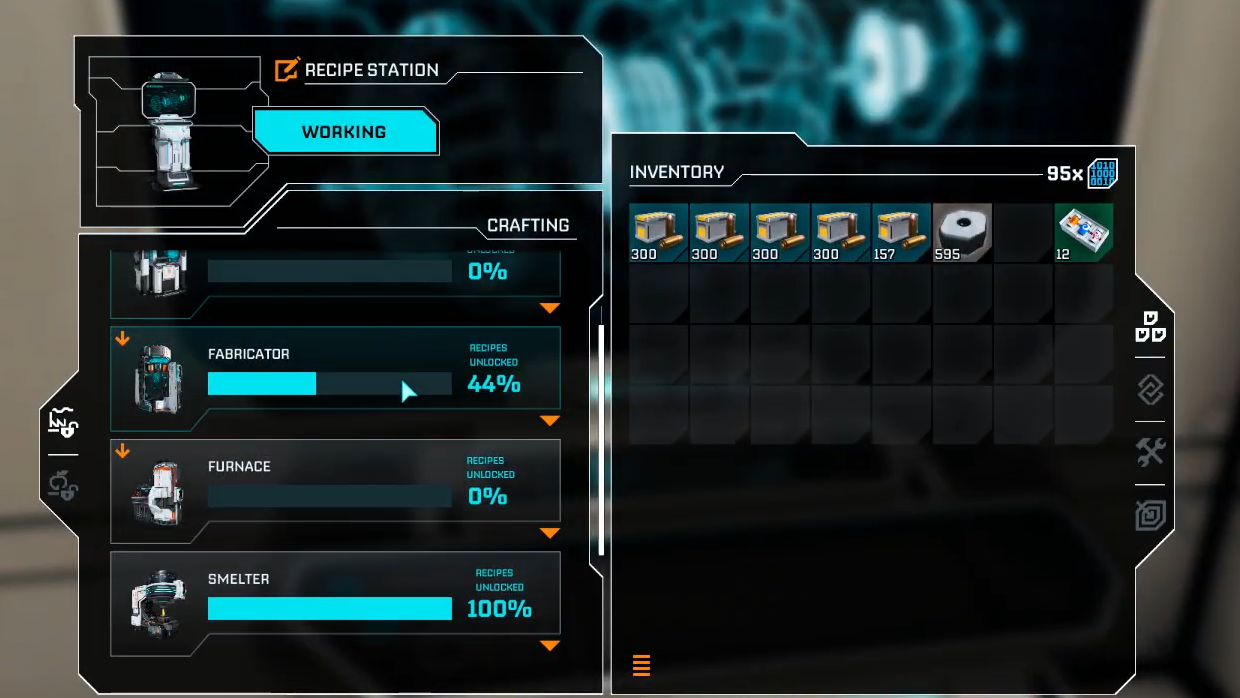
The wiki lists the cost for Synthetic Silicon as:
| Recipe | Blueprint needed | Materials required to unlock |
|---|---|---|
| Synthetic Silicon | Synthetic Silicon Blueprint | 600 Ceramics, 800 Calcium Powder, 600 Data Points |
Some in-game descriptions and coverage mention Helium or Helium-3 as part of the unlock cost. The Recipe Station data focuses on Ceramics, Calcium Powder, and Data Points, so expect at least those three inputs when you finalize the unlock.
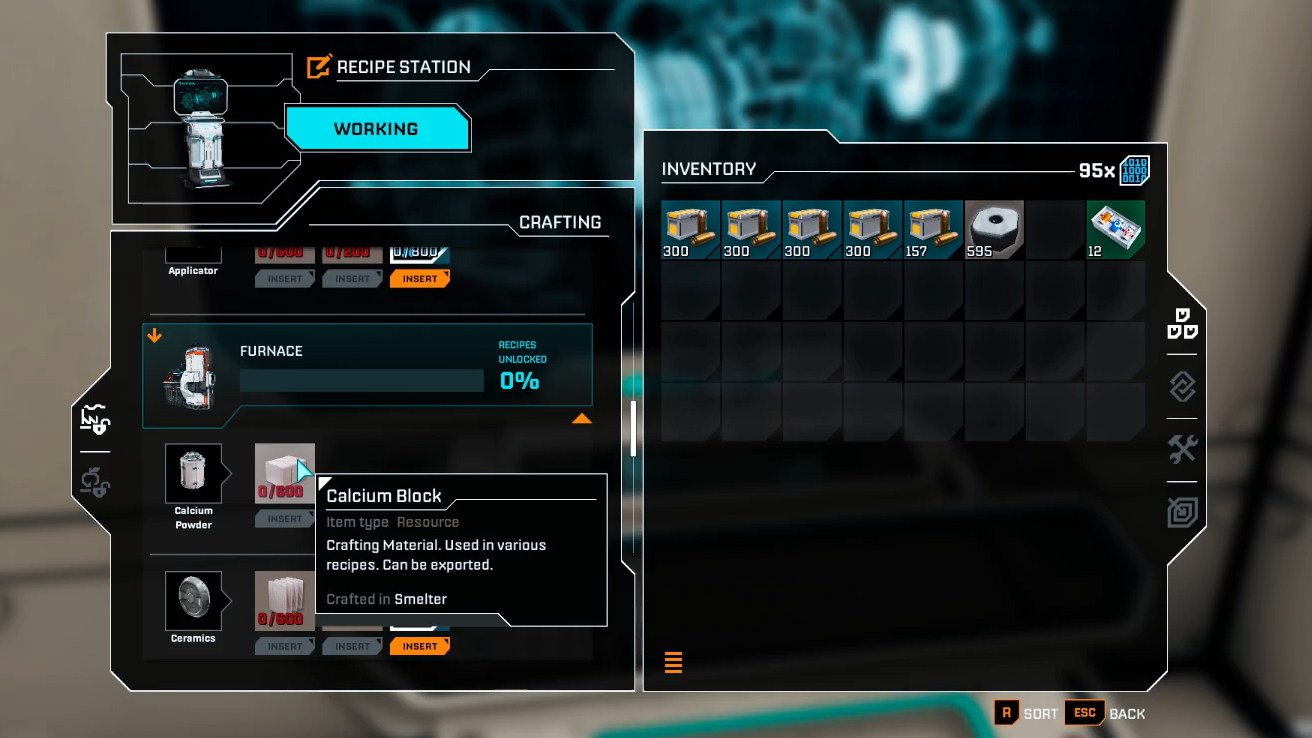
What Synthetic Silicon unlocks next
Crafting Synthetic Silicon opens several follow-up recipes at the Recipe Station, which in turn enable late-game machinery and objective items. For example, Electronics and Chemicals both list Synthetic Silicon as part of their unlock costs and ongoing crafting inputs.
This cascade means that the northern blueprint run is not just another collectible; it is the gateway to most high-end components. Securing it early, even if the encounter is challenging, gives your factory room to scale and prepares you for objectives that involve devices like advanced sensors, structural hardening, and endgame power solutions.
Once Synthetic Silicon is online, the rest of the advanced Furnace blueprints become practical targets rather than theoretical objectives, and the northern calcium plateau turns from a lethal run into a productive resource hub.