Elements decide how hard a Voidling hits and what it leaves behind on the enemies it strikes. Every creature in Voidling Bound, the monster-taming shooter from Hatchery Games, channels specific elements that set its faction matchups, the status effect it can stack, and the mutagens it needs to climb its evolution branches. Picking the right element before a mission is the fastest way to turn a slow fight into a clean clear.
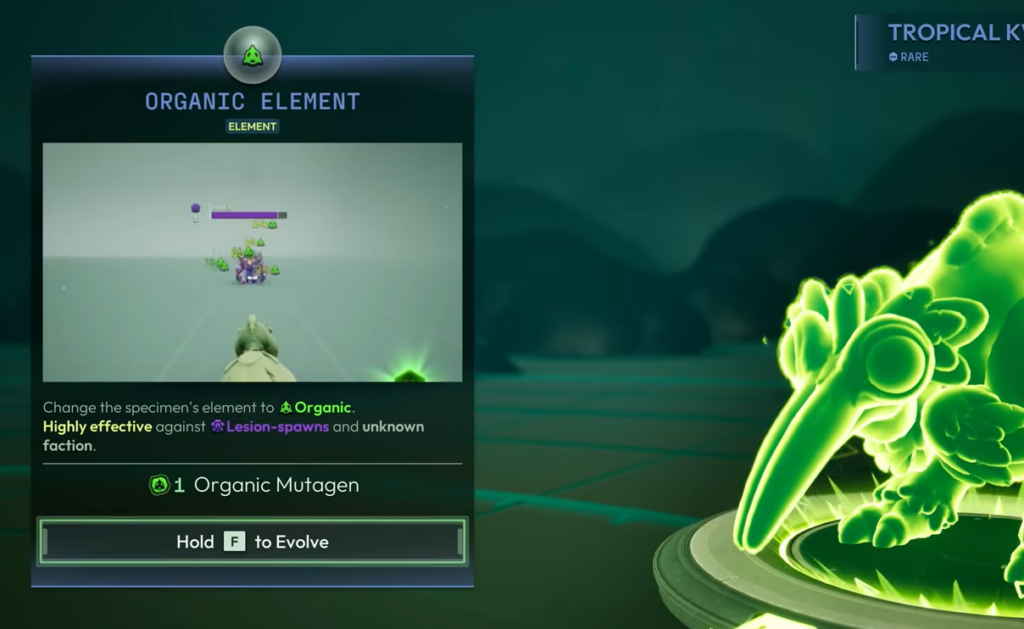
Quick answer: Match your element to the faction you are about to face. Organic beats Lesion-spawns and Ancients, Pyro beats Lesion-spawns and Crystallines, Cryo beats GenBots and Ancients, Cyber beats GenBots and Crystallines, and Plasma is effective against every faction. Use Splicing later to override a Voidling’s default element when a stage demands a different match.
How elements work in Voidling Bound
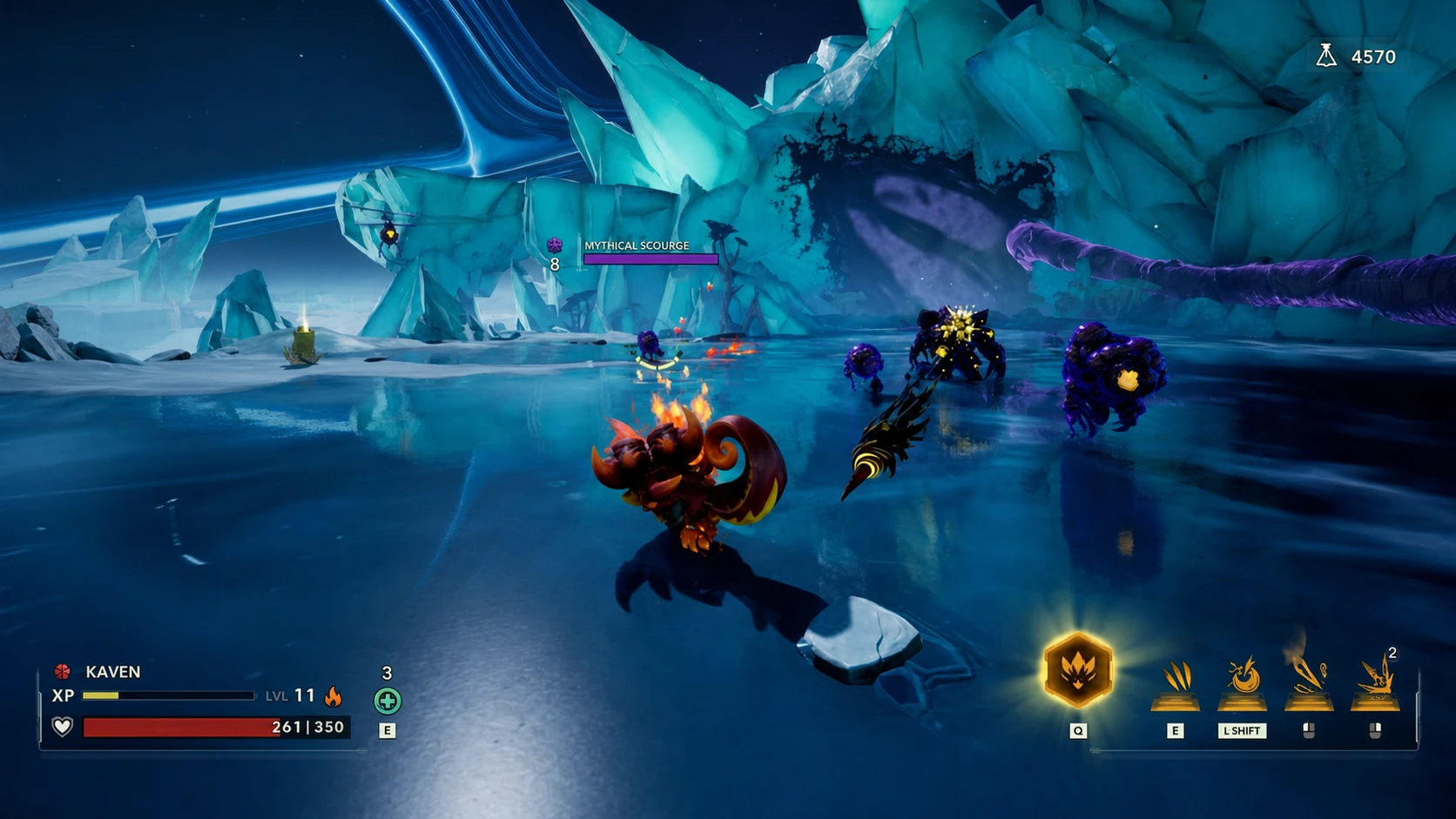
An element is a damage modifier tied to enemy factions. Each species carries two of the core elements across its mutation tree, and that pairing controls three things at once. It sets which factions you punish, which status effect you can apply, and the mutagen costs along each evolution path. Because of that, the element you pick is a build decision, not a coat of paint.
The roster of elements covers Neutral, Organic, Pyro, Cryo, Cyber, and Plasma. Four of the specialized elements counter two factions each, Plasma trades focus for broad coverage, and Neutral sits in the middle with no major advantage or penalty against anyone.
Element affinities and weaknesses by faction
Affinity measures how well an element performs against a given enemy faction. The four specialized elements each have two strong matchups and at least one faction they struggle against. Plasma never has a poor matchup, while Neutral deals even damage everywhere.
| Element | Highly effective against | Weak against |
|---|---|---|
| Neutral | Even damage to all factions | No faction weakness |
| Organic | Lesion-spawns, Ancients | GenBots, Crystallines |
| Pyro | Lesion-spawns, Crystallines | GenBots, Ancients |
| Cryo | GenBots, Ancients | Lesion-spawns, Crystallines |
| Cyber | GenBots, Crystallines | Lesion-spawns |
| Plasma | All factions | None |
If a stage mixes factions, Plasma is the safe pick because it never matches poorly. A focused element will still out-damage Plasma against the single faction it directly counters, so bring the specialist when you know what you are facing.
Best element for each enemy faction
Reading the matchups from the enemy’s side makes mission prep simple. Check the faction you expect, then bring a Voidling that is at least effective against it.
| Enemy faction | Counter elements |
|---|---|
| Lesion-spawns | Organic, Pyro |
| Ancients | Organic, Cryo |
| GenBots | Cryo, Cyber |
| Crystallines | Pyro, Cyber |
Elemental status effects
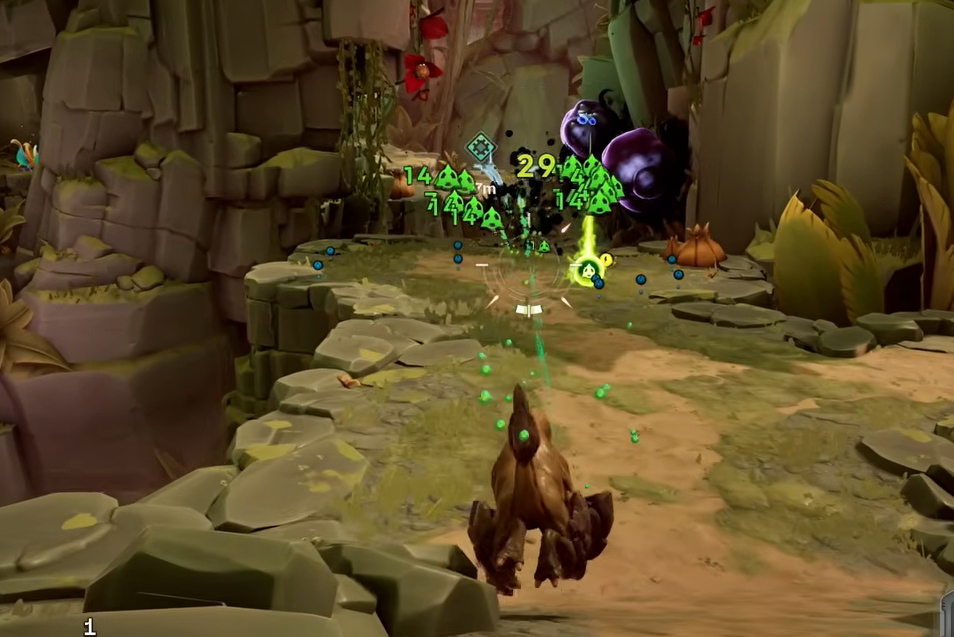
Every element can apply one status to the targets it hits, though not every ability triggers it. An ability’s tooltip tells you whether that attack can inflict its element’s status. These effects often add nearly as much damage as your direct hits, so stacking them matters in longer fights.
| Element | Status | How it behaves |
|---|---|---|
| Neutral | Bleed | Applies up to five stacks that deal Neutral damage over time. |
| Organic | Poison | Damage over time that scales with stack count, capping at 15 stacks. |
| Pyro | Burn | Steady damage over time that builds up total output. |
| Cryo | Frostbite | Up to five stacks that slow the target and can eventually Freeze it. Freeze does not work on bosses. |
| Cyber | Static | Builds on enemies hit; reaching five stacks consumes them for a large Static Discharge burst. |
| Plasma | Disintegrate | Up to five stacks that deal more with each one and never wear off. Going beyond five triggers Plasma Overflow for extra damage. Plasma can also apply Float, lifting enemies before they drop and take damage. |
Voidling species by element
There are nine playable species, and each one uses two elements across its mutation branches. Knowing which species can reach a given element helps you decide what to evolve for an upcoming faction.
| Species | Elements |
|---|---|
| Kwipeck | Organic, Pyro |
| Gilick | Pyro, Cryo |
| Kerapin | Organic, Cryo |
| Gwigoon | Organic, Plasma |
| Anami | Cryo, Cyber |
| Ur-Sek | Organic, Plasma |
| Nimiod | Organic, Cyber |
| Morfang | Pyro, Plasma |
| Packuran | Plasma, Cyber |

Grouped by element, the same overlap reads the other way. Organic is the most common, covering Kwipeck, Kerapin, Gwigoon, Ur-Sek, and Nimiod. Pyro runs through Kwipeck, Gilick, and Morfang. Cryo covers Gilick, Kerapin, and Anami. Cyber appears on Anami, Nimiod, and Packuran. Plasma shows up on Gwigoon, Ur-Sek, Morfang, and Packuran.
Changing a Voidling’s element with Splicing
A species starts locked to its two default elements, but Splicing unlocks later in the game and lets you override that default. The most direct use is retuning a Voidling you have already built so its element lines up with the faction you are about to fight. Because the element also sets mutagen requirements and the status effect you can apply, a swap reshapes how that creature plays from one stage to the next.
There is no single best element across the board. Plasma offers the most flexibility, Cyber and Cryo dominate machine-heavy GenBot content, Pyro brings strong offensive pressure, Organic carries biological encounters, and Neutral stays dependable when you are unsure what is coming. The right call always depends on the enemies in front of you, and prepping the matchup before launch usually does more for a run than a minor gear upgrade.