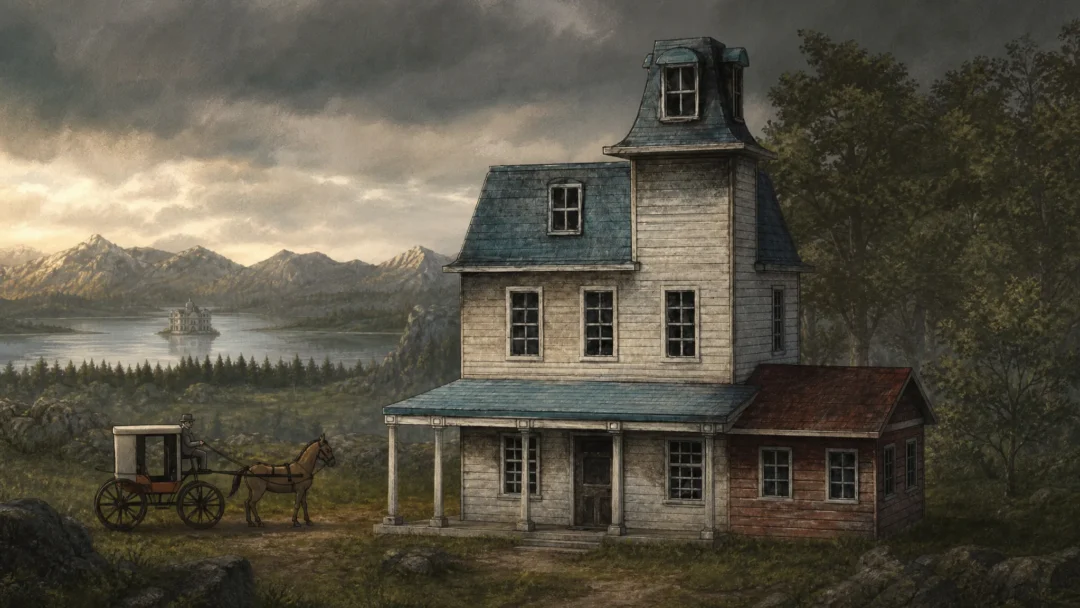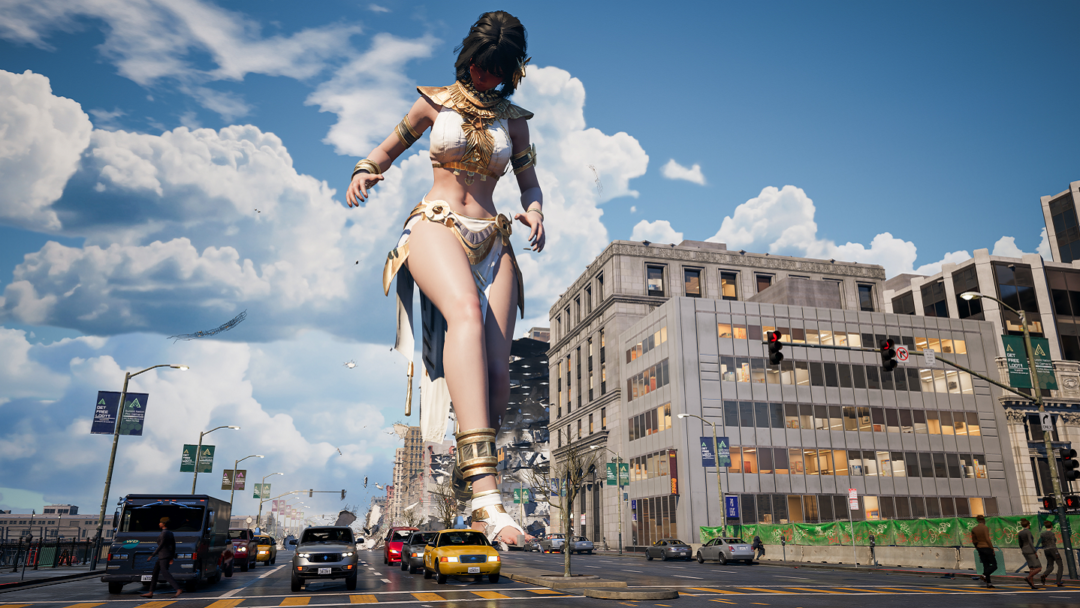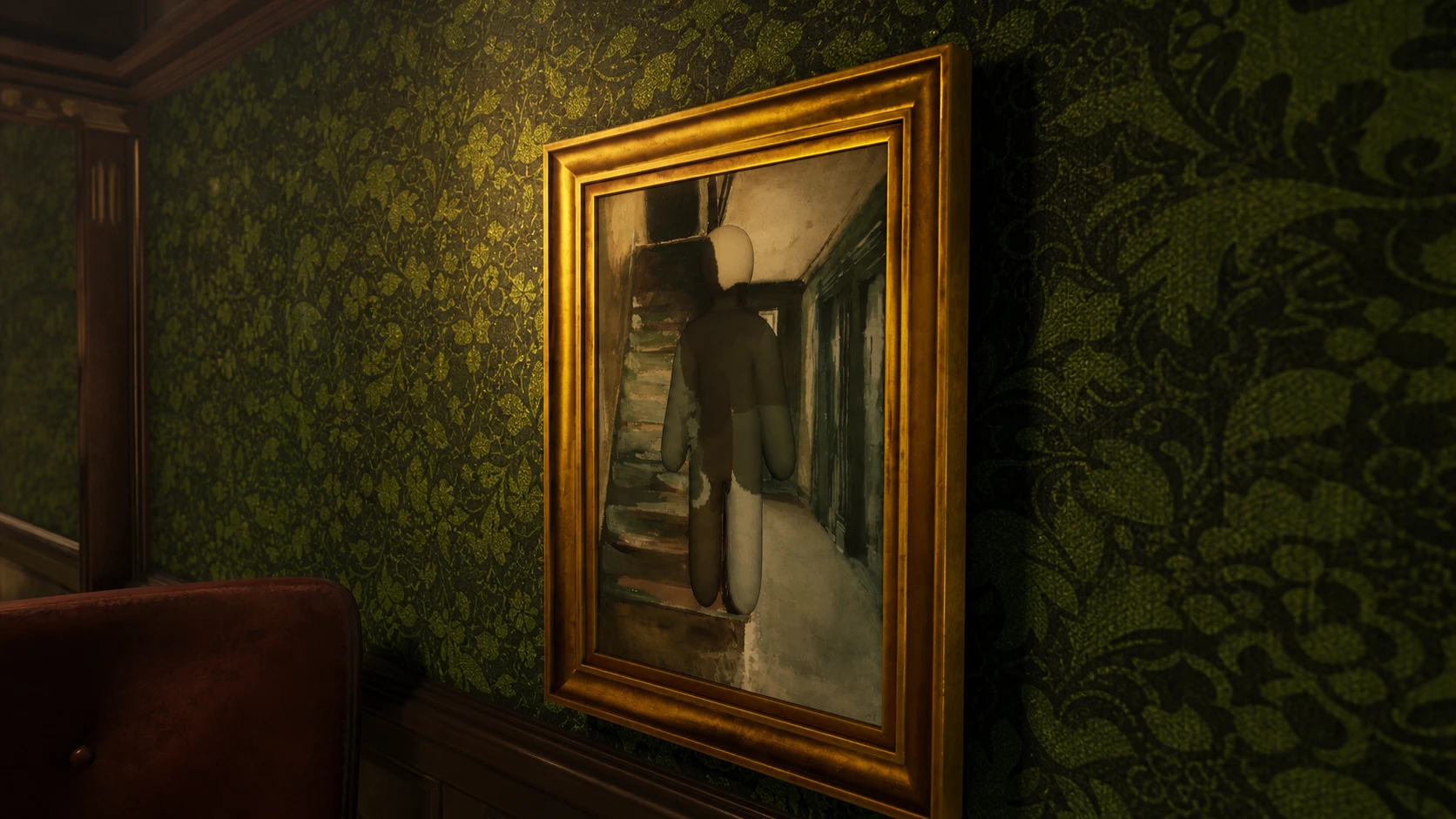
Meccha Chameleon is an online hide-and-seek game from solo Japanese developer lemorion_1224, and it flips the usual formula. Instead of ducking behind a crate, you start as a plain white model and paint your own body to match the room around you. Hiders get a short prep window to build a disguise before seekers start scanning. The trick to surviving rounds is not becoming invisible. It is making a seeker waste so much time deciding whether you are a wall or a person that the timer runs out first.
Quick answer: Lock your spot in the first third of the prep window, paint against cluttered or patterned surfaces instead of flat walls, shade your body to match the room’s light source, then pick a pose that breaks your player outline and hold completely still.
How hiding works in Meccha Chameleon
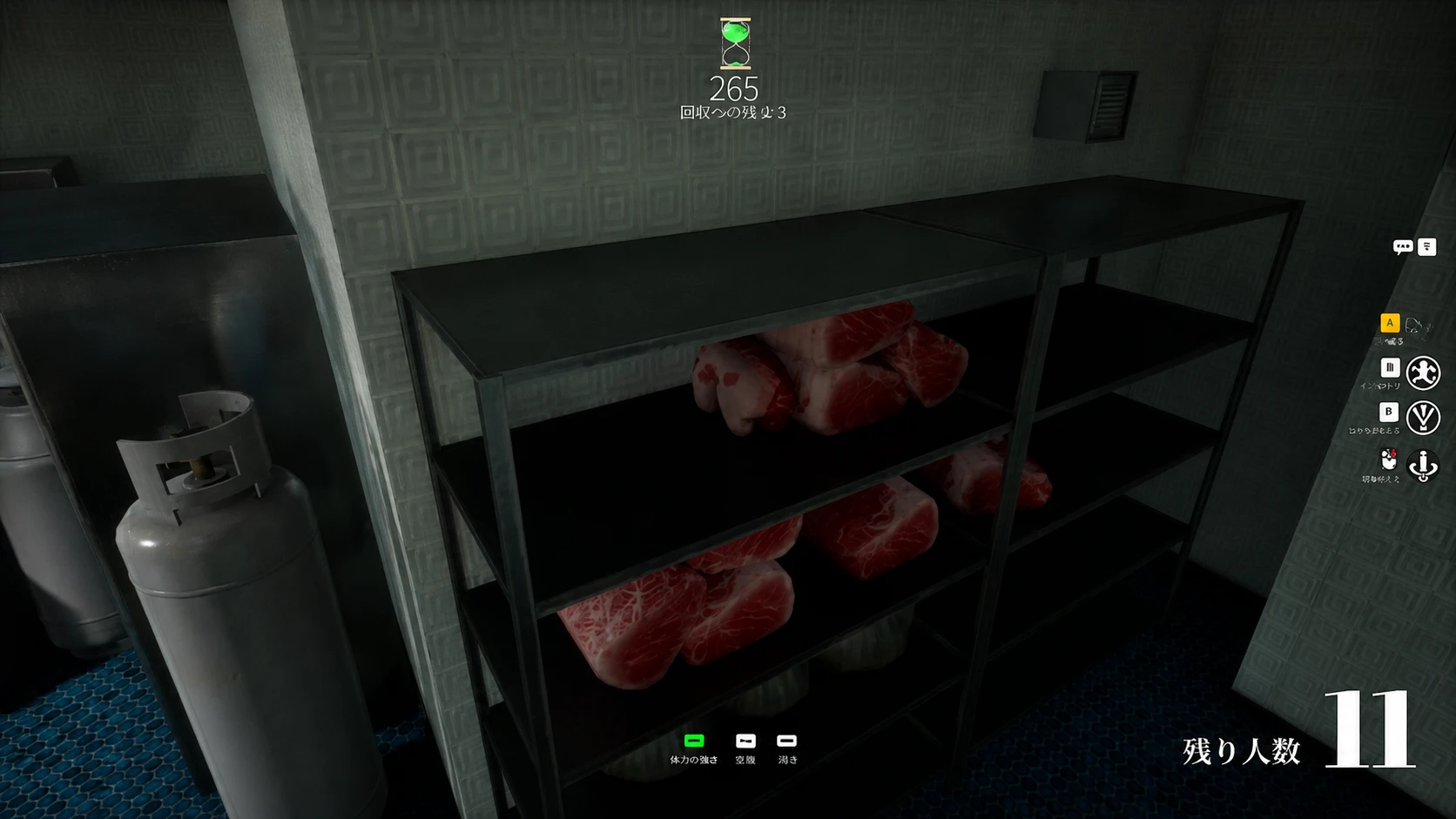
The core loop is simple. Find a surface you want to imitate, sample its colors with the in-game palette, and copy them onto your white body before other players track you down. You can hide almost anywhere, including flat on a wall rather than behind it, so speed matters as much as accuracy. The faster you finish a clean paint job, the longer you have to settle into your pose.
Because every disguise is hand-made in the moment, no two matches play out the same way. There are no preset hiding props to memorize, which is why technique beats any single “best” spot. Quick matches and multiple maps make it easy to test camouflage ideas on the fly. You can grab the game on its Steam store page.
Camouflage tactics that beat seekers
Tip: Use the chaos around you. If a nearby hider has slapped on a loud, sloppy disguise, stay put. Seekers tend to pounce on the obvious decoy and often leave the area satisfied, walking right past your better hide on the way out.
When you do relocate, move only after the seeker commits elsewhere, like turning a corner or getting stuck on a decoy. Move for a clear reason such as a better background, a fresh angle, or a zone they already cleared. Panicked running almost always turns a near miss into a sure catch, so when in doubt, stay still.
Best hiding spots on every map
Each map rewards a different blend of color, pattern, and pose. These locations give you a strong starting point, but remember the disguise still has to hold up to a close scan.
Hide-and-Seek Mansion
| Location | How to blend in |
|---|---|
| Library | Crouch on a shelf and paint yourself to match the books. |
| Main room ceiling | Attach to the ceiling disguised as one of the pillars. |
| Main room pillars | Crouch or lie on top of the pillars. |
| Horse statue | Hide on top of the statue or near its rear hooves. |
| Kitchen | Match the wall poster, or crouch inside an empty shelving unit. |
| Bathroom | Paint to blend with the wall tiles. |
| Hallway | Imitate one of the framed paintings. |
| Wooden arch walls | Match the arch wall surface. |
| Side room | Match the black tiled wall. |
| Behind an armchair | Tuck out of the direct sightline. |
Indoor Country
| Location | How to blend in |
|---|---|
| Cow standees | Perch on one and paint yourself to resemble a cow. |
| Fallen standees | Crouch low on a knocked-over standee. |
| Teal wall | Match the wall where it meets the ceiling. |
| Green crates | Tuck behind one of the large crates. |
| Ceiling clouds | Hide between the cloud cutout and the ceiling. |
| Hay bales | Match the barn wall behind the hay. |
Sewer
| Location | How to blend in |
|---|---|
| Dark ceiling pipe | Hide behind a pipe in the darkest section of the map. |
| Oil barrels | Lie on top of a barrel or tuck behind it. |
| Graffiti walls | Paint yourself as wall graffiti in two separate sections. |
Backrooms
| Location | How to blend in |
|---|---|
| Wall bikes | Paint yourself to resemble the bikes on the wall. |
| Chair stacks | Tuck underneath or behind a stack of chairs. |
| Ceiling light | Attach to the bright light using the default white color. |
| Exit sign | Paint yourself to look like the exit sign. |
You know a disguise is working when seekers sweep past your zone without a second look, or when they stop, hesitate, and move on rather than tagging you. The clearest sign of failure is also the easiest to fix, since most caught hiders gave themselves away through a flat unshaded body, an obvious player outline, or a small camera twitch. Get the light and pattern right, break your shape, and stay frozen, and the best spots on each map become almost unbeatable.