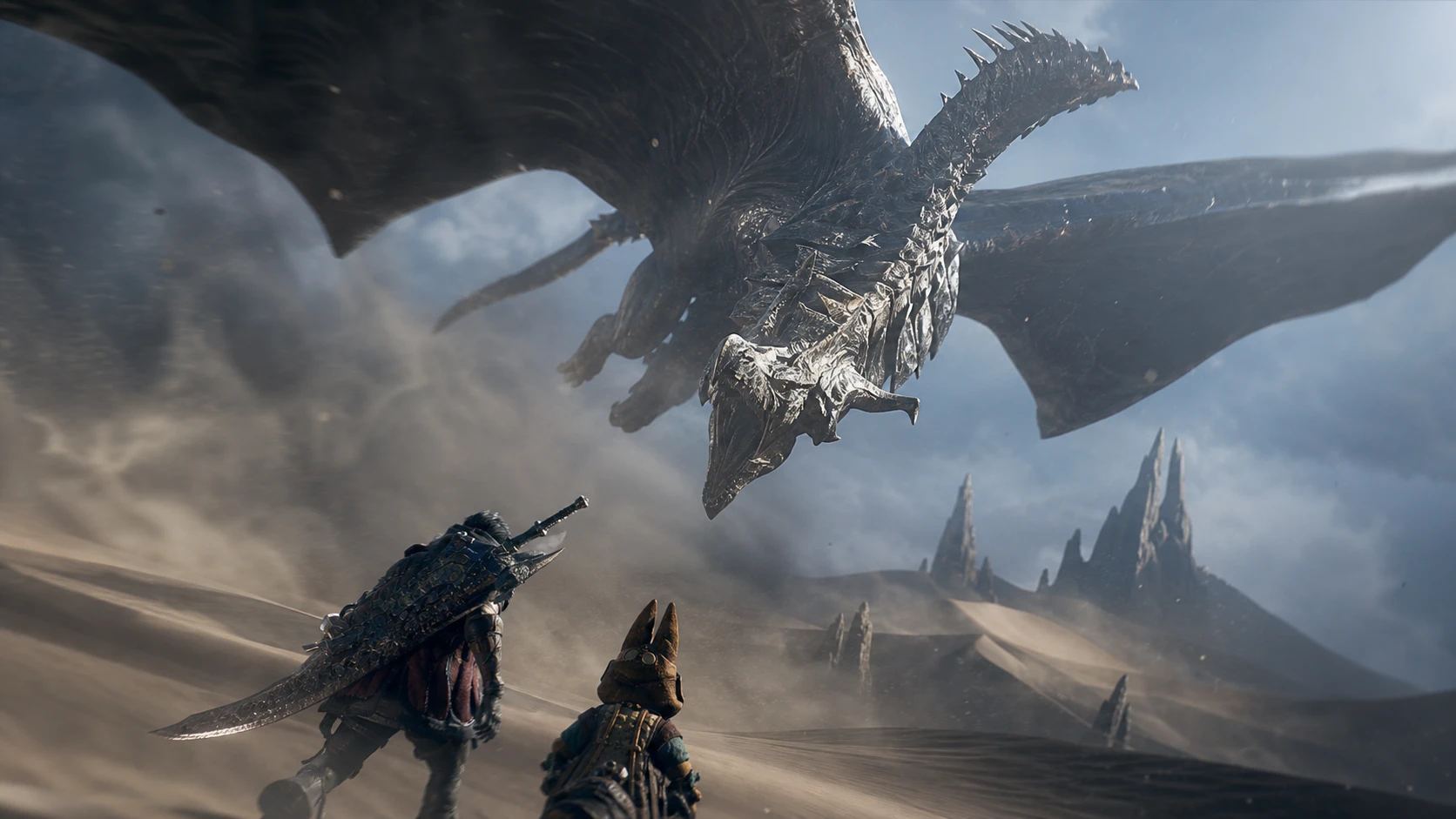
Monster Hunter Wilds: Ascendance was one of the bigger surprises at Summer Game Fest 2026, and its reveal trailer landed well with most fans. One detail, though, split the room almost instantly. Kushala Daora, the Elder Dragon that commands the wind, is coming back, and the community can’t agree on whether that’s good news.
Quick answer: Fans are divided because Kushala Daora’s design is striking and its wind powers are unique, but its past versions in Monster Hunter World and Iceborne were widely disliked for constant flying, screen-blurring wind effects, and gusts that block you from attacking unless you burn a skill slot on Windproof.
What Ascendance adds to Monster Hunter Wilds
Ascendance is the major paid expansion for Monster Hunter Wilds, in the same mold as Iceborne for World and Sunbreak for Rise. It’s set to release in 2027 on PC, PlayStation 5, and Xbox Series X|S. Capcom has not confirmed a more specific release date.
The headline feature is Master Rank, a new difficulty tier that lets you fight tougher versions of base-game and expansion monsters to craft new weapons and armor. These hunts move up into the sky. The expansion takes hunters to the Eastlands and a set of floating ruins called the Skybound Eyrie, held aloft by technology tied to Wyveria, the ancient civilization that once ruled the Forbidden Lands. You leap between the floating islands using your Seikret mount for three-dimensional exploration.
Two returning Elder Dragons headline the roster. Kushala Daora is the steel-hided wind controller, shown in the trailer tossing a pack of Doshaguma around like ragdolls. Lao Shan Lung is the enormous Elder Dragon that shrugs off most attacks, and its reveal showed an updated version of its classic Siege map, where hunters cooperate to stop it from destroying a fortress. A still-unnamed Flying Wyvern that travels in packs was also shown, along with the Boost Bracer, a new arm-mounted device that adds an explosive element to melee hits and fires a barrage of projectiles at range.
Capcom also confirmed that a Nintendo Switch 2 port of the base game is in development. There’s no release date for the port yet, and it’s unclear whether it will support Ascendance at launch.
Why some Monster Hunter Wilds fans are unhappy with Kushala Daora
On paper, Kushala Daora is a strong pick. It’s the only monster in the current Wilds roster that controls wind, which finally gives the Windproof skill a clear purpose after sitting mostly unused since launch. The design is intimidating, and the idea of an Elder Dragon that reshapes the battlefield fits the series perfectly.
The frustration comes from how Kushala has played in the recent past. In Monster Hunter World, it constantly generates wind currents and gusts that push you back before you can even close the distance, let alone land a hit. You can counter that with Windproof Level 3, but doing so eats a skill slot just to make the fight bearable. That’s the same complaint players have about Arch-tempered Nu Udra forcing the Adaptability skill.
It gets worse at Master Rank, where World’s Kushala moves around the arena far more often, dragging out the encounter. The visual effects of its wind abilities also make the screen blurry and jagged, which some players find genuinely uncomfortable to look at for long stretches. On top of all that, the gear you craft from its parts tends to fall behind other Master Rank weapons and armor. Put together, it’s easy to see why a fresh Master Rank appearance gets a mixed reception.
Not everyone is against it. Plenty of fans point to the much better Rise and Sunbreak versions of the fight and are hopeful Capcom will lean on that template. There’s also genuine curiosity about how an Elder Dragon will alter Wilds’ dynamic ecosystems and weather, something the base game’s systems are built to support.
How Kushala Daora compares to Omega Planetes (Savage)
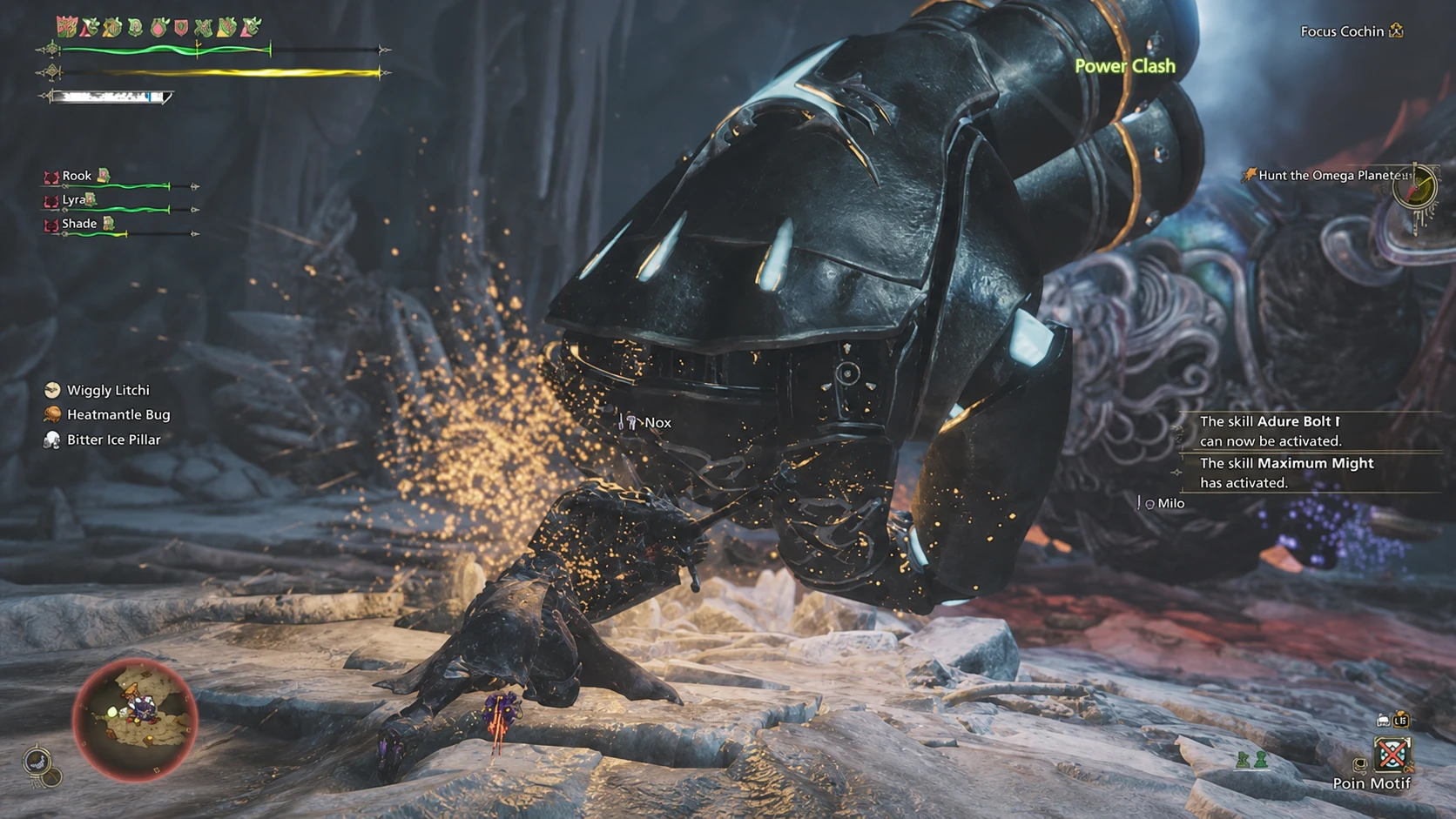
For all the noise, Kushala Daora is unlikely to be as divisive as Omega Planetes (Savage). It’s a polarizing monster, but it isn’t on the same level of raw difficulty. Crucially, Kushala has exploitable weaknesses that Omega lacks.
| Tactic | Effect on Kushala Daora |
|---|---|
| Flash Pod | Staggers it out of its flying phase |
| Target the wings and head | Tenderizes those parts, which staggers it and weakens its armor |
How Capcom could make Kushala Daora fun again
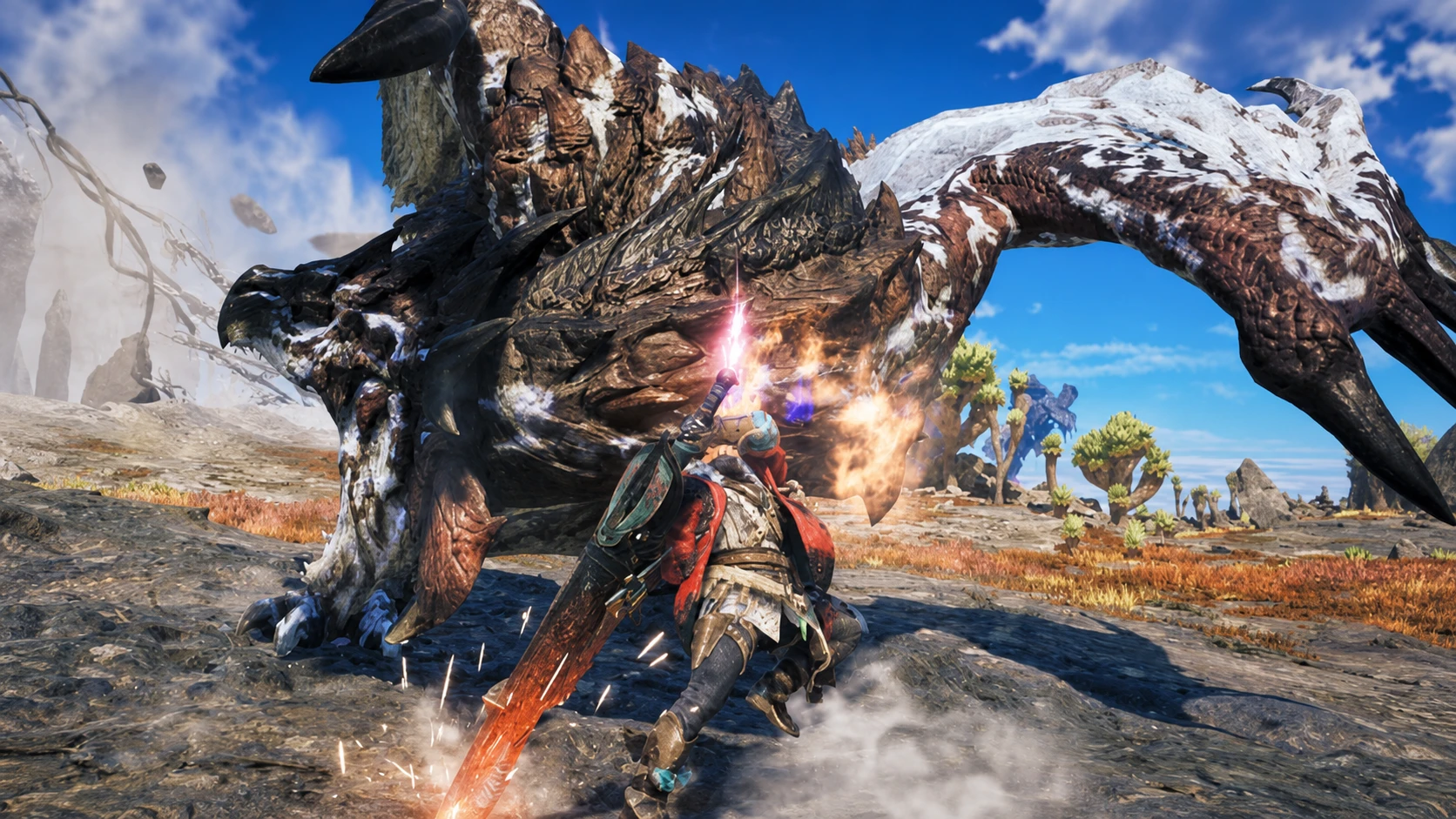
The fix may already exist. Kushala worked well in Monster Hunter Rise and Sunbreak, so Capcom mainly needs to carry that approach into Wilds and Ascendance.
In Rise, Kushala never wraps the entire arena in wind. Instead, it spawns pockets of tornadoes across the field while leaving its own body free of that extra wind layer, so you can actually approach and attack. To keep it threatening, Capcom raised the frequency of its claw swipes, which can also inflict the Dragon element. That balance, dangerous but readable, is exactly how an Elder Dragon should feel.
Until more of Ascendance is shown, the split reaction comes down to memory. Players who only know Kushala from World are bracing for another wind-walled slog, while those who fought it in Rise are cautiously optimistic. With the expansion not arriving until 2027, there’s plenty of time for Capcom to show which version of the wind dragon it’s bringing back.