In Meccha Chameleon, staying perfectly painted is only half the job. Even a flawless disguise can give you away if your character makes noise at the wrong moment. That noise is the whistle, a sound cue tied to a timer that Chameleons must manage to survive a full round.
Quick answer: When the host enables it, a Chameleon automatically whistles after 45 seconds. Whistle on purpose to reset that countdown so your character stays silent exactly when a Hunter is standing near you.
How the automatic whistle works
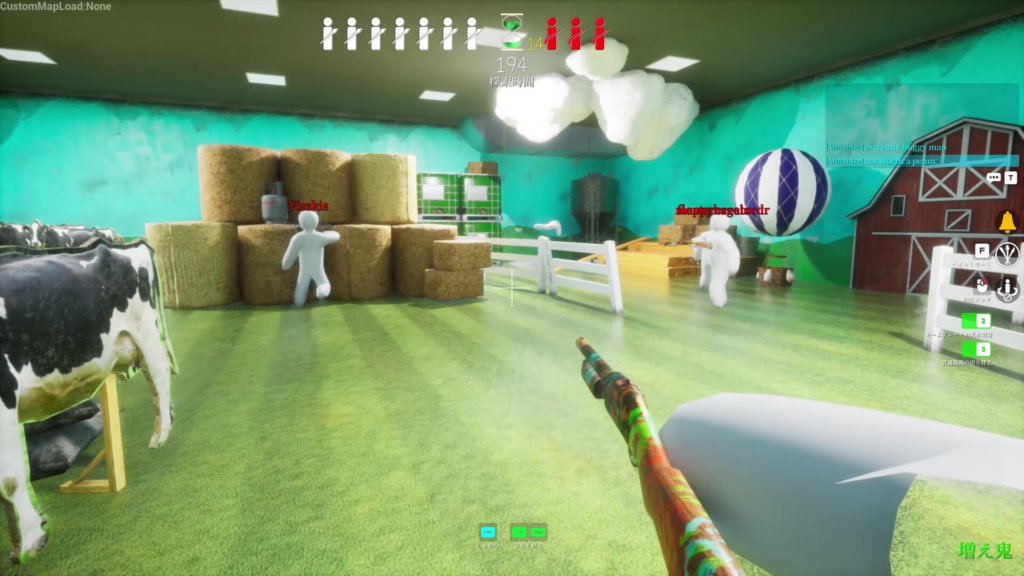
The automatic whistle is a lobby setting controlled by the host. When it is turned on, every Chameleon emits a quiet whistle once 45 seconds pass. The sound is meant to give Hunters a fighting chance, since a painted body blended into a wall or floor can be almost invisible otherwise.
The host sets this behavior alongside other game modes and options before the match starts. If the automatic whistle is switched off for a lobby, Chameleons do not make that timed noise at all. Because it depends on the host’s configuration, the exact timing or whether it is active can differ from one lobby to the next.
How the manual whistle delays the timer
As a Chameleon, you can whistle voluntarily. Doing so delays your automatic whistle, effectively resetting the countdown before it fires on its own. This is the core of whistle management, because it lets you decide the moment your character makes a sound rather than leaving it to the timer.
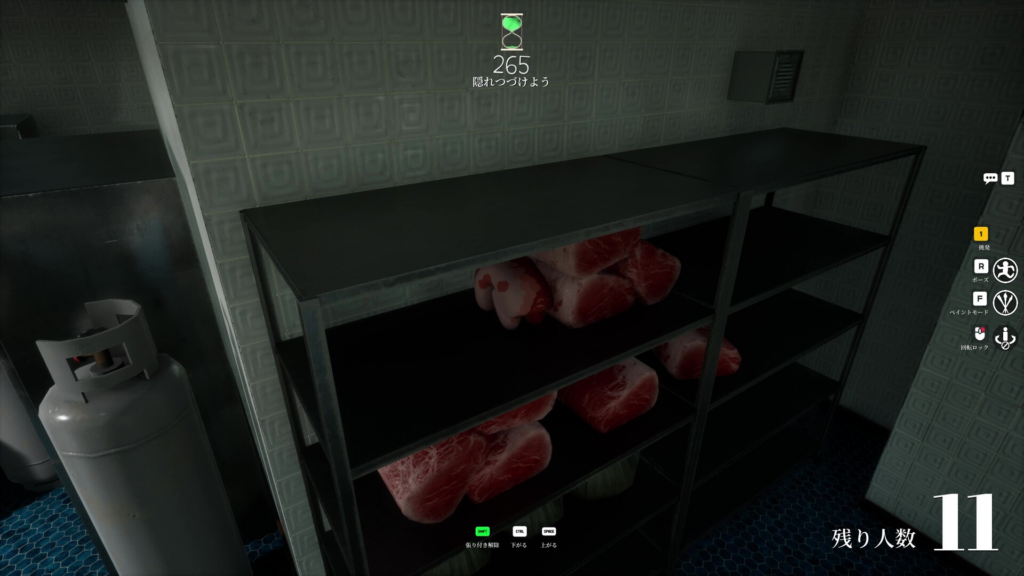
The goal is to whistle when no Hunter is close, so your character stays silent during the dangerous seconds when one walks past your hiding spot. Listen for footsteps and proximity voice, then time your manual whistle to clear the gap. Done well, the noise happens in an empty room instead of right next to a searching Hunter.
Tip: Whistle a little early when the area is clear rather than waiting until the timer is about to expire. A late forced whistle while a Hunter is inspecting your wall is the most common way a good disguise gets caught.
Whistle behavior by situation
| Situation | What the whistle does |
|---|---|
| Host enables auto-whistle | Chameleon whistles automatically after 45 seconds |
| You whistle voluntarily | Delays your automatic whistle and resets the countdown |
| Hunter nearby | Avoid whistling so your character stays silent |
| Area is clear | Best time to whistle on purpose and buy quiet seconds |
| Spectating after elimination | Whistle works as a taunt, not a survival tool |
Whistle as a spectator taunt
After you are eliminated, the whistle changes purpose. Spectator controls unlock a free-fly camera, and the whistle becomes a taunt you can use to provoke Hunters or entertain viewers while watching the rest of the match. At that point, it no longer affects any hiding timer, since your Chameleon is already out of the round.
How to tell your whistle timing is working
You know your whistle management is paying off when your character stays silent during the seconds a Hunter is closest. If a Hunter passes your spot without reacting and you only hear your whistle after they leave, the timing worked. If your automatic whistle keeps firing while a Hunter is inspecting you, you are waiting too long between voluntary whistles.
Meccha Chameleon pairs this audio risk with the bluff of hiding in plain sight, so the whistle is as much about nerve as it is about timing. Keep a rhythm of quiet, deliberate whistles in empty moments, and the noise becomes something you control instead of a tell that hands you to the Hunters.