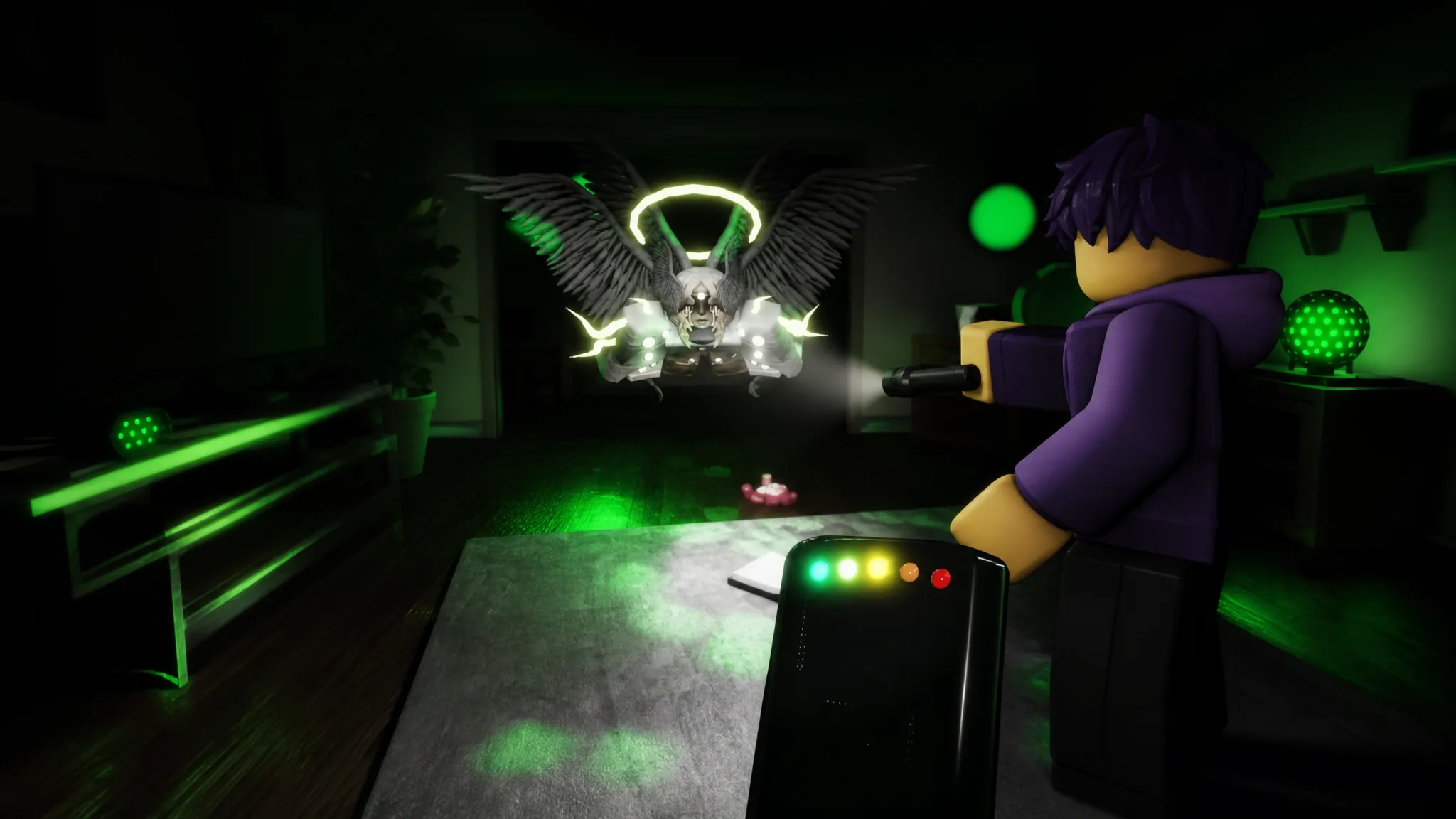
A ghost hunt is the deadliest phase of any job in Demonology. The entity stops scaring you and starts hunting you, the front door locks, and anyone caught in its line of sight can be killed. Hunts also happen to be the single best way to read a ghost’s behavior, so plenty of players trigger them on purpose once they know how the timing works.
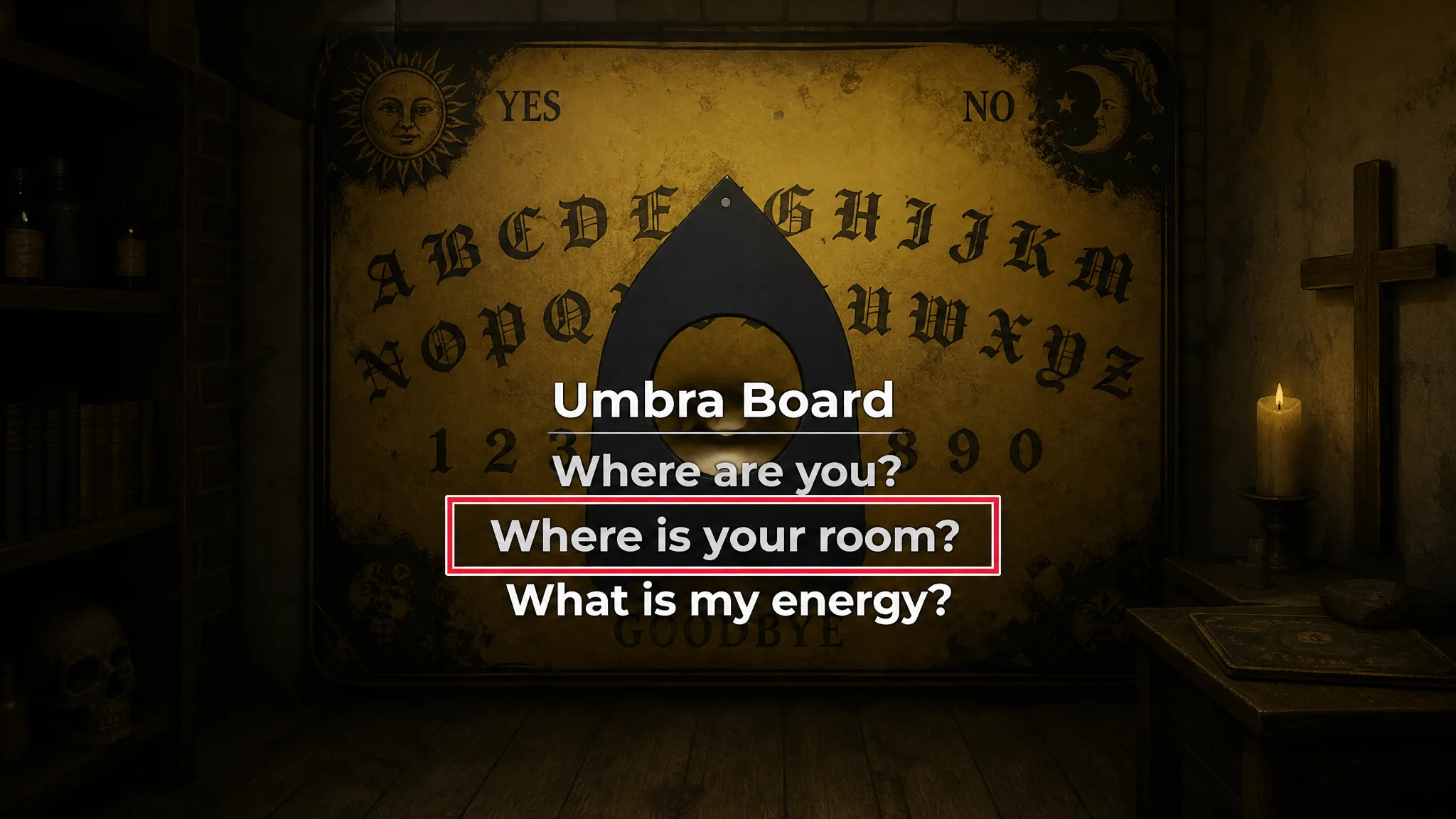
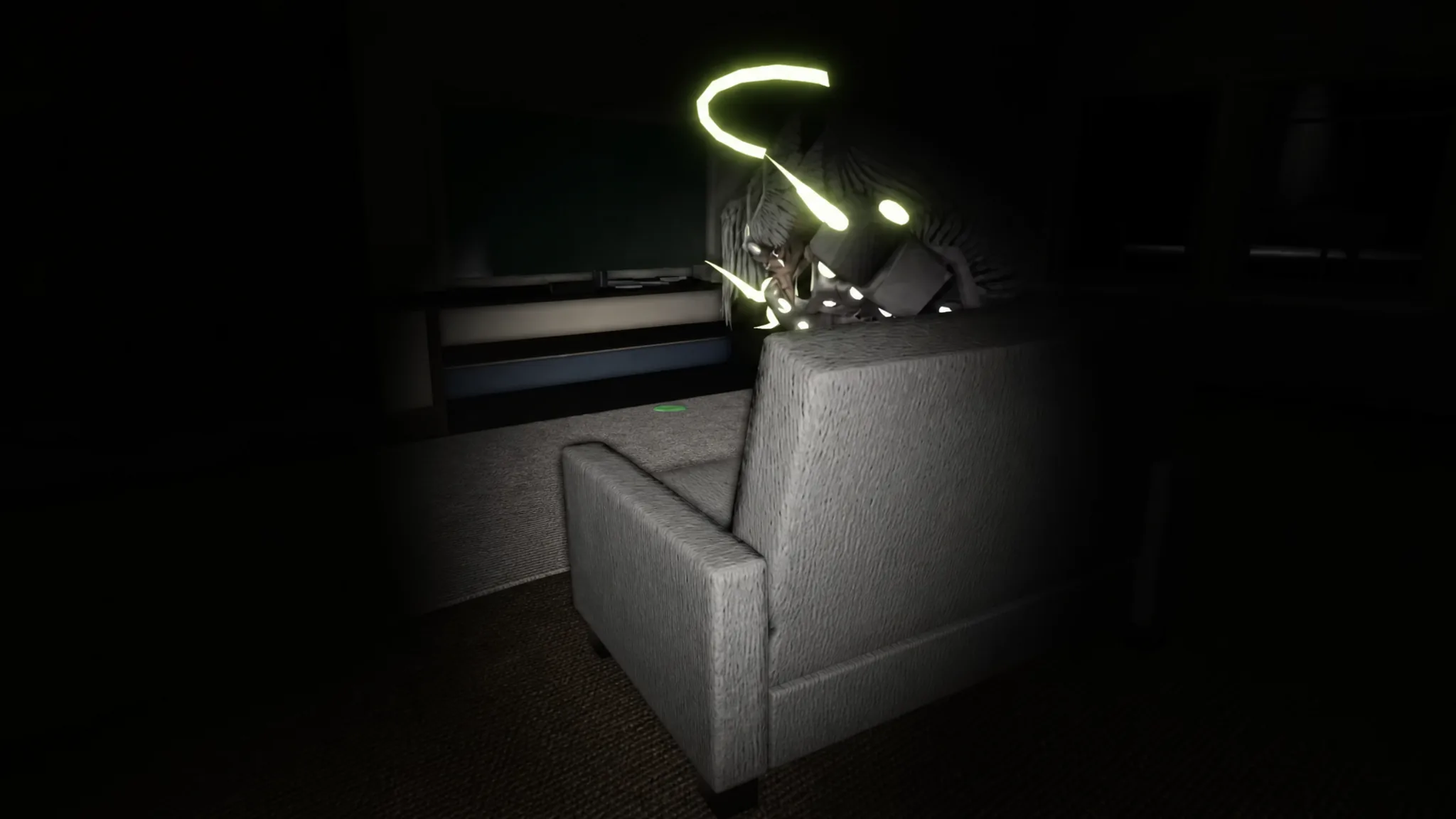
Quick answer: A hunt becomes possible once your team’s average energy drops below 85%, and the odds climb sharply as it falls toward 50% and lower. To force one instantly regardless of energy, interact with an Umbra Board and select its hide-and-seek prompt, then get to a closet or locker before the countdown ends.
What happens during a ghost hunt
When a hunt begins, the ghost lets out a scream, the lights flicker, and the front door locks so no one can leave. After that there is a grace period of about 5 seconds before the ghost fully manifests and can kill. Nightmare difficulty removes that grace period entirely, so the ghost is lethal the moment it starts.
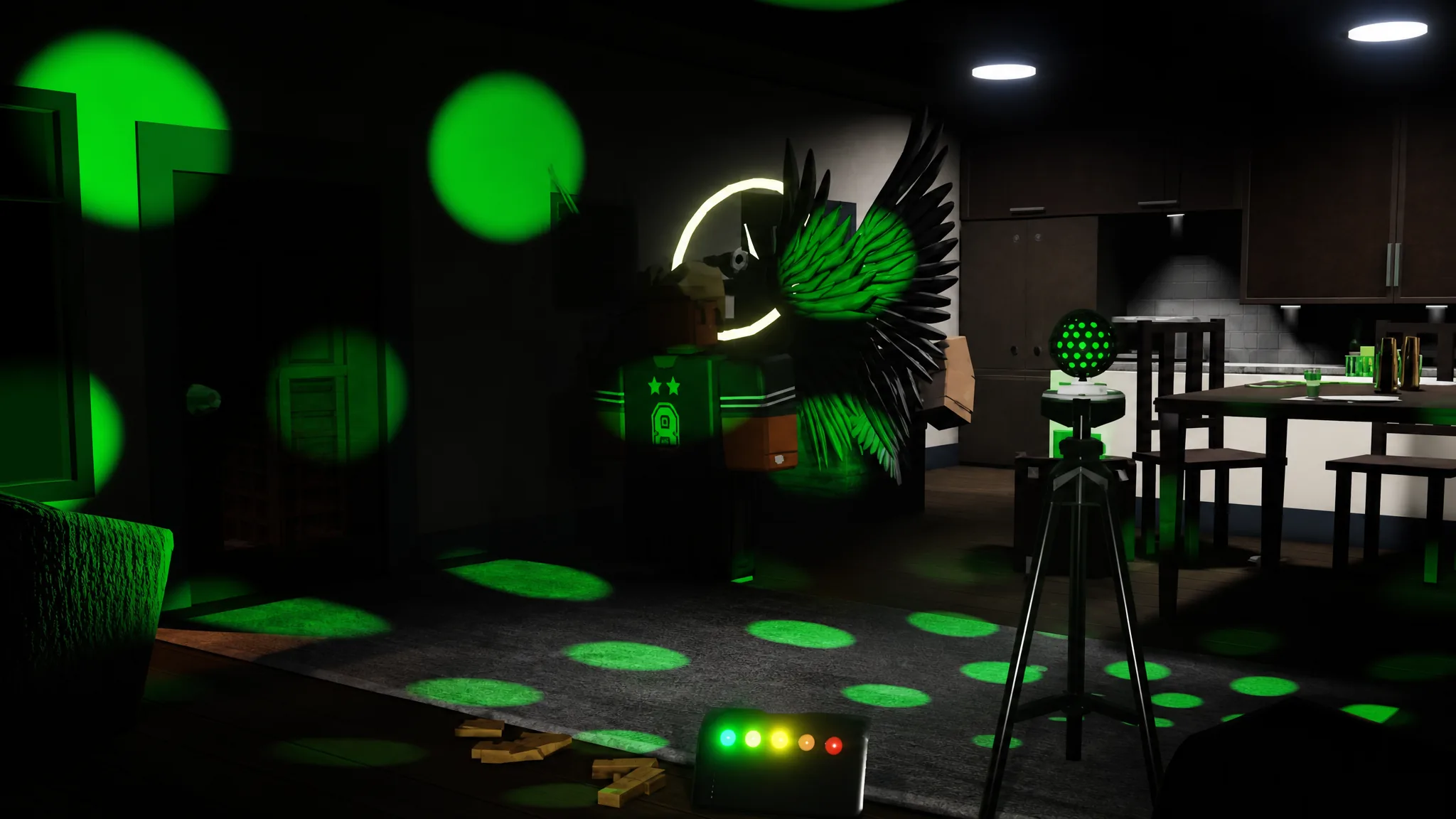
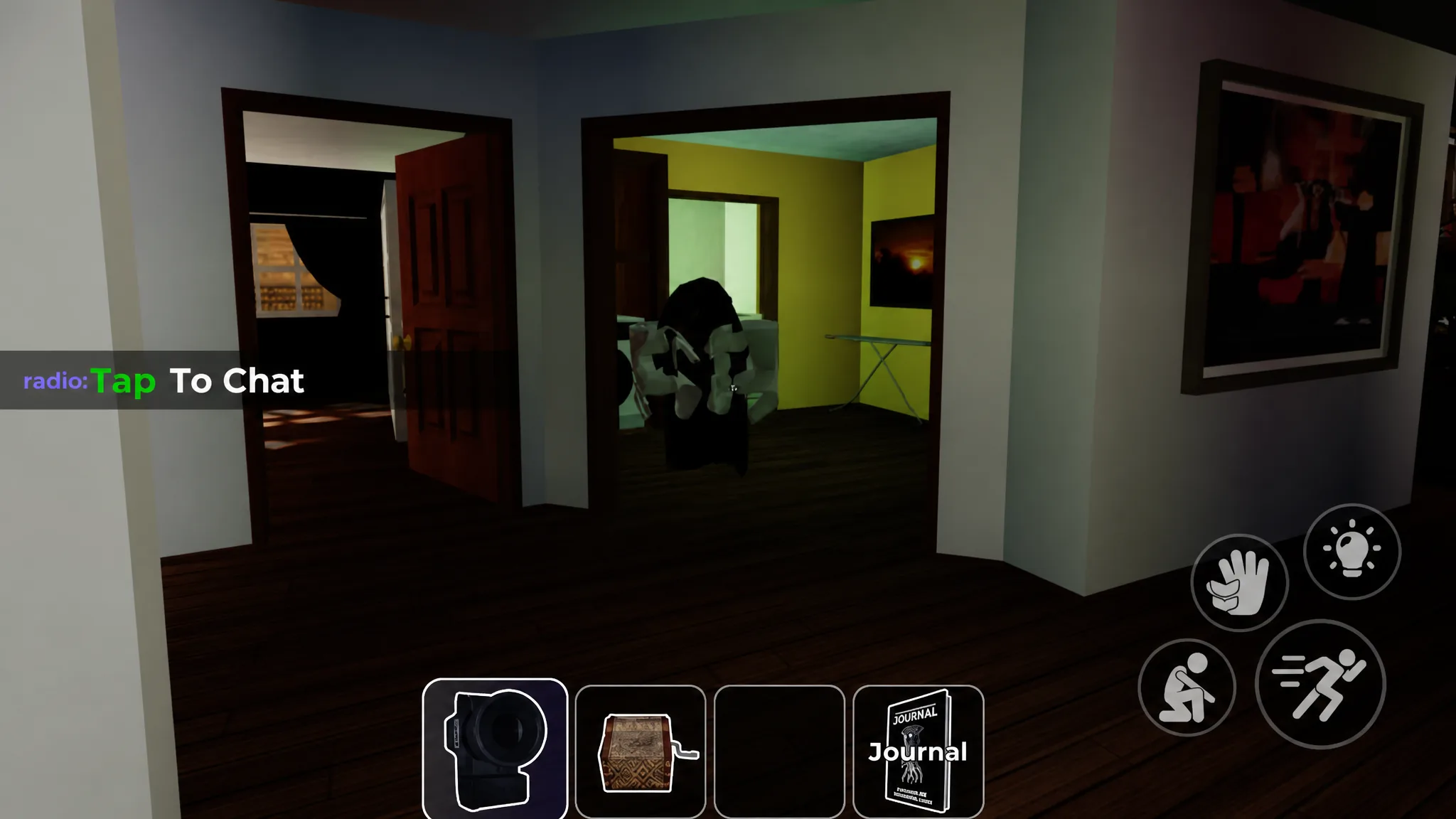
Once the ghost is active it roams the entire job site searching rooms, briefly returning to spots where it last saw someone. It blinks between visible and invisible roughly every second while moving. If it spots a player, it breaks off its path and chases the closest target. Electronics misbehave throughout: flashlights flicker, the EMF Reader spikes, and the Spirit Box cuts in and out. Radio chat also becomes garbled unless a message is sent in Local scope or you read the speaker’s chat bubble.
You can confirm a hunt has started by these signs: the entrance door locks, the lights flicker repeatedly, your flashlight starts flashing, and radio communication fails. Players using hearing accessibility get an on-screen >Ghost Scream< cue at the start. One thing the lockdown does not touch is the Ghoul, whose electronics keep working during a hunt.
How energy decides when a hunt starts
The ghost watches your team’s average energy. Hunts become possible once that average falls below 85%, and they grow more frequent and dangerous the lower it gets. Most ghosts become reliably capable of hunting once the team average sits around 50% or below, and some aggressive types can hunt earlier than that. Demons and Revenants, for example, have low hunt cooldowns and trigger more often than the rest.
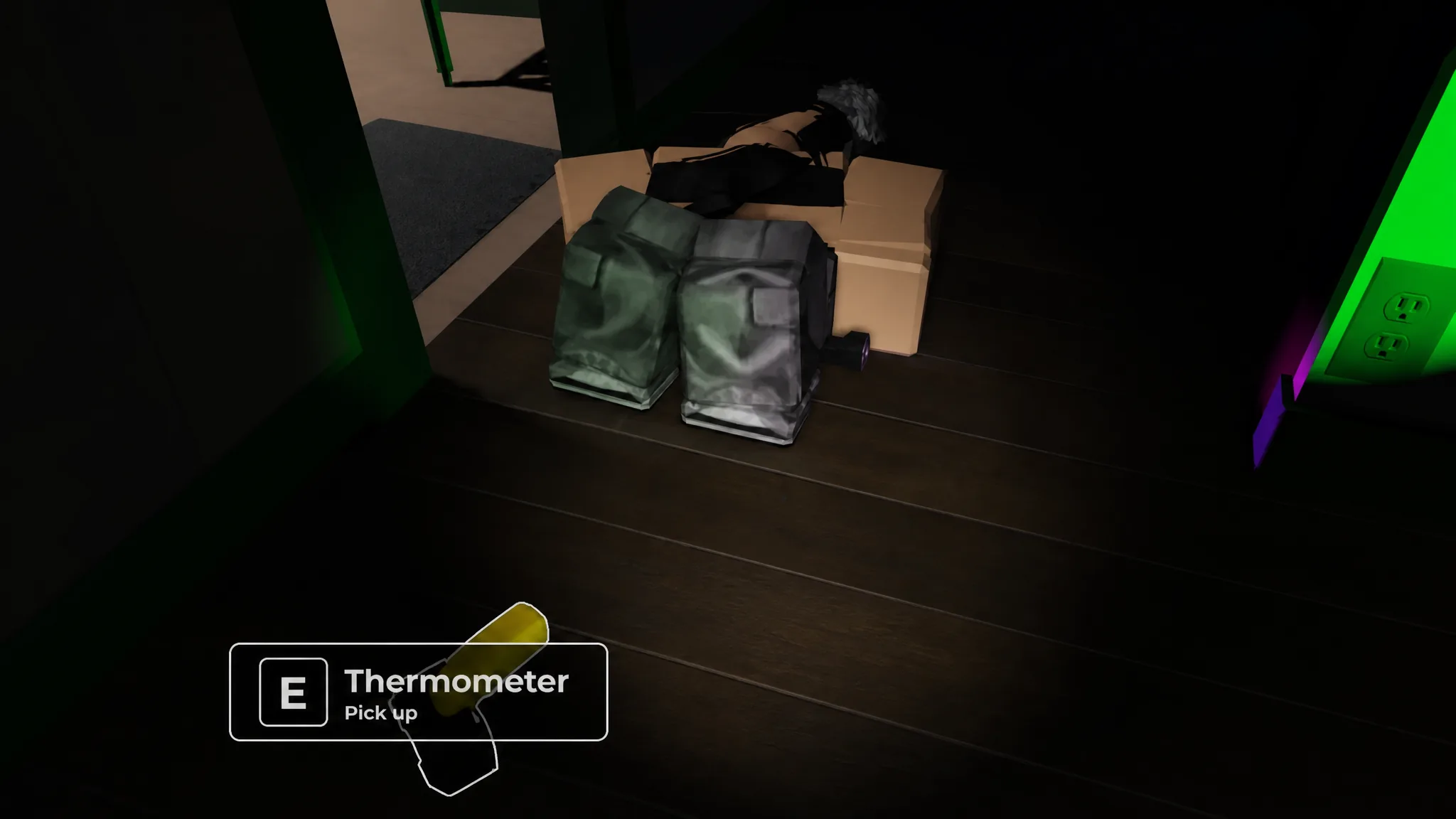
Energy drains the longer you stay inside. Dark rooms, ghost events, time spent near the ghost room, and cursed objects all speed up the drop. On Nightmare you also start at 75% energy, and the ghost room can shift mid-game, so the threshold for chaos arrives much faster.
Force a Cursed Hunt with cursed objects
If you don’t want to wait for energy to bleed out, cursed objects can trigger what the game calls a Cursed Hunt. These spawn somewhere on the site and are absent on Nightmare difficulty. Here is how the main options compare before getting into the exact steps.
| Method | Energy cost | Reliability |
|---|---|---|
| Umbra Board | None required | Very high |
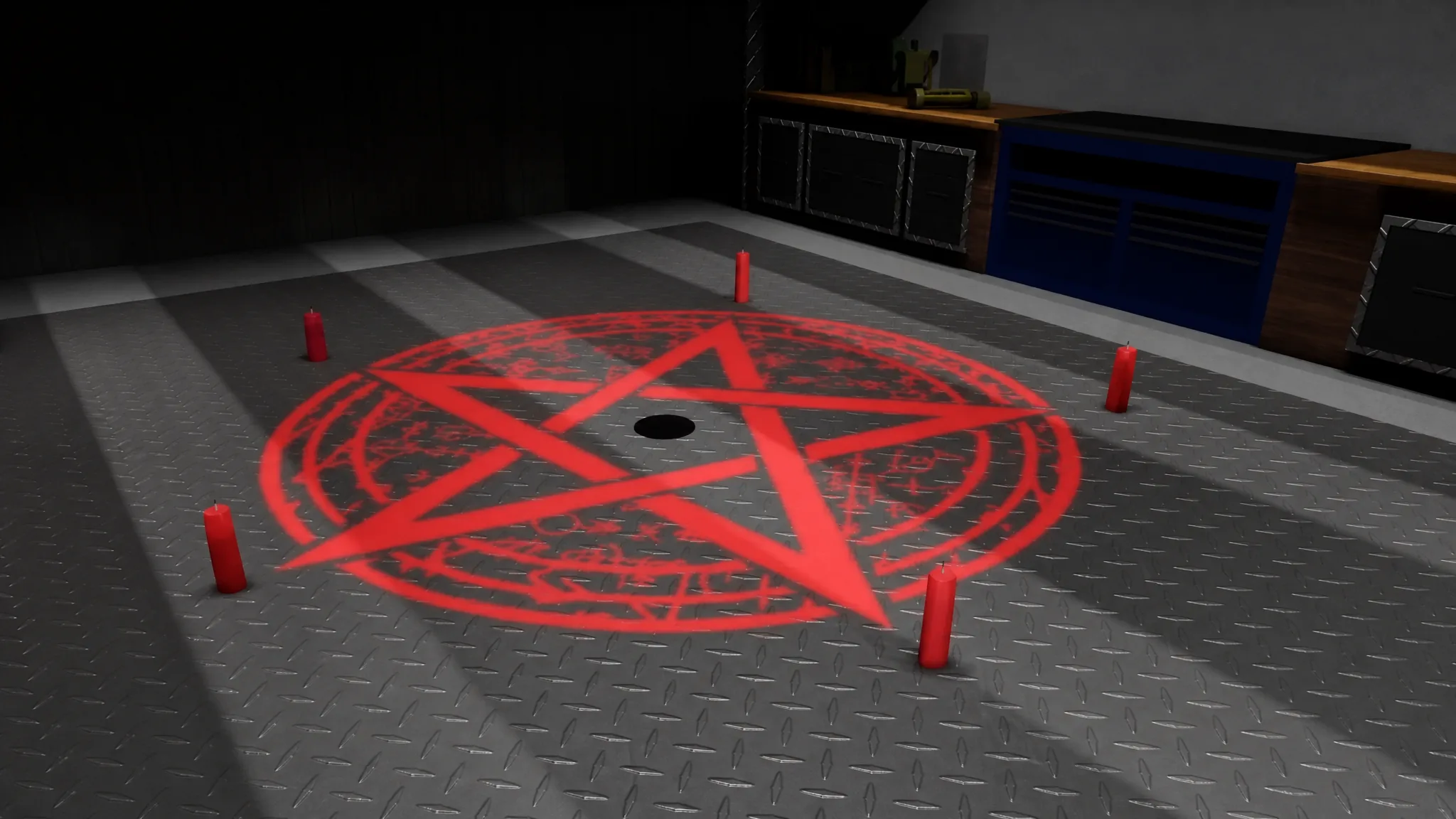
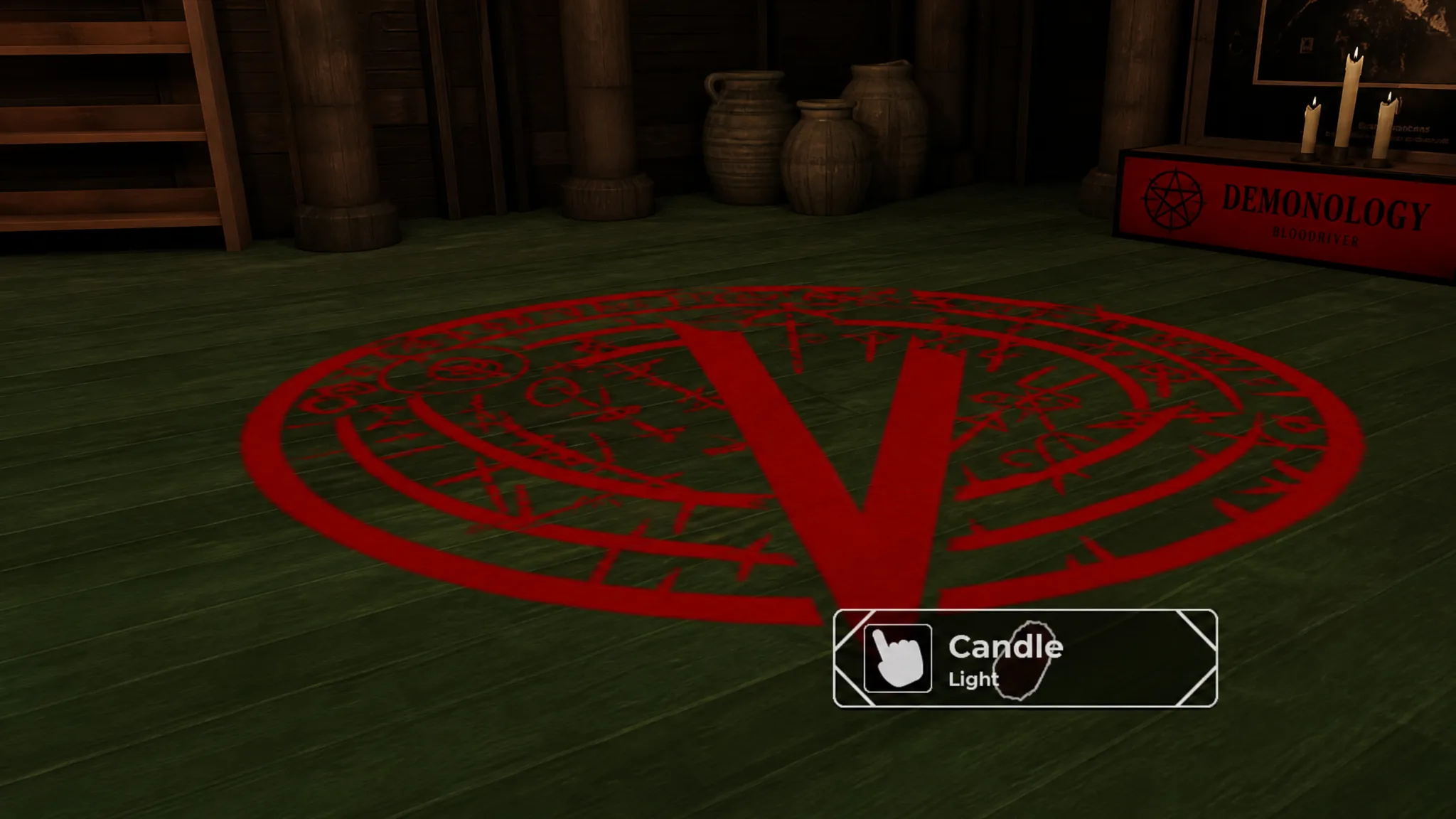
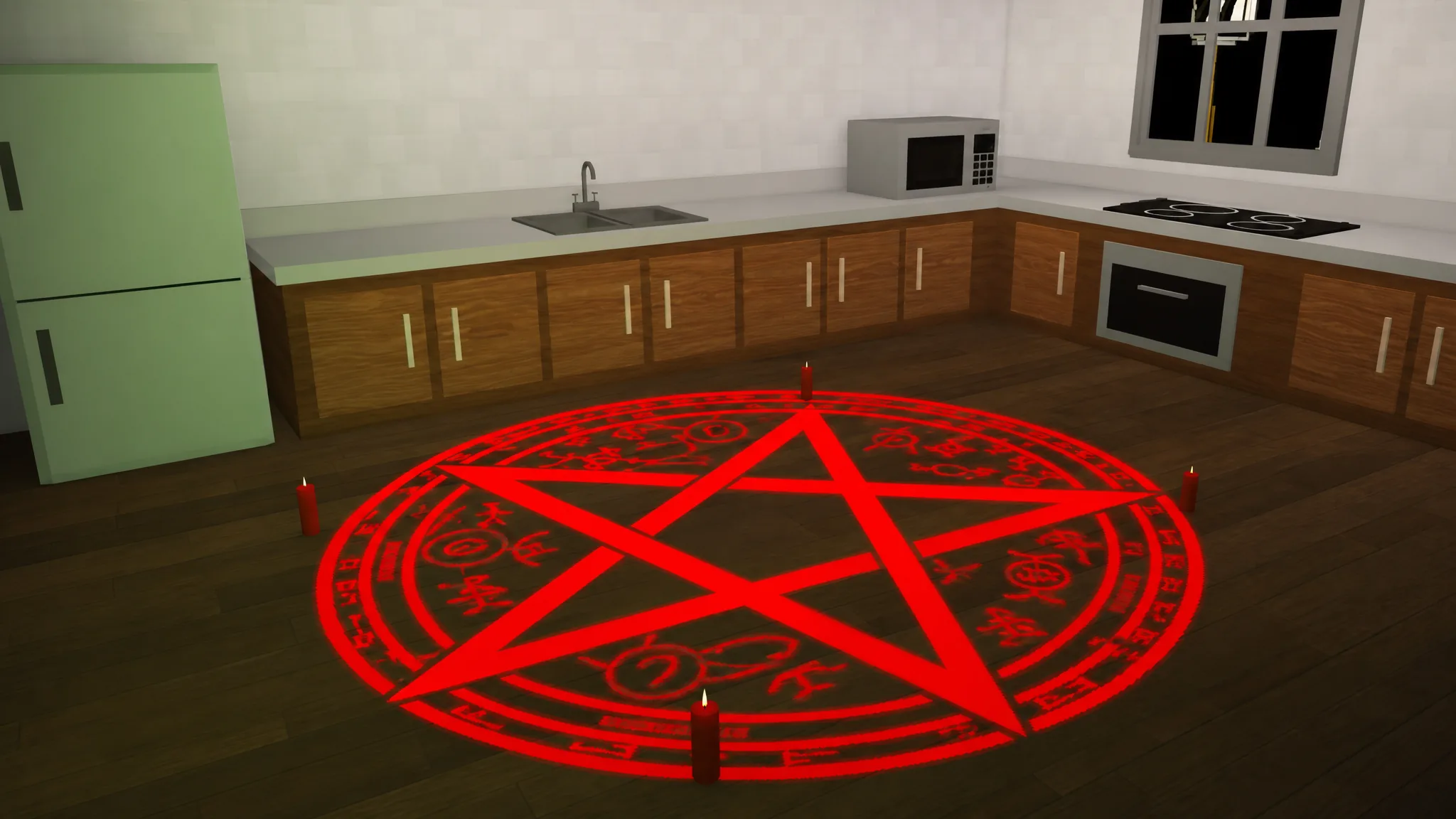
| Summoning Circle | ~50% (5 candles) | Very high |
| Music Box | Drains to zero | High |
| Fortune Teller | Drains while used | Low (random) |
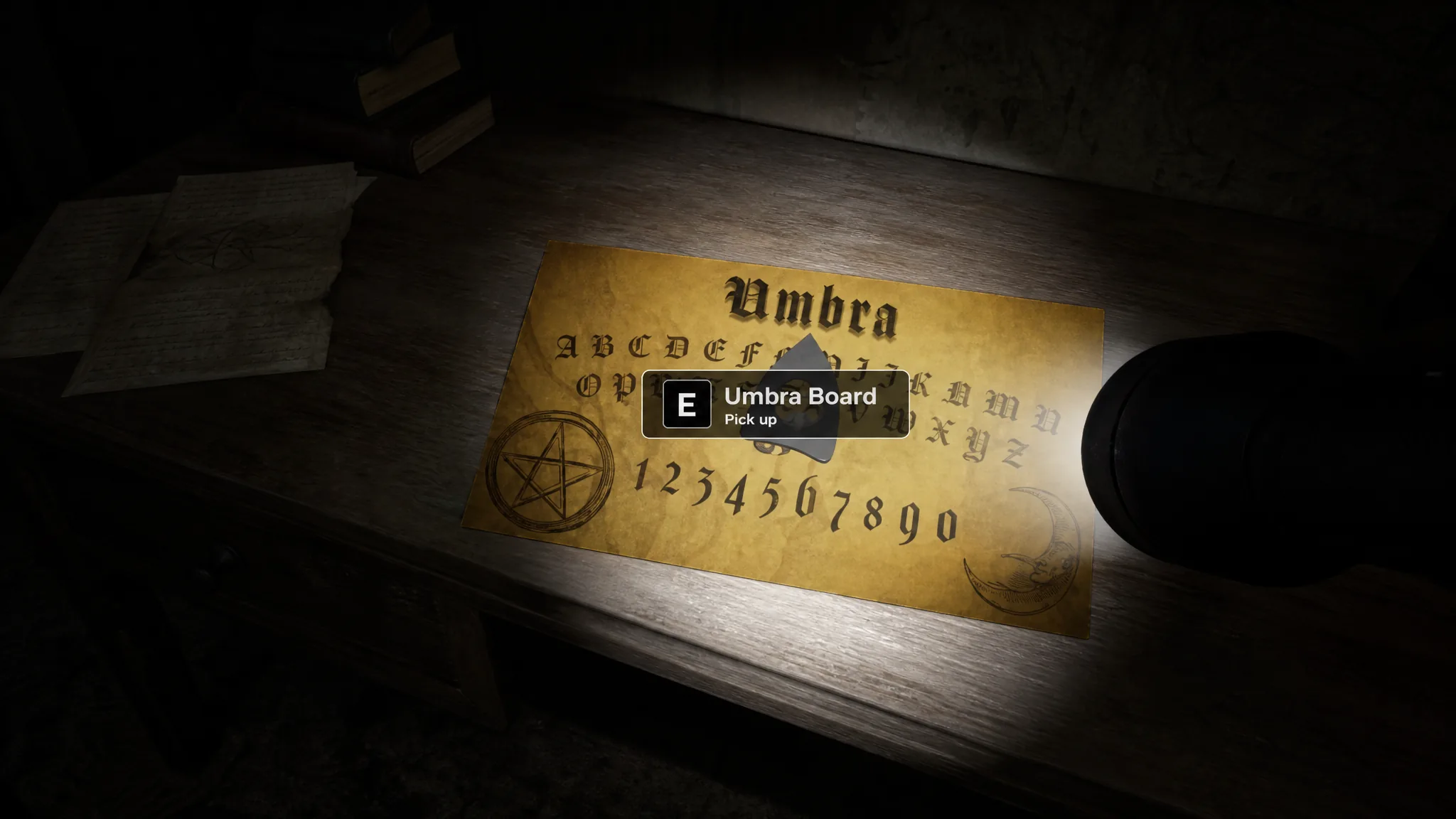
Umbra Board (most forgiving)
The Umbra Board is the best starting point because it works at any energy level.
Summoning Circle (guaranteed but costly)
The Summoning Circle always triggers a Cursed Hunt, but it eats a large chunk of energy first.
Music Box (locate the room and trigger a hunt)
The Music Box does double duty. As you carry it around the site, the ghost hums along to the tune, and the sound gets louder the closer you are to the ghost room.
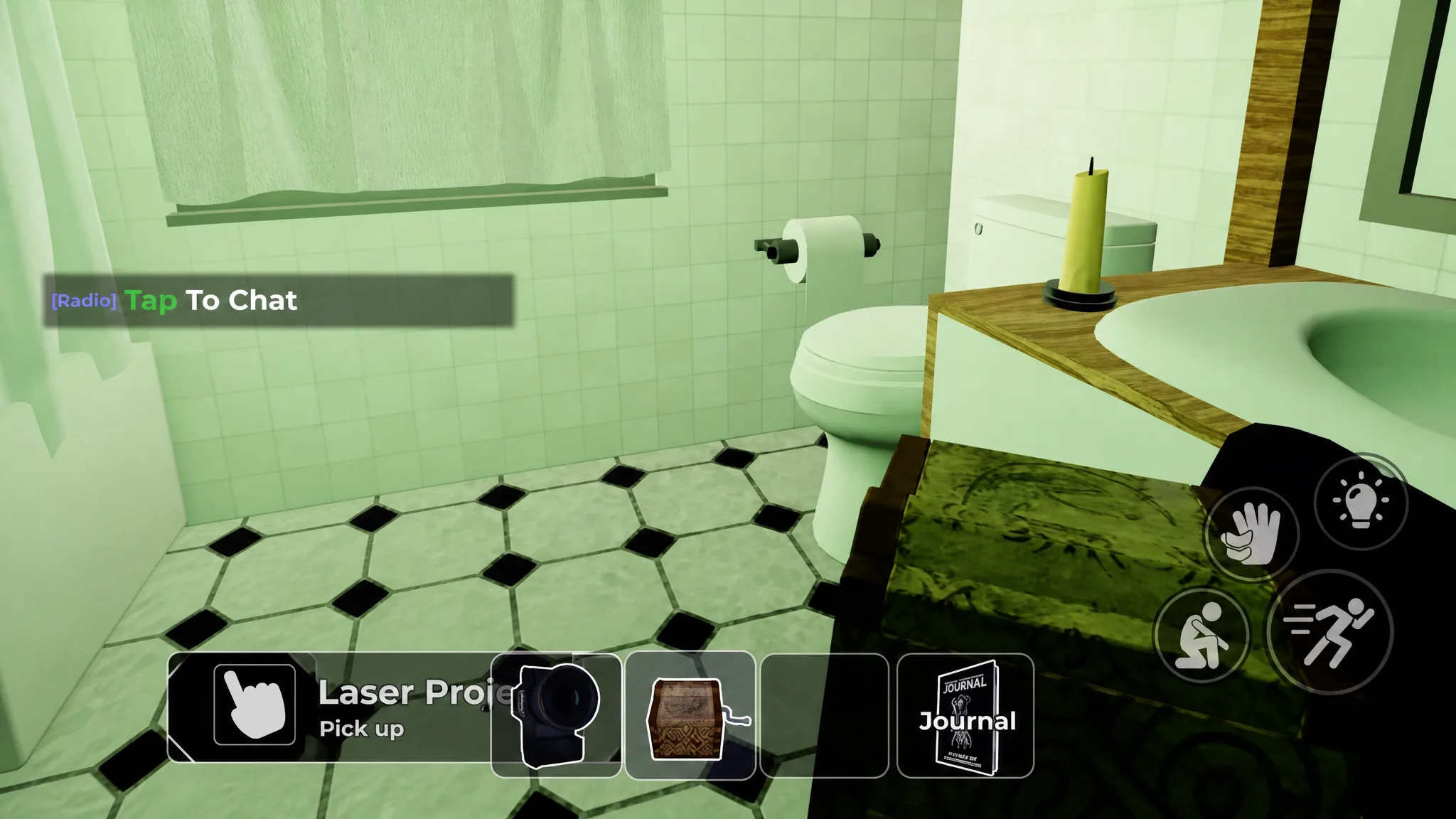
Keep using it long enough and your energy hits zero, the song reverses, and a Cursed Hunt starts immediately. It’s handy for finding the room and forcing a hunt in one go, but the hunt arrives faster than you expect, so don’t use it without an exit plan.
Fortune Teller (random chance)
The Fortune Teller hands out a random result each time you use it. One possible outcome is “They Come For You Now,” which starts a hunt shortly afterward.
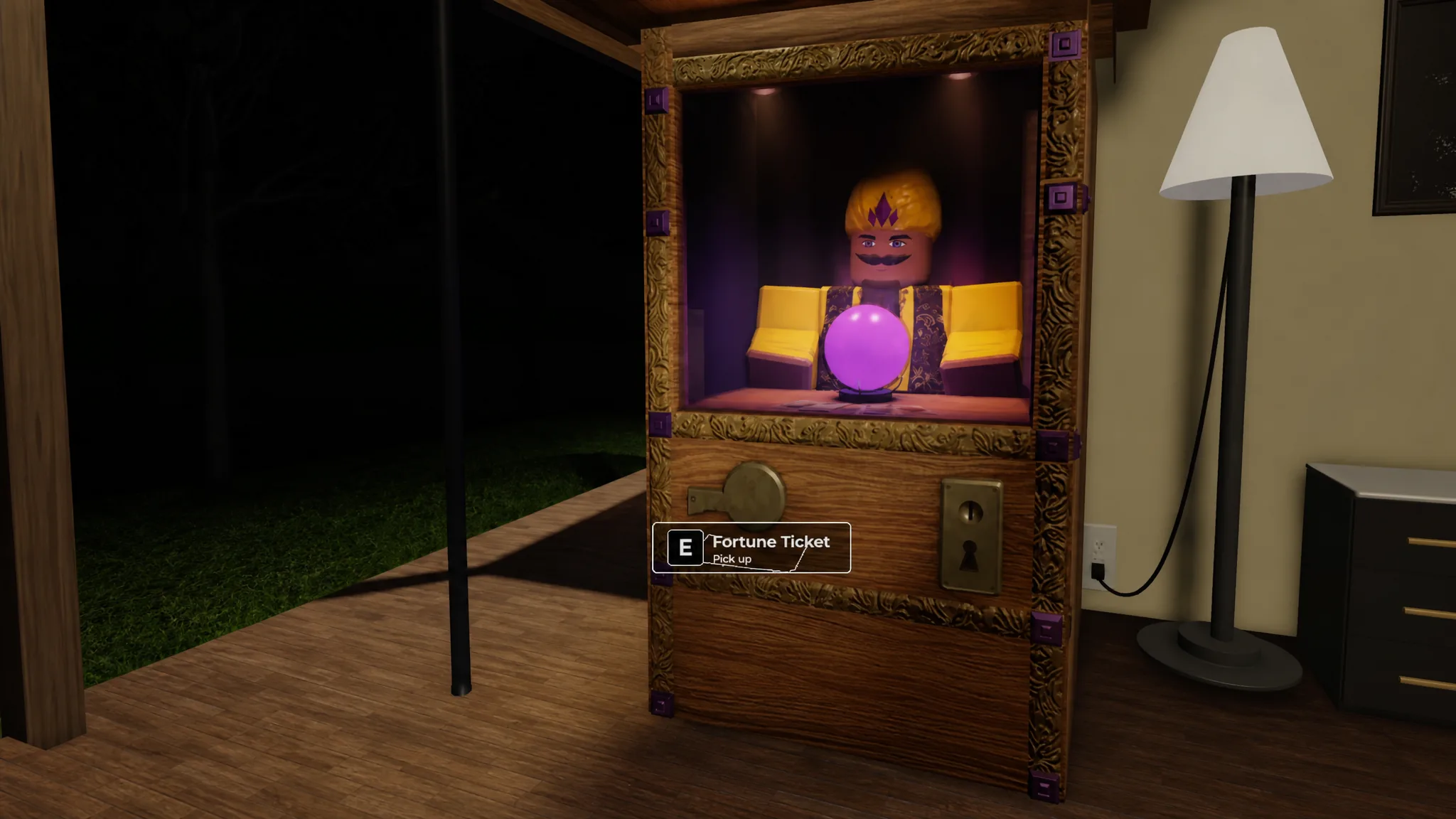
Because the result is pure chance, this isn’t a method you can count on. Use it if you’re already interacting with the object, but don’t rely on it to start a hunt when you want one.
How to survive a hunt
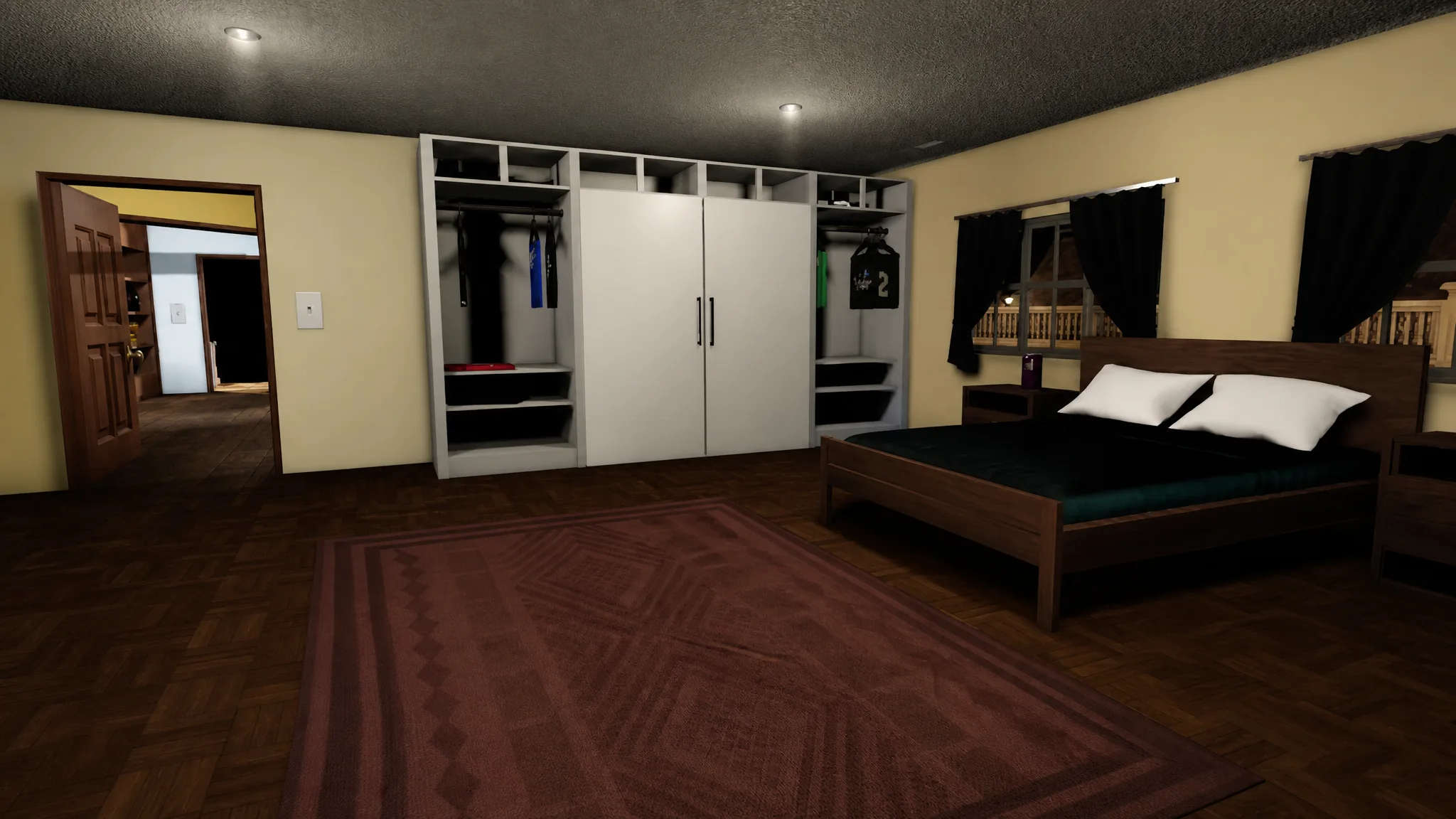
Once a hunt is on, hiding is your safest move. Closets and lockers are the best spots because being inside one blocks the ghost’s line of sight even if the door is open. Closing the door is optional, but step out at the wrong moment and you’re exposed.
If no locker is nearby, pick a room far from the ghost, shut the door, and crouch in a corner behind furniture. Stay clear of windows, since ghosts can see through them. Crouching shrinks your hitbox and helps you stay tucked behind beds, shelves, and other large objects, which the ghost won’t always check unless it already saw you.
You can also loop the ghost around furniture like a kitchen counter, couch, or bed. Lure it to one side, then sprint around and out the other before slipping into a hiding spot. Looping is risky against certain types, though. The Oni moves faster during hunts and matches a sprinting player’s speed, and the Vex has its own advantage, so don’t try to outrun either of them.
Avoid hallways and open areas where the ghost can see you from a distance, anywhere it last spotted a hunter, the ghost room (which it often returns to), and the exit door, which stays locked for the whole hunt.
Why hunts are worth triggering
Different ghost types behave in unique ways during a hunt, which makes a hunt one of the clearest identification tools in the game. Onis move faster, Entities can teleport, Phantoms blink slower than normal, and Keres actively chase the player with the lowest energy. Watching how the ghost moves and who it targets often narrows your journal down faster than evidence alone.
The takeaway is simple: the Umbra Board is the place to start because it works at any energy level and gives you time to hide, while the Summoning Circle and Music Box suit players who want a tougher challenge. Whichever route you take, know your hiding spot before the hunt begins, because once that front door locks there is no walking out until it ends.