The Steam game where you paint your white body to blend into the stage has a name that trips up a lot of new players. The word “Meccha” comes from Japanese slang, which is why it does not read the way most English speakers expect on first glance.
Quick answer: Say it as “MET-cha kuh-MEE-lee-un”. The first word rhymes loosely with “betcha,” and the second word is the standard English pronunciation of the lizard, chameleon.
Syllable breakdown of Meccha Chameleon
Split the name into two parts and stress the capitalized syllables below.
| Word | Say it like | Stress |
|---|---|---|
| Meccha | MET-cha | First syllable |
| Chameleon | kuh-MEE-lee-un | Second syllable |
How to say “Meccha”
“Meccha” comes from Japanese slang (めっちゃ) that means something like “really” or “super.” The double “cc” is not pronounced as two separate hard C sounds. Instead, it marks a short, clipped pause right before the “cha,” so the word lands as two beats, “MET” and “cha.”
Keep the first part short and snappy. Do not stretch it into “mee-cha” or “may-cha.” The vowel is a flat “eh” sound, the same one in “met” or “set.”
How to say “Chameleon”
This half is just the ordinary English word for the color-changing lizard. Say “kuh-MEE-lee-un,” with the emphasis on the “MEE” in the middle. The opening “Cha” here is a soft “kuh,” not the “cha” sound from the first word.
The two words use the “ch” letters differently. In “Meccha” it sounds like the “ch” in “cheese,” while in “Chameleon” it sounds like a hard “k.”
Common mispronunciations to avoid
- “Mecha Chameleon” (like a giant robot) drops the clipped stop and changes the word entirely.
- “Mee-cha” stretches the first vowel too long.
- “Mecca Chameleon” turns the soft “ch” into a hard “k,” which is incorrect.
Why the name fits the game
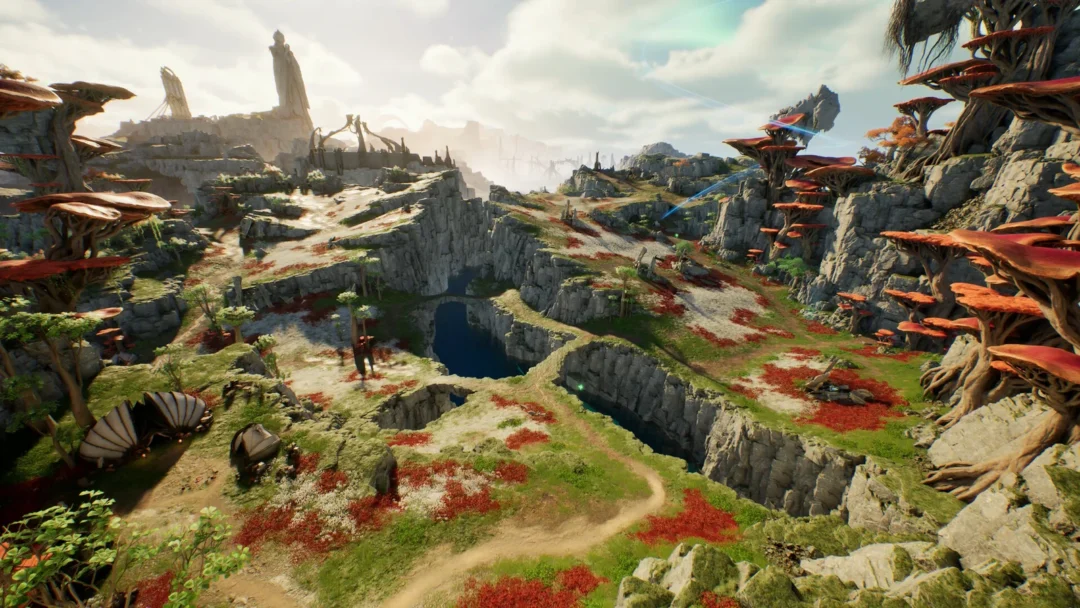
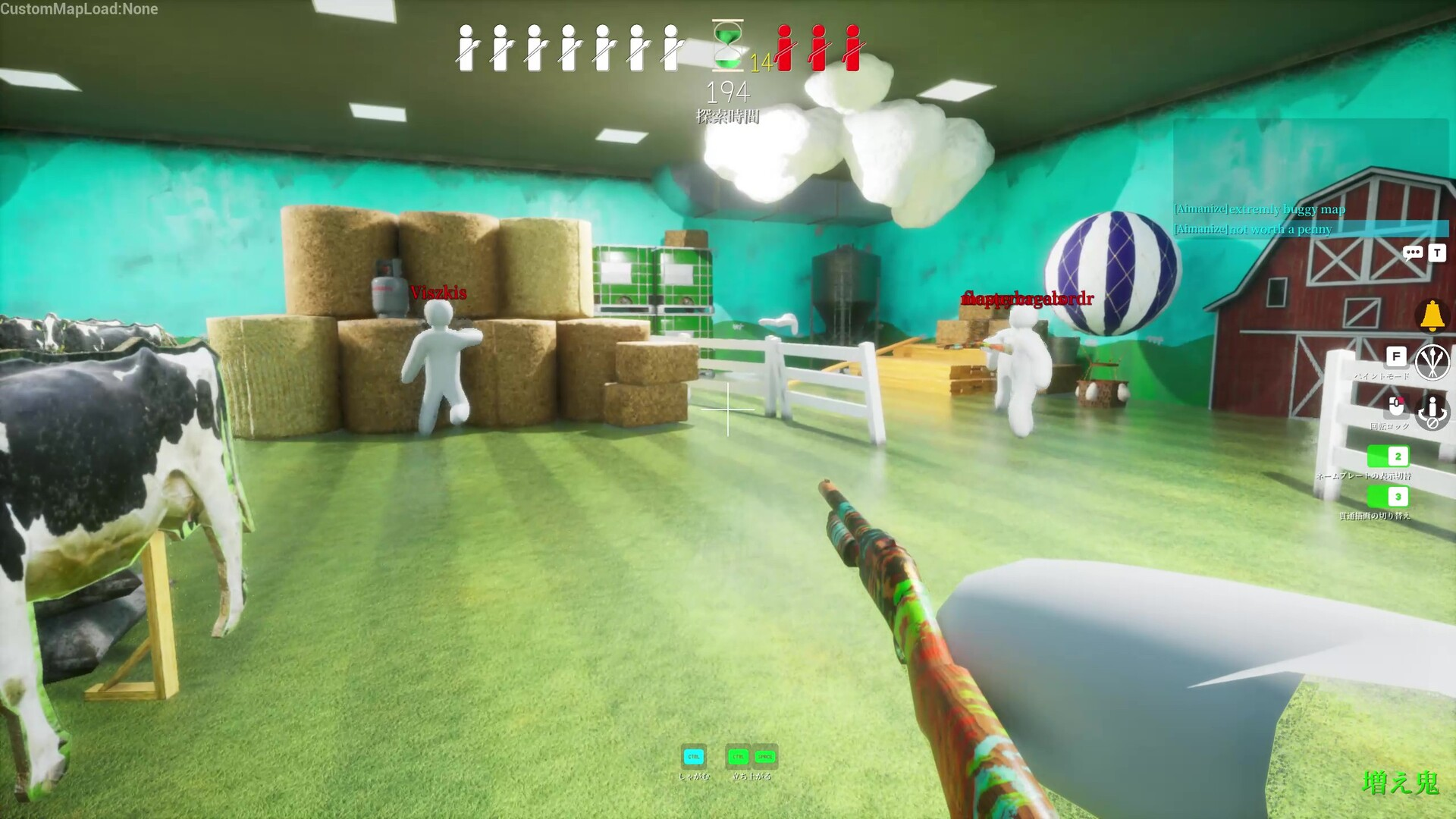
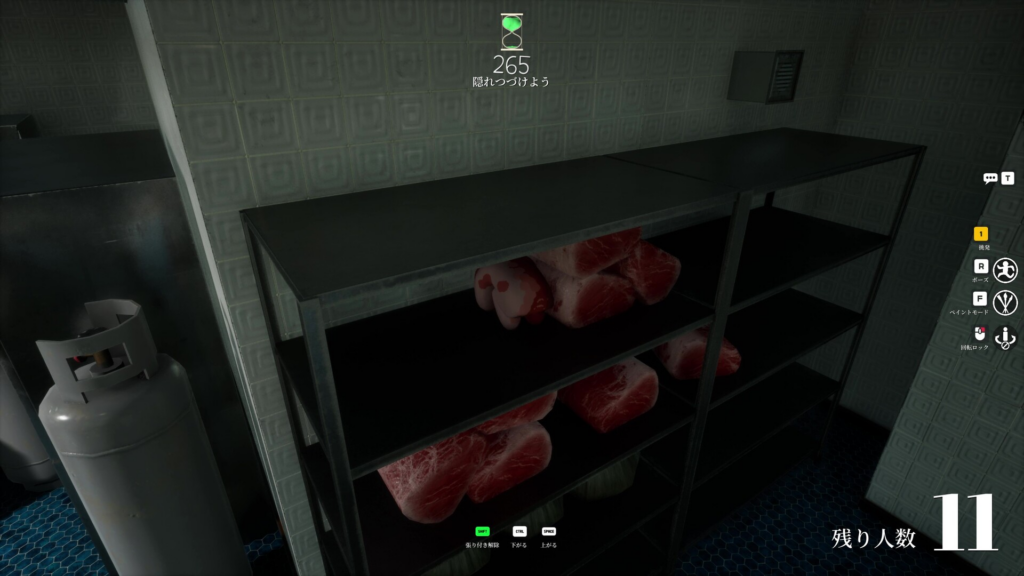
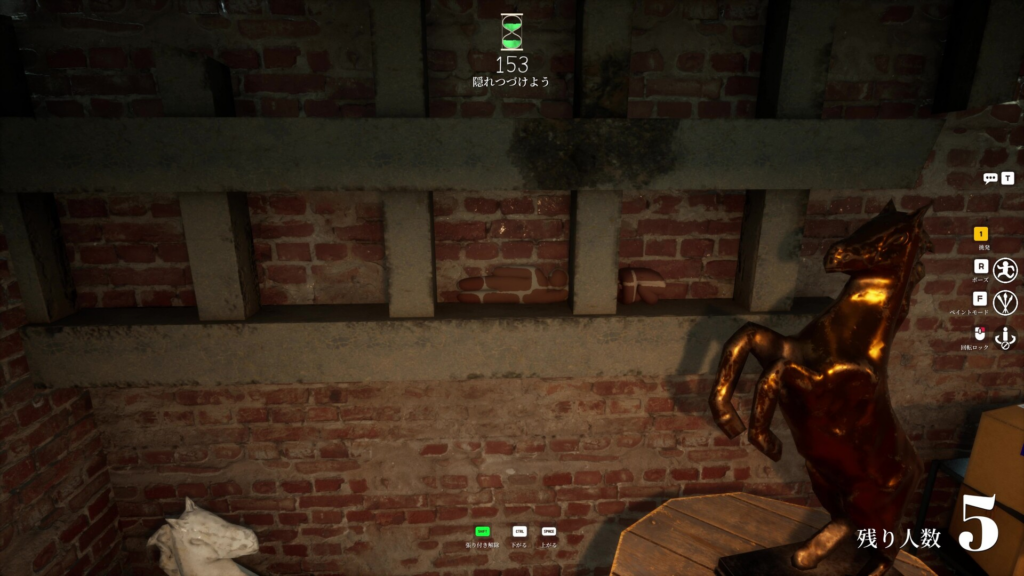
The pronunciation makes more sense once you know what the game does. MECCHA CHAMELEON is a hide-and-seek game where players split into a Seeker team and a Hider team. Hiders paint their plain white bodies to mimic the stage, copying a real chameleon, and the Seekers win if they find everyone before time runs out.
Since “meccha” means “really” or “super” in casual Japanese, the title reads as something close to “super chameleon,” which lines up with the emphasis on spot choice, pose, and artistic skill. You can grab it and confirm the spelling on its official Steam store page.