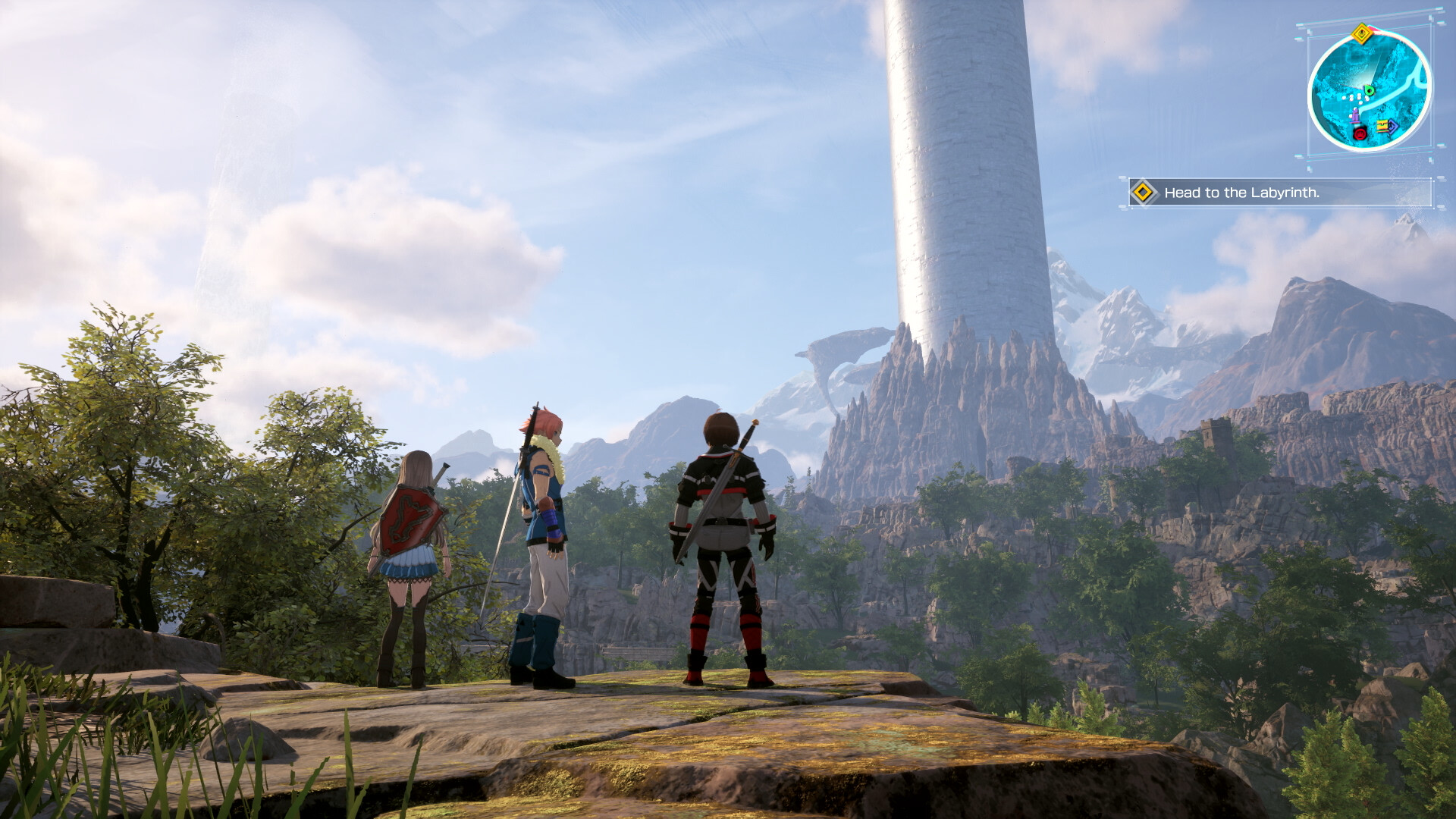
Echoes of Aincrad is not a single seamless open world. It is a hub-and-zone action JRPG where the floating castle of Aincrad is split into separate floors, each unlocked as you push through the main story. Inside those floors you get large, freely explorable areas, but the game gates your movement between them rather than dropping you into one continuous map.
Quick answer: No. Progress is tied to the main story and the Labyrinth, but once a floor is unlocked, you can wander its fields, towns, and dungeons freely and teleport back to any earlier floor at any time.
How the World Is Structured
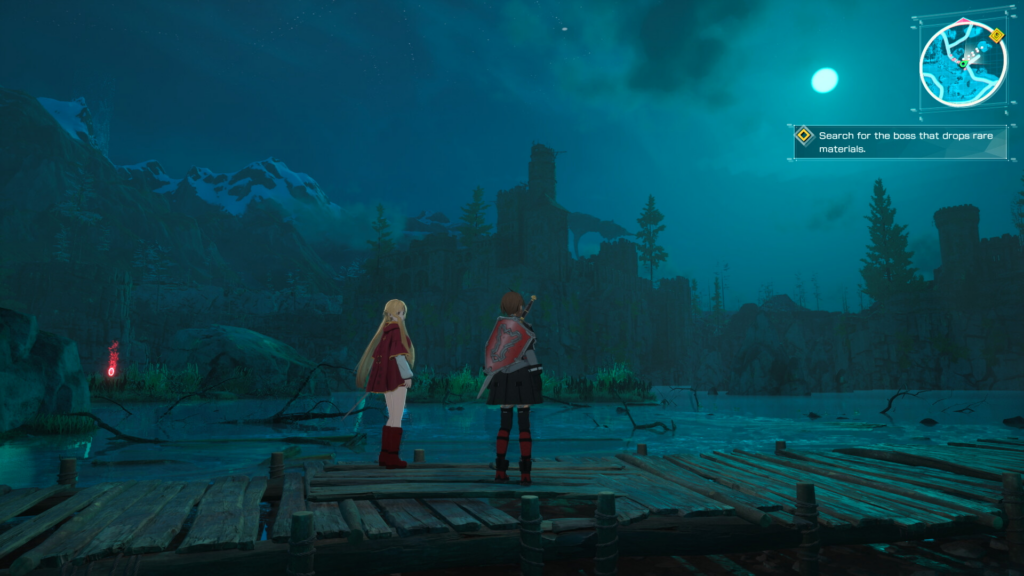
Aincrad is an immense floating castle of steel and stone made up of 100 stacked floors. Each floor is its own self-contained space with fields, forests, cities, and dungeons, and each has a distinct look and set of environmental challenges. You start trapped on the 1st Floor alongside 10,000 other players, and the only way forward is upward.
The map expands as the story unfolds. Key floors open up as fully explorable zones with towns, quests, and wilderness, while the Labyrinth acts as the gate between them. This is why the world feels large and open once you are out in a field, yet clearly divided into chapters rather than one uninterrupted overworld.
What You Can Freely Explore
The open, wander-anywhere feeling lives inside individual floors and their hubs. These are the main areas you can roam once they are unlocked.
| Location | Type | What it offers |
|---|---|---|
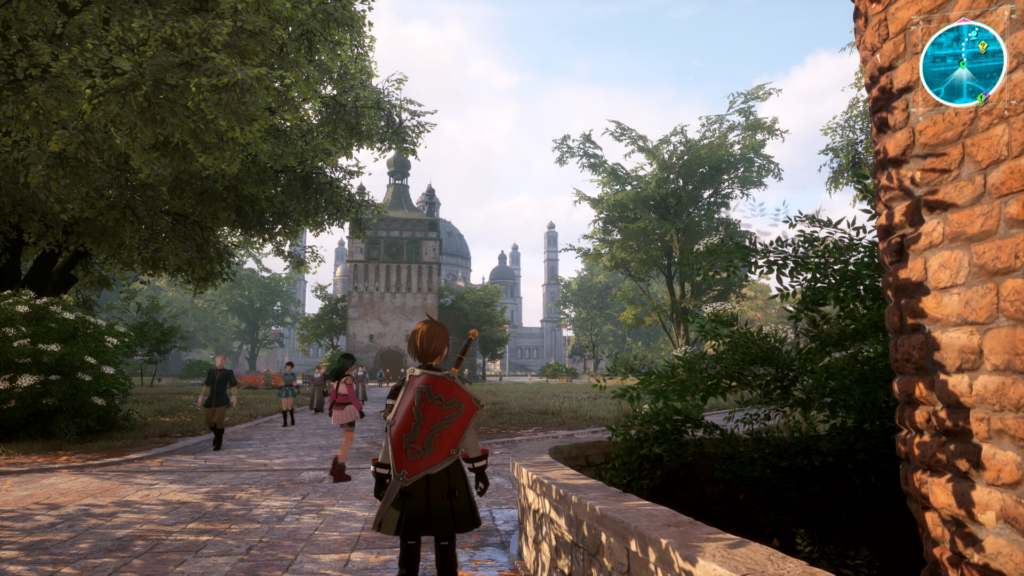
| Town of Beginnings | City hub | The largest town in Aincrad and a safe zone; smithy, shops, inn, and main quest givers |
| 1st Floor — The Plains | Field zone | Aincrad’s largest floor; open fields with boars, wolves, and wasps, plus lakes, ruins, and villages |
| 2nd Floor — The Savanna | Field zone | Golden grasslands, plateaus, and caves with ore deposits; introduces giant cow-type monsters |
| Citadel Ruins | Dungeon | Underground fortress with a procedurally shifting layout, traps, guardians, and rare loot |
| Tolbana | City hub | A smaller mid-game town of culture with specialty vendors and higher-tier crafting |
| Labyrinth | Key location | The tower connecting floors; cleared floor-by-floor to unlock passage upward |
Fields like the Plains reward thorough exploration. Hidden caves, fishing spots, treasure caches, and side quests sit off the main path, so mapping a floor yourself matters more than following the story marker.
How Floors Unlock and Why It Feels Gated
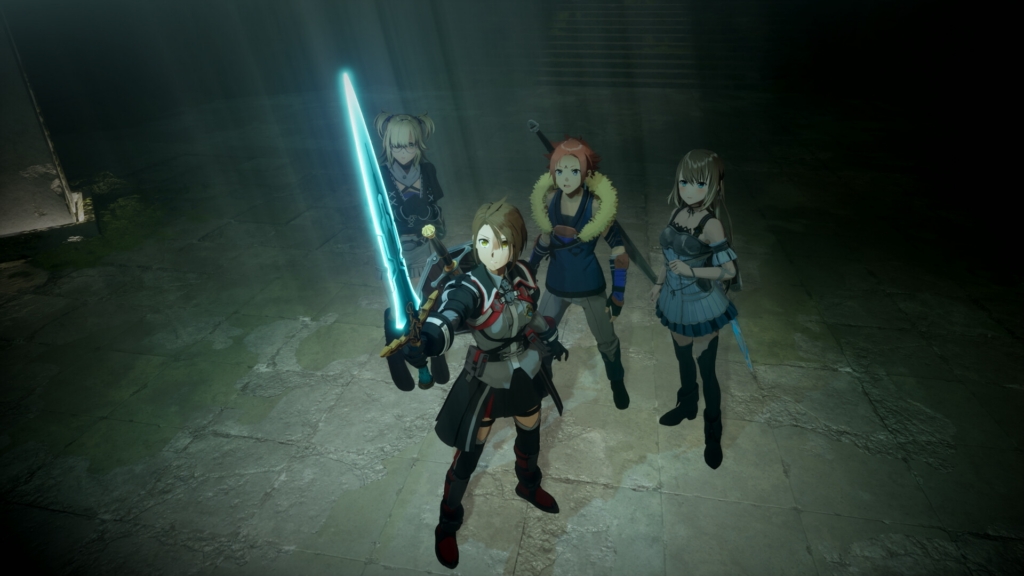
Floor progression is locked to the main story. To move up, you enter the Labyrinth, called the Tower of Heaven in-world, and clear its enemies, traps, and puzzles floor by floor. Each stretch ends in a boss room, and defeating that guardian is what unlocks the next floor of Aincrad. There is no other way to ascend.
That structure is the reason the opening hours can feel linear. Early quests and the tutorial run through tighter, guided spaces before the game hands you a full floor to explore. The step up in danger between floors is real too, so the game funnels you back to town to upgrade gear before it lets the next area open up.
Backtracking and the Teleport Network
Once a floor is unlocked, it stays open to you. A teleport gate network lets you jump back to any floor you have already reached, so revisiting vendors, mopping up missed side quests, and farming resources from earlier zones is always available.
Returning to town is also a functional necessity, not just an option. Accepting quests, upgrading weapons and armor at the smithy, and adjusting difficulty all require being in a settlement like the Town of Beginnings or Tolbana. Treat those hubs as your base between expeditions.
Dungeons Change the Rules
The Citadel Ruins and the Labyrinth are the sharpest departure from open-field play. The Ruins reshuffle their layout every time you enter thanks to elven magic, so no two runs are the same, and enemy density in both is far higher than out in the fields.
For those areas, bring your AI partner with suitable tactics, support skills, and upgraded gear. Co-op with your partner is treated as essential rather than optional once you leave the open zones behind.
So the honest label is a story-driven action JRPG with large explorable floors, not a fully open world. You get freedom to roam and backtrack within and across unlocked floors, but the castle opens one story-gated layer at a time, with the Labyrinth standing between you and everything above.