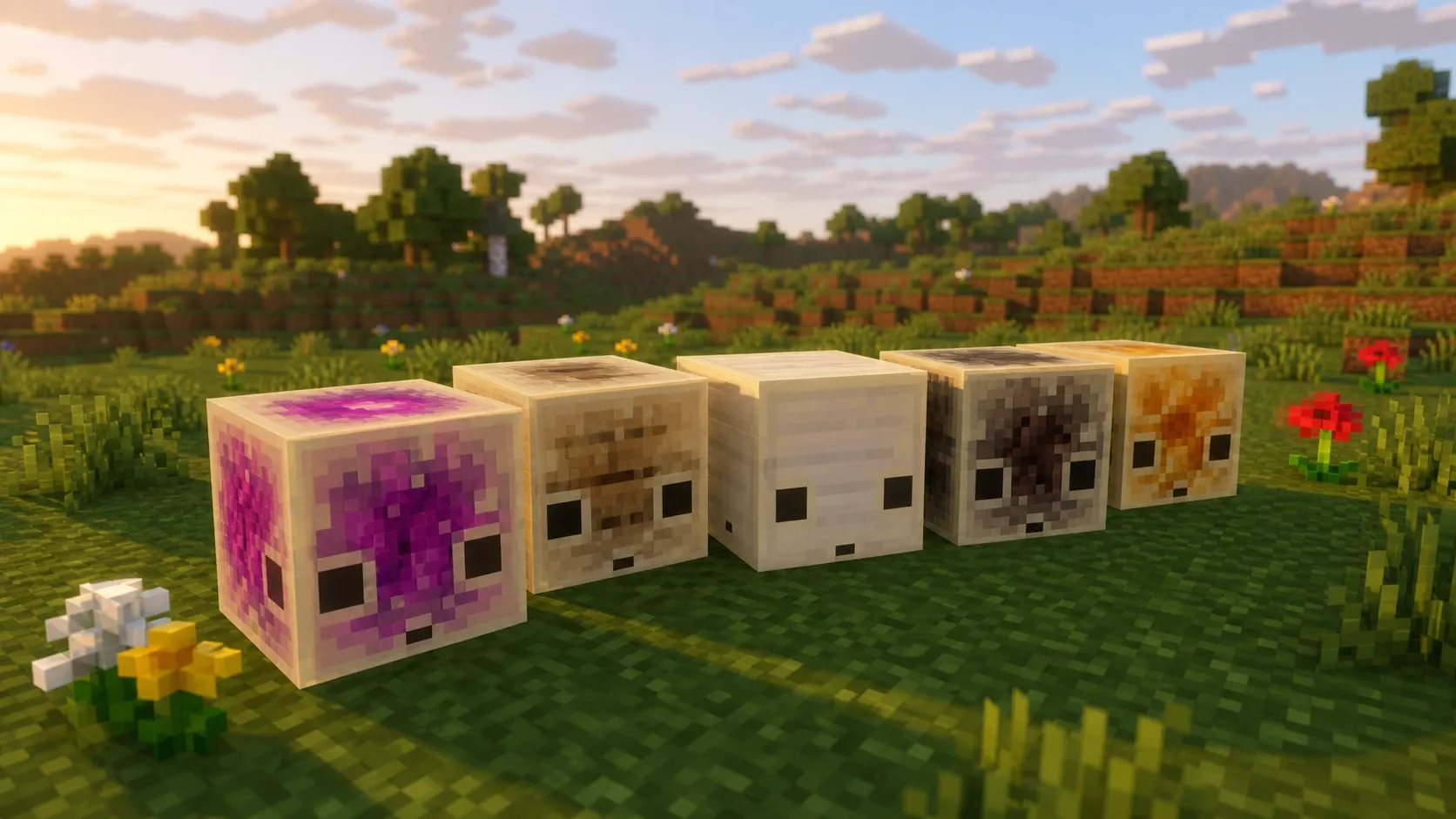
The Sulfur Cube is the standout mob coming in Minecraft’s Chaos Cubed drop, and it does something no other creature does. It swallows a full-sized block and then behaves like that material, changing how it bounces, slides, floats, and resists being knocked around. Each set of physics values is called an archetype, and the block you feed the cube decides which one it gets.
Everything here is based on the Minecraft 26.2 snapshots and Bedrock previews. The Sulfur Cube is still experimental, so values and block assignments can change before the update ships.
What a Sulfur Cube archetype actually is
An archetype is a physics preset applied to the mob the moment it absorbs a specific block. It controls four things: knockback resistance, bounciness, a friction modifier, and an air drag modifier. It also decides whether the cube floats or sinks in water.
Large Sulfur Cubes can absorb a block dropped on the ground, follow you while you hold an applicable block, or be loaded by a dispenser. Once a block is inside, the cube stops moving on its own and takes higher knockback from hits instead of damage. Small Sulfur Cubes cannot absorb anything.
Archetypes split into two groups. Standard ones only change movement. Special ones add an extra behavior, such as exploding or burning nearby entities. The special set currently includes Explosive, Hot, High Resistance, and Sticky.
Sulfur Cube archetype stats reference
Here are the attribute values for every archetype, including its real-world nickname where one exists.
| Archetype | Knockback resist | Bounciness | Friction | Air drag | Floats |
|---|---|---|---|---|---|
| Regular (Football) | -1.0 | 0.5 | 0.3 | 0.1 | Yes |
| Bouncy (Rubber Ball) | -2.0 | 0.9 | 0.3 | 0.01 | Yes |
| Slow Flat (Medicine Ball) | 0.7 | 0.2 | 0.3 | 0.1 | No |
| Fast Flat (Golf Ball) | -2.0 | 0.2 | 0.1 | 0.01 | No |
| Light (Beach Ball) | -1.0 | 1.0 | 0.3 | 1.8 | Yes |
| Fast Sliding (Hockey Puck) | 0.5 | 0.1 | 0.05 | 0.01 | No |
| Slow Sliding (Curling Stone) | 0.8 | 0.1 | 0.05 | 0.01 | No |
| High Resistance | 0.7 | 0.2 | 1.0 | 0.01 | No |
| Sticky | -2.0 | 0.0 | 2.0 | 0.01 | No |
| Explosive | -1.0 | 0.5 | 0.3 | 0.3 | Yes |
| Hot | -1.0 | 0.5 | 0.3 | 0.1 | Yes |
| Slow Bouncy | 0.4 | 0.6 | 0.3 | 0.05 | Yes |
Lower knockback resistance means the cube launches more easily when you hit it. Higher bounciness sends it further off surfaces. A lower friction modifier makes it slide more, and a higher air drag modifier slows it down faster while airborne.
Blocks that trigger each archetype
The block inside the cube is the only thing that sets its archetype. Some assignments differ between Java and Bedrock, mainly for Resin and a few organic blocks.
| Archetype | Trigger blocks |
|---|---|
| Bouncy | Planks, Bamboo Mosaic, Logs, Stripped Logs, Wood, Stripped Wood, Block of Bamboo, Block of Stripped Bamboo, plus Resin blocks/bricks on Bedrock |
| Fast Flat | Coral and Dead Coral Blocks, Sponge, Wet Sponge, Dried Kelp Block, Moss Block, Pale Moss Block, Pumpkin, Carved Pumpkin, Melon, Hay Bale, Froglights, plus Jack o’Lantern and Resin on Java |
| Slow Flat | Iron, Gold, Copper, Netherite blocks, raw metal blocks, their ores, Cut Copper, Chiseled Copper, and Ancient Debris (Java) |
| Light | Any color of Wool |
| Fast Sliding | Blue Ice, Packed Ice, Snow Block, and Ice (Bedrock) |
| Slow Sliding | Brown and Red Mushroom Blocks, Mushroom Stem, Mycelium, Nether Wart Block, Warped Wart Block, Shroomlight |
| High Resistance | Soul Sand, Soul Soil |
| Sticky | Honeycomb Block |
| Explosive | TNT |
| Hot | Magma Block |
| Slow Bouncy | Any stone-like block (stone, concrete, brick, ore variants) |
| Regular | Any block not assigned above, including dirt and sand |
Standard archetypes
Regular (Football)
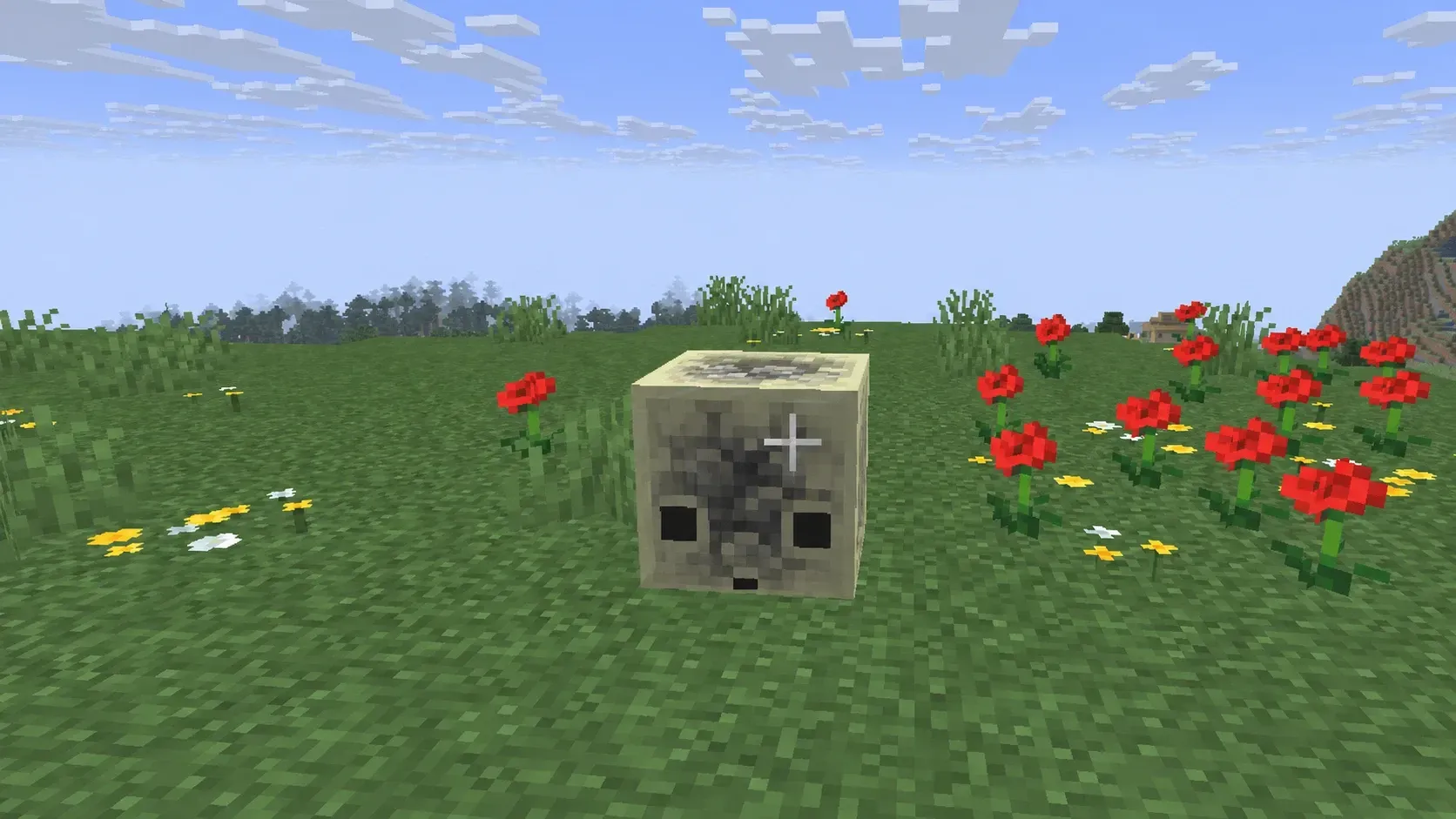
This is the default behavior, triggered by any block that isn’t tied to another archetype, including dirt, sand, and most mineral blocks. The cube has medium speed, medium bounce, and low air drag, so it stays easy to predict and control. It also floats, which makes it handy for water builds.
Bouncy (Rubber Ball)
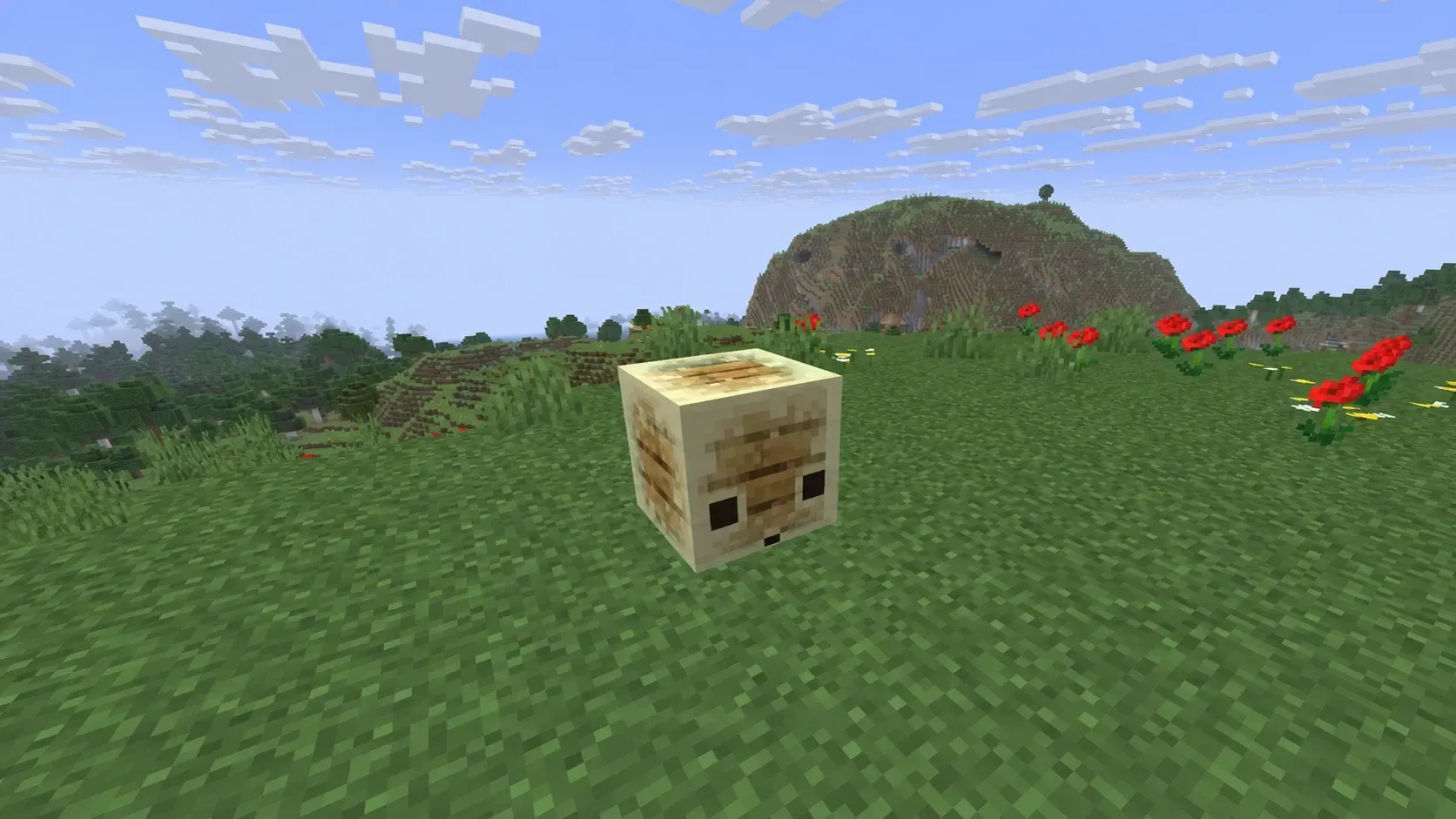
Feed the cube wood, planks, stripped wood, or bamboo and it becomes extremely elastic. With -2.0 knockback resistance and 0.9 bounciness, a single hit sends it flying and ricocheting off walls. It floats too, so it works well for pinball-style contraptions.
Slow Flat (Medicine Ball)
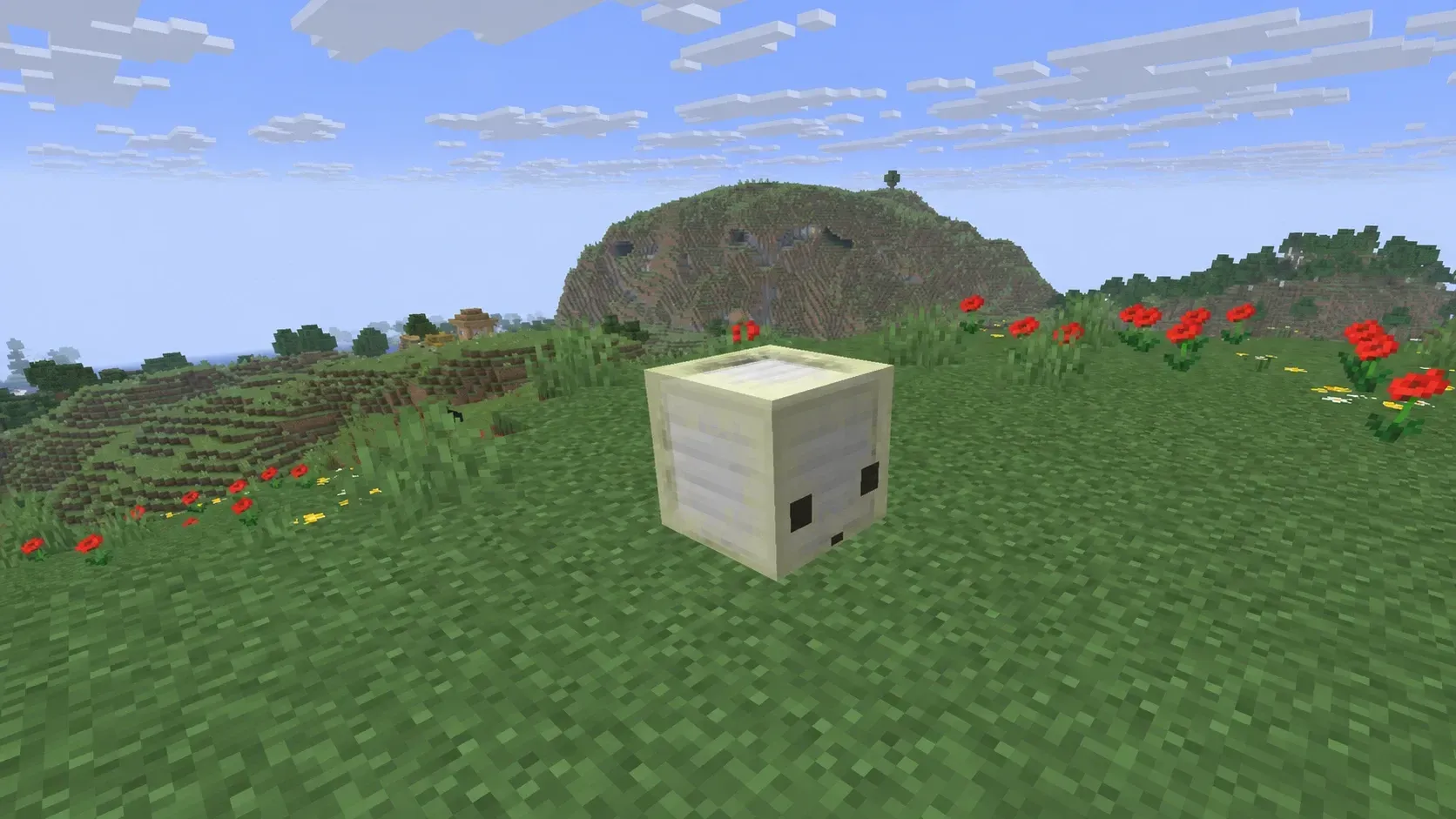
Iron, gold, copper, and netherite blocks make the cube heavy and grounded. It barely bounces, travels only a short distance when pushed, and sinks straight to the bottom in water. Use it as a stationary obstacle rather than a projectile.
Fast Flat (Golf Ball)
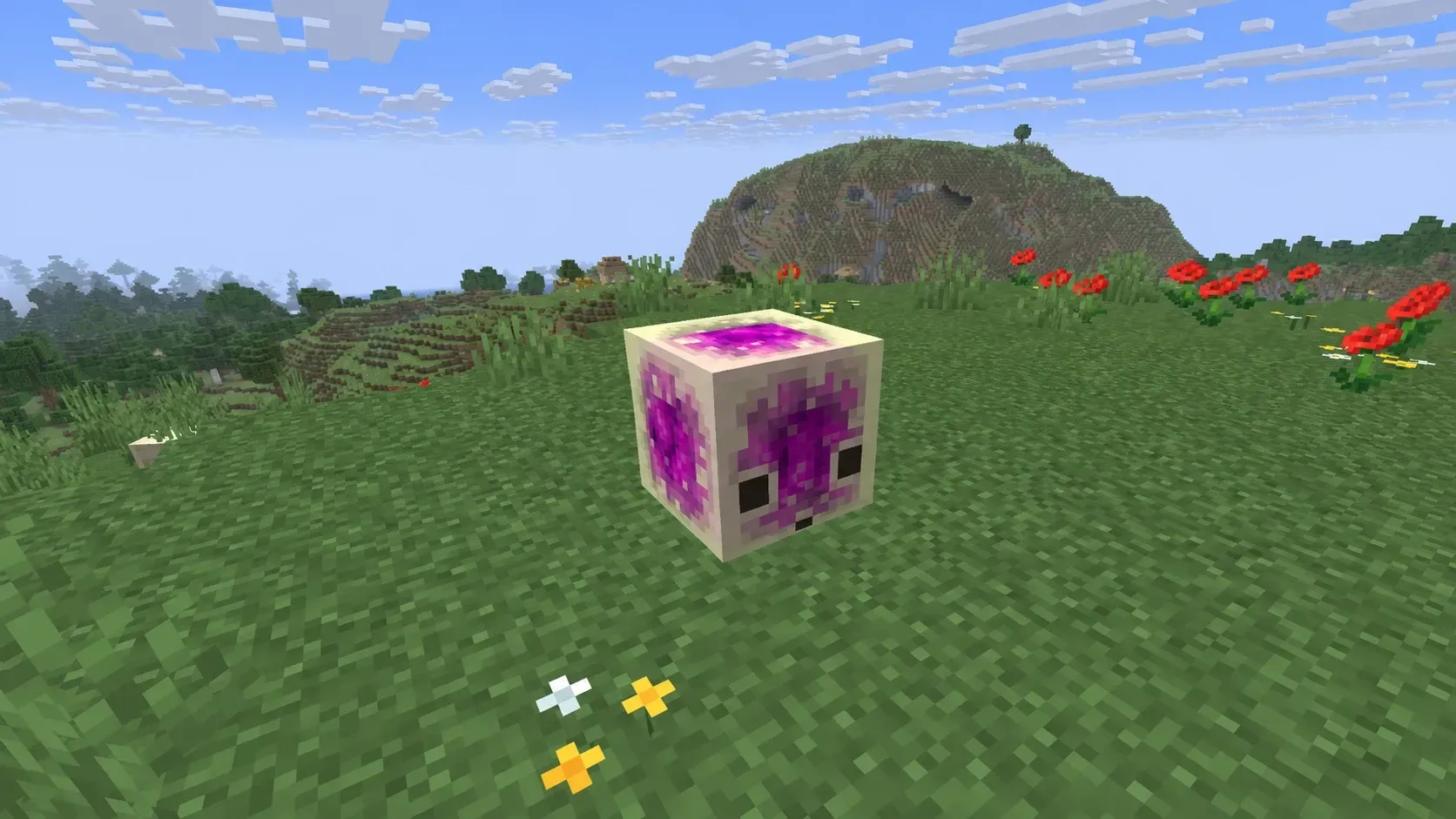
Organic blocks like pumpkins, melons, coral, moss, and dried kelp create a fast but low-bounce cube. It glides across the ground instead of bouncing everywhere, so you can usually guess where it will stop. That makes it good for setups where final position matters.
Light (Beach Ball)
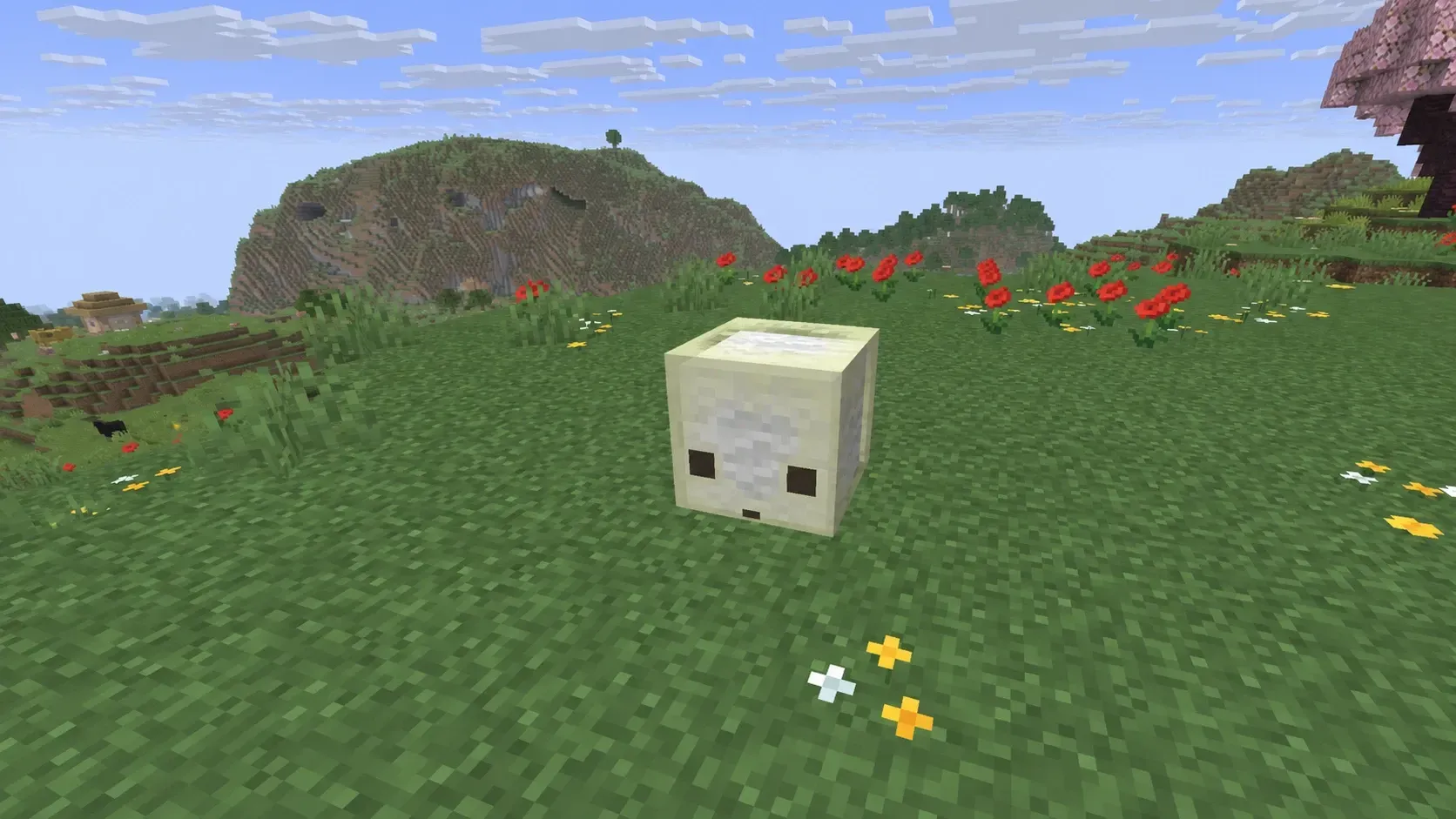
Any color of wool gives the cube reduced gravity and a very high air drag of 1.8. It hangs in the air and drifts down slowly, more like a beach ball than a rubber ball. It works for volleyball-style rallies or floating platform ideas where keeping the cube airborne is the point.
Fast Sliding (Hockey Puck)
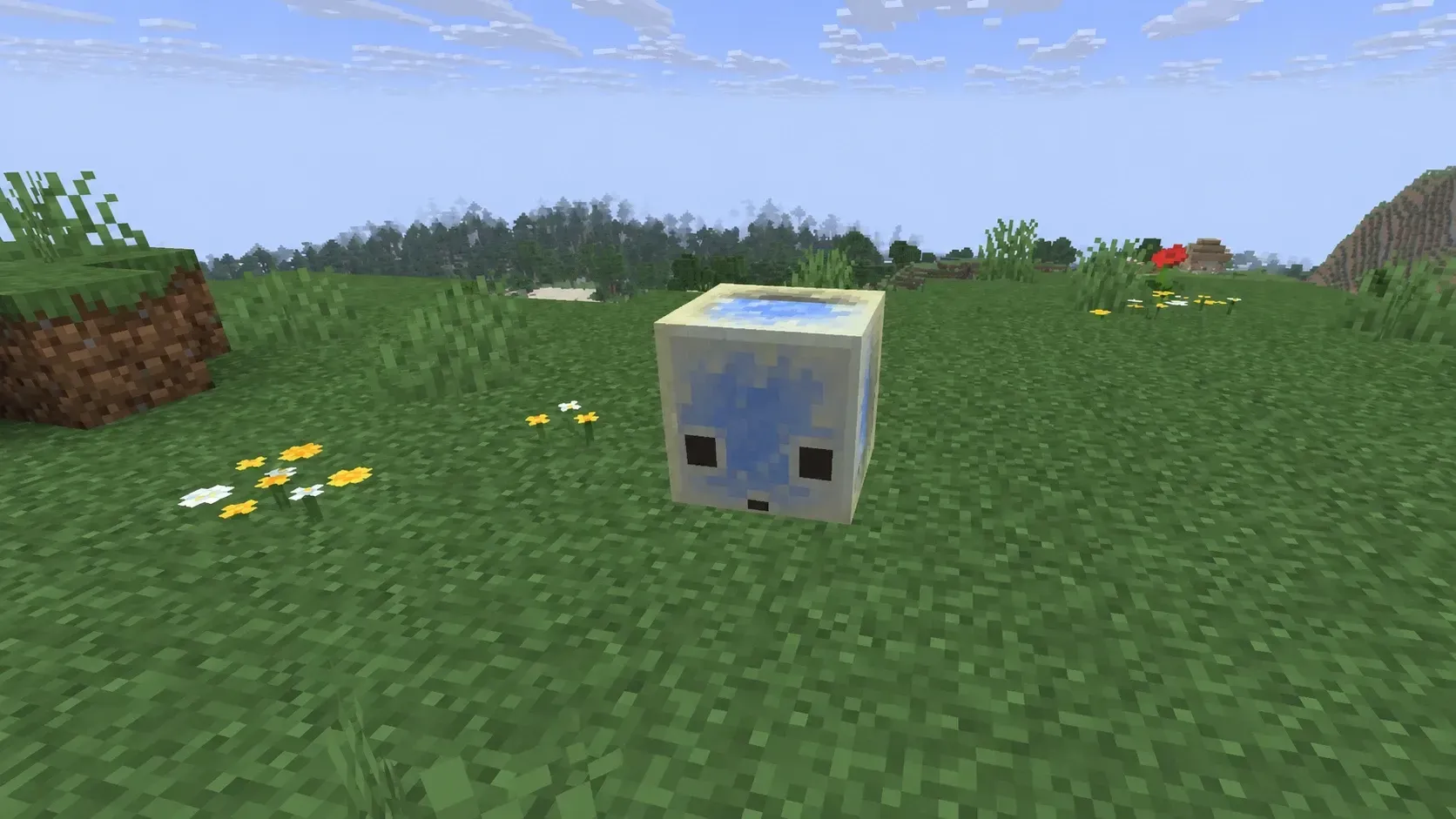
Blue Ice, Packed Ice, and Snow Block drop friction to 0.05 and almost remove bounce entirely. The cube glides in a straight line and slides even further on ice surfaces. It is the natural pick for hockey or curling minigames.
Slow Sliding (Curling Stone)
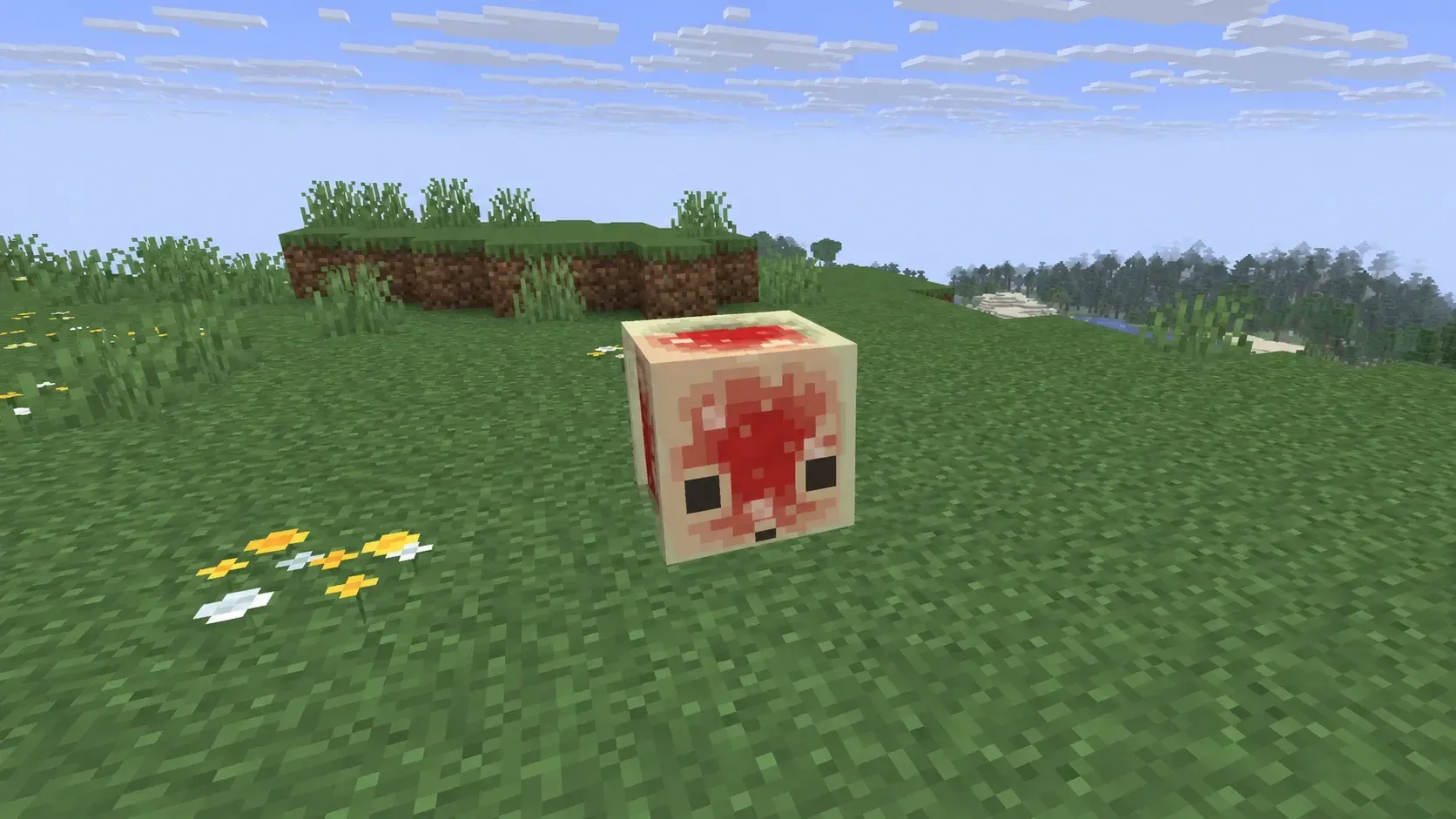
Mushroom-related blocks, including mushroom stems, mycelium, nether wart blocks, and shroomlight, make the cube slide slowly without building much momentum. It does not bounce and it sinks in water. The deliberate motion suits redstone setups that need predictable placement.
Special archetypes
High Resistance
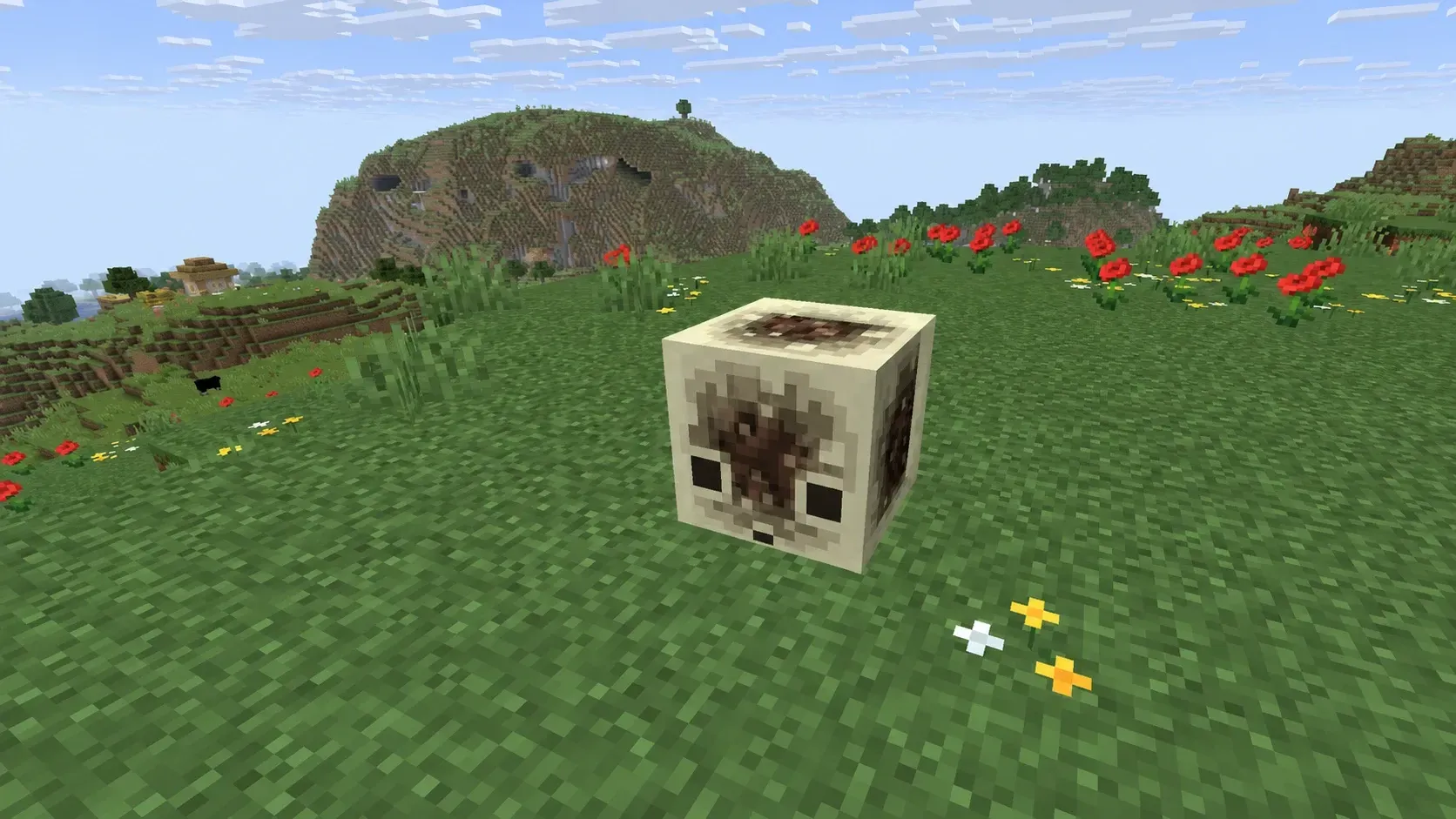
Soul Sand and Soul Soil push the friction modifier to 1.0 and give 0.7 knockback resistance. The cube barely budges even when hit by a strong weapon, acting like an anchored object. It sinks in water as well.
Sticky
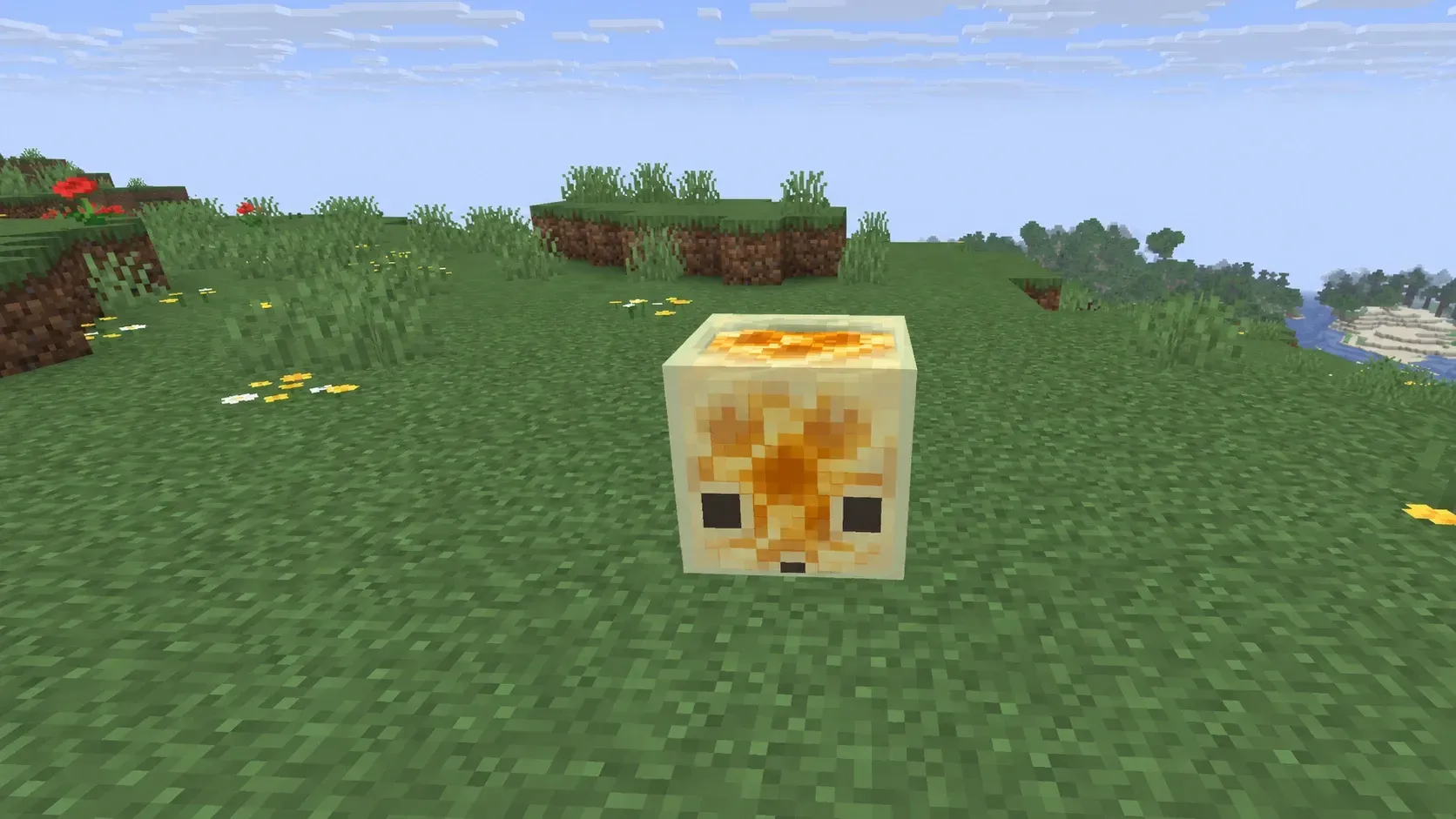
A Honeycomb Block gives the cube a friction modifier of 2.0 and zero bounce, the highest friction of any archetype. It clings to most surfaces and resists being moved, sliding, or bouncing. This is the one players have used to build working monorails.
Explosive
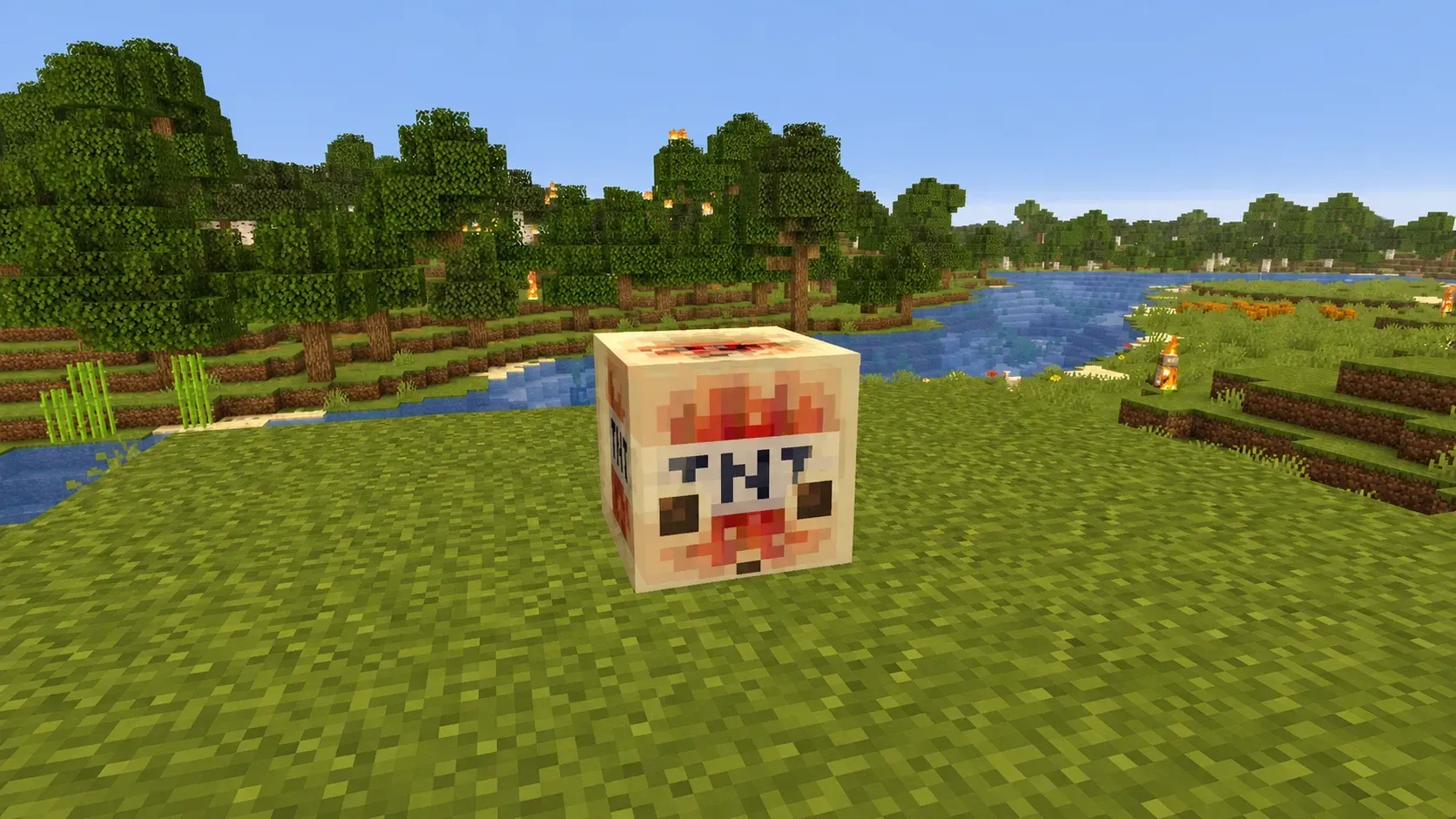
A TNT block turns the cube into a moving bomb. Igniting it with Flint and Steel, a Fire Aspect weapon, or a redstone signal primes the TNT, and the cube bursts with the explosion, leaving nothing behind. A manual ignition runs on a six-second fuse, while exposure to another explosion gives a random fuse between roughly 0.75 and 3 seconds. It respects the TNT Explodes and Mob Griefing game rules, and feeding TNT also unlocks the “Uh oh!” advancement.
Hot
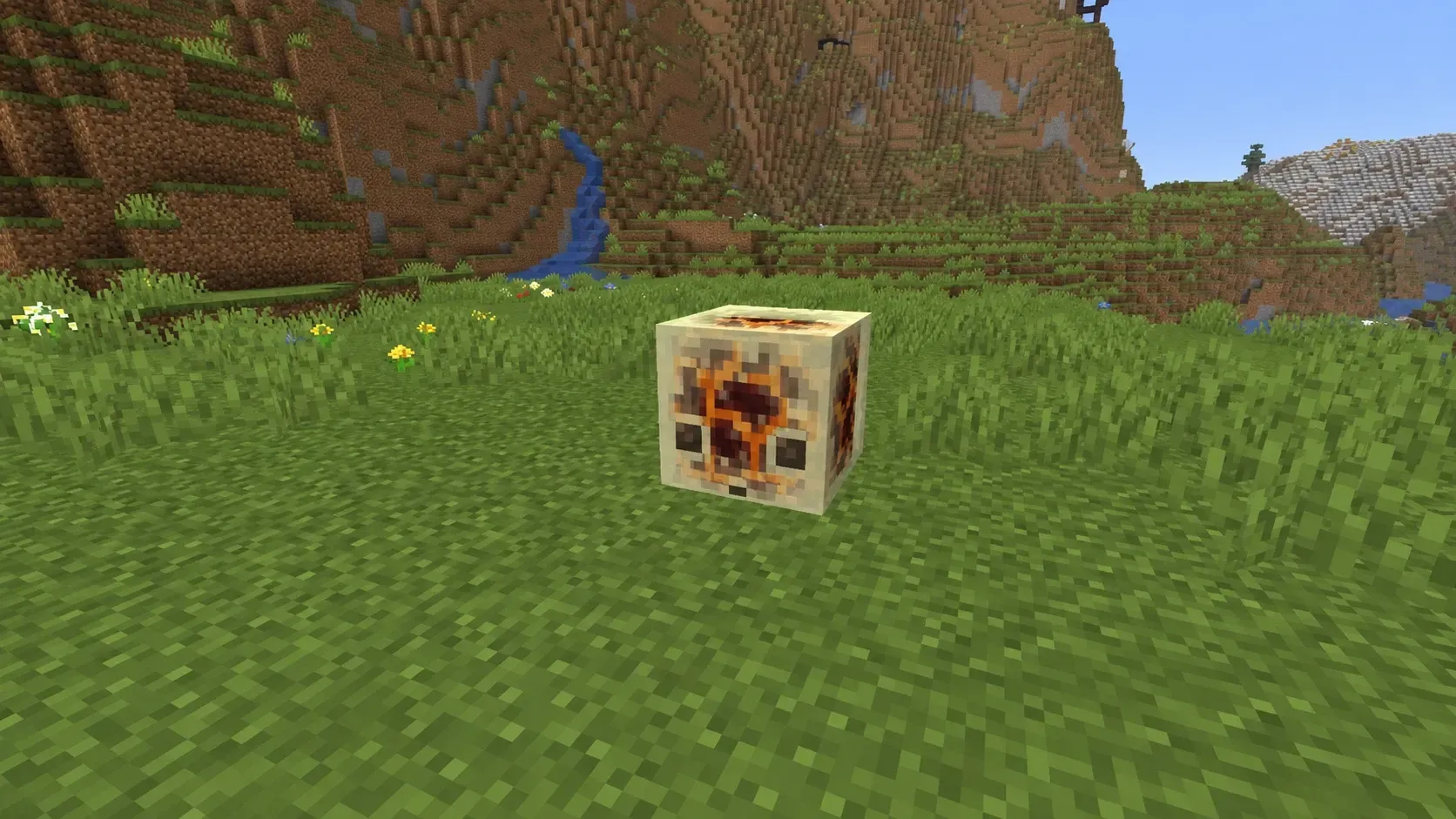
A Magma Block keeps the cube’s movement identical to Regular, but any entity that touches it takes damage, exactly like standing on magma. It is the only archetype that harms on contact, which makes it useful for traps and obstacle courses. The cube still floats despite the fiery block inside.
Slow Bouncy
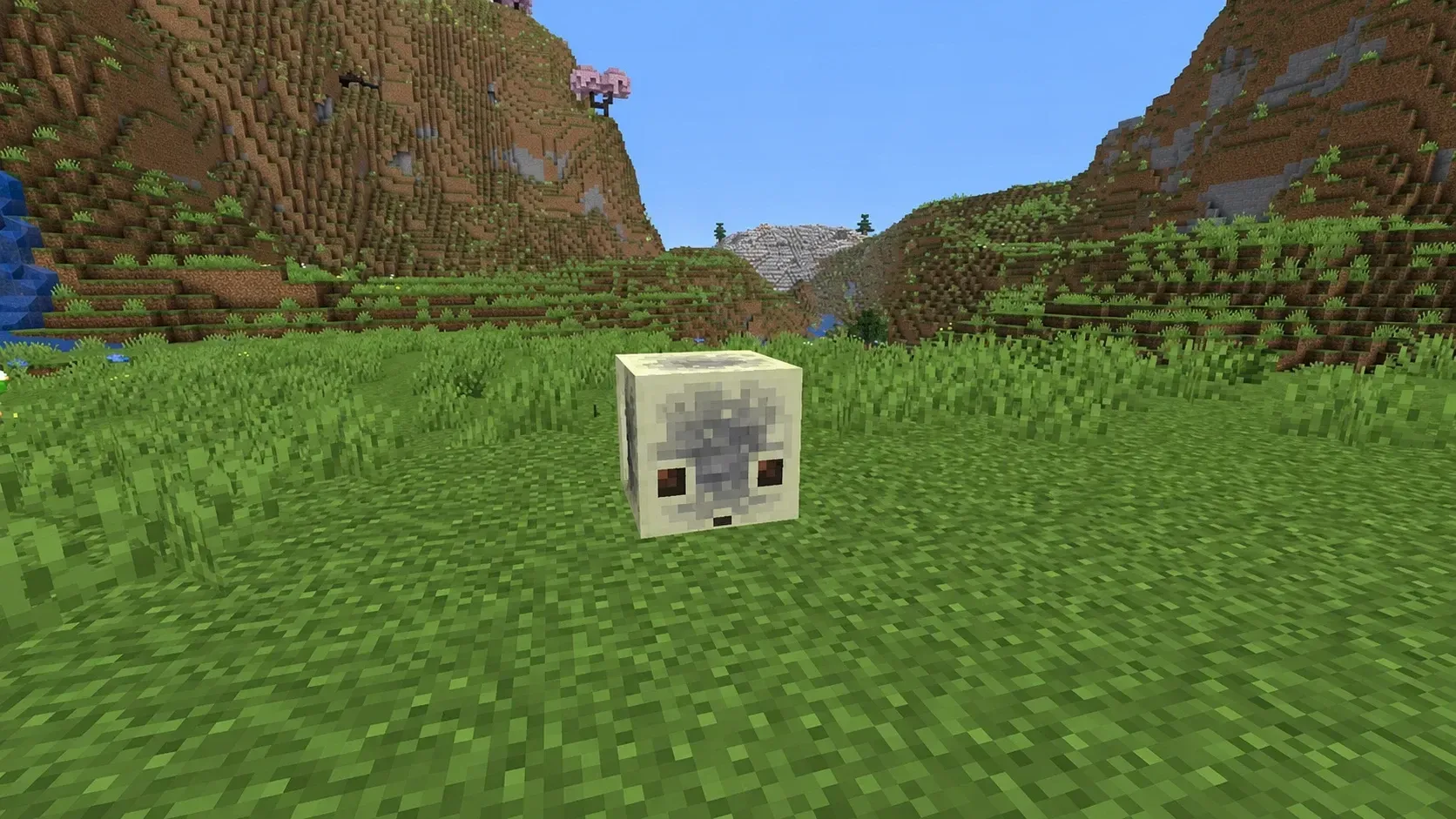
Stone-like blocks, such as stone, concrete, brick, and ore variants, produce a slow but springy cube. With 0.4 knockback resistance and 0.6 bounciness, it moves sluggishly while keeping a steady, predictable bounce. It floats, so it fits water parkour or controlled bounce setups.
How to switch archetypes and confirm it worked
Swapping an archetype is fast, but you have to clear the current block first.
Two failure cases come up most often. A small Sulfur Cube cannot absorb blocks at all, so feed it slime balls and let it grow into a large one first. And a block that isn’t on any archetype list simply applies the Regular archetype rather than failing, so an unexpected “football” result usually means the block you used isn’t a dedicated trigger.
With the Chaos Cubed drop still in testing, Mojang is tuning these presets and adding new ones based on feedback, so expect the block lists and values to shift between snapshots before the full release.