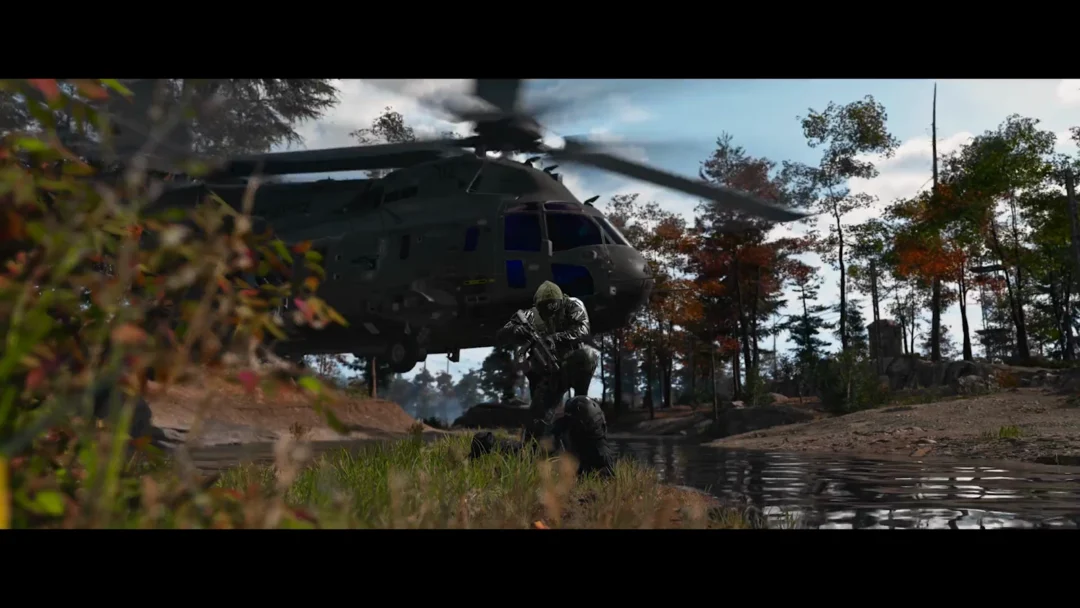
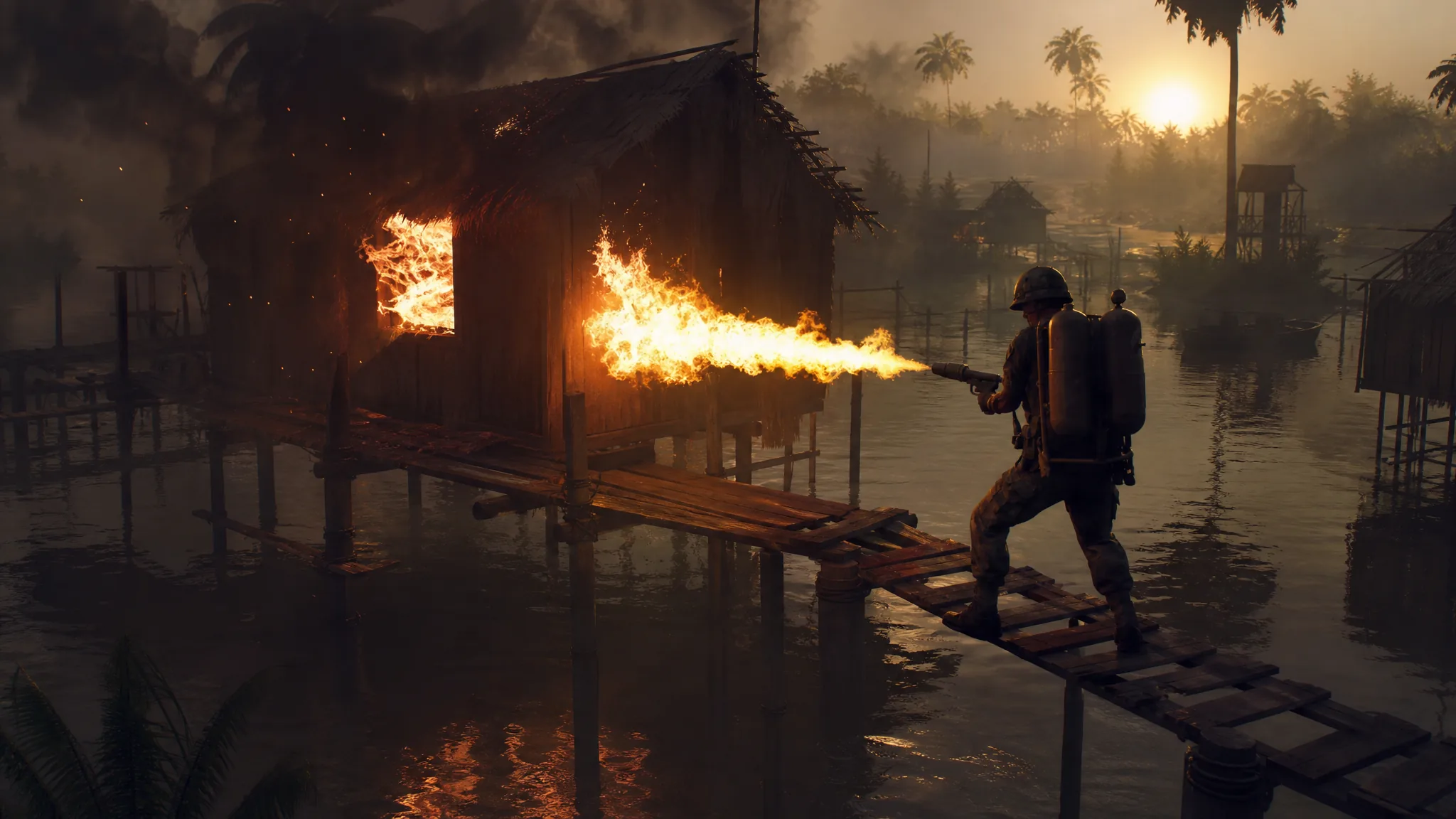
Hell Let Loose: Vietnam keeps the slow, communication-first combat of the original and drops it into dense jungle, river networks, and mountain gorges. Matches are 50 versus 50, deaths come fast, and enemies stay hidden in the foliage until they are already firing. If you are stepping in from arcade shooters, the fastest way to stop feeding the enemy free kills is to change how you move, talk, and pick your role.
Quick answer: Move slowly and use cover, stay glued to your squad leader so you can spawn on their outpost, turn on voice or use pings, and play a low-pressure role like Support to help build Garrisons while you learn the map.
Treat it as a tactical shooter, not a run-and-gun
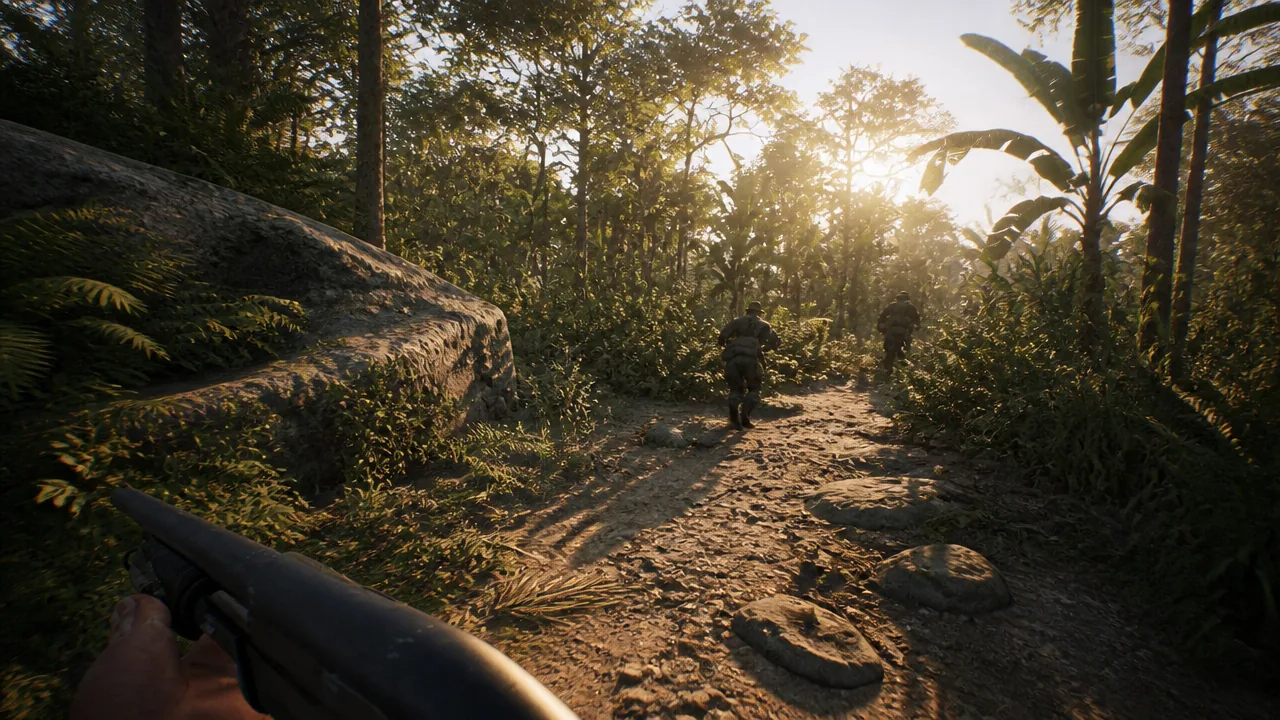
The single biggest adjustment is pace. Time-to-kill is low, so one or two shots can down you, and sprinting upright across open ground gets you killed before you understand where the fire came from. Move at a walk, hug cover, and treat every bush line as if someone is waiting in it.
That tension is the point of the game rather than a flaw. Reaction time and raw aim matter far less than patience and positioning, so slow down and let the map do some of the work for you.
Use voice or pings on every engagement
Communication is how the game functions, not an optional extra. Calling out enemy infantry, tanks, and spawn locations buys your squad and the wider team the seconds they need to react, and a single well-timed callout can flip a fight. Proximity, squad, and command voice channels each carry different information, so use the right one.
If you do not have a mic, the ping system still keeps your squad informed. Silence, on the other hand, is how teams quietly lose Garrisons.
Stay with your squad leader for spawns
Lone wolves die quickly and add almost nothing. Your squad leader sets whether the group is defending or pushing, and following that direction is what turns your individual actions into something that matters.
There is a mechanical reason to stay close too. Squad leaders place outposts that the squad can spawn on, so staying near your leader directly controls how fast you rejoin the fight after dying. Wandering off on your own throws that reinforcement advantage away.
Start with the Support role
Support is one of the highest-impact roles without the decision-making pressure of Squad Leader or Commander. Its main job is dropping supplies, and those supplies can be used to build a Garrison, which acts as a spawn point for the whole team. More Garrisons generally mean more wins because they keep your side in the fight.
Because it is simple to play but valuable to the team, Support lets you learn the flow of a match without having to make constant tactical calls. It is a strong first pick while you get comfortable.

Work the jungle instead of fighting it
The dense foliage changes how visibility works. Crouching or going prone in vegetation makes your movement genuinely hard to spot, and sitting still in a bush can net several kills as enemies walk past without noticing you.
The same is true in reverse, so move through jungle with the same caution. Footsteps are audible and carry well, which means slowing down and listening before you cross open ground is a habit worth building from your first match.
Know the US and NVA differences before you pick a side
The two factions are deliberately asymmetric, and that shapes your plan before the match starts. The US Armed Forces get helicopters with mounted machine guns for transport and fire support. The North Vietnamese Army has no helicopters but can build tunnel systems that behave much like Garrisons and outposts.
Squad leaders can link tunnel entrances to Garrisons, letting the NVA fast-travel from a forward position to a flanking tunnel dug behind enemy lines. Both sides can also use armed patrol boats on the river network, which double as mobile spawn points with defensive machine guns.
| Feature | US Armed Forces | North Vietnamese Army |
|---|---|---|
| Air support | Helicopters with mounted machine guns | None |
| Forward positioning | Outposts and Garrisons | Tunnel networks linked to Garrisons |
| River combat | Armed patrol boats as spawn points | Armed patrol boats as spawn points |
Expect a learning curve in your first sessions
There will be matches where your death count climbs and progress feels invisible. That is normal, especially coming from faster games, and you will have stretches where you die several times without ever seeing who shot you.
The game rewards patience, positioning, and communication over reflexes. If you already enjoy tactical shooters it will click quickly. If you are coming from a run-and-gun background, give it a few sessions before you judge it, and lean on your squad while the systems start to make sense.
Put those habits together and the picture is straightforward. Slow down, talk, stick with your squad, and pick a role that helps the team while you read the map. Do that and Hell Let Loose: Vietnam stops feeling random and starts rewarding the discipline it asks for.