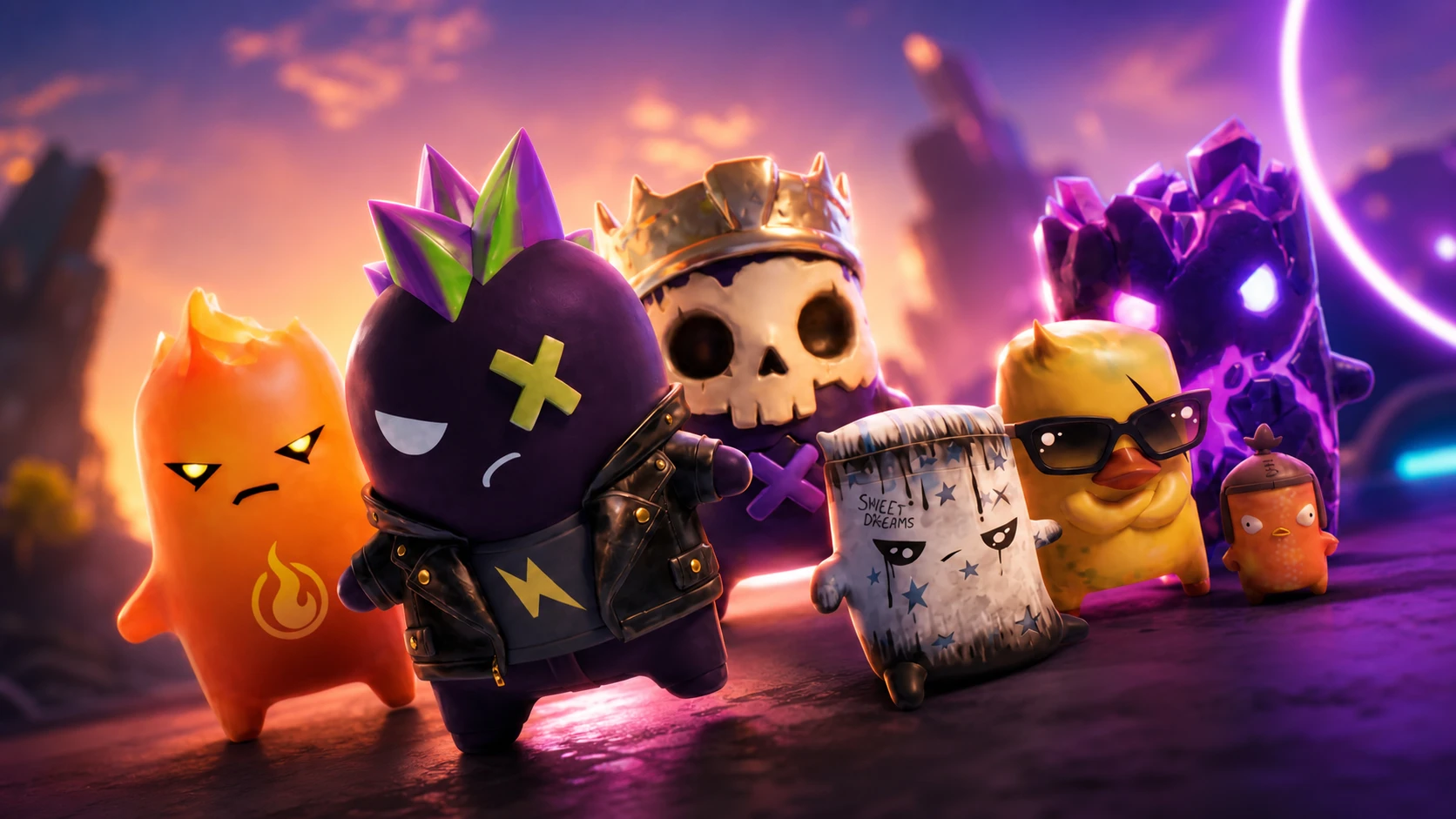
Sprites are the centerpiece of Fortnite Chapter 7 Season 3, and the chase to collect the rarest ones has turned into its own mini-economy. Each Sprite rolls from a set spawn rate every time you crack open a container, so some variants show up constantly while others almost never appear. If you want to know which one sits at the very top of the rarity ladder, the numbers make it clear.
Quick answer: By raw spawn rate, the Gold Zero Point Sprite is the rarest in the game at 0.009%. The Burnt Peanut Sprite is the rarest you can practically chase right now, since its intended source has not gone live yet.
Every Fortnite Sprite spawn rate, ranked from rarest
Each Sprite type comes in multiple designs, and every one carries its own roll chance. Opening a container with a Sprite inside essentially spins for one of these outcomes. The Gold variants are far scarcer than their standard versions, which is why they fill out the top of the list. Here is the full breakdown, sorted from the rarest down to the most common.
| Rank | Sprite | Spawn rate |
|---|---|---|
| 1 | Gold Zero Point | 0.009% |
| 2 | Gold Dream | 0.021% |
| 3 | Gold Punk | 0.021% |
| 4 | Zero Punk (Base) | 0.03% |
| 5 | Gold Duck | 0.045% |
| 6 | Gold Demon | 0.045% |
| 7 | Gold Ghost | 0.045% |
| 8 | Gold King | 0.045% |
| 9 | Gold Earth | 0.12% |
| 10 | Gold Fire | 0.12% |
| 11 | Gold Water | 0.12% |
| 12 | Burnt Peanut | 1.5% |
| 13 | Dream (Base) | 3.479% |
| 14 | Punk (Base) | 3.479% |
| 15 | Duck (Base) | 7.455% |
| 16 | Ghost (Base) | 7.455% |
| 17 | Demon (Base) | 7.455% |
| 18 | King | 7.455% |
| 19 | Water | 19.88% |
| 20 | Earth | 19.88% |
| 21 | Fire | 19.88% |
Why the Gold Zero Point Sprite is the rarest
The Zero Point Sprite is the rarest Sprite overall, and its Gold version pushes that even further. At 0.009%, the Gold Zero Point is an order of magnitude scarcer than almost anything else on the list. Even the base Zero Point is far harder to come by than the standard elemental Sprites you’ll see in nearly every match.
The ability itself is one of the strongest in the pool. Using a healing item with the Zero Point Sprite active drops a Shield Bubble Jr. around you, giving you covered space to top off and then push back out. That combination of power and scarcity is exactly why so few players hold one, and why many have turned to in-game trading to land it.
Why the Burnt Peanut Sprite is so hard to find
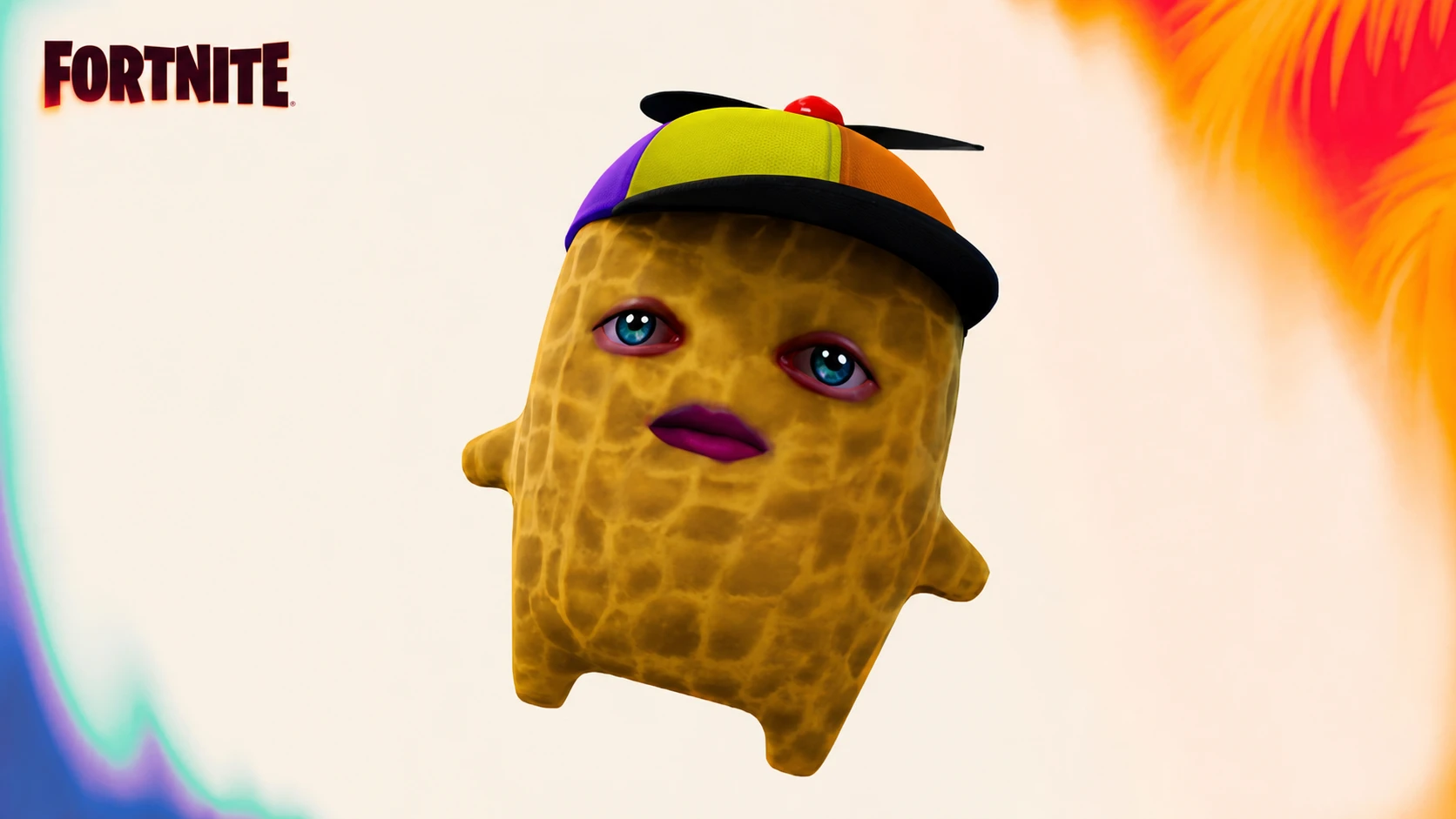
The Burnt Peanut is the only Sprite tied to a Fortnite collab, built around a controversial streamer. Its listed spawn rate is 1.5%, but the practical rarity is far higher because it doesn’t drop from normal containers. It’s meant to come from special chests, and that’s where the chase gets complicated.
The intended source appears to be Relic Chests, which are not active in the live build yet. Until Epic switches them on, the Burnt Peanut stays effectively unobtainable no matter how many hours you grind. Its payoff is significant, too. With it equipped, eliminating an enemy can spawn a Legendary or Mythic item, which is why players keep hunting for it despite the wall.
Special Sprite variants: Gold, Gummy, and Galaxy
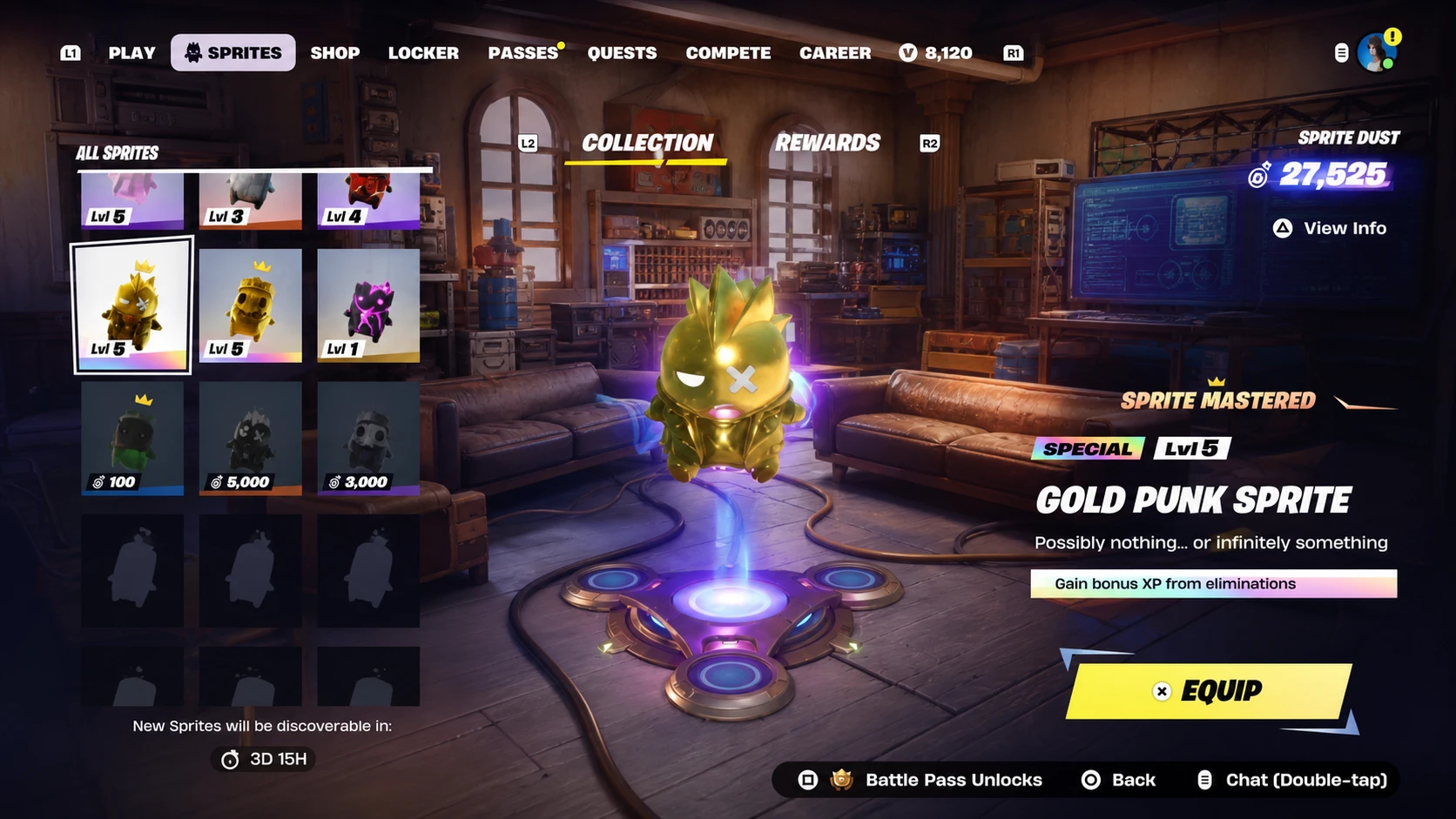
On top of standard and Gold designs, the game files include hidden Special variants that add secondary bonuses such as extra elimination XP and a 10% boost to extracted Sprite Dust. Three styles are programmed in, but not all of them are live yet.
| Variant | Status |
|---|---|
| Standard | Active and spawning |
| Gold | Active and spawning |
| Gummy | In files, not reliably spawning |
| Galaxy | In files, not reliably spawning |
Right now only Standard and Gold variants are reliably appearing on the Chapter 7 Season 3 map. The Gummy and Galaxy styles, along with the Candy and Galaxy Sprites, are expected to sit near the top of the rarity ladder once they release, but no confirmed drop method has been announced for them.
How rarity affects the Sprites you actually use
Rarity changes how often a Sprite appears, not what it does. A named Sprite has the same effect whether it’s the standard or Gold version, so a Gold Demon plays identically to a base Demon in a fight. The Gold variants exist mainly as collectibles and to reward players who want to chase the longest odds, with the added perk of granting more experience when leveling.
That risk-reward loop is the whole point. The elemental Sprites at the bottom of the table show up almost every game and are easy to replace, so there’s little downside to taking chances with them. A Mythic-tier Zero Point or a Burnt Peanut is precious enough that you’ll want to extract it safely before diving into late-game chaos. Losing a high-value Sprite to a failed extraction or a disconnect genuinely stings, since there’s no formal recovery system for one you personally lose mid-match.
For now, the math is simple. The Gold Zero Point is the rarest Sprite by the numbers, the Burnt Peanut is the most elusive in practice, and the live pool will only grow more crowded as Epic switches on the variants still sitting in the files.