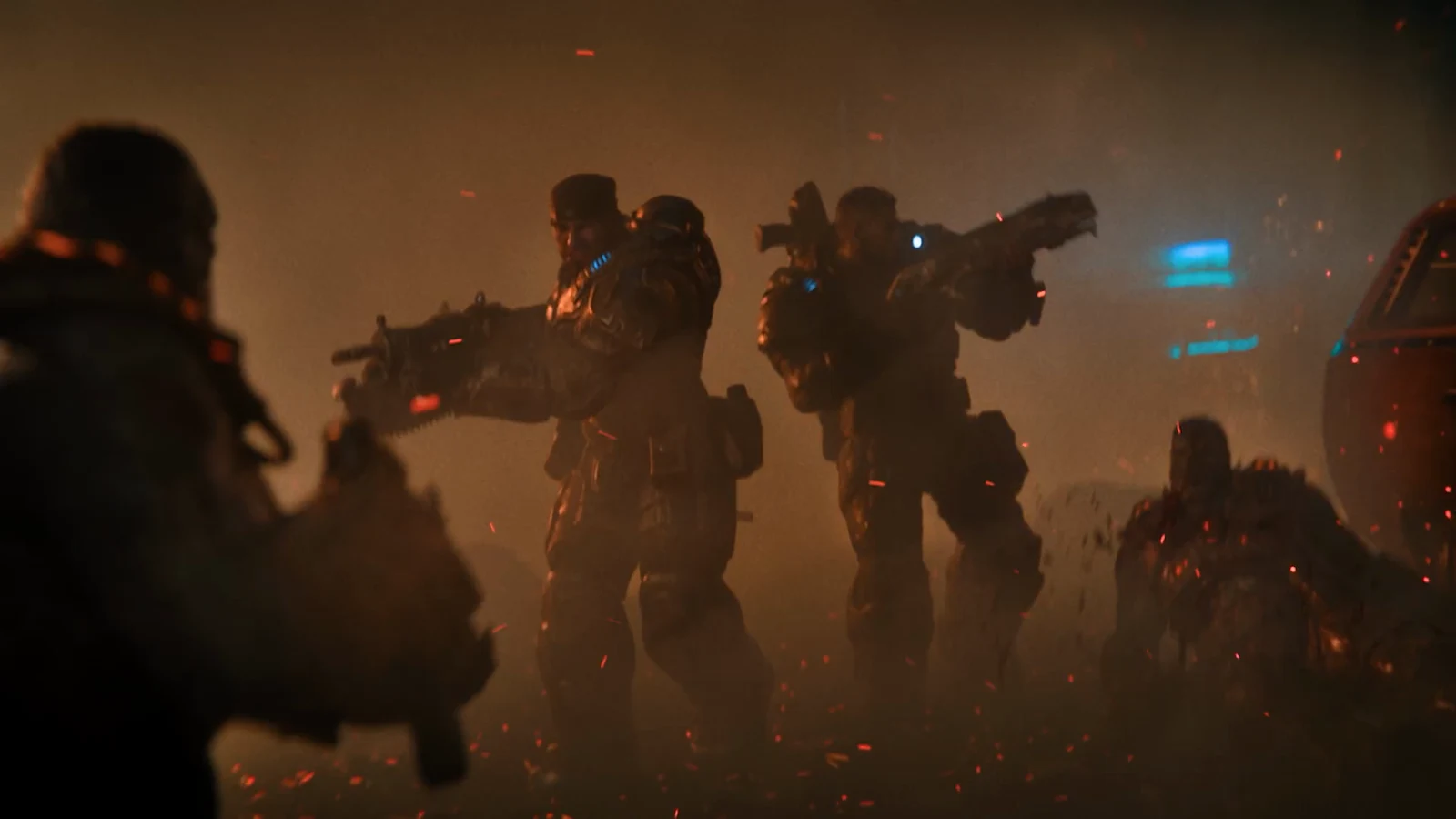
Gears of War: E-Day returned the series after a seven-year gap with strong reviews, yet its raw sales count looks small for a flagship Xbox release. Analyst Rhys Elliott of Alinea Analytics estimates the prequel moved about 230,000 copies in its first week, while a much larger crowd reached it another way entirely.
Quick answer: E-Day sold an estimated 230,000 copies since early access opened October 1, with 168,000 on Steam and 62,000 on Xbox, but 1.7 million players reached it through Game Pass instead of buying it.
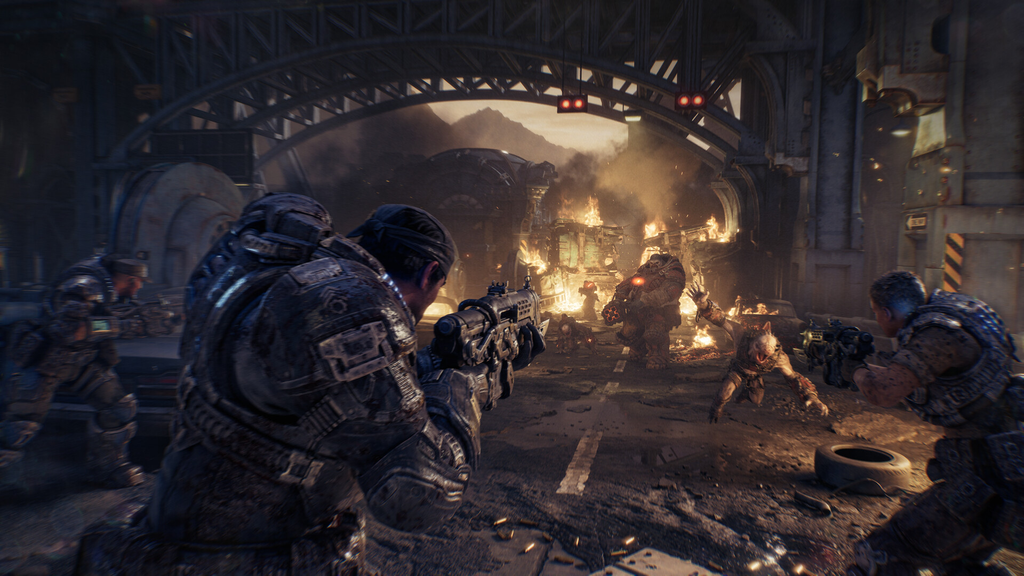
Gears of War: E-Day sales by platform
The split between stores matters here, because the platform with fewer paid copies still brought in most of the money. Steam carried the bulk of outright purchases, while Xbox console and PC sales trailed well behind.
| Platform | Estimated copies | Estimated revenue |
|---|---|---|
| Steam | 168,000 | ~$11 million |
| Xbox (console and PC) | 62,000 | Bulk of total (~$26 million with upgrades) |
| Total copies | 230,000 | ~$37 million overall |
That works out to roughly three Steam copies for every one sold on Xbox. None of these figures have been confirmed by Microsoft, which has not released an official sales number for the game.
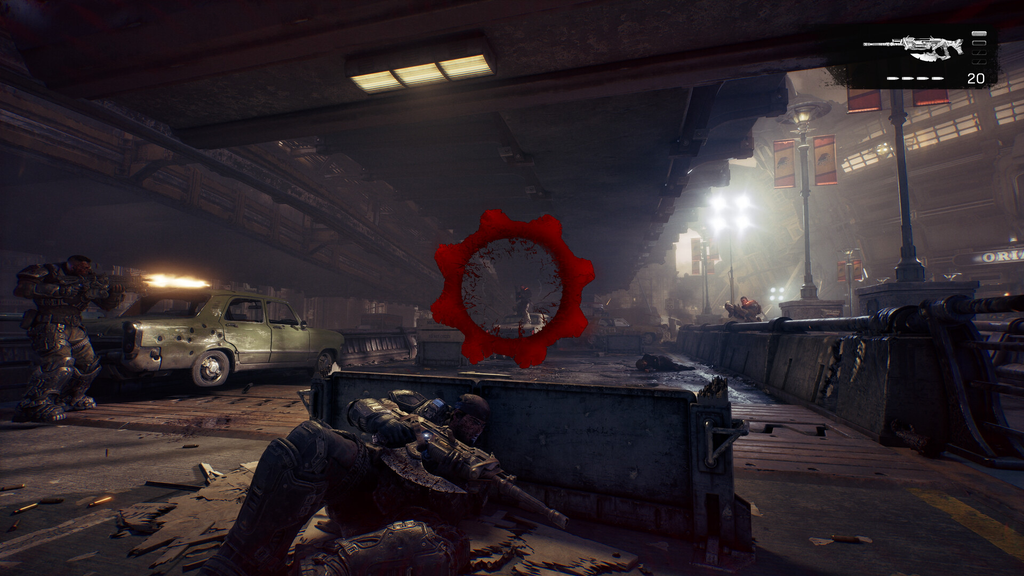
How Game Pass drives most of the revenue
Buyers of the $99.99 Premium Edition had access from October 1. Game Pass members who had not purchased the game could pay $30 for a Premium upgrade, getting the same five-day early-access period and bonus content. The standard release followed on October 6 for Xbox Series X|S and PC, with Steam included, and arrived on Game Pass that day.
Roughly 1.7 million players accessed E-Day through Game Pass instead of buying it. An estimated 722,000 spent $30 on the upgrade, bringing in about $21.7 million by itself. Add upgrade purchases to standalone sales, and nearly 950,000 people paid to play.
Xbox makes up almost three-quarters of the total revenue, roughly $26 million, despite selling about a third as many outright copies as Steam. Elliott argues that the subscription is eating into premium sales Xbox would otherwise collect. “In a world without day-one Game Pass, many of these folks would have bought E-Day at $70,” he wrote. “They paid $30 for five days early access to something they don’t own.”
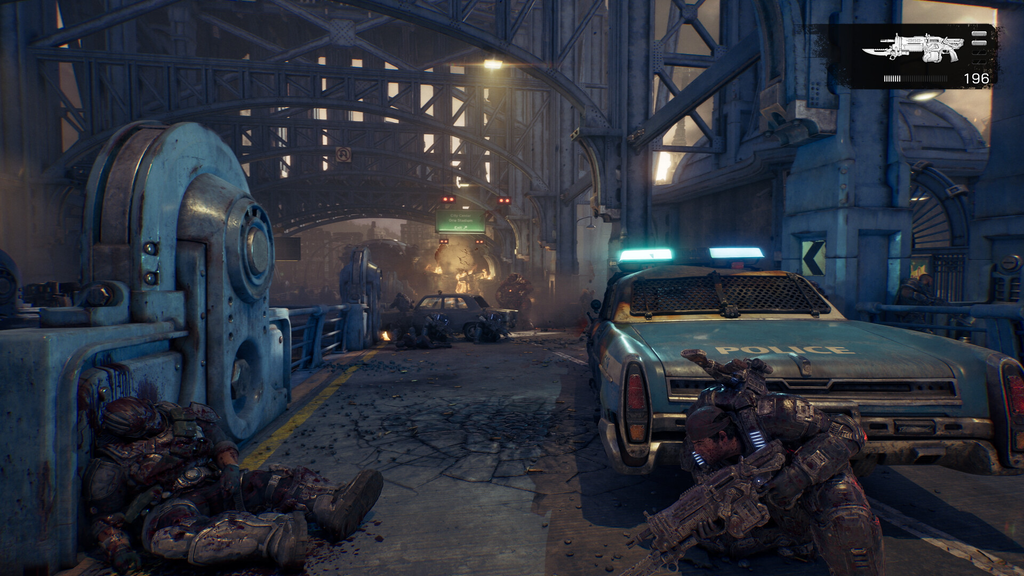
Playtime differences between Xbox and Steam
Players who paid full price tend to stick around longer, and the session data reflects that. Game Pass subscribers on Xbox dropped off faster than Steam buyers who committed to a purchase.
| Playtime | Xbox | Steam |
|---|---|---|
| Under one hour | 17% | 6% |
| Five hours or less | 54% | 32% |
| More than 20 hours | 14% | 22% |
Most Xbox players had a history with the series: an estimated 86 percent were familiar with Gears 5, while Gears of War 4 had been played by 76 percent. Steam’s audience showed more overlap with Counter-Strike and Helldivers 2, fitting the way E-Day’s Horde Siege mode plays.
Strong reviews and a Steam player record
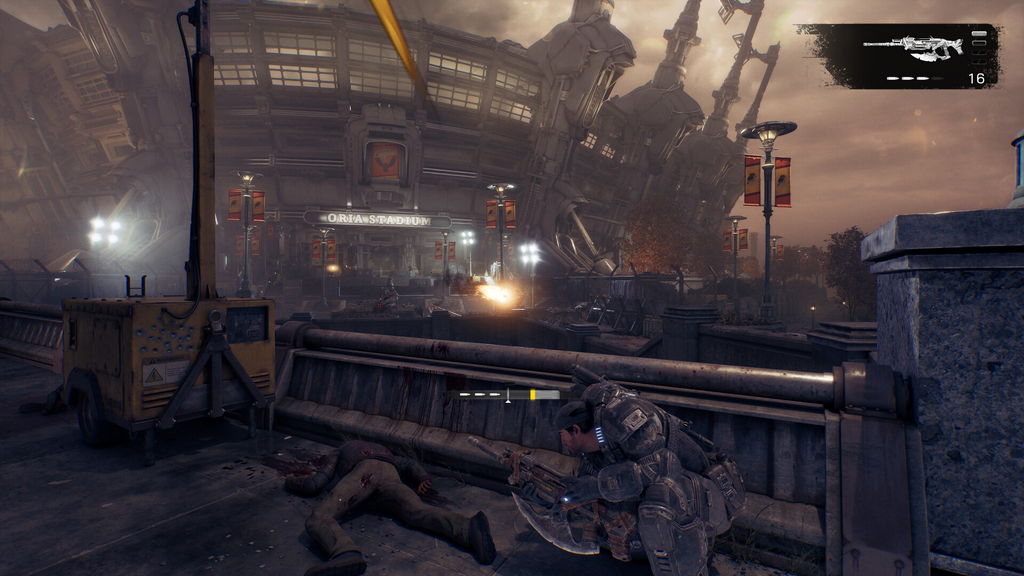
E-Day’s quality is clear from its 87 on Metacritic, the strongest rating for a mainline Gears release since Gears of War 3 arrived in 2011. Early access also brought the series its highest Steam player count: 20,374 concurrent players, nearly twice Gears 5’s previous peak.
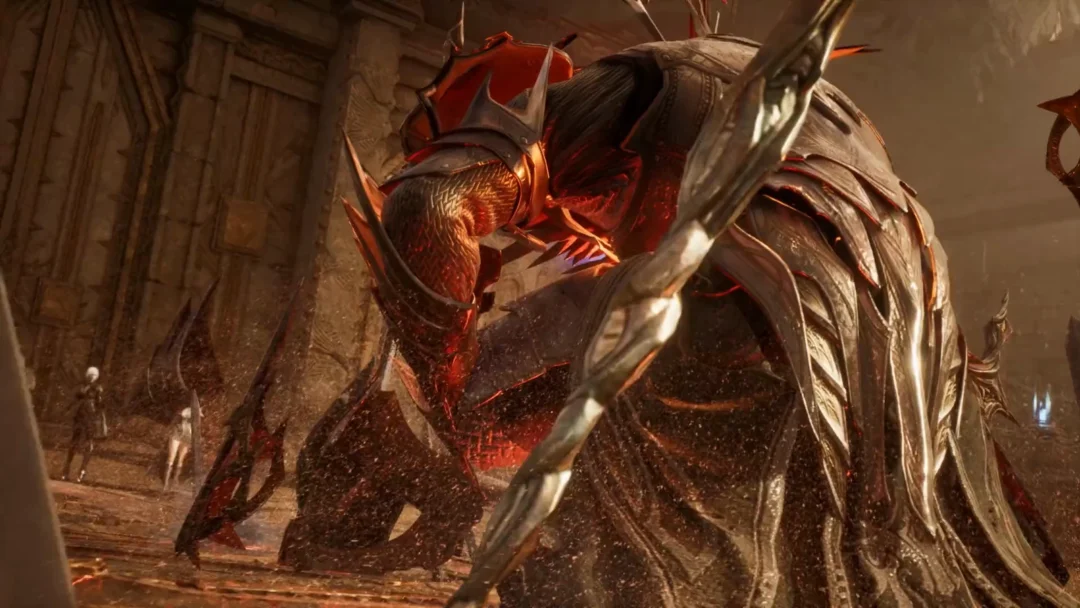
The story unfolds on Sera during Emergence Day, when the Locust first appear, and follows younger Marcus Fenix and Dom Santiago. The modest sales total is therefore not about reception; it reflects how the game was distributed.
What this means for Xbox’s day-one Game Pass model
The $400 million budget figure floated before launch has been widely discredited, so a direct break-even comparison is not possible. Even so, $37 million is a slow start for a tentpole exclusive, and the pattern mirrors what happened with Call of Duty. Microsoft has already pulled new Call of Duty entries from day-one Game Pass, a decision that points toward where high-profile first-party games like Gears could head next.
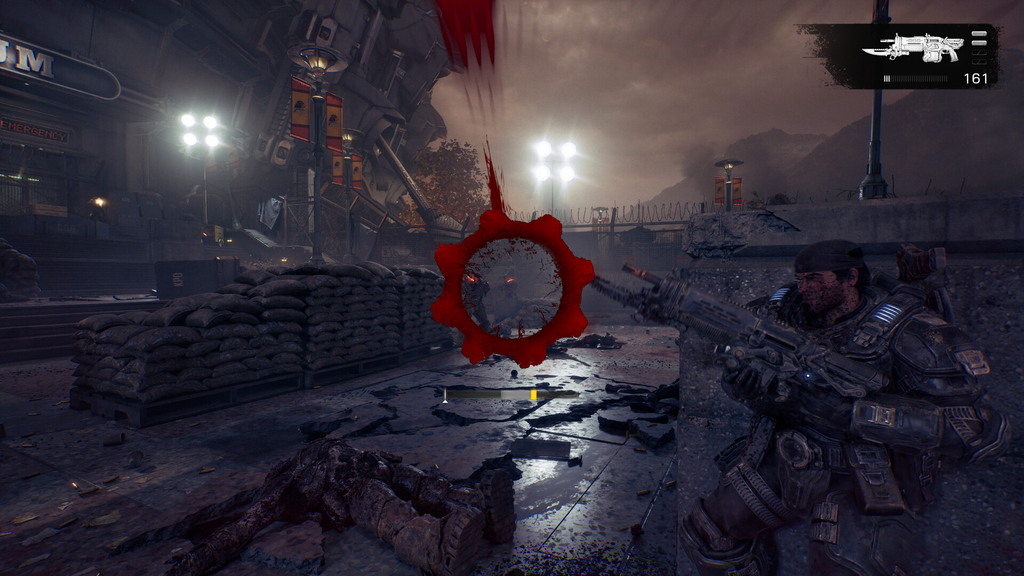
Microsoft has not confirmed sales or disclosed how E-Day affected Game Pass sign-ups, so 1.7 million subscribers playing could still be read internally as a success. Until the company publishes its own numbers, these remain estimates.
The figures also carry a human cost. Employees at developer The Coalition told reporters they worried layoffs might come before a bonus linked to the game’s review scores is paid later this month. Strong reviews alongside few outright sales make this the sort of result that keeps a subscription-first strategy under scrutiny.