

Every crop in Grow a Garden 2 sells for a price that builds from a base value, then moves up or down depending on how heavy the plant is, which mutation it carries, and whether it has started to decay. The same Dragon’s Breath can be worth a few thousand sheckles or a fraction of that, all based on those factors lining up.
Quick answer: Sell price grows from a crop’s base value, scaled by weight in kilograms and the mutation multiplier, then cut by decay. Water plants before you pick or sell so they stay fresh and land at the high end of the range.

How plant value is calculated in Grow a Garden 2
A crop’s value is not a single fixed number. It starts from a base value tied to the plant type and rarity, then four inputs push the final sheckles total around.
- Weight in kilograms. Heavier crops sell for more, so a large roll on the same plant raises the price.
- Mutation. A selected mutation multiplies the value above the plain fresh price.
- Decay. Crops left too long lose value and color, dropping the sell price.
- Friend boost. A percentage bonus can raise the amount you receive.
To read a value, pick the plant, choose any mutation, enter the fruit weight in kilograms, then set the decay estimate and friend boost if either applies. The result shows as a range rather than one exact figure because decay can swing the outcome heavily.
As a worked example, a Dragon’s Breath at 6.78 kg comes out to a fresh price estimate of roughly $3,068. Its bargain cost sits near $1,688, with bargain offers landing anywhere from about $3,989 to roughly $18,408 depending on which fruits improve.
Plant values, weights, and trade figures are still being confirmed at launch and shift as more in-game testing is done, so treat early numbers as planning estimates rather than final values.

Grow a Garden 2 plants by rarity and source
Rarity is the first signal of where a plant sits on the value scale. Super and Mythic crops anchor the top of the list, while Common crops sit at the bottom. Most plants come from the Seed Shop, while the Pack entries drop from the Ghost Pepper Pack at the chances shown.
| Plant | Rarity | Source / drop chance |
|---|---|---|
| Dragon’s Breath | Super | Seed Shop |
| Moon Bloom | Super | Seed Shop |
| Poison Apple | Mythic | Seed Shop |
| Pomegranate | Mythic | Seed Shop |
| Venus Fly Trap | Mythic | Seed Shop |
| Ghost Pepper | Pack | 1% |
| Poison Ivy | Pack | 4% |
| Cherry | Legendary | Seed Shop |
| Sunflower | Legendary | Seed Shop |
| Acorn | Legendary | Seed Shop |
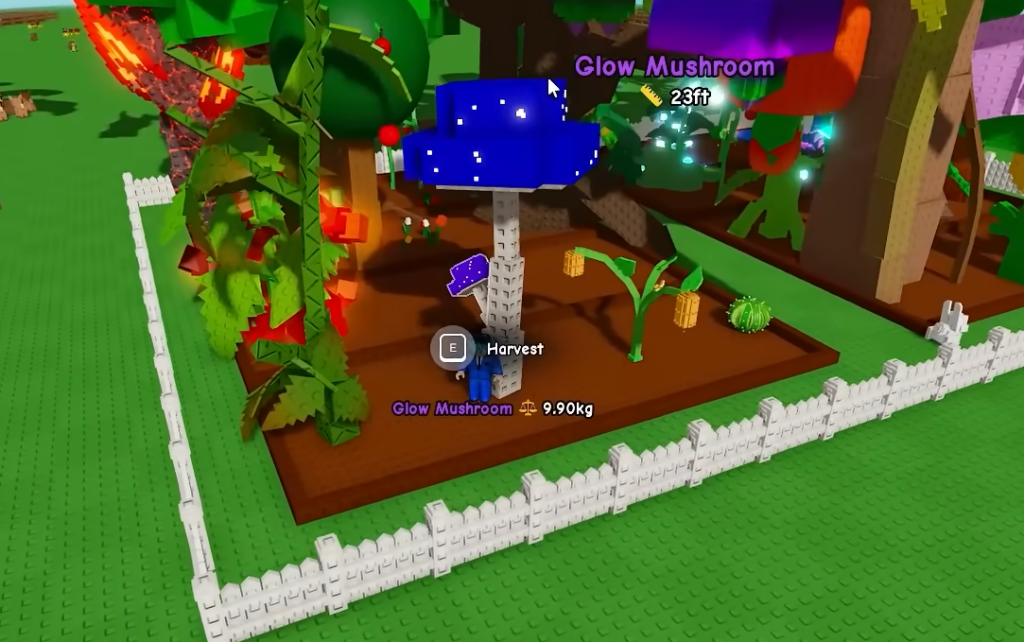
| Glow Mushroom | Pack | 15% |
| Horned Melon | Pack | 30% |
| Dragon Fruit | Legendary | Seed Shop |
| Baby Cactus | Pack | 50% |
| Grape | Epic | Seed Shop |
| Green Bean | Epic | Seed Shop |
| Mango | Epic | Seed Shop |
| Coconut | Epic | Seed Shop |
| Banana | Epic | Seed Shop |
| Mushroom | Epic | Seed Shop |
| Cactus | Rare | Seed Shop |
| Pineapple | Rare | Seed Shop |
| Corn | Rare | Seed Shop |
| Bamboo | Rare | Seed Shop |
| Apple | Uncommon | Seed Shop |
| Tomato | Uncommon | Seed Shop |
| Tulip | Uncommon | Seed Shop |
| Blueberry | Common | Seed Shop |
| Strawberry | Common | Seed Shop |
| Carrot | Common | Seed Shop |
Mutations that multiply plant value
A mutation acts as a multiplier on top of the fresh price. Stacking the right mutation on a heavy crop is how the biggest sell totals happen. The mutations you can apply are Gold, Rainbow, Frozen, Electric, Bloodlit, Chained, Starstruck, and Pizza.
When you set a mutation, the calculator applies its multiplier to the base value before decay is factored in. The exact multipliers are confirmed through release testing, so check current figures before committing a high-value trade.
How decay lowers plant value
Decay is the factor most likely to cost you sheckles. A crop left too long loses value and color, and that loss is built into the value range you see. Watering restores the crop along with its connected fruits, but only before harvest, so the timing matters.
| State | Value loss |
|---|---|
| Fresh | 0-40% loss |
| Decayed | 45-80% loss |
For bargain pricing, the cost runs at about 55% of value, and bargain offers can come in around 30% higher up to roughly six times the base, depending on which fruits improve. Decay timing itself is still unclear and can affect sell value even while a plant’s weight keeps rising.
How to get the highest sell value
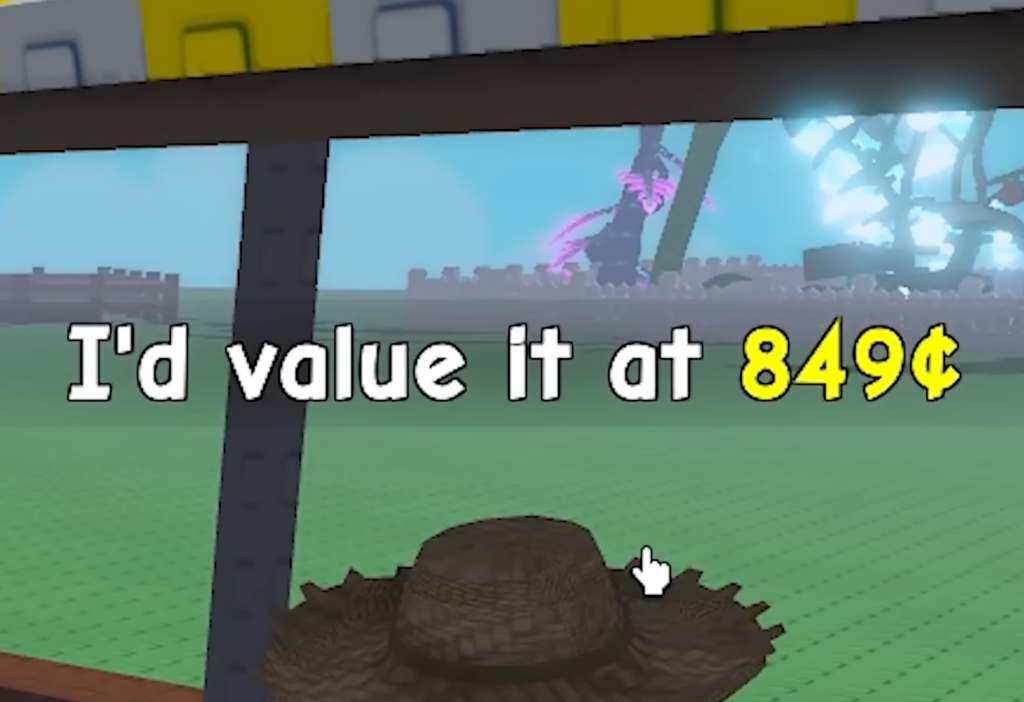
You will know the value held up when the sell total lands near the high end of the fresh estimate rather than the decayed floor. If a price comes in low, the most common reason is decay setting in before the sale, which a pre-harvest watering prevents.
Because rarity, weight, mutation, and freshness all feed the same calculation, the fastest way to read a fair number for any crop is to plug in its current weight and mutation, keep it watered, and treat the fresh range as your target.