

GTA 6 Walkthrough & Guides More guides
Grand Theft Auto VI tracks every creature you come across on its own Animals page, from backyard cats to a purple-furred panther. Each slot stays undiscovered until you study the animal, and the Hunting tab also holds the eight unique animals tied to the Legendary Hunter challenge.
Quick answer: Open Progress > Animals to see 232 animals split among seven tabs. Study an animal to reveal its entry; use binoculars or a scope when it’s far away.
How many animals are in GTA 6
The Animals page splits 232 animals across seven tabs. Hunting and Birds make up more than half of the total.
| Tab | Animals |
|---|---|
| Hunting | 61 |
| Birds | 60 |
| Fishing | 35 |
| Cats & Dogs | 34 |
| Mammals | 18 |
| Aquatic | 18 |
| Reptiles & Amphibians | 6 |
| Total | 232 |
Where to find the Animals page
Pause the game, go to Map and open the PROGRESS tab. The ANIMALS card is the fourth of the 12 cards there, right after Stats, Vehicles and Weapons.
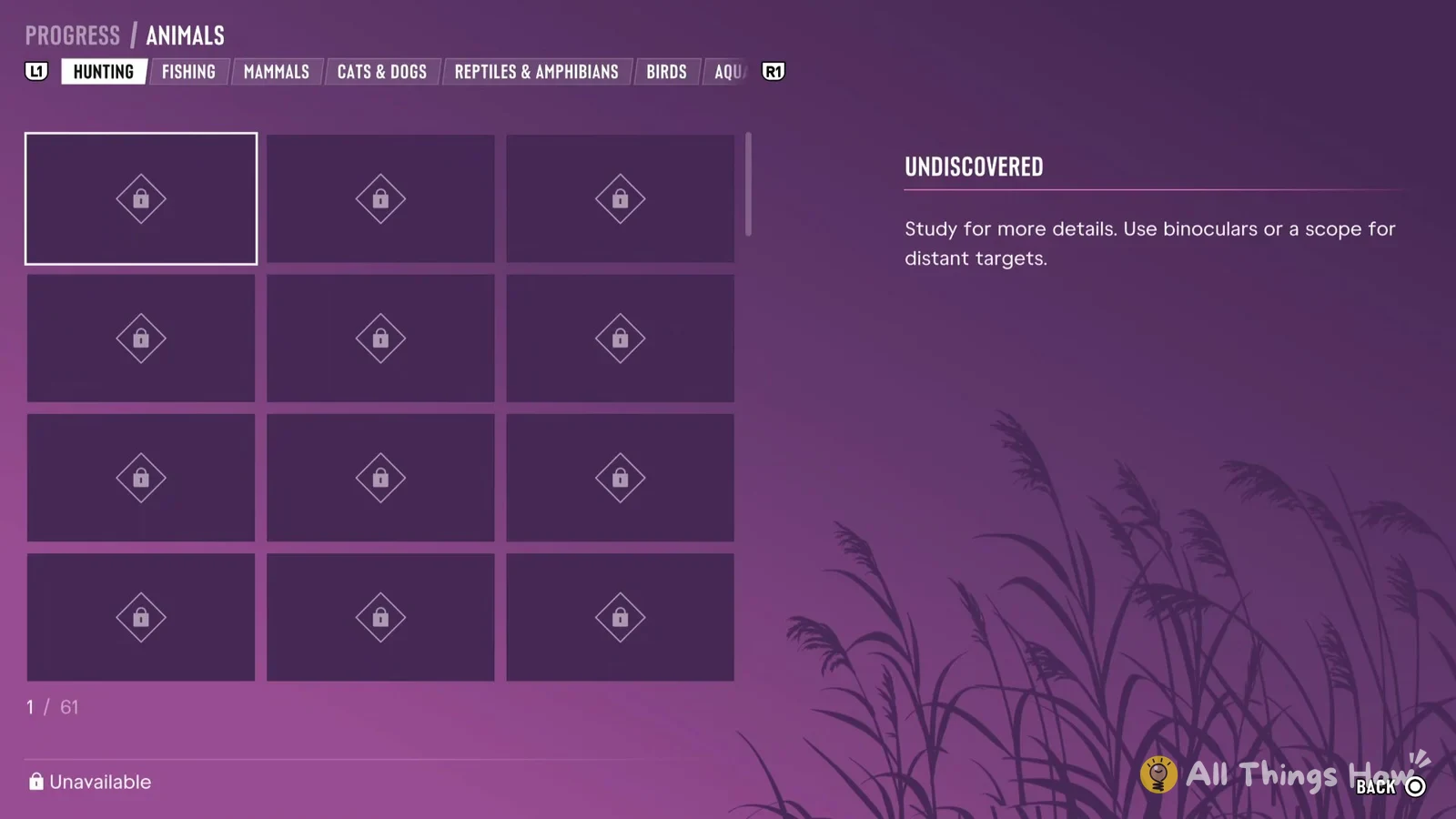
Inside, the tabs run across the top in this order: HUNTING, FISHING, MAMMALS, CATS & DOGS, REPTILES & AMPHIBIANS, BIRDS and AQUATIC. You switch between them with L1 and R1. Each tab keeps its own count, so with one hunting animal found the Hunting tab reads 1 / 61.
Any animal you haven’t found yet shows “UNDISCOVERED” along with the line “Study for more details. Use binoculars or a scope for distant targets.”
How to study and discover animals
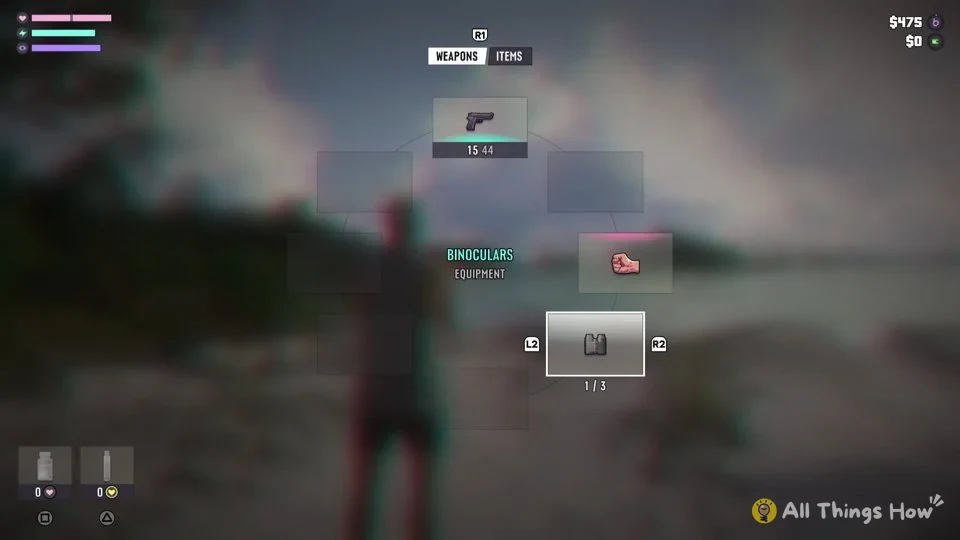
Studying an animal is what fills in its slot. You can do it up close, but for anything far off you’ll want binoculars or a scope. The game describes binoculars as “Used to scope out far-off targets, including enemies and robbery locations. Can also be used to study an animal from a distance.”
Back on the Animals page, that slot no longer reads “UNDISCOVERED” and shows the animal’s details instead.
What an animal’s entry shows
Each animal you discover gets a brief description. The other details depend on which tab it’s in:
- Hunting: Class (Mammal, Reptile, Bird, Amphibian), Recommended Weapon, Key Habitats (Coastal, Forest, Urban, Wetland), plus Killed, Carcasses Sold and Cash from Selling counters. Dangerous animals also count Attacked By.
- Fish: Entries show Habitat (Freshwater or Marine) and Fish Size (Small, Medium, Large). The counters track Largest Caught and Total Caught.
- Cats & Dogs: The counters for each entry are Fed, Praised, Scolded and Petted.
The fish counters only move once you start catching things, so it’s worth learning how to fish before working through the Fishing tab.
Best weapons for hunting each animal
Hunting entries name a recommended weapon, and they fall into three groups by the size of the animal.
| Recommended Weapon | Animals it’s recommended for |
|---|---|
| Wortham W-22 | Rabbits, squirrels, snakes, turtles, iguanas, ducks, turkeys, raccoons |
| Hawk & Little Mediator | Foxes, coyotes, bobcats |
| Shrewsbury SM-69 | Alligators, crocodiles, caimans, bears, deer, wild boar, panthers |
All three show up alongside the rest of the arsenal in the full rundown of every weapon in GTA 6.
The 8 unique animals (Legendary Hunter)
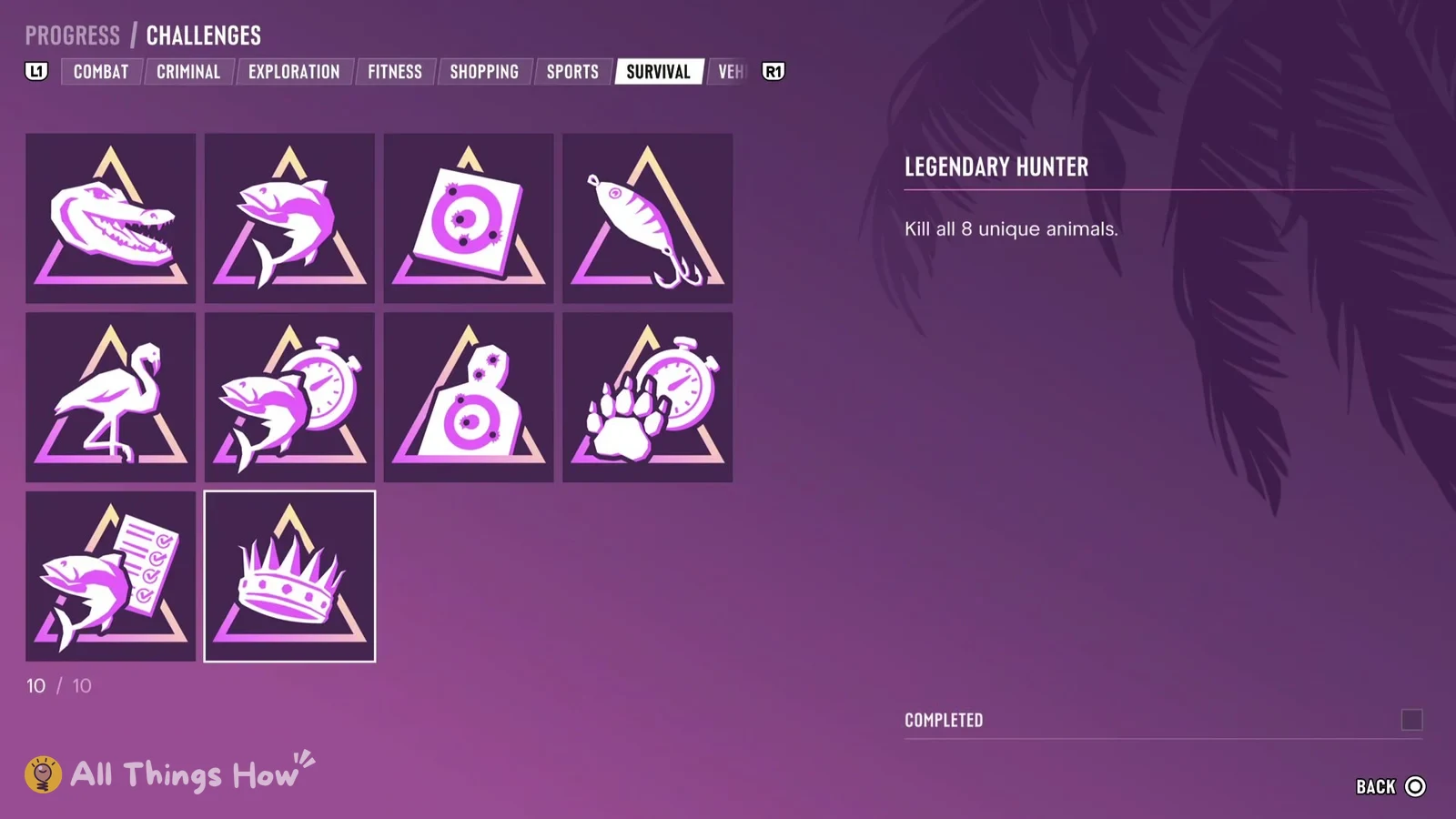
Open Progress > Challenges and go to the SURVIVAL tab to find “LEGENDARY HUNTER”, which asks you to “Kill all 8 unique animals.” Two related challenges sit on the same tab: “ZOOLOGIST” (“Study 20 different animal species.”) and “ALLIGATOR KILLS” (“Kill 3 wild alligators.”). Studying animals for the Animals page counts toward Zoologist as you go, and the rest are in the list of all GTA 6 challenges.
All eight unique animals live on the Hunting tab. Six of them call for the Shrewsbury SM-69, while the coyote and the white fox call for the Hawk & Little Mediator.
| Unique animal | Key Habitats | Recommended Weapon | The game’s description |
|---|---|---|---|
| Unique Swamp Alligator | Wetland | Shrewsbury SM-69 | “This heavily-scarred alligator is said to have killed several people. The wounds covering its swamp-stained body suggest that it is extremely resilient.” |
| Unique Black Bear | Urban, Wetland | Shrewsbury SM-69 | “Large bear that has evaded the Wildlife Conservation Department for years, with sometimes fatal results. Dangerous if provoked.” |
| Unique Wild Boar | Coastal | Shrewsbury SM-69 | “Bizarre and highly belligerent boar with a unique coat and exceptionally long mane. Its broken tusks can still be lethal.” |
| Unique Coyote | Urban | Hawk & Little Mediator | “Notably shaggier than other members of its species, this orange-gold coyote is infamous for devouring neighborhood cats, and will attack humans on sight.” |
| Unique Crocodile | Coastal | Shrewsbury SM-69 | “Jet-black crocodile whose overgrown fangs have penetrated its own snout. Highly dangerous, more closely resembling a prehistoric creature than a present-day animal.” |
| Unique Buck | Coastal, Forest | Shrewsbury SM-69 | “Unique whitetail buck with overgrown antlers, suggesting that it enjoys dominance over other members of its species. Hostile, and very likely to charge human intruders.” |
| Unique White Fox | Forest, Wetland | Hawk & Little Mediator | “Highly unusual fox whose snow-white fur and long ears give it a mystical, otherworldly quality. Said to have eaten a Snapmatic-famous parrot.” |
| Unique Panther | Forest | Shrewsbury SM-69 | “This uncanny, purple-furred panther resembles a saber-toothed ancestor, and is exceptionally dangerous. Rumored to have killed and eaten multiple runners.” |
Rare animal variants
The Hunting tab also has rare colour variants that sit apart from the unique eight: the Albino American Alligator, Albino Spectacled Caiman, Piebald Whitetail Buck, Leonida Black Panther, Black Fox, Golden Fox, Northern Black Coyote, Northern Silver Coyote, Northern Albino Raccoon, Leonida Black Bobcat, Blue Axanthic Iguana, Super Red Iguana, White River Otter and Leonida Wild White Tom. The albino alligator’s entry reads “An uncommon, albino variant of the American alligator, occasionally sighted in Leonida’s wetlands. Dangerous, and best engaged from a distance.”
Alligators
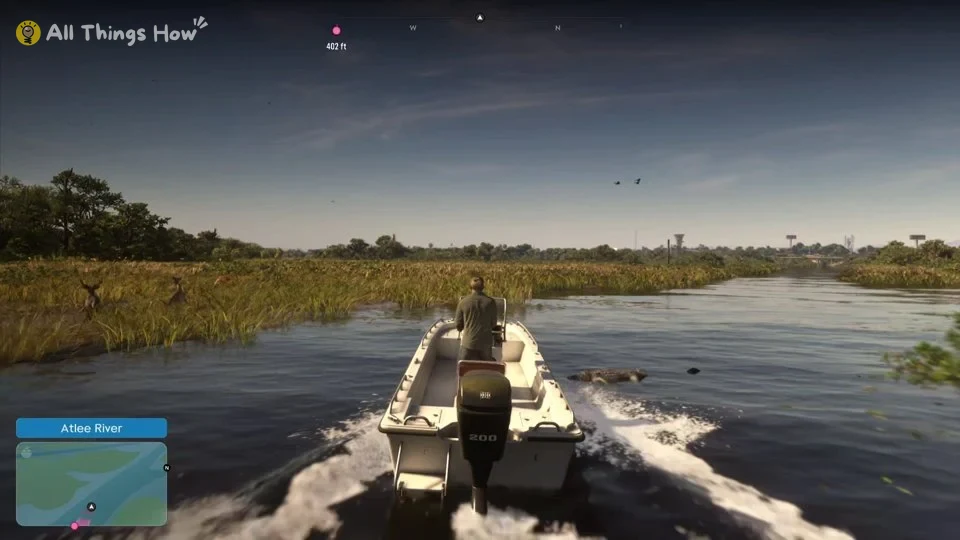
Alligators swim the rivers of Leonida, the Atlee River included, and they count toward the Hunting tab, the Alligator Kills challenge and, for the scarred Unique Swamp Alligator, Legendary Hunter. The Shrewsbury SM-69 is the recommended weapon for all of them. If you’re hunting them down, here’s where to find alligators.
Cats and dogs
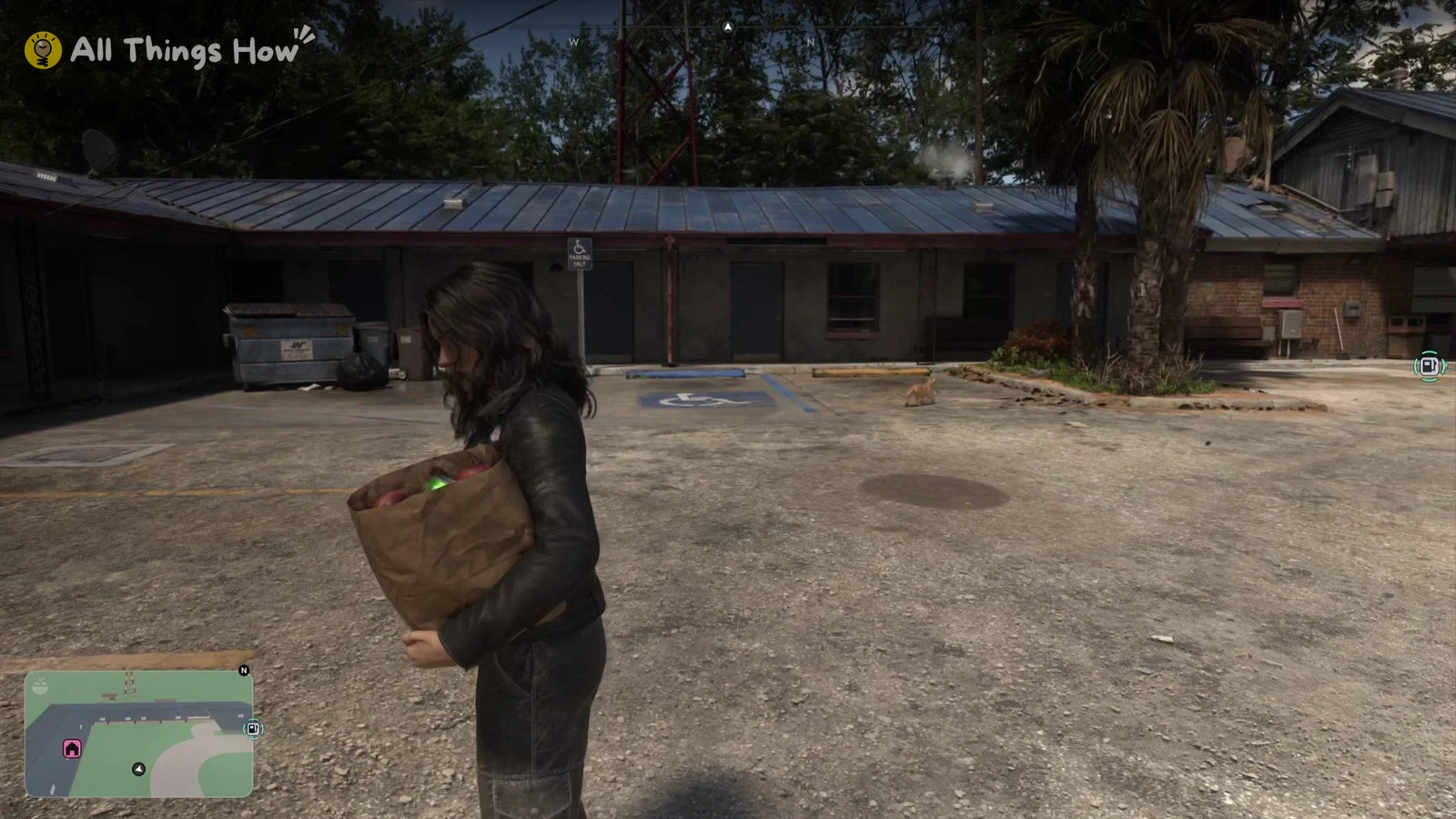
Pets get their own Cats & Dogs tab with 34 entries, covering breeds like the American Shorthair, Balinese and Bengal. They turn up in ordinary spots around Leonida, like the cat that wanders the Starlet Motel car park in Port Gellhorn. Once you’ve discovered one, its entry keeps count of how often you’ve praised, petted, fed or scolded it.
All GTA 6 animals by tab
Below are the animals listed under each Animals page tab, with their in-game descriptions.
Hunting (61)
| Animal | Class | Recommended Weapon | Key Habitats | Description |
|---|---|---|---|---|
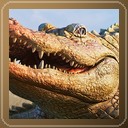 Albino American Alligator | Reptile | Shrewsbury SM-69 | Wetland | “An uncommon, albino variant of the American alligator, occasionally sighted in Leonida's wetlands. Dangerous, and best engaged from a distance.” |
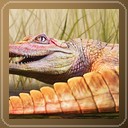 Albino Spectacled Caiman | Reptile | Shrewsbury SM-69 | Wetland | “A rare, albino variant of the spectacled caiman, a small species of crocodile found in Leonida's wetlands. A low-power rifle will take it down in one piece.” |
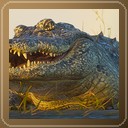 American Alligator | Reptile | Shrewsbury SM-69 | Wetland | “The most famous resident of the wetlands, the American alligator is an apex predator perfectly adapted to its environment. Well camouflaged and easy to miss, hunters should engage it from a distance.” |
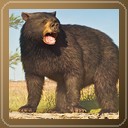 American Black Bear | Mammal | Shrewsbury SM-69 | Forest, Wetland | “Omnivorous and adept at swimming and climbing, the American black bear is at home in a range of habitats, typically favoring forested areas, and is best engaged from a distance.” |
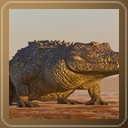 American Crocodile | Reptile | Shrewsbury SM-69 | Coastal | “The American crocodile is the largest reptile in Leonida. More comfortable in salt water than an alligator, it can be most commonly sighted in tropical regions and should be engaged from a safe distance.” |
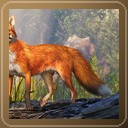 American Red Fox | Mammal | Hawk & Little Mediator | Forest, Wetland | “Larger than its gray cousins and bearing a white tip on its tail, the American red fox is non-native to Leonida. Found in northern forested areas, it should be hunted with a low-power rifle.” |
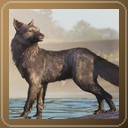 Black Fox | Mammal | Hawk & Little Mediator | Forest | “Although rare, this black-furred fox can occasionally be seen in multiple regions of Leonida. Hunt with a low-power rifle to preserve the carcass.” |
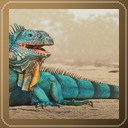 Blue Axanthic Iguana | Reptile | Wortham W-22 | Coastal, Urban | “This rare iguana lacks any red or yellow pigment in its scales, making it a striking electric blue. It prefers warmer, southern regions including urban centers with a source of fresh water. A low-power rifle will take it down in one piece.” |
 Box Turtle | Reptile | Wortham W-22 | Coastal, Forest, Urban, Wetland | “The box turtle is found across Leonida, but is especially common in wetlands, and is named for its ability to seal up its hinged shell like a protective box. Hunters should use restraint or risk destroying the carcass.” |
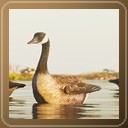 Canada Goose | Bird | Wortham W-22 | Urban, Wetland | “Identifiable by its black head and white cheeks, the Canada goose is a common sight in wetlands and other bodies of fresh water. Territorial and known to charge humans, hunters are advised to use restraint.” |
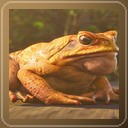 Cane Toad | Amphibian | Wortham W-22 | Coastal, Wetland | “Found predominantly in wetlands, the cane toad is the largest species of toad in the world, and will eat almost anything. Overpowered weapons will ruin the carcass.” |
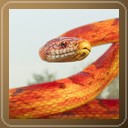 Corn Snake | Reptile | Wortham W-22 | Coastal, Forest, Wetland | “Found in coastal regions, forests, and wetlands, the corn snake can be recognized by its reddish scales. It kills by constriction, but is too small to pose a threat to humans. A gentle kill will preserve the quality of the carcass.” |
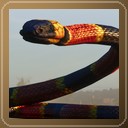 Eastern Coral Snake | Reptile | Wortham W-22 | Coastal, Forest | “The eastern coral snake is a member of the cobra family and can be found in coastal and forested regions of Leonida. Predators may be permanently discouraged by its powerful venom. A low-power rifle will put it down clean.” |
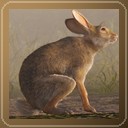 Eastern Cottontail Rabbit | Mammal | Wortham W-22 | Forest, Wetland | “The eastern cottontail rabbit is found in most regions of Leonida, and is easily recognized by its fluffy white tail. They're quick to flee and hard to catch, but a low-power rifle will take them down in one piece.” |
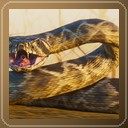 Eastern Diamondback Rattlesnake | Reptile | Wortham W-22 | Coastal, Forest | “The eastern diamondback is recognizable by its signature rattle, often heard in forests. Its venom can be deadly, and hunters should exercise caution and restraint for best results.” |
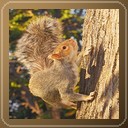 Eastern Gray Squirrel | Mammal | Wortham W-22 | Coastal, Forest, Urban, Wetland | “The eastern gray squirrel is common across Leonida, and can be sighted foraging for acorns, nuts, and seeds. Easy to hunt with a low-power rifle.” |
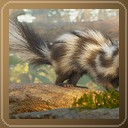 Eastern Spotted Skunk | Mammal | Wortham W-22 | Forest, Urban, Wetland | “Named for its distinctive black and white coat, the eastern spotted skunk is nocturnal, adaptable, and has spread all over the region. Hunt with restraint, or risk destroying the carcass.” |
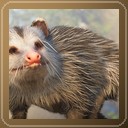 Gloriana Opossum | Mammal | Wortham W-22 | Coastal, Forest, Urban, Wetland | “A small, nocturnal marsupial with a long, flat nose and bald tail, the Gloriana opossum thrives in a range of habitats including urban centers, and is known for playing dead to confuse predators. Hunt with a low-power rifle to preserve the carcass.” |
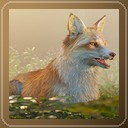 Golden Fox | Mammal | Hawk & Little Mediator | Forest, Wetland | “An uncommon, golden-furred variant of the American red fox, found in northern forested areas. A gentle kill will preserve the quality of the carcass.” |
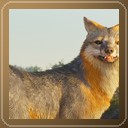 Gray Fox | Mammal | Hawk & Little Mediator | Forest, Wetland | “The gray fox makes its home throughout Leonida, and can be recognized by its mottled gray and tan fur. Hunt with a low-power rifle to preserve the carcass.” |
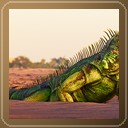 Green Iguana | Reptile | Wortham W-22 | Coastal, Urban, Wetland | “The invasive green iguana has spread all over warm, southern regions of Leonida, including urban centers. It seeks out sources of water, and like most cold-blooded reptiles, spends the day basking in the sun to maintain its body temperature.” |
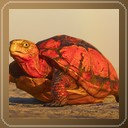 Gulf Coast Box Turtle | Reptile | Wortham W-22 | Coastal, Forest, Urban, Wetland | “Distinguishable from the common box turtle by its bright orange shell, this Gulf Coast species is fond of water and is mostly found in wetlands. A gentle kill will preserve the quality of the carcass.” |
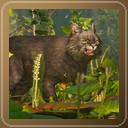 Leonida Black Bobcat | Mammal | Hawk & Little Mediator | Forest, Wetland | “Although rare, this black variant of the Leonida bobcat can occasionally be seen in forested areas. Dangerous if approached, it is safest to hunt at long range.” |
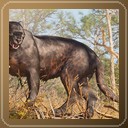 Leonida Black Panther | Mammal | Shrewsbury SM-69 | Forest | “A rare variant of the more common Leonida panther with a darker, spotted coat. It is best hunted from a safe distance.” |
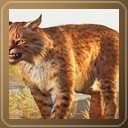 Leonida Bobcat | Mammal | Hawk & Little Mediator | Forest, Wetland | “The Leonida bobcat prowls the forests in search of prey between dusk and dawn, and can be recognized by its shaggy, mottled coat. Naturally shy but dangerous if cornered, it is safest to hunt from a distance.” |
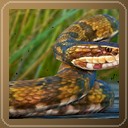 Leonida Cottonmouth | Reptile | Wortham W-22 | Coastal, Wetland | “The Leonida cottonmouth is a highly venomous snake found in the wetlands, and is recognizable by the dark bands running around its thick body. Hunters should use restraint for best results.” |
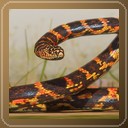 Leonida Kingsnake | Reptile | Wortham W-22 | Coastal, Forest, Wetland | “The Leonida kingsnake is a medium-sized constrictor often found in forests and grassy lowlands, and is recognizable by the yellow bands that break up its brown scales. Hunters using overpowered weapons risk ruining the carcass.” |
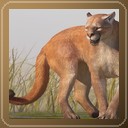 Leonida Panther | Mammal | Shrewsbury SM-69 | Forest, Wetland | “Fast and powerful, the tan-colored Leonida panther can be glimpsed stalking through forests and wetlands. Hunters are advised to engage from a safe distance.” |
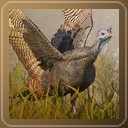 Leonida Wild Turkey | Bird | Wortham W-22 | Forest, Wetland | “A large turkey commonly found in Leonida's forested areas and grassy lowlands. A gentle kill will preserve the quality of the carcass.” |
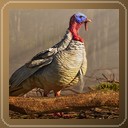 Leonida Wild White Tom | Bird | Wortham W-22 | Forest, Wetland | “An uncommon, white-feathered variant of the Leonida wild turkey. Occasionally spotted around Leonida's forested areas and grassy lowlands, and best hunted with a low-power rifle.” |
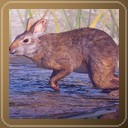 Marsh Rabbit | Mammal | Wortham W-22 | Coastal | “The timid marsh rabbit is most commonly found in wetlands and southern coastal areas. Smaller and with shorter ears than the eastern cottontail, a low-power rifle will put it down clean.” |
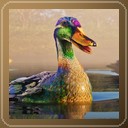 Mosaic Mottled Duck | Bird | Wortham W-22 | Wetland | “A rare, colored variant of the more common mottled duck, sometimes sighted on bodies of fresh water around Leonida. A gentle kill will preserve the quality of the carcass.” |
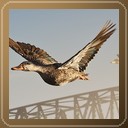 Mottled Duck | Bird | Wortham W-22 | Wetland | “Commonly seen on bodies of fresh water around Leonida, the mottled duck can be identified by the shiny blue patch on each of its wings, and is easily taken down by a low-power rifle.” |
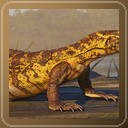 Nile Monitor | Reptile | Wortham W-22 | Wetland | “Leonida's Nile monitor population owes its existence to escaped or released pets that found a home in the region's wetlands. One of the world's largest lizards, a low-power rifle will put it down clean, but its tough skin makes headshots all the more important.” |
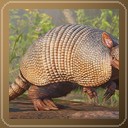 Nine-Banded Armadillo | Mammal | Wortham W-22 | Forest | “Seen predominantly in Leonida's northern forests, the nine-banded armadillo is timid, heavily-armored, and surprisingly quick on its feet. Hunters should aim for the head with a low-power rifle, or risk destroying the carcass.” |
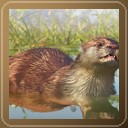 North American River Otter | Mammal | Wortham W-22 | Wetland | “The North American river otter can be found in wetlands and occasionally along rivers. Its dense fur is dark brown and provides excellent insulation. A low-power rifle will take it down in one piece.” |
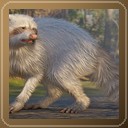 Northern Albino Raccoon | Mammal | Wortham W-22 | Coastal, Forest, Urban, Wetland | “An uncommon, albino variant of the northern raccoon, found in forests, wetlands and areas with a human population. It's nocturnal, and hunters looking to bag it should stick to low-power weapons.” |
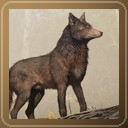 Northern Black Coyote | Mammal | Hawk & Little Mediator | Forest, Wetland | “A rare, black-furred variant of the more common northern coyote, found living in forested areas and wetlands. Best hunted from a safe distance.” |
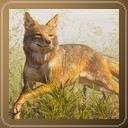 Northern Coyote | Mammal | Hawk & Little Mediator | Forest, Wetland | “The ever-adaptable northern coyote prowls Leonida's forests and wetlands. It is recognizable by its red-gray fur and large ears, and tends to gather in packs. Hunters are advised to take it on at long range.” |
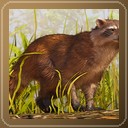 Northern Raccoon | Mammal | Wortham W-22 | Coastal, Forest, Urban, Wetland | “The northern raccoon is nocturnal and can be found in urban areas where a human population provides easy scavenging, as well as forests and wetlands. Hunt with a low-power rifle to preserve the carcass.” |
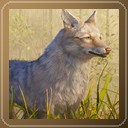 Northern Silver Coyote | Mammal | Hawk & Little Mediator | Forest, Wetland | “Despite its rarity, this silver-furred variant of the more common northern coyote can sometimes be seen prowling through forests and wetlands. Best engaged from a distance.” |
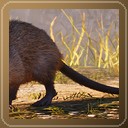 Nutria | Mammal | Wortham W-22 | Wetland | “A semi-aquatic mammal resembling a large rat, the invasive nutria can be sighted in Leonida's wetlands. Hunters using overpowered weapons risk ruining the carcass.” |
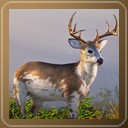 Piebald Whitetail Buck | Mammal | Shrewsbury SM-69 | Forest, Wetland | “Although rare, this piebald variant of the more common whitetail buck can occasionally be seen grazing in forested areas and wetlands. Skittish, and best hunted at long range.” |
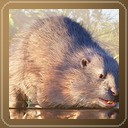 Round-Tailed Muskrat | Mammal | Wortham W-22 | Wetland | “A small rodent found in the wetlands and near sources of fresh water, the round-tailed muskrat is semi-aquatic, and can be recognized by its compact body and long, scaly tail. A gentle kill will preserve the quality of the carcass.” |
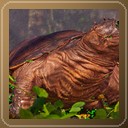 Snapping Turtle | Reptile | Wortham W-22 | Wetland | “The snapping turtle is an ambush predator that lurks in the wetlands. Famous for its fast, bone-crushing bite, hunters should use restraint or risk destroying the carcass.” |
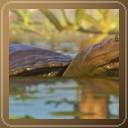 Softshell Turtle | Reptile | Wortham W-22 | Wetland | “Common in wetlands across Leonida, the softshell turtle can be recognized by the long nose it uses to breathe underwater. A low-power rifle will put it down clean.” |
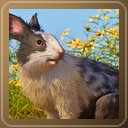 Soot-Spotted Cottontail Rabbit | Mammal | Wortham W-22 | Forest, Wetland | “An unusual, black and white variant of the eastern cottontail, occasionally seen in multiple regions of Leonida. Hunters should use limited firepower, or risk ruining the carcass.” |
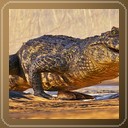 Spectacled Caiman | Reptile | Shrewsbury SM-69 | Wetland | “Although smaller than the other alligator species with which it shares the wetlands, the spectacled caiman is just as resilient. Hunters stalking this predator are advised to engage from a distance.” |
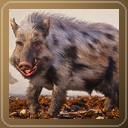 Spotted Wild Boar | Mammal | Shrewsbury SM-69 | Forest, Wetland | “A rare, spotted variant of the more common wild boar. Occasionally seen in forests and wetlands, hunters are advised to take it on at long range.” |
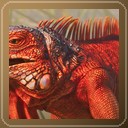 Super Red Iguana | Reptile | Wortham W-22 | Wetland | “Despite its rarity, this red-scaled iguana can occasionally be sighted roaming warmer regions of Leonida. It has adapted well to urban environments and seeks out sources of fresh water. A low-power rifle will take it down in one piece.” |
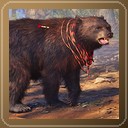 Unique Black Bear | Mammal | Shrewsbury SM-69 | Urban, Wetland | “Large bear that has evaded the Wildlife Conservation Department for years, with sometimes fatal results. Dangerous if provoked.” |
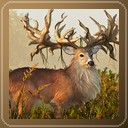 Unique Buck | Mammal | Shrewsbury SM-69 | Coastal, Forest | “Unique whitetail buck with overgrown antlers, suggesting that it enjoys dominance over other members of its species. Hostile, and very likely to charge human intruders.” |
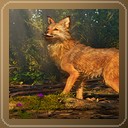 Unique Coyote | Mammal | Hawk & Little Mediator | Urban | “Notably shaggier than other members of its species, this orange-gold coyote is infamous for devouring neighborhood cats, and will attack humans on sight.” |
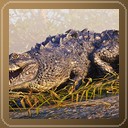 Unique Crocodile | Reptile | Shrewsbury SM-69 | Coastal | “Jet-black crocodile whose overgrown fangs have penetrated its own snout. Highly dangerous, more closely resembling a prehistoric creature than a present-day animal.” |
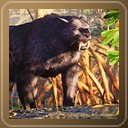 Unique Panther | Mammal | Shrewsbury SM-69 | Forest | “This uncanny, purple-furred panther resembles a saber-toothed ancestor, and is exceptionally dangerous. Rumored to have killed and eaten multiple runners.” |
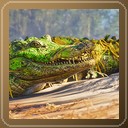 Unique Swamp Alligator | Reptile | Shrewsbury SM-69 | Wetland | “This heavily-scarred alligator is said to have killed several people. The wounds covering its swamp-stained body suggest that it is extremely resilient.” |
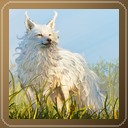 Unique White Fox | Mammal | Hawk & Little Mediator | Forest, Wetland | “Highly unusual fox whose snow-white fur and long ears give it a mystical, otherworldly quality. Said to have eaten a Snapmatic-famous parrot.” |
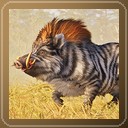 Unique Wild Boar | Mammal | Shrewsbury SM-69 | Coastal | “Bizarre and highly belligerent boar with a unique coat and exceptionally long mane. Its broken tusks can still be lethal.” |
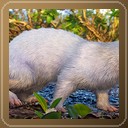 White River Otter | Mammal | Wortham W-22 | Wetland | “An uncommon, white-furred variant of the North American river otter found in Leonida's wetlands and near its rivers. A gentle kill will preserve the quality of the carcass.” |
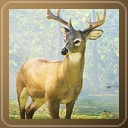 Whitetail Deer | Mammal | Shrewsbury SM-69 | Wetland | “The whitetail deer can be spotted grazing in forests, wetlands, and grassy lowlands. Easily startled, hunters should pick it off from afar.” |
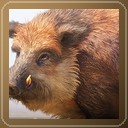 Wild Boar | Mammal | Shrewsbury SM-69 | Forest, Wetland | “Bulky and aggressive, the wild boar can be found foraging in forests and wetlands throughout Leonida, and is mostly nocturnal. Because of its tendency to charge unwary humans, it is safest to hunt at long range.” |
Fishing (35)
| Fish | Habitat | Fish Size | Description |
|---|---|---|---|
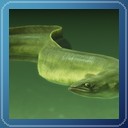 American Eel | Freshwater | Medium | “The slender American eel can be recognized by the dorsal and ventral fins that run down its length, connecting at the tip of its tail. It can be found in nearly all bodies of fresh water.” |
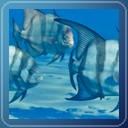 Atlantic Spadefish | Marine | Medium | “A small, disc-shaped fish with a distinctive dorsal fin and black stripes, the Atlantic spadefish can be found in most regions of the Leonida coast.” |
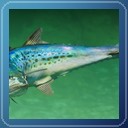 Atlantic Spanish Mackerel | Marine | Small | “A slim, silvery fish that can be identified by the yellow spots that decorate its scales, the mackerel can be found throughout Leonida's coastal waters.” |
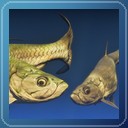 Atlantic Tarpon | Marine | Large | “A large-mouthed fish with silver-green scales, the Atlantic tarpon is found everywhere in Leonida's oceans, in both coastal and deeper waters.” |
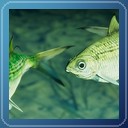 Atlantic Thread Herring | Marine | Small | “The tiny Atlantic thread herring is notable for its trailing, hair-like dorsal fin, and is found off Leonida's west coast and in deeper waters to the east.” |
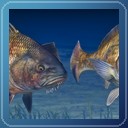 Black Drum | Marine | Large | “Easily recognizable by its black stripes and beard-like barbels, the black drum can be found in coastal waters to the north and west.” |
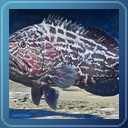 Black Grouper | Marine | Medium | “The black grouper is actually olive-colored with a mottled tortoiseshell pattern, and mostly lives in coastal and deeper waters to the west of Leonida.” |
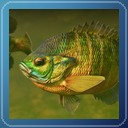 Bluegill | Freshwater | Small | “The bluegill is named for the vivid flashes of color on its face and gills. It can be found in nearly all bodies of fresh water in Leonida.” |
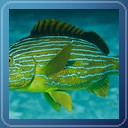 Bluestriped Grunt | Marine | Small | “A tropical yellow fish easily identified by its electric blue stripes, the bluestriped grunt can be found in warmer waters to the south of Leonida.” |
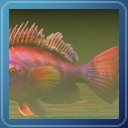 Candy Fish | Freshwater | Large | “A mutated form of the common salt fish, this unusual variant owes its appearance to industrial waste in Lake Leonida.” |
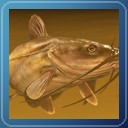 Channel Catfish | Freshwater | Medium | “The most common catfish in North America, the channel catfish can be identified by its whisker-like barbels and is found in wetlands.” |
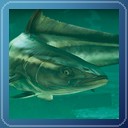 Cobia | Marine | Large | “Notable for the thick brown bands running from its flat head to its forked tail, the cobia can be found in the deep ocean surrounding Leonida.” |
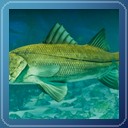 Common Snook | Marine | Medium | “The common snook is most easily identified by the thin black line that runs from its gills to its tail. They're found off the east coast but are notable for their ability to migrate through rivers.” |
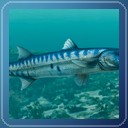 Great Barracuda | Marine | Large | “With powerful jaws and needle-like teeth, the great barracuda is a predatory, silver-blue fish that hunts off the south coast of Leonida and deeper waters to the east.” |
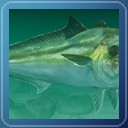 Greater Amberjack | Marine | Large | “A predatory fish with a blue-gray body and black dorsal fin, the greater amberjack can be found in coastal and deeper waters to the east of Leonida.” |
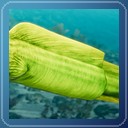 Green Moray Eel | Marine | Large | “The green moray eel is easily recognized by its slim profile and distinctive coloration. It makes its home in the coral reefs of Leonida's coastal waters.” |
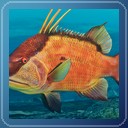 Hogfish | Marine | Medium | “Famed for its unusual, pig-like snout, the hogfish is also notable for its bright pink coloration and long dorsal spines. Found in warm coastal waters to the south and west.” |
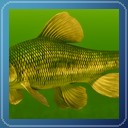 Lake Chubsucker | Freshwater | Small | “The lake chubsucker can be recognized by its sucker-like mouth and green-bronze scales, and lives in the calm waters of Leonida's rivers and lakes.” |
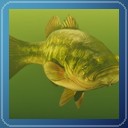 Largemouth Bass | Freshwater | Small | “Named for its wide, gaping jaws, the largemouth bass is an olive-colored fish often found in Leonida's northern rivers, lakes, and wetlands.” |
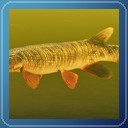 Leonida Gar | Freshwater | Medium | “An ambush predator with an elongated, almost gator-like snout, the Leonida gar is found in wetlands and large bodies of fresh water.” |
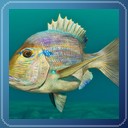 Littlehead Porgy | Marine | Small | “Known for its tall, flat face and blue stripes, the littlehead porgy can be sighted in coastal waters to Leonida's south and west.” |
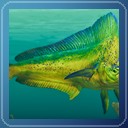 Mahi-Mahi | Marine | Large | “Easily recognized by its blue-green coloration, bulbous head, and thick dorsal fin, the mahi-mahi can be found in coastal reefs and deeper waters surrounding Leonida.” |
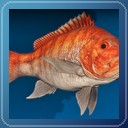 Northern Red Snapper | Marine | Medium | “Named for its brightly-colored scales, the northern red snapper has a thick body and a short, spiny dorsal fin. It is most common in warmer waters to the west of Leonida.” |
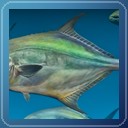 Permit | Marine | Large | “The silver-scaled permit can be identified by its bulbous profile and scythe-shaped dorsal fin, and is found throughout Leonida's oceans.” |
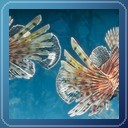 Red Lionfish | Marine | Medium | “Among the most dangerous fish on earth, the red lionfish is an invasive species that can deliver a powerful venom through its colorful spines. It can be found in southern coastal waters.” |
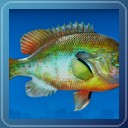 Redbreast Sunfish | Freshwater | Small | “Recognizable by its red pigmentation and the elongated flap that covers its gills, the redbreast sunfish can be found in bodies of fresh water in the north of Leonida.” |
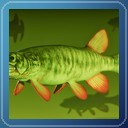 Redfin Pickerel | Freshwater | Small | “Identifiable by its reddish fins and the wavy pattern on its scales, the redfin pickerel can be sighted in bodies of fresh water all over Leonida.” |
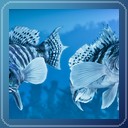 Rock Sea Bass | Marine | Small | “The rock sea bass is smaller than many other bass species, and can be recognized by its dark stripes and the black spots that decorate its fins. It can be found in coastal waters to the north and west.” |
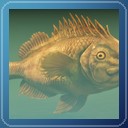 Salt Fish | Freshwater | Medium | “A midsize freshwater fish with dull brown scales and a spiny dorsal fin, found living in Lake Leonida. Some members of the species have been spotted exhibiting unusual changes.” |
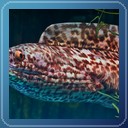 Spotted Moray Eel | Marine | Medium | “The spotted moray eel uses its distinctive pigmentation to blend in against the coastal coral reefs where it makes its home.” |
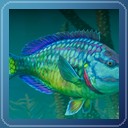 Stoplight Parrotfish | Marine | Small | “Named for the yellow spot by its gills, the stoplight parrotfish is easily identified thanks to its brightly-colored scales. It can be found off Leonida's southern coast.” |
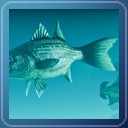 Striped Bass | Marine | Medium | “Notable for the dotted lines that run from its gills to its tail, the striped bass lives in coastal waters to the north and west.” |
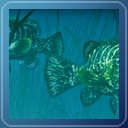 Tiger Grouper | Marine | Medium | “The tiger grouper is named for the white stripes that decorate its scales, and can be found throughout Leonida's southern and western waters.” |
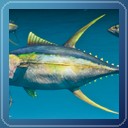 Yellowfin Tuna | Marine | Large | “Easily recognized by the yellow coloration of its prominent dorsal fin, the yellowfin tuna can be located in deeper ocean waters to the west.” |
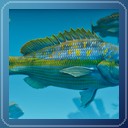 Yellowtail Snapper | Marine | Small | “Named for its forked, brightly-colored tail, the yellowtail snapper lives in coastal waters to the south and deeper waters to the west.” |
Mammals (18)
| Animal | Description |
|---|---|
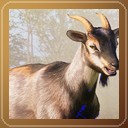 Alpine Goat | “The Alpine goat can be seen in Leonida's farmland and is known to charge careless visitors. Easily recognized by its horns and beard.” |
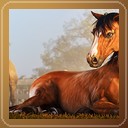 American Quarter Horse | “Famed for its speed over short distances, the American quarter horse can be found grazing on ranches around rural Leonida.” |
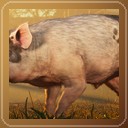 American Yorkshire Pig | “The American Yorkshire pig is a staple of the Leonida barnyard. Rotund, pink, and voraciously hungry, it will eat anything.” |
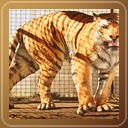 Bengal Tiger | “An apex predator native to Asia, some Bengal tigers can be found in Leonida's wildlife parks and illegal zoos. Powerful and ferocious, it should be approached with extreme caution.” |
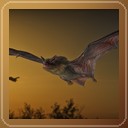 Big Brown Bat | “The big brown bat thrives in a variety of habitats. Like most bats, it is nocturnal, and navigates using echolocation. As its name suggests, it is one of Leonida's largest bat species.” |
 Bottlenose Dolphin | “Famed for its intelligence, the bottlenose dolphin is a common sight in the oceans surrounding Leonida, and can be recognized by its long snout and the distinctive clicking sound it makes.” |
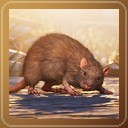 Brown Rat | “Adaptable, intelligent, and with a talent for survival, the brown rat can thrive in virtually any environment, especially near humans. Predators can't make a dent in Leonida's rodent population.” |
 Chimpanzee | “Powerful, intelligent, and highly adaptable, chimps can be found in some of Leonida's research facilities and exotic zoos.” |
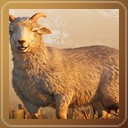 Gulf Coast Sheep | “A common sight on farmland across the region, the Gulf Coast sheep is a relatively small species with no wool on its face, legs, or belly – an adaptation to the hot climate.” |
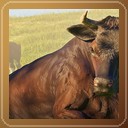 Holstein Cattle | “Holstein cattle are found in farmland, and are unmistakable thanks to their black and white coloration. The backbone of Leonida's dairy industry.” |
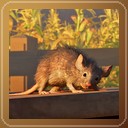 House Mouse | “The tiny house mouse is a common pest most likely to be found in urban centers. Mostly nocturnal.” |
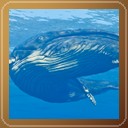 Humpback Whale | “The humpback whale is best known for breaching the deep ocean surface in acrobatic displays. Easily distinguished from other large whales by its elongated flippers and the bumps on its head.” |
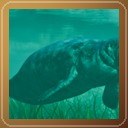 Leonida Manatee | “A large aquatic mammal, the iconic Leonida manatee can be glimpsed in coastal waters, especially in warm southern regions. Gentle and slow, this defenseless creature surprisingly has no natural predators.” |
 Orca | “Recognizable by its sleek profile and black and white coloration, the orca is an apex predator that hunts using echolocation. The most famous orca in Leonida is the star attraction at Vice City Oceanarium.” |
 Rhesus Macaque | “A small monkey native to Southeast Asia, the rhesus macaque is highly gregarious, and is recognizable by its bright pink face. A few can be found in captivity.” |
 Short-Beaked Common Dolphin | “Much smaller than the bottlenose dolphin, the short-beaked common dolphin is found off the Leonida coast, and is recognizable by an hourglass pattern on its side.” |
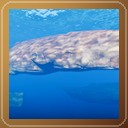 Sperm Whale | “The largest toothed predator on earth, the sperm whale also has the biggest brain of any animal. Occasionally glimpsed in the deep oceans surrounding Leonida, it can be identified by its large, angular head.” |
 White-Headed Capuchin | “One of Leonida's smaller monkeys, the white-headed capuchin was imported from Central America and a few specimens can be found living in captivity. Noted for its intelligence, it is identifiable by the white fur surrounding its face.” |
Cats & Dogs (34)
| Animal | Description |
|---|---|
 American Foxhound | “The athletic American foxhound was bred for hunting, and is known for its boundless energy and loyal nature. Muscular and friendly.” |
 American Pit Bull Terrier | “Stocky and powerful with a smooth, bullet-like head, pit bulls are found around Leonida, both as domestic pets and employed as guard dogs.” |
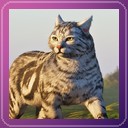 American Shorthair | “A common sight around Leonida, the American shorthair is the nation's favorite housecat.” |
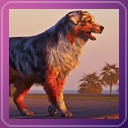 Australian Shepherd | “Bred for herding livestock, the Australian shepherd can be spotted around Leonida and is notable for its its dense, multicolored coat. Playful, and highly intelligent.” |
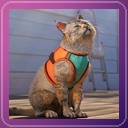 Balinese | “A long-haired domestic cat with piercing blue eyes, the Balinese has been a popular pet in Leonida for decades.” |
 Belgian Malinois | “The Belgian Malinois is a well-muscled, short-haired sheepdog, and is often employed by militaries worldwide thanks to its athleticism and intelligence.” |
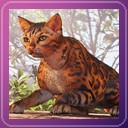 Bengal | “An unusual housecat resulting from exotic crossbreeding, the Bengal is easily recognized by its distinctive leopard print fur.” |
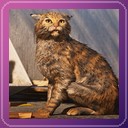 Blotched Tabby | “An enduringly popular domestic breed, the blotched tabby is found everywhere, and thrives both as a housecat and a stray.” |
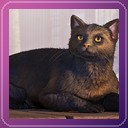 Bombay | “The Bombay cat has a jet black coat and striking golden eyes. Its muscular build makes it look almost like a miniature black panther.” |
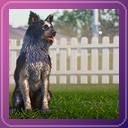 Border Collie | “Originating in Britain, the border collie is still used today for sheep herding, and is a popular pet in Leonida. Noted for its exceptional agility, intelligence, and obedience.” |
 Boxer | “A short-haired mastiff with a square jaw and a strong bite, the boxer is a popular pet in Leonida, and is known for being very protective of its owner.” |
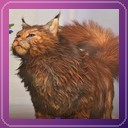 Bullworth Longhair | “Larger than most domestic cat species, the Bullworth coon can also be identified by its unusually shaggy coat. These rare attributes make it a highly sought-after pet.” |
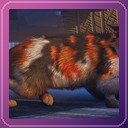 Calico | “Known for its black, white, and orange fur, the calico cat makes a pleasing addition to any Leonida home, but is equally comfortable roaming the streets.” |
 Catahoula Cur | “A large, muscular dog with an angular physique, the Catahoula Cur was bred for hunting and herding livestock. In Leonida, it's often employed as a guard dog.” |
 Chihuahua | “The world's tiniest dog breed, chihuahuas originated in Mexico and are popular as pets. They crave human attention, but occasionally reward it with surprising levels of aggression.” |
 Chocolate Longhair | “A common housecat whose long fur is a rich chocolate brown. Frequently seen wherever there are people.” |
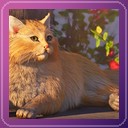 Cream Longhair | “This long-haired, cream-colored cat can be found prowling Leonida's streets and alleyways in search of prey.” |
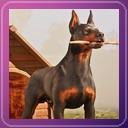 Doberman Pinscher | “Intelligent, athletic, and with a reputation for ferocity, Dobermans are often used as guard dogs. Similar to the Rottweiler, but sleeker and less stocky.” |
 French Bulldog | “A sought-after pet breed, especially among city dwellers, the French bulldog is known for its soft, wrinkled coat, short nose, and large ears. Playful and alert.” |
 German Shepherd | “The German shepherd is frequently used by law enforcement and as a guard dog, thanks to its speed, strength, and remarkable intelligence. Recognizable by its long neck, thick coat, and strong jaw.” |
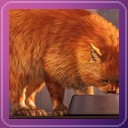 Ginger Longhair | “Identifiable by its long, ginger fur, this cat is often seen in urban centers and beyond, thriving in most environments.” |
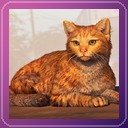 Ginger Tabby | “The ever-adaptable ginger tabby has been a staple of Leonida's streets for most of its history, and is a common sight across the region.” |
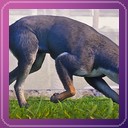 Gloriana Dog | “Often used as a guard dog, the Gloriana dog bears a resemblance to the wild Australian dingo, with large, slender ears, a long snout, and a graceful build.” |
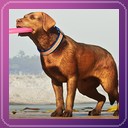 Labrador Retriever | “Playful, energetic, and forever eager to please, the Labrador retriever is hugely popular as a pet. It's known for its intelligence, and is also a very strong swimmer.” |
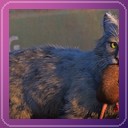 Mackerel Tabby | “A common cat that gets its name from the fishbone pattern of its striped fur, the mackerel tabby can be found in most inhabited areas.” |
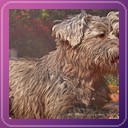 Maltese Dog | “Friendly and intelligent, the Maltese dog can be recognized by its silky coat, and is a popular choice among Leonidan dog owners.” |
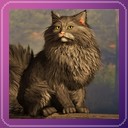 Persian | “Famed for its long, thick fur, the Persian cat is a popular choice among pet owners with a taste for luxury, and is known for its laid-back demeanor.” |
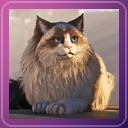 Ragdoll | “The large, silky ragdoll cat is named for its tendency to go limp when picked up, and can be spotted in Leonida wherever there are people.” |
 Red Tabby | “The friendly, outgoing red tabby is known for its affectionate personality, and can be recognized across Leonida by its distinctive coloration.” |
 Rottweiler | “The Rottweiler is the Doberman's beefier cousin, sharing its black and tan coloration but sacrificing elegance and athleticism for power and muscle. A popular guard dog, for obvious reasons.” |
 Russian Blue | “A short-haired pedigree cat easily identified by its luxurious blue-gray coat, the Russian blue is also known for its intelligence and gentle disposition.” |
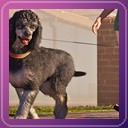 Standard Poodle | “Known for its luxurious, woolly coat, the poodle has long been a popular choice for those seeking a fancier pet. They originated as working dogs, and are friendly, alert, and smart.” |
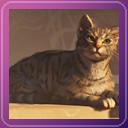 Striped Tabby | “The striped tabby roams the streets and alleyways of Leonida. Like all tabbies, it can be recognized by the dark, M-shaped mark on its forehead.” |
 Yorkshire Terrier | “Once used to hunt rats in its native Britain, the Yorkshire terrier is one of the smallest dog breeds, and is now better known for its feisty, playful nature and rich coat.” |
Reptiles & Amphibians (6)
| Animal | Description |
|---|---|
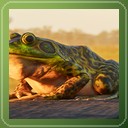 American Bullfrog | “A common sight in wetlands and by rivers to the north, the American bullfrog will eat anything it can fit in its mouth and is considered an invasive species in Leonida.” |
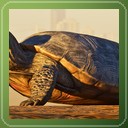 Gopher Tortoise | “Named for its habit of digging deep burrows, the gopher tortoise can be found in sandy hills and coastal areas. Timid, and quick to withdraw into its shell if threatened.” |
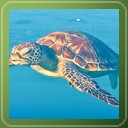 Green Sea Turtle | “The largest of all hard-shelled turtles, the green sea turtle is a common sight around reefs and coastal waters.” |
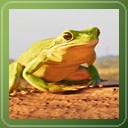 Green Tree Frog | “The American green tree frog is found in Leonida's wetlands. Tiny, nocturnal, and well-camouflaged, it is recognizable by its bulbous eyes and spindly legs.” |
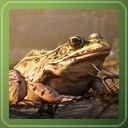 Southern Leopard Frog | “Nocturnal, and named for the distinctive, spotted pattern of its skin, the southern leopard frog makes its home in wetlands.” |
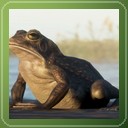 Southern Toad | “The southern toad is nocturnal, spending the day in a burrow that it digs in areas with soft soil. It can be spotted in wetlands and farmland.” |
Birds (60)
| Animal | Description |
|---|---|
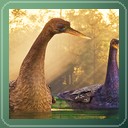 American Anhinga | “The anhinga is a large, slim water bird with a long, dagger-like beak. A talented swimmer, it is most commonly seen in wetlands.” |
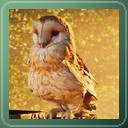 American Barn Owl | “The American barn owl can be sighted throughout Leonida, especially the northern regions. It is among the region's most successful nocturnal hunters, relying almost entirely on its acute sense of hearing.” |
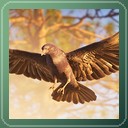 American Crow | “Noted for its unusual intelligence and distinctive cry, the common American crow can be spotted perching on trees and buildings across Leonida.” |
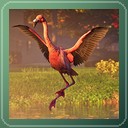 American Flamingo | “The American flamingo can occasionally be spotted in Leonida's wetlands. Once thought extinct in America, it is unmistakable thanks to the pink plumage caused by its shrimp-based diet.” |
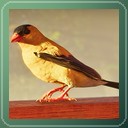 American Goldfinch | “The striking American goldfinch is easily spotted thanks to its bright plumage, and is mostly found in northern forests. It is surprisingly territorial.” |
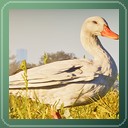 American Pekin Duck | “Larger than many other duck species in Leonida, the American Pekin duck can be identified by its robust build, white feathers, and long bill. It can be sighted on farms around the region.” |
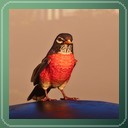 American Robin | “A small migratory songbird with a reddish breast and gray-black head, the American robin can be occasionally be found in both urban areas and the countryside.” |
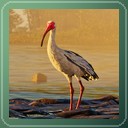 American White Ibis | “A mid-sized wading bird with a curved orange beak, the American white ibis can be found in bodies of fresh water in coastal regions and wetlands.” |
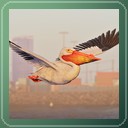 American White Pelican | “The American white pelican is the larger of Leonida's two pelican species, and can be found foraging in wetlands, near rivers, and in coastal regions.” |
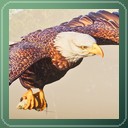 Bald Eagle | “America's best-known bird of prey, the bald eagle can be glimpsed hunting small animals across Leonida, and is easily recognizable by its distinctive white head.” |
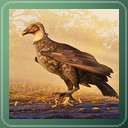 Black Vulture | “Occasionally spotted in various regions of Leonida, the black vulture is a carrion bird with black plumage and a gray-black head. Territorial, and like all vultures, it has excellent eyesight and a strong sense of smell.” |
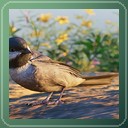 Black-Capped Chickadee | “A tiny bird with black and white plumage, the black-capped chickadee can mostly be spotted in mountainous northern regions.” |
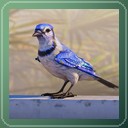 Blue Jay | “Often seen flocking in Leonida's forests and occasionally in urban centers, the blue jay is one of the region's most distinctive birds. It has striking blue plumage and an unmistakable crest.” |
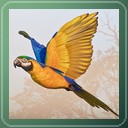 Blue-and-Yellow Macaw | “One of the world's most recognizable birds, the blue-and-yellow macaw is famed for its bright plumage and its ability to mimic human speech. Most are confined to Leonidas zoos, but a few have escaped and colonized neighborhoods.” |
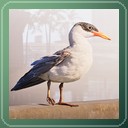 Caspian Tern | “The largest bird in the tern family, the Caspian tern is found all around the Leonida coast. Recognizable by its black cap and bright orange beak.” |
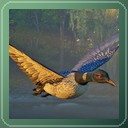 Common Loon | “A solitary waterfowl, the common loon is found in Leonida's wetlands and bodies of fresh water. Easily recognizable by its black and white plumage and red eyes. Skilled at swimming and flying, they are virtually helpless on dry land.” |
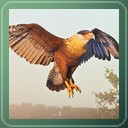 Crested Caracara | “The crested caracara is a distinctive bird of prey from the falcon family that makes its home in the forests and mountains of northern Leonida. Easily identified by its blue-tipped beak.” |
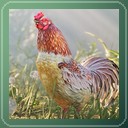 Cubalaya Chicken | “A domestic chicken native to Cuba, the Cubalaya can be seen in some urban centers, especially in the south. Notably larger than a leghorn and distinguishable by its darker plumage.” |
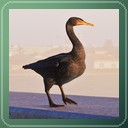 Double-Crested Cormorant | “The double-crested cormorant is a black-feathered water bird with a hooked beak and an orange face, and is found in wetlands, rivers and coastal regions, mostly in the south of Leonida. They are expert divers.” |
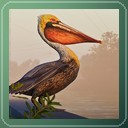 Eastern Brown Pelican | “The eastern brown pelican can be sighted in coastal regions, including urban centers, and is best known for diving into the water to scoop up fish in a specialized pouch beneath its giant bill. The smaller of the region's two pelican species.” |
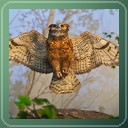 Eastern Great Horned Owl | “The eastern great horned owl is found across Leonida, including urban areas. Like most owls, it is a nocturnal hunter, and is easily recognizable by the feathered, horn-like tufts for which it is named.” |
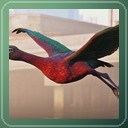 Glossy Ibis | “The glossy ibis wades through shallow waters, spearing prey with its sickle-shaped bill. This dark-feathered water bird can be found in wetlands and coastal regions.” |
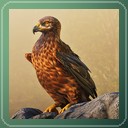 Golden Eagle | “Named for its distinctive coloration, the golden eagle is a massive bird of prey that hunts small mammals. It can be observed in mountainous northern regions.” |
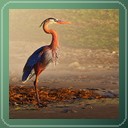 Great Blue Heron | “As its name suggests, the great blue heron is a large wading bird, with a mild blue tint to its plumage. It can be found in wetlands, coastal regions and near rivers, and uses its pointed beak to spear prey.” |
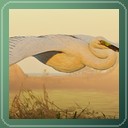 Great Egret | “Found in wetlands and occasionally in coastal regions, the great egret is a large wading bird with white plumage and a long, pointed beak. It is highly territorial.” |
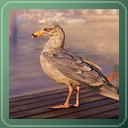 Herring Gull | “The opportunistic herring gull takes full advantage of human populations, and can be seen scavenging in any urban area with a nearby source of water.” |
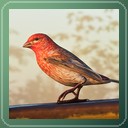 House Finch | “An invasive species, the tiny house finch is commonly found in habitats including northern forests and urban centers, and can be recognized by the red plumage on its head.” |
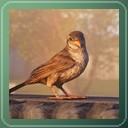 House Sparrow | “The tiny, gray and brown house sparrow is found everywhere in Leonida, but has come to favor urban environments. Highly adaptable.” |
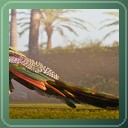 Indian Peacock | “Recognizable by its iridescent tail, the Indian peacock can occasionally be spotted running feral in urban areas. Beautiful but loud.” |
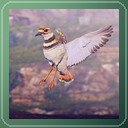 Killdeer | “A small wading bird with a distinctive cry, found foraging in coastal areas. Recognizable by the double black bands around its breast.” |
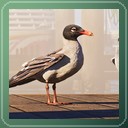 Laughing Gull | “Distinguishable from the better-known American herring gull by its black head and distinctive call, the laughing gull can be seen in coastal regions and urban centers.” |
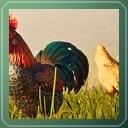 Leghorn Chicken | “One of the region's most common domesticated birds, the leghorn hen is a permanent fixture on farms around Leonida.” |
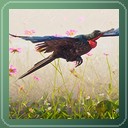 Magnificent Frigatebird | “A talented hunter of fish, the magnificent frigatebird can be seen diving into the water in coastal areas. The males have a distinctive red throat, which they can inflate to attract a mate.” |
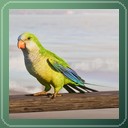 Monk Parakeet | “The monk parakeet is a small green parrot whose coloration serves as camouflage in leafy environments. Those found in Leonida's southern urban centers are escaped pets, and are highly intelligent.” |
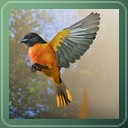 New World Oriole | “Found mostly in forests, and on occasion in urban centers, the New World oriole is a small migratory songbird. Recognizable by its striking orange plumage, thick beak, and the white bars on its wings.” |
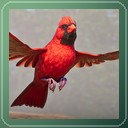 Northern Cardinal | “A common sight in Leonida's forests and increasingly in urban centers, the northern cardinal is a small, sparrow-like songbird with famously bright plumage and a distinctive crest.” |
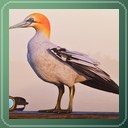 Northern Gannet | “A long-necked seabird with white plumage and black wing tips, the northern gannet can be spotted hunting for fish in bodies of water around Leonida.” |
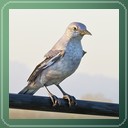 Northern Mockingbird | “A small gray-brown bird famed for its intelligence and mimicry, northern mockingbirds can be seen squabbling in forests across Leonida, particularly in northern regions.” |
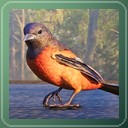 Orchard Oriole | “Smaller and less striking than some of its cousins, the orchard oriole is a small songbird with ochre plumage, and can be seen in mountainous, northern regions.” |
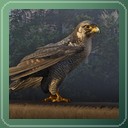 Peregrine Falcon | “Famous for its speed and highly adaptable, the peregrine falcon has adapted to hunt other birds in urban centers. Its rapid diving attacks make it the world's fastest animal.” |
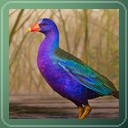 Purple Gallinule | “The purple gallinule is a small wading bird with blue-green plumage and extremely long toes. While they can fly, they are typically seen running or swimming through the wetlands of Leonida.” |
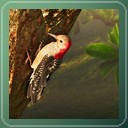 Red-Bellied Woodpecker | “Although named for the coloration of its breast, the red-bellied woodpecker is more easily identified by a more vivid red splash on its crown. It can be found pecking trees all over Leonida.” |
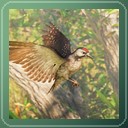 Red-Cockaded Woodpecker | “Named for the tiny flash of red on the sides of its black-capped head, the red-cockaded woodpecker can be seen across Leonida, and makes its home in large trees.” |
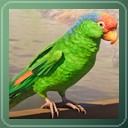 Red-Crowned Parrot | “A midsized green parrot with a striking red splash on its forehead, the red-crowned parrot is native to Mexico and listed as endangered. Leonida has a few specimens in captivity.” |
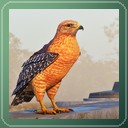 Red-Shouldered Hawk | “A bird of prey with reddish plumage and a long tail, the red-shouldered hawk is common across Leonida, favoring wetlands and forests.” |
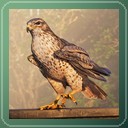 Red-Tailed Hawk | “A large bird of prey named for its signature plumage, the red-tailed hawk can be seen across Leonida, predominantly in forests, and has a distinctive cry.” |
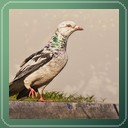 Rock Pigeon | “Few regions are untouched by the common rock pigeon, and Leonida is no exception. It has adapted particularly well to urban areas.” |
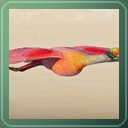 Roseate Spoonbill | “The roseate spoonbill is a large wading bird with a wide-tipped bill and bright pink plumage resulting from its diet. Once hunted to near extinction in North America, they can now be found in Leonida's wetlands.” |
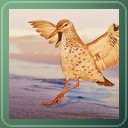 Sanderling | “The sanderling is a small wading bird found in sandy coastal areas across Leonida. It has mottled gray-white plumage and a pointed, elongated bill which it uses to hunt buried prey.” |
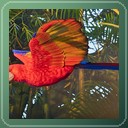 Scarlet Macaw | “Like many parrots, the scarlet macaw is known for its brightly-colored plumage and talent for mimicry, and has been a popular pet for decades. A few can be found in captivity in Leonida.” |
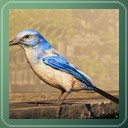 Scrub Jay | “Similar to the blue jay but lacking its signature crest, the blue-gray scrub jay keeps to wetlands and coastal areas, where it can be seen flocking.” |
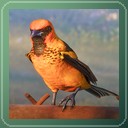 Spot-Breasted Oriole | “Found in Vice City's more suburban areas, the spot-breasted oriole is a small songbird, distinguished by the black spots that decorate its orange plumage.” |
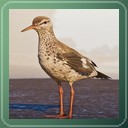 Spotted Sandpiper | “A long-legged wading bird with distinctive spotted plumage, the spotted sandpiper can be seen dashing across sandy coastal areas.” |
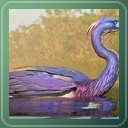 Tricolored Heron | “This blue, gray, and white heron can be found in wetlands. Smaller than many of its relatives in the heron family.” |
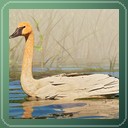 Trumpeter Swan | “Sleek and elegant, the trumpeter swan can mostly be sighted on ornamental ponds and lakes. Known for its elaborate mating dances and for harassing curious humans.” |
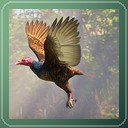 Turkey Vulture | “Named for its red, turkey-like face, the turkey vulture is a carrion bird with brownish feathers. It is occasionally seen across Leonida, but most frequently in the north.” |
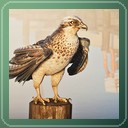 Western Osprey | “A large bird of prey found near bodies of water, the osprey is an specialist hunter of fish, aided by excellent visual acuity and reversible toes for gripping its quarry.” |
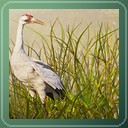 Whooping Crane | “Known for its singular call, the whooping crane is a tall, white wading bird with black-tipped wings and a red splash on its forehead. It can be found in wetlands and northern coastal regions.” |
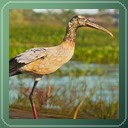 Wood Stork | “A large wading bird common to coastal regions to the north and wetlands, the wood stork can be recognized by its bald head, and uses its long beak to sweep for prey in shallow waters.” |
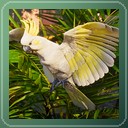 Yellow-Crested Cockatoo | “Famous for its signature crest, the yellow-crested cockatoo is a member of the parrot family and is only found in captivity.” |
Aquatic (18)
| Animal | Description |
|---|---|
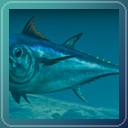 Atlantic Bluefin Tuna | “The largest of all tuna fish, the massive bluefin swims throughout Leonida's deep oceans, propelled by powerful muscles and a big appetite. It is one of the few warm-blooded fish, and a popular ingredient in sushi.” |
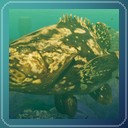 Atlantic Goliath Grouper | “The goliath grouper is a large saltwater fish with mottled, brownish scales, and favors tropical coastal waters and reefs.” |
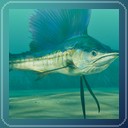 Atlantic Sailfish | “The Atlantic sailfish can be found in the cold, deep waters to the east of Leonida. With its huge dorsal fin, needle-like snout, and vivid scales, it is one of the region's most recognizable fish species.” |
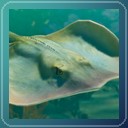 Atlantic Stingray | “A common sight in coastal waters to the north and west, the Atlantic stingray is dwarfed by the region's other ray species. It defends itself with a serrated tail, but poses little threat to humans.” |
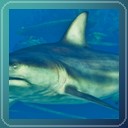 Blacktip Shark | “One of the region's smaller shark species, the blacktip shark can be seen in the ocean west of Leonida, and gets its name from the distinctive coloration of its fin tips.” |
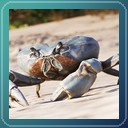 Blue Land Crab | “The blue land crab can be observed all around Leonida's coastline, where it makes its home in burrows near the water. Recognizable by the bluish tint on its carapace.” |
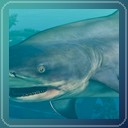 Bull Shark | “Short, sturdy, and highly aggressive toward humans, the bull shark is an apex predator and can be observed throughout the waters surrounding Leonida.” |
 Giant Oceanic Manta Ray | “The giant oceanic manta ray glides through the deep oceans, propelled by its massive, wing-like fins. It has an enormous brain and is thought to be very intelligent.” |
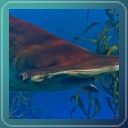 Great Hammerhead Shark | “The world's largest hammerhead shark, the great hammerhead is an apex predator found in the waters surrounding Leonida. It has little interest in humans.” |
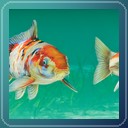 Koi | “Known for its mottled, brightly-colored scales, the koi was created through the selective breeding of domestic carp. Many can be found in man-made freshwater ponds, serving as status symbols for the elite.” |
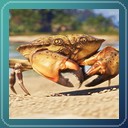 Leonida Stone Crab | “Found on Leonida's western beaches, the Leonida stone crab is gray-brown species whose claws are considered a culinary delicacy.” |
 Moon Jellyfish | “The moon jellyfish prefers deeper waters but can occasionally be seen around the Leonida coast. It is translucent, and lacks the long tentacles common to many other jellyfish species.” |
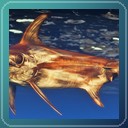 North Atlantic Swordfish | “Immediately recognizable by its signature bill, the North Atlantic swordfish is a large, predatory fish found in waters all around Leonida, favoring the deep ocean.” |
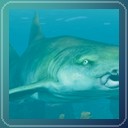 Nurse Shark | “The shy, docile nurse shark favors ocean reefs, but can be seen gathering in large groups near the coast at night. Recognizable by the barbels that dangle above its jaws.” |
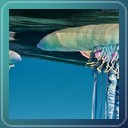 Portuguese Man O' War | “Famed for its bizarre appearance and potentially lethal sting, the Portuguese man o' war can be spotted floating on the ocean surface from the southeast to the northwest. To be avoided.” |
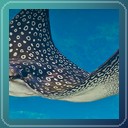 Spotted Eagle Ray | “Easily identified by its long tail and the white spots that adorn its back, the spotted eagle ray can be sighted around the Leonida coast.” |
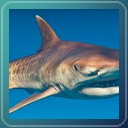 Tiger Shark | “A huge nocturnal predator, the tiger shark is found throughout Leonida's oceans. Easily identified by the stripes decorating its skin.” |
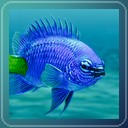 Yellowtail Damselfish | “A bright blue fish with a striking yellow tail, the damselfish favors warmer waters to the south and west of Leonida.” |