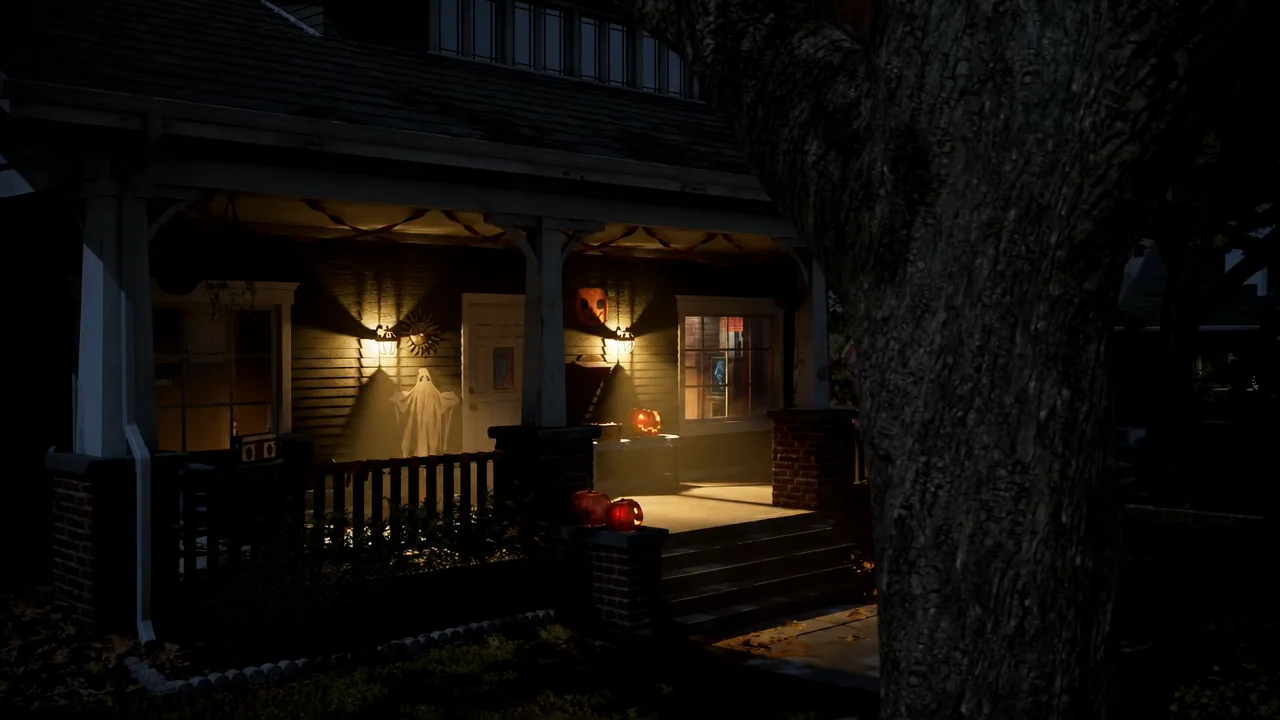
Michael Myers does not sprint in IllFonic’s Halloween: The Game. He walks, he stares, and then he dissolves into a dark corner and reappears somewhere you were not watching. That single ability, Shape Jump, is the spine of the whole design, and it is the thing critics keep circling back to as the game lands with a mixed-but-mostly-positive reception.
Quick answer: Halloween: The Game launches September 8, 2026 on PS5, Xbox Series X/S, and PC with an aggregate critic score of 75 across eight reviews; Deluxe Edition owners get in from September 4. Shape Jump lets Michael move fast in a ghostly form, but he can only enter and exit it from shadow, out of a civilian’s line of sight, which is why controlling lights and power is the core killer skill.
Halloween: The Game release date, editions, and platforms
The game is a 1v4 asymmetrical horror title built in Unreal Engine 5, developed by IllFonic and co-published with Gun Interactive, the same pairing behind Friday the 13th: The Game. It is set entirely on Halloween night, 1978, and draws only from John Carpenter’s original film. There is no wider franchise continuity here, no hospital, no Jamie Lloyd.
| Detail | Specifics |
|---|---|
| Release date | September 8, 2026 (worldwide) |
| Early access | September 4, 2026, Deluxe Edition |
| Platforms | PlayStation 5, Xbox Series X/S, PC (Steam, Epic Games Store) |
| Price | $39.99 Standard, $59.99 Deluxe |
| Format | 1v4 multiplayer plus a solo campaign |
| Roster | 10 playable civilians standard; Richard and Alexis added in Deluxe |
| Maps named for launch | Haddonfield Heights, Haddonfield Town Center, Orange Grove Estates |
Crossplay is supported, and private matches are not penalized. You earn the same XP and can unlock everything without ever queuing into a public lobby, which is worth knowing if you plan to play this with a fixed group of friends. Pre-orders and the launch build run through the usual storefronts, including the Steam listing for Halloween.
Halloween: The Game critic scores at launch
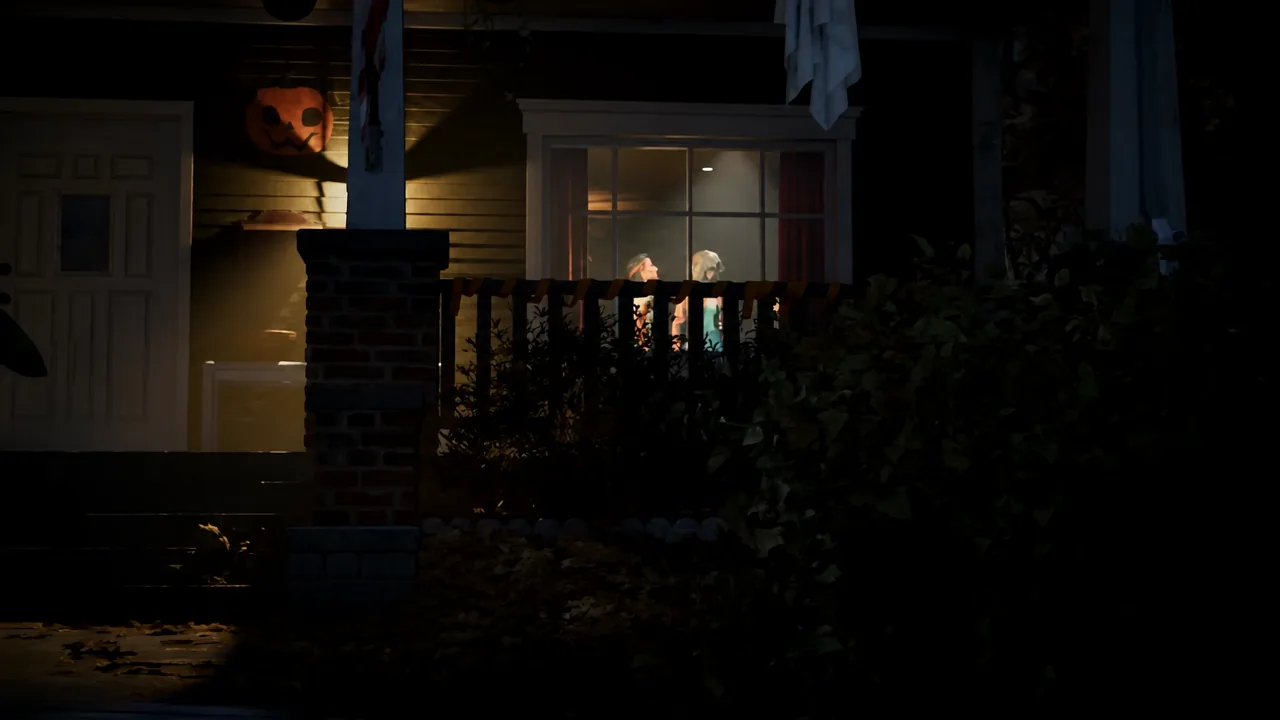
The Metascore sits at 75 on PC, drawn from eight critic reviews: four positive, four mixed, none negative. The split is consistent. Reviewers agree the killer side and the atmosphere work, and they agree the technical state and the civilian onboarding do not.
| Outlet | Score | Main point |
|---|---|---|
| GameSpot | 80 | Distinct loop and tone; not a Dead by Daylight clone |
| TheGamer | 80 | Not the cleanest in the genre, but one of the most atmospheric |
| GameSpace | 80 | Creative weapon and environmental kills as Michael |
| ComicBook | 70 | Faithful recreation that occasionally fights modern expectations |
| Shacknews | 70 | Janky animations and familiar ideas, still a good time with friends |
| Noisy Pixel | 70 | Unreliable AI and long matches hold it back |
| Try Hard Guides | 70 | Weak progression and thin single-player |
| JoBlo | 6/10 | Great as Michael, frustrating as a civilian |
| Dread Central | 3/5 | Strong ideas undercut by common genre pitfalls |
How Shape Jump works for Michael Myers
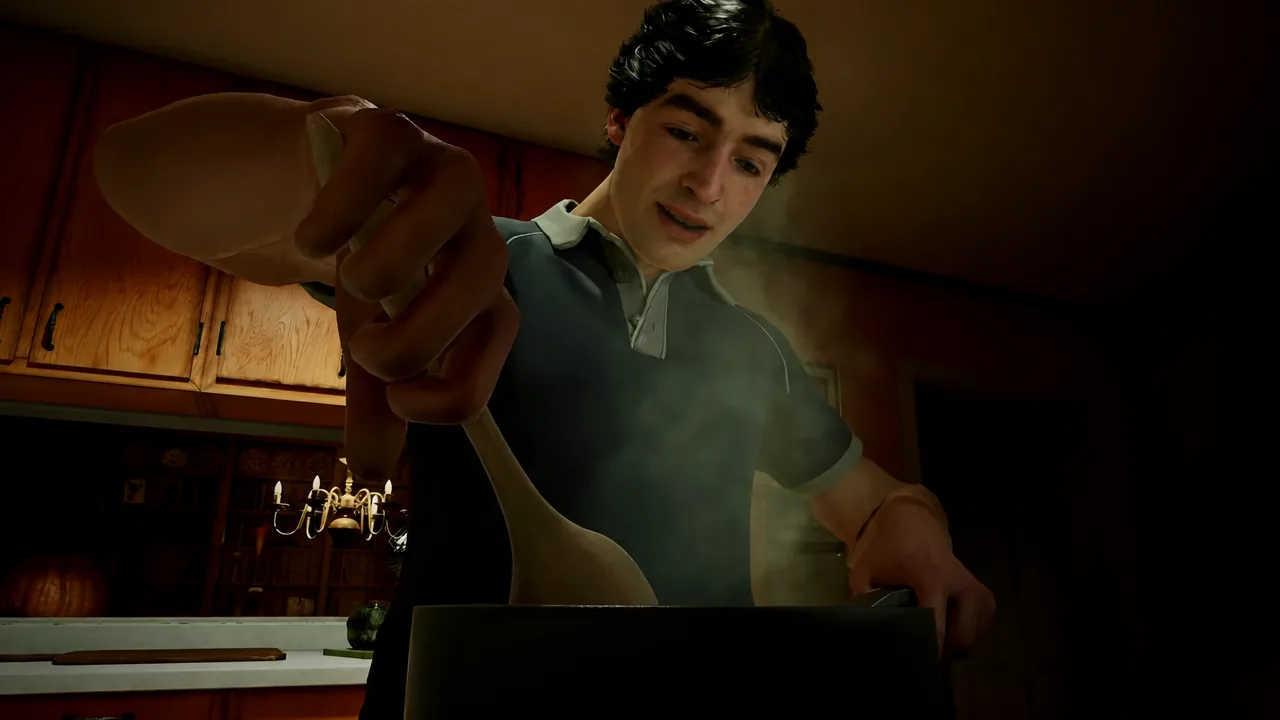
Michael has no sprint. His default walk is slow, and his faster walk makes enough noise to give away his position. Shape Jump is the compensation: he turns into a fast-moving ghostly form that covers ground quickly and passes straight through doors and windows instead of opening them.
| Rule | Effect |
|---|---|
| Entry condition | Must be triggered from shadow, not in direct light |
| Line of sight | Cannot be entered or exited while a civilian is watching or standing too close |
| Exit condition | Reappearance point must also be dark |
| Cooldown | A delay applies before you can jump again |
| Movement | Phases through doors and windows during the jump |
That is why light management is the real skill ceiling on the killer side. Cutting the power, using the Blackout ability to kill electricals for a short window, and avoiding streetlamps all exist to manufacture the darkness Shape Jump needs. Get it right and you cut off a fleeing civilian mid-run; get it wrong and you are stuck walking down a lit street in a white mask.
The scoring system also discourages using it as a pure teleport-and-stab button. Simply dropping on someone and killing them fast pays very little.
Michael’s other abilities and how scoring works
Beyond Shape Jump, Michael can cut power and phone lines, fire off a Detection Pulse to find hiding players, and use Shadow Strike as a blinding ranged attack. Several of these are locked behind multiplayer levels at the start, and some take a long time to unlock.
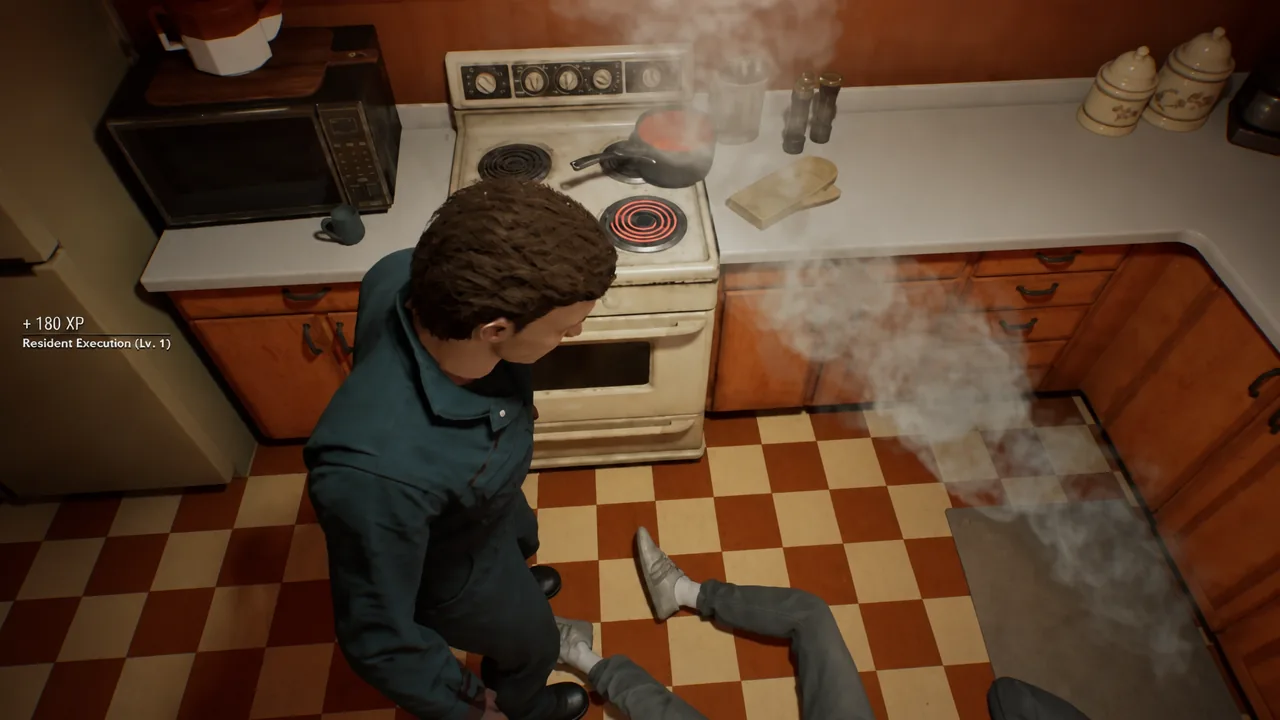
Points come from patience. Following a target from a distance fills a stalking meter, and the higher it climbs, the more environmental executions open up. Those are the context kills marked in the world: heads slammed in refrigerator doors, bodies thrown into fireplaces or through TVs, victims strung up like porch decorations. After a kill, staring at the body in first person builds a Bloodthirst meter that makes the next kills stronger.
Michael cannot be killed. He can be stunned and knocked down by a coordinated group using pistols, rifles, shotguns, darts, flashlights, firecrackers, and melee weapons, and he can be detained by police and sent back to the sanitarium. A knockdown takes a heavy chunk out of his Bloodthirst before he sits back up and keeps going.
Civilian objectives: Escapes, residents, and perks
Escaping alone barely counts. Each map is populated with AI-controlled Haddonfield residents living their night, and the win condition weighs how many of them survive. If more bodies pile up than people get out, Michael takes the round even if all four players slipped away early.
Warning a resident triggers a short skill check. Land it and they believe you, at which point you can arm them, tell them to call the police, send them to hide and barricade, or walk them to an exit. Special Targets are worth more points and are the ones Michael hunts first.
Getting out means repairing or preparing an exit: a car that needs fuel, a hatch, an emergency bunker, a padlocked gate, a fuse replaced to power a door. You can also win by getting Michael detained. Most interactions run on timed button presses, easy in isolation and much harder with him in the room.
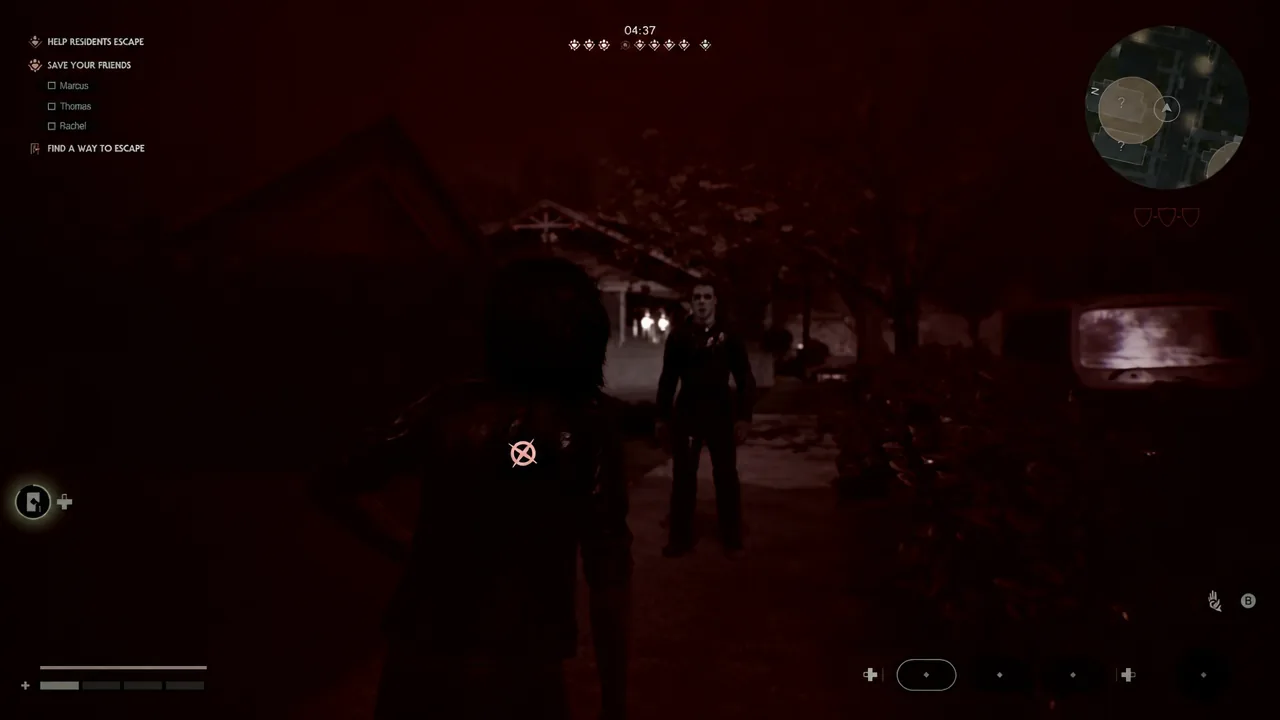
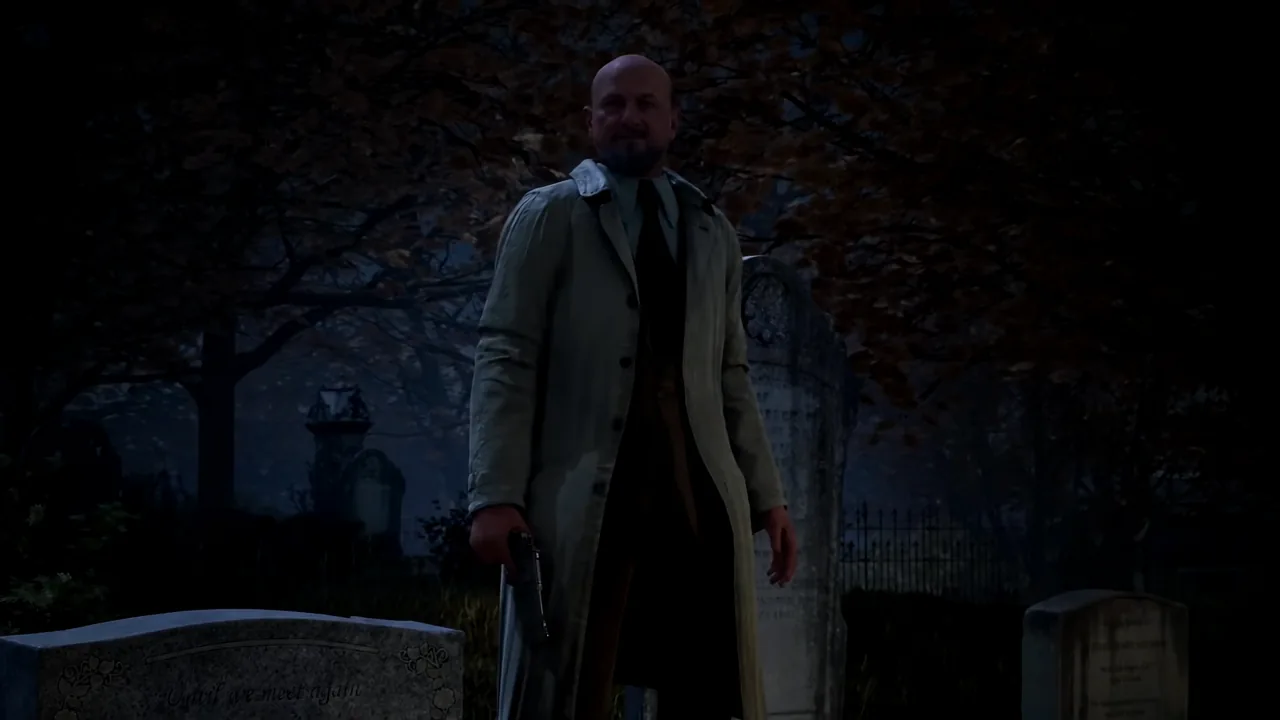
Each civilian has unique traits, plus a deck of perk cards drawn at random as you complete objectives. Perks like Wound Mender, Silver Tongue, and Iron Ankles are collected through a currency-based pull system and slotted into loadouts. Dead players are not finished either: they can complete mini-games to feed perks to teammates, and with the right card they can return as a police officer or as Dr. Samuel Loomis. If Michael grabs you, a pocket knife frees you quickly, or you can escape through a timed prompt.
Note: there is no tutorial for this side of the game. Item effects, scoring, and priorities are left for you to work out in live matches.
The solo campaign and what it teaches
The single-player mode runs roughly two hours across a handful of chapters, played entirely as Michael. It opens with the escape from Smith’s Grove Sanitarium, moves through the acquisition of the coveralls and mask, and then replays scenes from the 1978 film from his side while filling in the gaps the movie leaves off screen.
Mechanically it exists to teach the killer kit one ability at a time. Chapters carry difficulty options, challenges, and collectibles, and finishing challenges unlocks cosmetics such as banners and clothing for multiplayer. Treat it as a training ground rather than the main attraction.
Known problems at launch
Frame rate drops and slowdown show up on both console performance and quality modes, and reviewers hit them repeatedly while playing as Michael. Survivor animations are stiff, with clipping during item interactions. Grab prompts sometimes appear and then fail to connect, or catch furniture instead of the target. Cosmetic oddities like misaligned kill animations and floating police cars turned up during pre-release play, and several patches shipped before launch to clean things up.
Pacing is the other recurring complaint. Matches run around 20 minutes, and there is no clean end state for Michael. Even after every player has escaped or died, the round continues until the remaining residents are dead, which can leave everyone waiting while he sweeps the map for one last NPC. Progression draws similar criticism, with a long unlock grind and a confusing challenge interface.
Where Halloween: The Game is not available
The Australian Classification Board refused classification, and as a result the game will not be sold in Australia or New Zealand. The stated reason is the presence of a controlled substance, tied to marijuana functioning as an in-game power-up that reveals Michael’s current position.
The PlayStation 5 release in Japan was also cancelled after the studio could not secure a CERO rating for the game’s violence and nudity. Digital Xbox and PC versions are still scheduled to release uncensored in Japan on September 9, 2026.
The consensus is narrow and consistent: this is the strongest thing IllFonic has made, and it is still rough. If you want to be Michael, Shape Jump and the stalking loop deliver exactly the fantasy the mask promises. If you plan to spend your time as a civilian, expect to learn the systems the hard way, and expect a launch build that still needs patching.