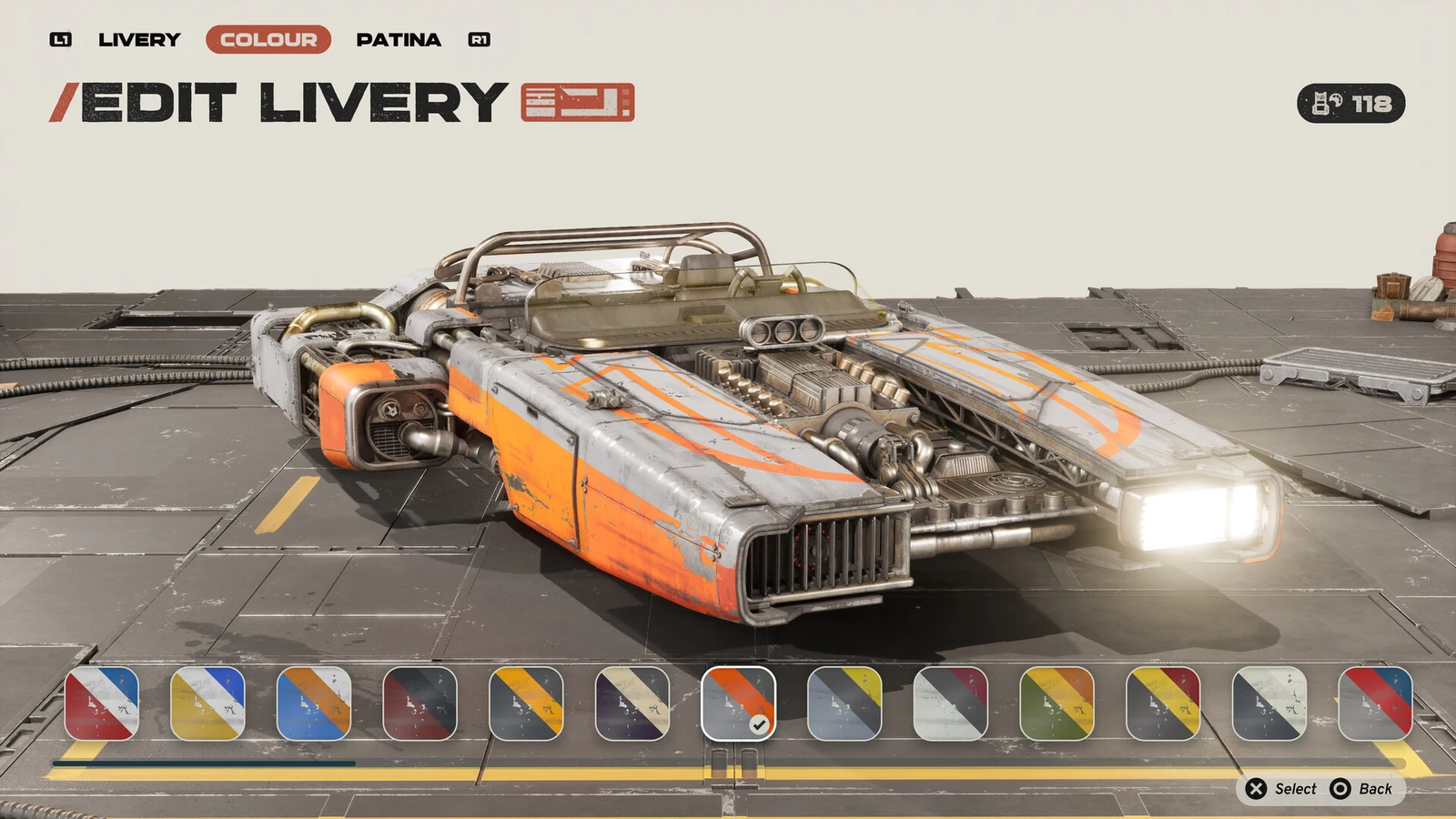
Star Wars: Galactic Racer does not hand you a vehicle that simply gets faster as you win. Instead, it builds each run out of four moving parts that you assemble yourself: the vehicle class you pilot, the racer style that shapes how you score, the abilities you slot in, and the parts you fit at Hibi’s Shop between events. The result is a loadout that leans toward one clear tactic rather than a flat stat bump.
Quick answer: A build is the combination of one vehicle class, one racer style, equipped abilities, and shop parts. These reset and get rechosen across a run, so you tune for a playstyle rather than upgrading a single car in a straight line.
Why the game avoids linear vehicle upgrades
Progression is run-based rather than permanent. You start each attempt from a base loadout and make choices as you move along a branching path of race and reward nodes, picking which events to take and what to spend on afterward. Because those decisions carry consequences and reset between runs, the point is to craft something that fits how you want to race, not to grind a single vehicle’s numbers upward.
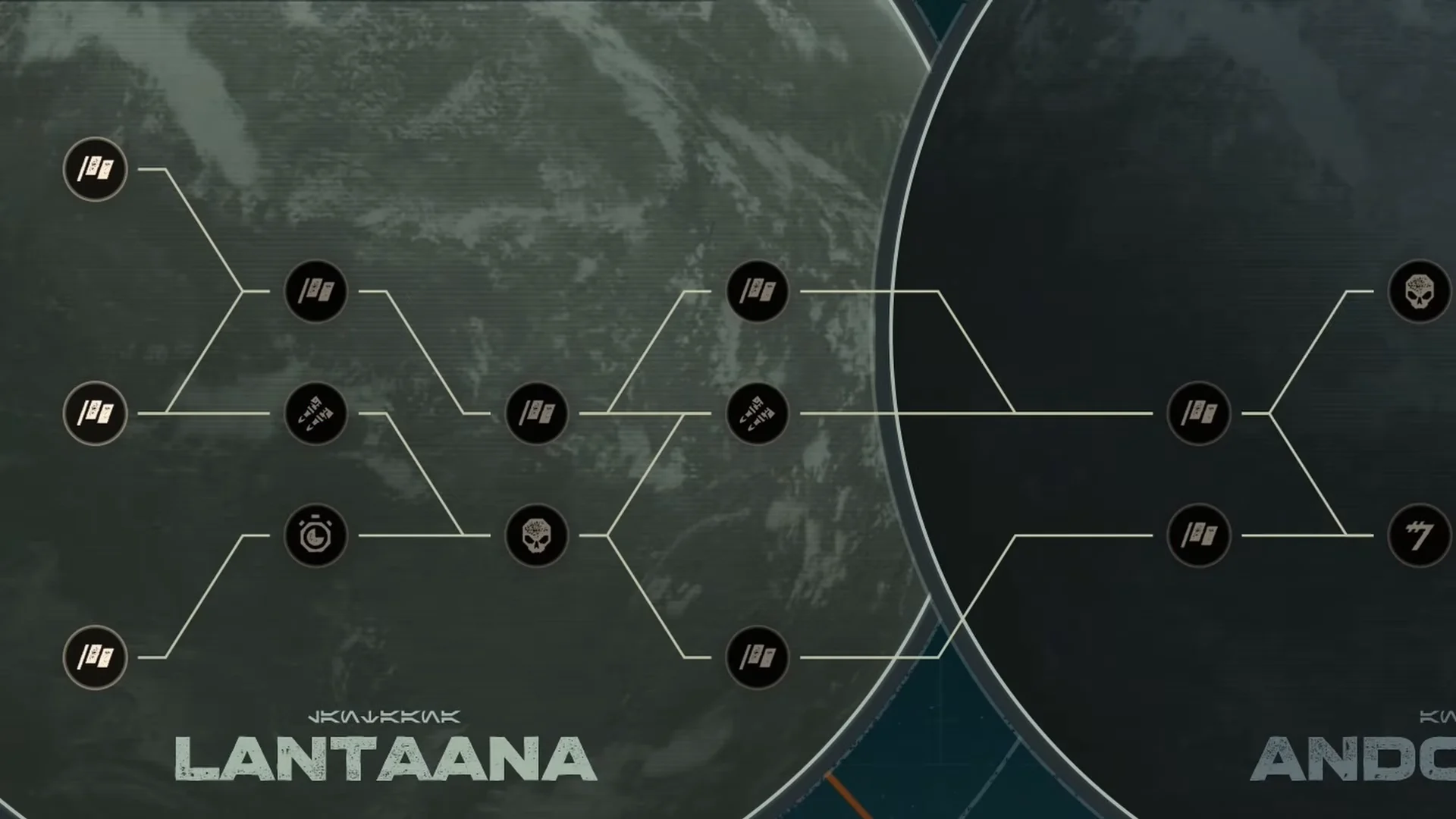
Upgrading attributes, choosing a complementary racer style, and buying the right parts are meant to reinforce one another. A build works when those pieces push the same tactic, whether that is ramming rivals, chaining abilities, or chasing raw top speed.
The vehicle classes and how they handle
The foundation of any build is the craft you choose. Each class has distinct handling and a different set of strengths to lean into. Podracers also exist in the wider game, but the three classes demonstrated for build-making are below.
| Vehicle | Handling | Best suited to |
|---|---|---|
| Landspeeder | Smooth, forgiving turns; stable during collisions | Durable, aggressive contact racing |
| Skim Speeder | Agile drift that rewards flowing lines and momentum | High battery capacity and heavy ability use |
| Speeder Bike | Rapid acceleration, highly responsive steering and braking | Fragile, high-speed glass-cannon builds |
The Landspeeder brings traits like Sweeping Forms for forgiving handling and Bracing Structure for staying steady through impacts. The Speeder Bike relies on Furious Agility and Vectored Thrust, trading durability for responsiveness. The Skim Speeder is a dual-hull craft built to knife-edge through gaps while keeping its speed.
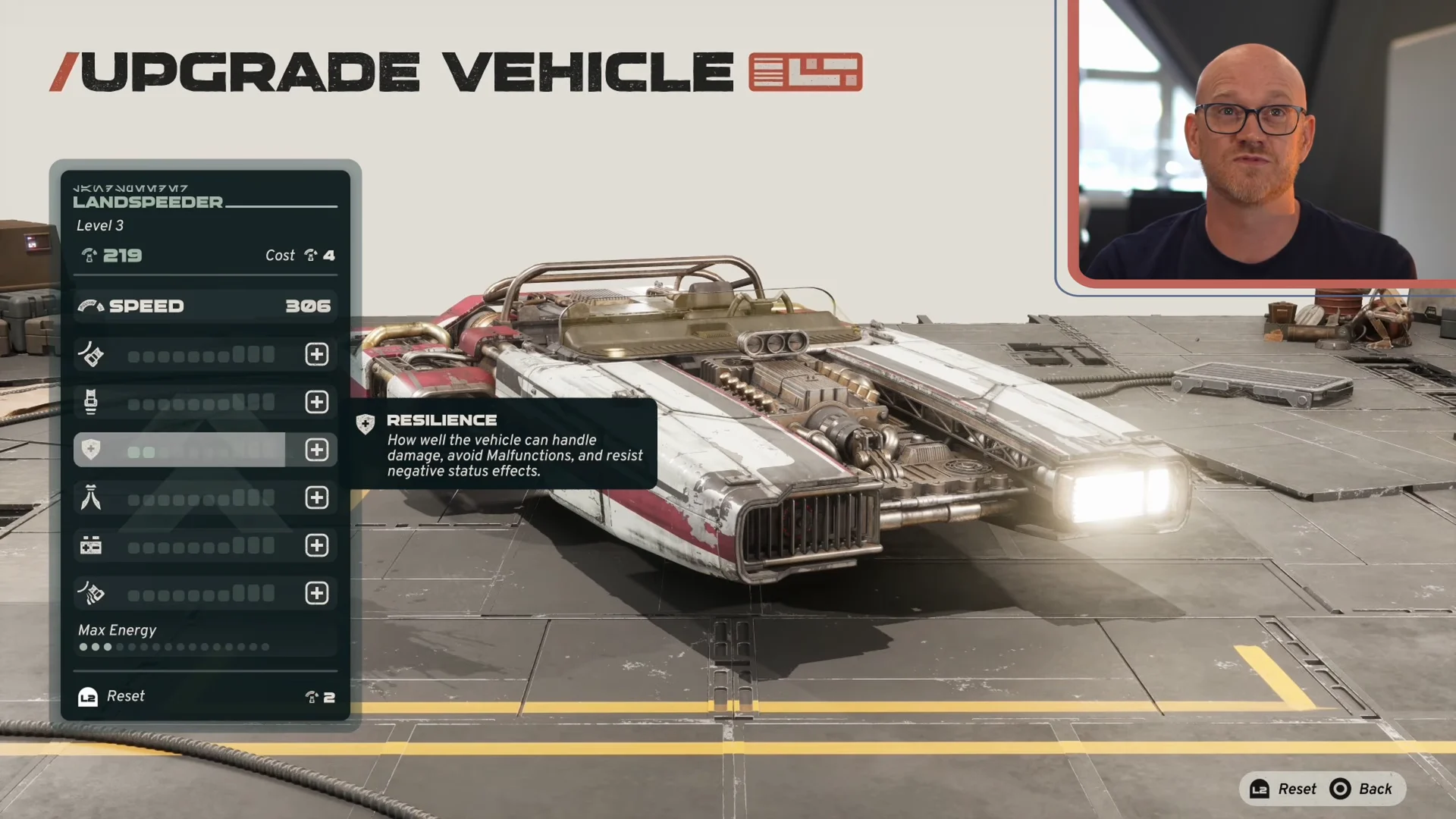
Attributes are where you spend early: a heavy contact build pours points into Resilience, Cornering, and Afterburner, while a speed-focused bike build favors Ramjet, Kinetic Burst, and Cornering. Those choices feed directly into which racer style pays off.

Racer styles that set your win condition
A racer style decides what your build rewards and often what ability you begin with. Each one ranks up through its own condition and pairs naturally with a vehicle class.
Brawler: aggression and Takedowns
Brawler is built around colliding with opponents and scoring Takedowns. It can start with the Ion Bolt ability through the Prepared perk, and Takedowns recover Energy and grant Surging for a stretch of time. Ranking it up requires hitting a Takedown target, such as 24 Takedowns for the next rank. It sits comfortably on the sturdy Landspeeder, which survives the constant contact.
Tech Expert: abilities and status control
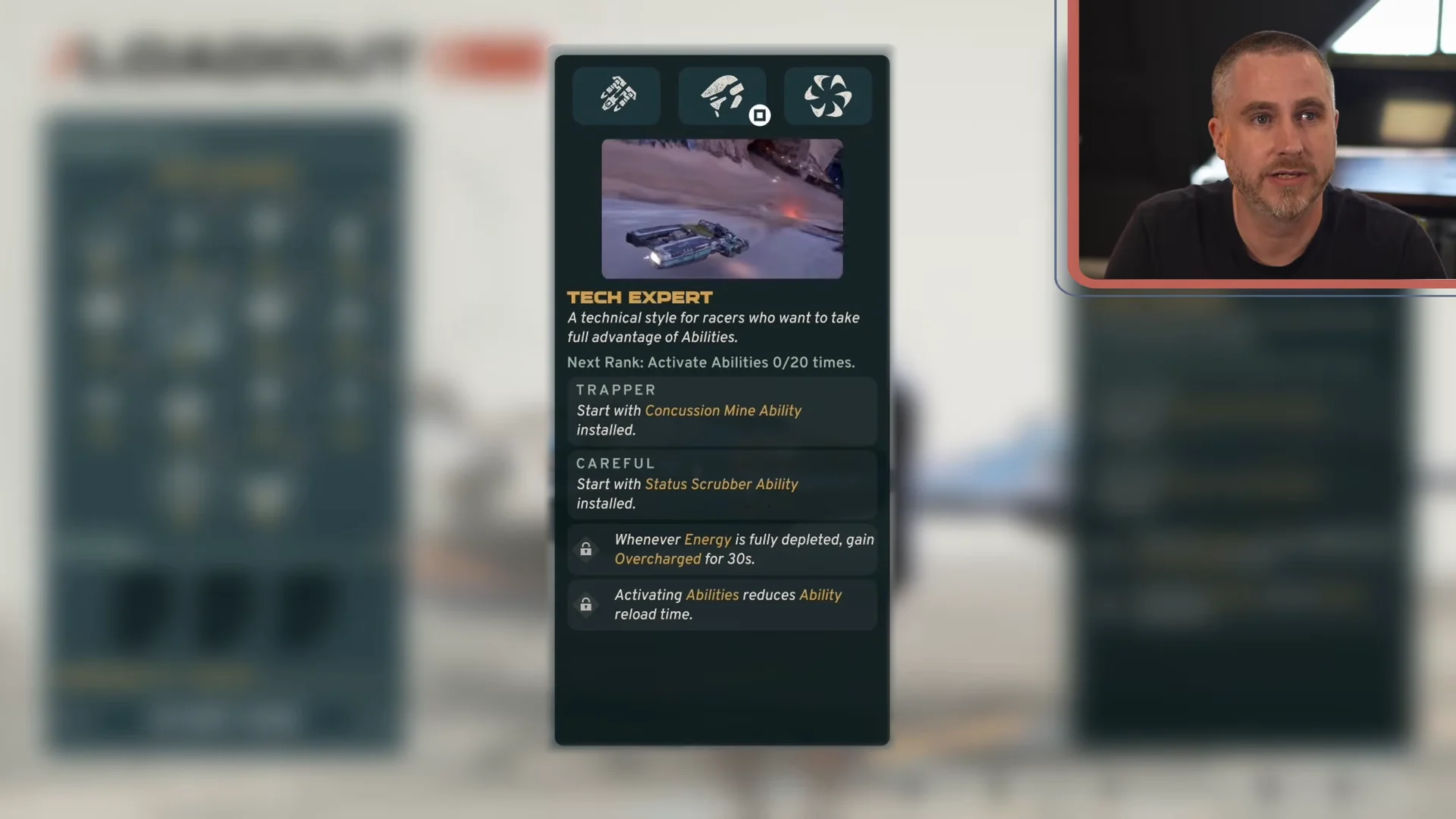
Tech Expert is a technical style for players who want to lean on abilities. It can start with Concussion Mine via Trapper or Status Scrubber via Careful, and it rewards fast ability recharge and clearing debuffs. One of its strengths is turning trouble into fuel: clearing negative status effects can recover Energy, and depleting Energy fully can grant Overcharged. It fits the ability-hungry Skim Speeder with a high Battery stat.
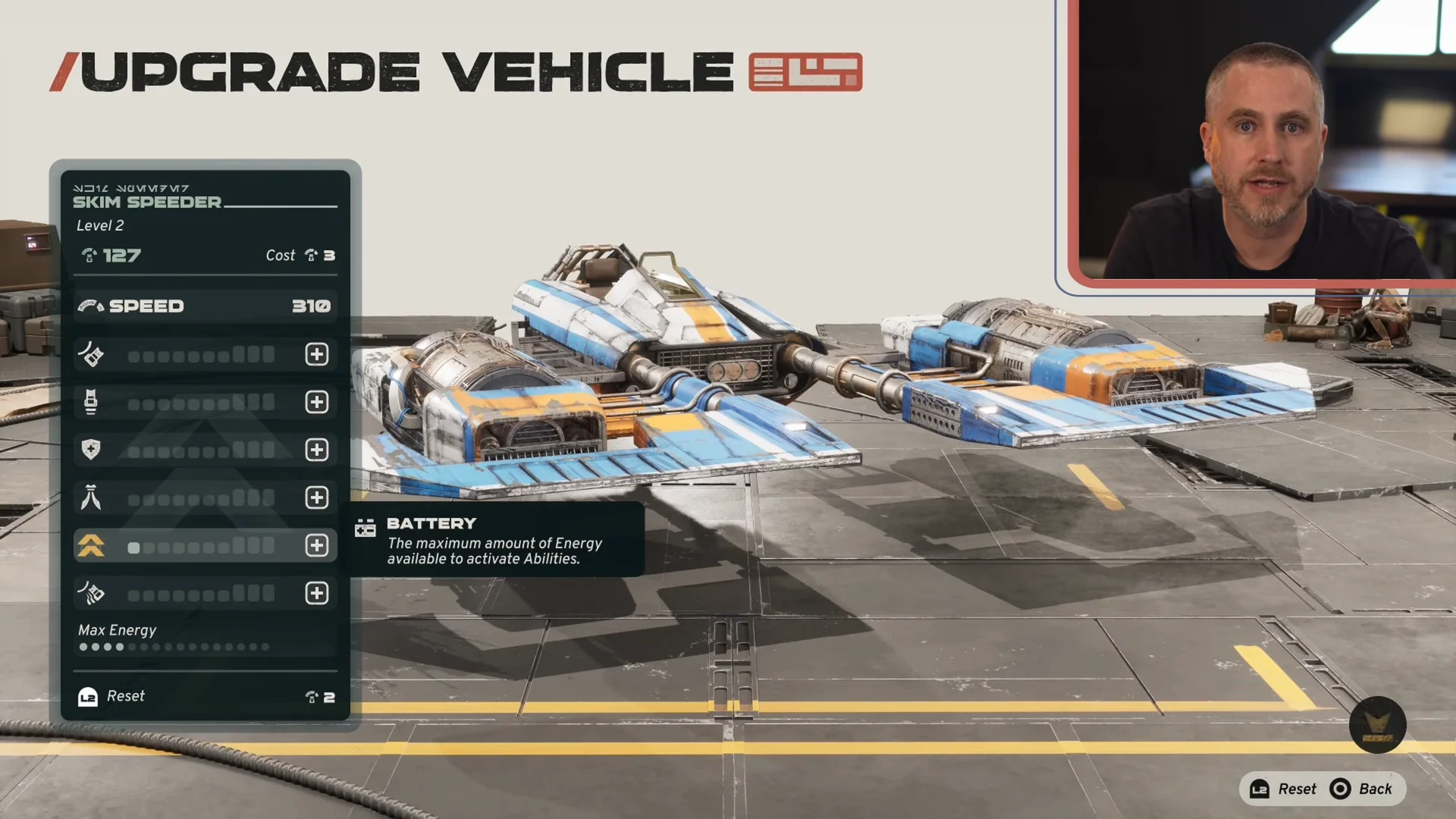
The Status Scrubber ability is central here. It cleanses negative conditions off your craft and converts them into energy, which keeps the ability economy running on hazard-heavy tracks like snow courses.
Firebug: high-risk Ramjet speed
Firebug is the high-risk, high-speed option. Engaging the Ramjet applies the Burning status through Afterfire, and while Burning, the Heat Recycler trait makes the Afterburner and Ramjet significantly stronger. The catch is heat: push too far and the Ramjet explodes, flashing a RAMJET EXPLODED! warning and crippling your run. It pairs with the fast, fragile Speeder Bike and starts with Flame Vent installed.
Heat is the whole gamble with Firebug, which is why heat-management parts carry so much weight on that build.
Hibi’s Shop parts that round out a build
Between races, Hibi’s Shop is where you spend credits on parts that reinforce your chosen style. Parts come in ranked tiers, and the right ones can turn a loose loadout into a coherent tactic.
| Part | Effect | Pairs with |
|---|---|---|
| Lethal Velocity I | Each Takedown slightly increases Speed | Brawler |
| Fuel Agitator I | +5% Afterburner power per Takedown | Brawler |
| Afterburner Efficiency II | Afterburner burns up to 100% longer | Any speed build |
| Multi-Scrubber II | Clears debuffs; recover 3 Energy if any clear | Tech Expert |
| Faster Attachments II | Abilities reload 100% faster | Tech Expert |
| Vent | Grants Cooled and reduces Ramjet heat | Firebug |
| Surplus Surging | Grants Surging at 8+ Energy | Tech Expert |
| Hail-Mary Reset III | 90% chance an overheated Ramjet resets instead of exploding | Firebug |

Hail-Mary Reset III is the clearest example of a part built to fix a style’s weakness. At 90% reset chance, it takes most of the danger out of a Firebug’s overheating Ramjet, turning a potential run-ender into a strengthened boost. That is the whole idea of the system: a vehicle picks the feel, a racer style picks the win condition, abilities give you tools, and shop parts paper over the gaps so the whole build pulls in one direction.