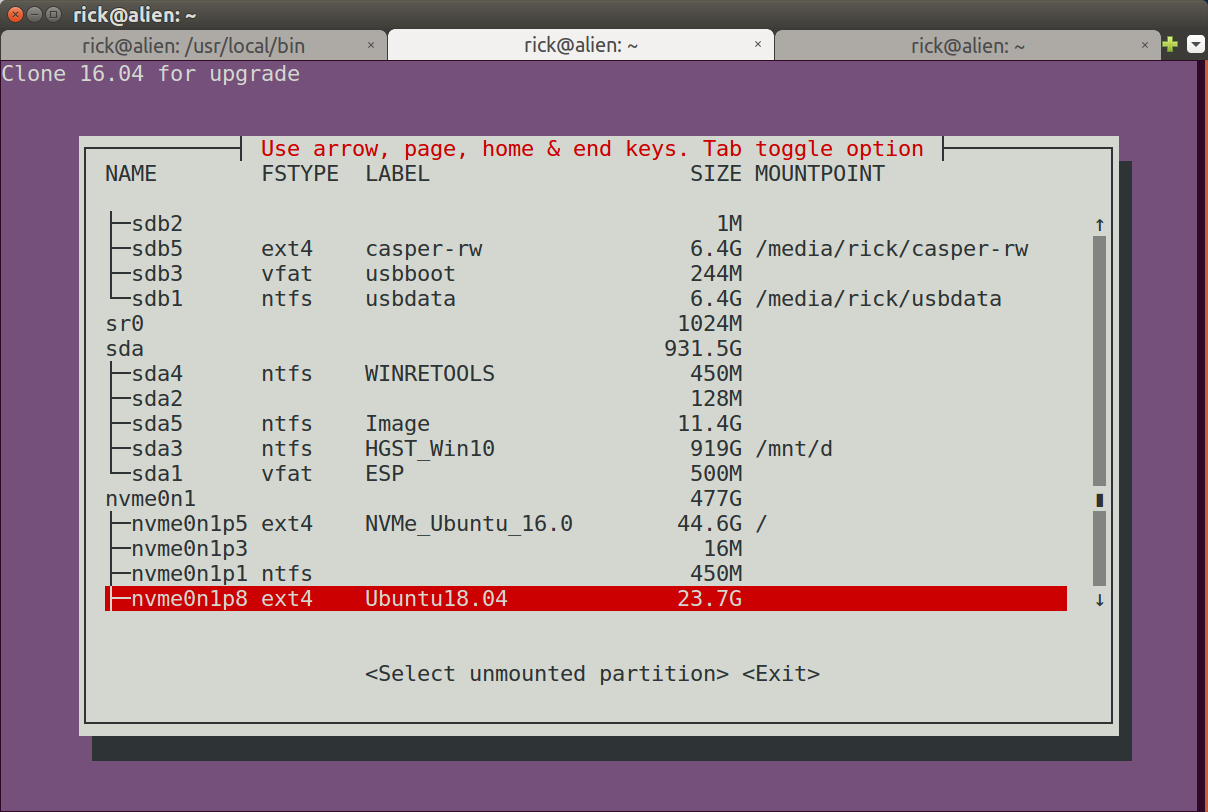
Installing multiple Ubuntu copies on different partitions allows you to test new releases, separate projects, or troubleshoot issues without affecting your primary operating system. However, after installing Ubuntu onto a new partition, you may find it unclear how to boot into this separate installation. Properly configuring your boot settings and selecting the correct partition at startup ensures you can smoothly access your newly installed Ubuntu system.
Method 1: Update GRUB Bootloader (Recommended)
Ctrl + Alt + T.sudo update-grubThis command scans your disk partitions, identifies the new Ubuntu installation, and adds it to the GRUB bootloader menu. You will see output indicating the new Ubuntu installation has been found and added.
Enter to boot into it.This method is straightforward, reliable, and ensures your new Ubuntu installation is permanently accessible from the boot menu.
Method 2: Manually Boot from BIOS/UEFI Boot Menu
If updating GRUB doesn’t immediately detect your new installation or if you prefer manual control, you can directly select the partition from your BIOS or UEFI boot menu.
F12, F11, Del, or Esc immediately after turning on your computer. The exact key varies depending on your motherboard manufacturer, so check your device’s documentation if unsure.Enter.Your system will now boot directly into the selected Ubuntu partition. This method is useful for quickly accessing the new installation without modifying GRUB, though it’s less convenient for repeated use.
Method 3: Use GRUB Customizer (Graphical Interface)
If you prefer a graphical interface, GRUB Customizer provides an intuitive way to manage boot entries.
sudo add-apt-repository ppa:danielrichter2007/grub-customizer
sudo apt update
sudo apt install grub-customizerRestart your computer, and your new Ubuntu partition will be easily accessible through the customized GRUB menu.
After booting into your new Ubuntu installation, ensure all updates are installed and configurations are set according to your preferences. Regularly updating GRUB after installing new operating systems or partitions ensures seamless boot management in the future.