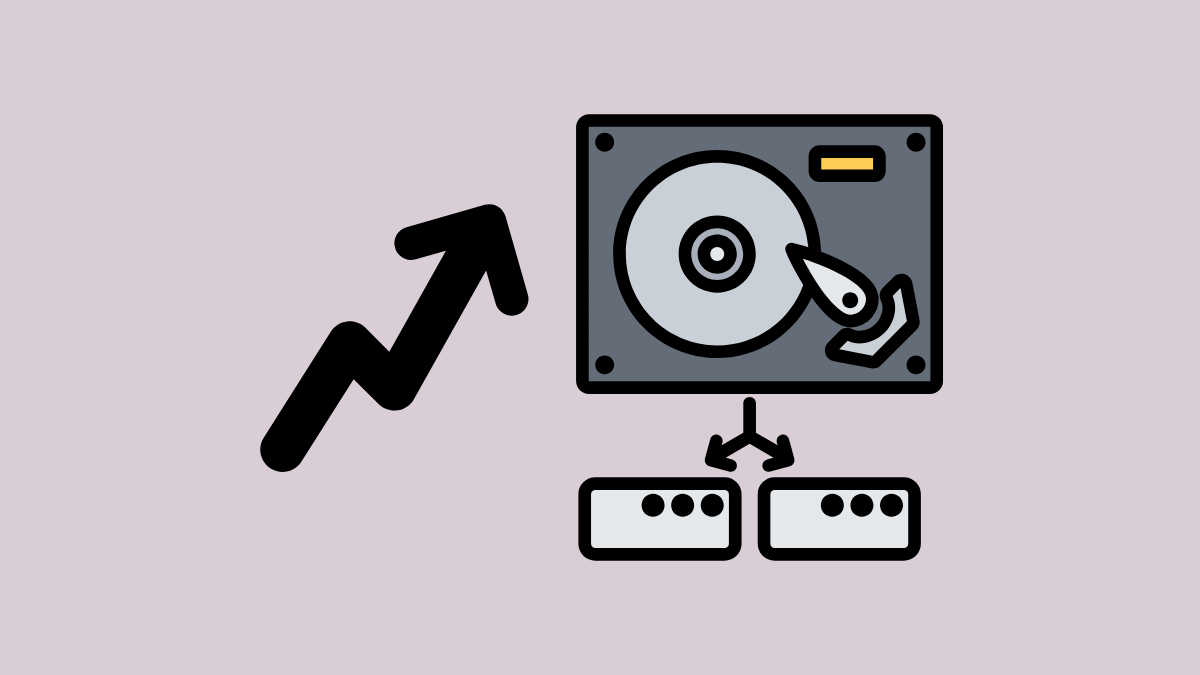
Running out of space on the root partition can cause package installations to fail, log files to stop updating, and services to crash. Expanding the root partition with free disk space restores normal operation and prevents system interruptions.
Expanding the Root Partition Using LVM
lsblk -fLook for entries labeled as LVM2_member in the FSTYPE column. If your root partition is listed as an LVM logical volume, you can proceed with this method.
lsblkUnallocated space will appear as free space not assigned to any partition. If you need to create a new partition from this space, use a tool like fdisk or parted to create a new partition and set its type to Linux LVM (usually type code 8e).
sudo pvcreate /dev/sdXNReplace /dev/sdXN with your new partition identifier. Next, extend your volume group:
sudo vgextend your_vg_name /dev/sdXNFind your volume group name by running vgdisplay if you’re unsure.
lvdisplayOnce identified, extend it by running:
sudo lvextend -l +100%FREE /dev/your_vg_name/your_lv_nameThis command allocates all available free space in the volume group to the logical volume.
sudo resize2fs /dev/your_vg_name/your_lv_nameIf your root file system uses xfs, use:
sudo xfs_growfs /Verify the new size with:
df -hThis process immediately increases available space on your root partition, allowing continued system operations without interruption.
Expanding the Root Partition Without LVM
Some systems use standard partitions rather than LVM. This method requires more caution, as resizing partitions that contain the root file system typically cannot be done while the system is running.
/dev/sda1 or /dev/nvme0n1p1) and the adjacent unallocated space.ext4, GParted will typically resize it automatically. If not, you may need to run:sudo resize2fs /dev/sdXNReplace /dev/sdXN with your root partition’s identifier.
df -hThis method increases root partition capacity, but always ensure you have complete backups before modifying partitions.
Expanding your Linux root partition with free disk space restores system reliability and prevents storage-related errors. Always back up important data before making partition changes, and monitor disk usage regularly to plan for future growth.