Building a crew in Star Sailors comes down to two rosters that work together. Battle Partners fill your active fighting slots, while Assist Partners feed passive support from the bench. The units below are grouped by how much value they return for the resources you sink into them, so you can spend upgrade materials on the crew members that stay useful from the early campaign into boss and endgame content.
Quick answer: Prioritize the S-tier Battle Partners first — Heidi, Jen, Nina, Carat, and Kaira — then back them with the S-tier Assist Partners Hunter K, Gerbil, and Iris.
Battle Partner tier list
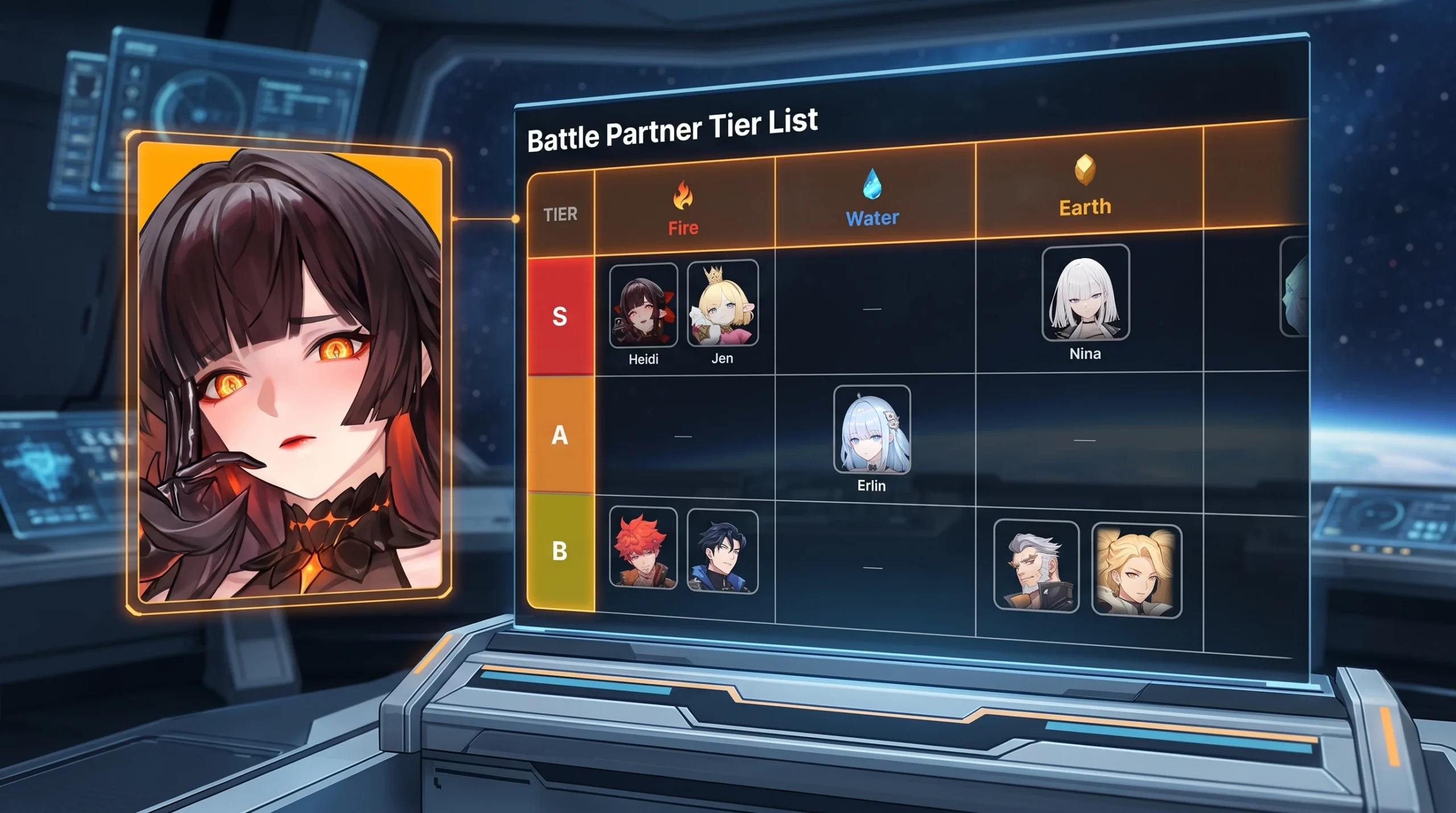
These are the units that occupy your active slots. Element matters here, since each tier spreads its picks across Fire, Water, Earth, Wind, Light, and Dark. The table lists each unit’s element and its main job in a fight.
| Tier | Unit | Element | Role |
|---|---|---|---|
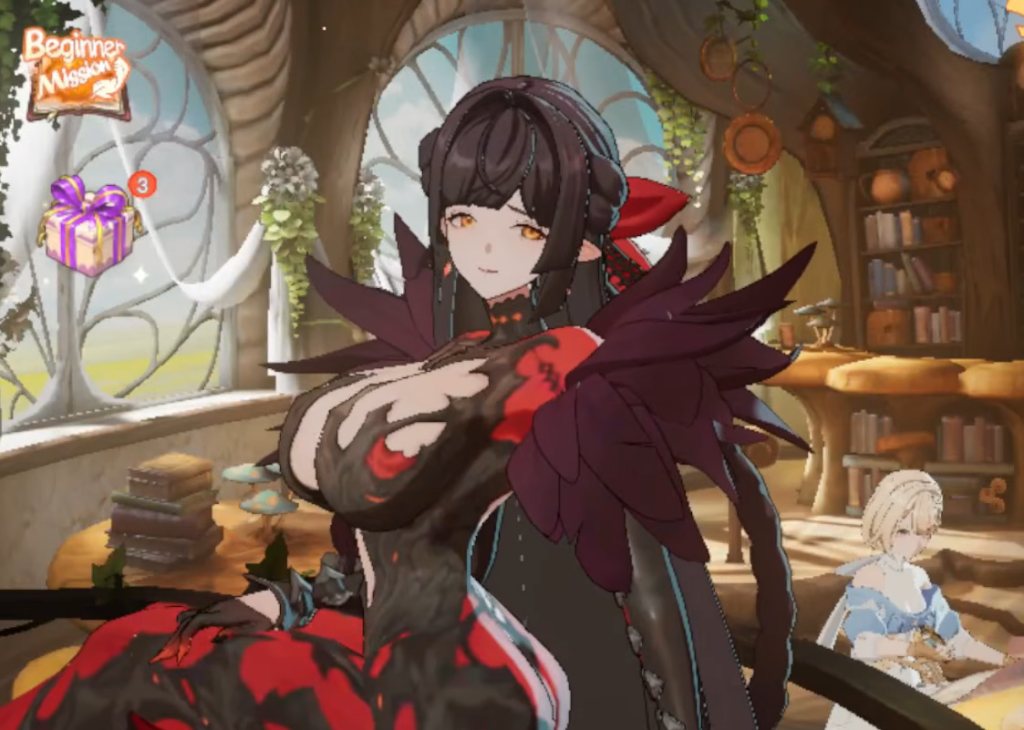
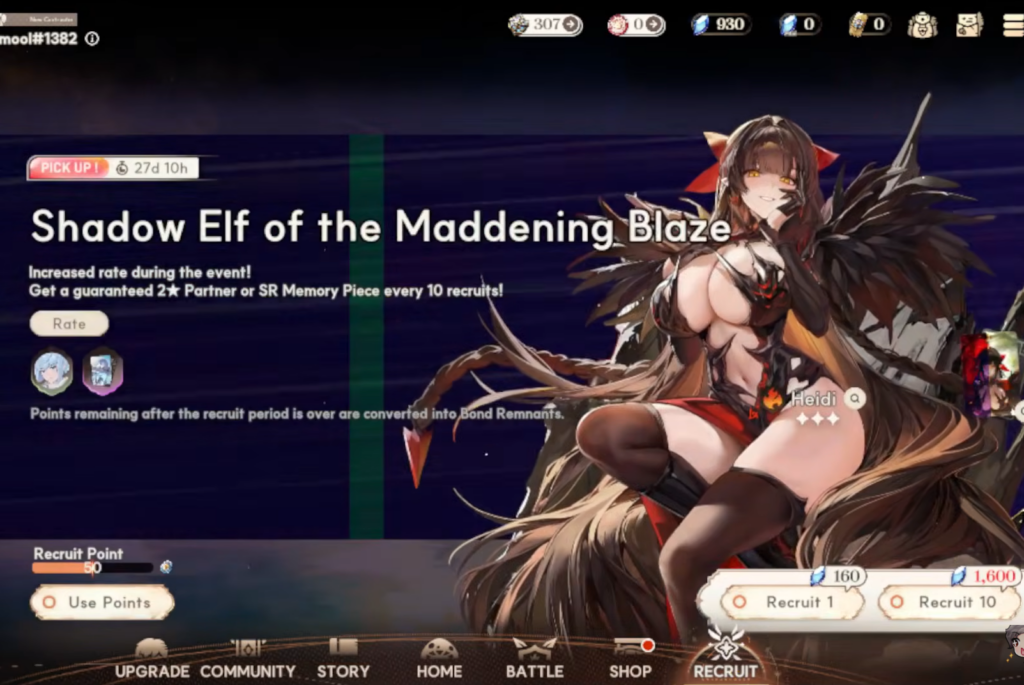
| S | Heidi | Fire | AoE DPS that scales with allied debuffs |
| S | Jen | Fire | Healer that cuts incoming damage and strips enemy buffs |
| S | Nina | Earth | Single-target DPS with a crit buff, strong in boss fights |
| S | Carat | Wind | Top-tier all-round pick |
| S | Kaira | Light | Healer with chain amps, excels against bosses |
| A | Erling | Water | Lowers enemy RES and reduces damage taken by allies |
| A | Ethan | Light | Single-target DPS with a shield and self-healing |
| B | Rak | Fire | AoE tank with chain amps |
| B | Soul | Water | Single-target DPS that deals damage based on current HP |
| B | Iron | Earth | Single-target tank with self-recovery |
| B | Remi | Earth | Shielder that raises allied crit chance |
The S tier splits cleanly between damage and healing. Heidi and Nina cover offense, with Heidi rewarding debuff-heavy squads and Nina hitting hardest in extended single-target fights. Jen and Kaira handle sustain, and Kaira’s chain amps make her the safer choice when a boss demands both survival and consistent output. Carat sits alongside them as a flexible Wind pick that fits into most lineups.
Erling and Ethan land in A tier because they deliver real value but lean on the right pairing. Erling’s RES reduction pushes team damage higher when he is next to a heavy hitter, while Ethan compresses damage and self-sustain into one slot. The B-tier group stays serviceable for early progress, though Rak, Soul, Iron, and Remi usually give way once your S-tier crew is invested.
Assist Partner tier list
Assist Partners support from the bench, so their ranking rewards passive impact rather than raw front-line power. Slot the S-tier options first, then fill the rest of your bench with A-tier picks that match your active element spread.
| Tier | Units |
|---|---|
| S | Hunter K (Earth), Gerbil (Light), Iris (Light) |
| A | Dora (Water), Jerry (Earth), Nutty (Earth), Mui (Wind), Simo (Wind), Sion (Light) |
| B | Caroline (Fire), Ed (Fire), Nadia (Water) |
Hunter K, Gerbil, and Iris carry the top tier and should anchor your bench regardless of which Battle Partners you run. The A tier is deep and covers most elements, so you can almost always find a strong assist that matches your active team. Caroline, Ed, and Nadia round out the B tier as stopgaps while you collect better options.
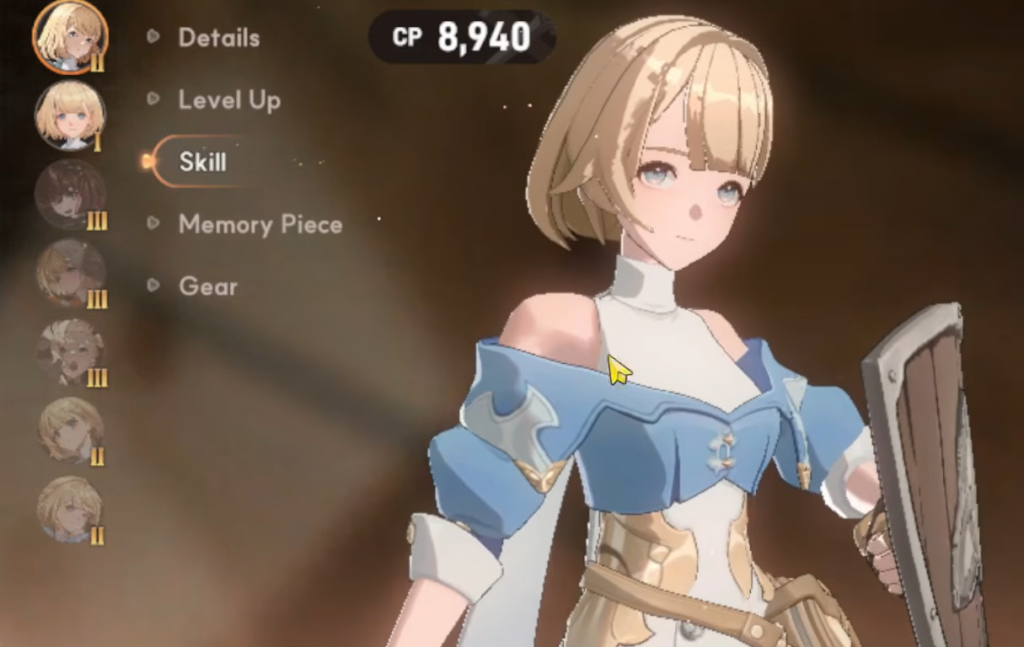
How these rankings were decided
Placements weigh consistency across campaign, boss encounters, and general account growth rather than damage in isolation. A unit rises when it stays effective with reasonable investment, fills more than one narrow role, and holds up in both early and late progression. Survivability, utility, and how easily a unit slots into multiple teams all factor in.
Heidi is flagged for a potential rebalance, so her long-term standing may shift if her kit changes.
This ranking reflects the Star Sailors meta as of July 2026. Treat it as a starting point rather than a fixed rule, and lean toward units that give you value in several modes with less gear and support pressure. If two picks feel close, invest in the one that performs well on its own, since that efficiency matters most when materials are limited.